Why Is My Scalp Flaky? Your Questions Answered

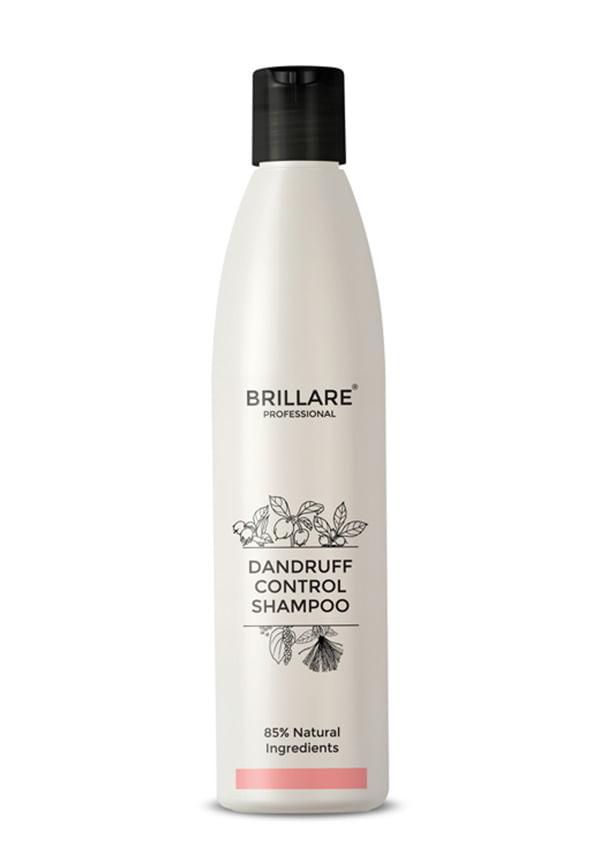
Dandruff Control Shampoo For Itchy, Flaky Scalp
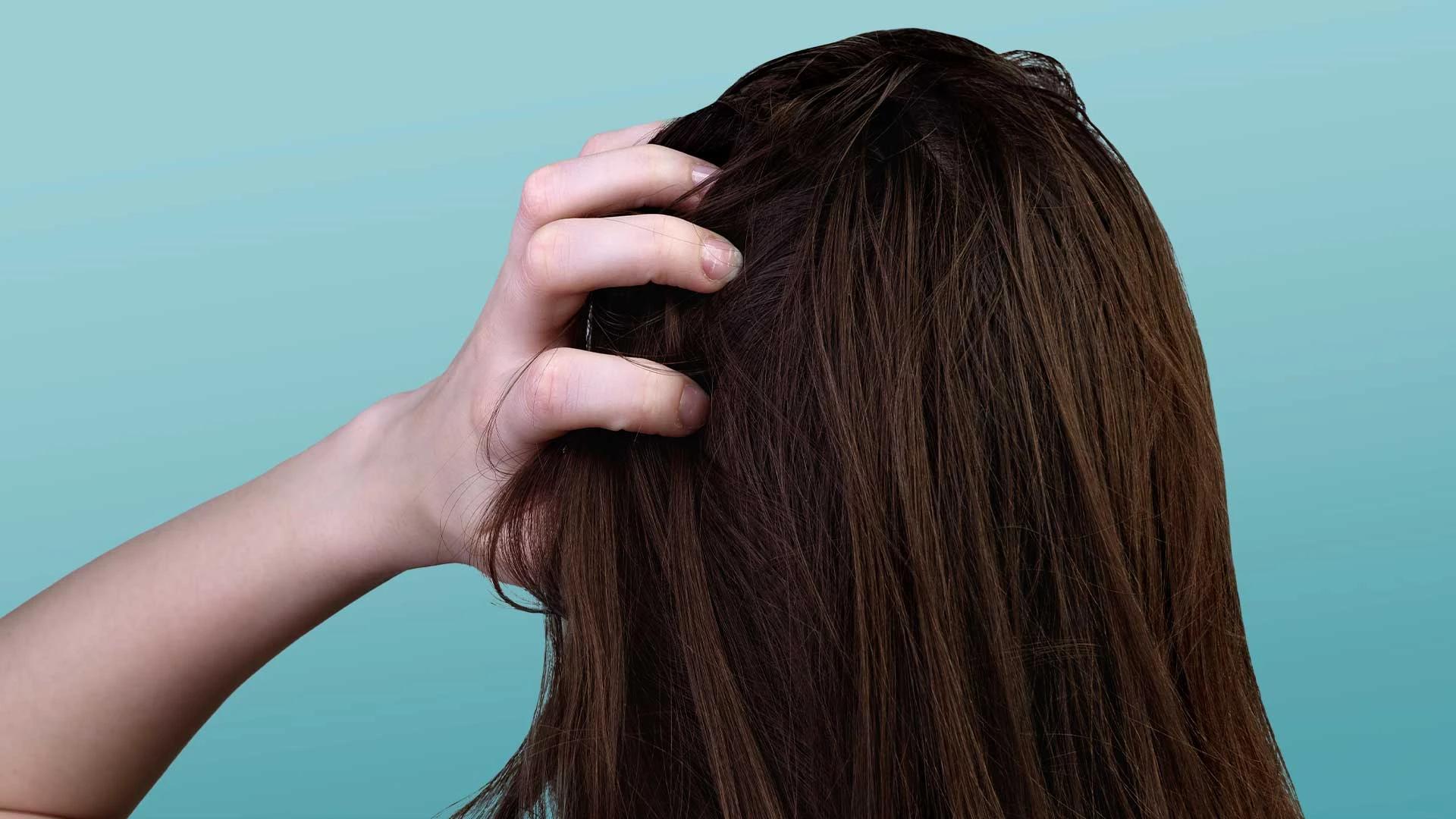
You know that moment when you're getting ready for a big day, and you catch a glimpse of yourself in the mirror only to spot those telltale white flakes scattered across your shoulders? Or maybe you've been dealing with an itchy, uncomfortable scalp that just won't quit. If you've been wondering why your scalp is acting up, you're definitely not alone. Scalp flaking is one of those things that can feel super personal and frustrating, but the good news is that once you understand what's going on up there, you can actually do something about it. Let's dive into the real reasons behind flaky scalp causes and figure out what your scalp is trying to tell you.
Real talk—not all flakes are created equal. Your scalp might be flaking for completely different reasons than your mate's, which is why that anti-dandruff shampoo that worked wonders for them might not be doing much for you. Understanding the root cause is honestly the game-changer when it comes to finding relief.
This is probably the most important distinction to make, because treating dry scalp like dandruff (or vice versa) can actually make things worse. With dry scalp, you're looking at small, white, powdery flakes that feel quite dry to the touch. Your scalp itself probably feels tight, maybe a bit itchy, and you might notice the flaking gets worse in winter or after washing your hair. Think of it like having dry skin anywhere else on your body—your scalp just needs more moisture.
Dandruff, on the other hand, comes with larger, yellowish flakes that can feel a bit oily or greasy. These flakes tend to stick to your hair and scalp rather than falling off easily. You might also notice some redness or irritation, and the flaking often gets worse when you're stressed or haven't washed your hair in a while.
Sometimes what looks like simple dandruff is actually something else entirely. Scalp psoriasis creates thick, silvery scales that can extend beyond your hairline onto your forehead or neck. These patches are usually quite raised and can be pretty uncomfortable. Seborrheic dermatitis shows up as red, inflamed patches with greasy, yellowish flakes—it's like dandruff's more intense cousin. Contact dermatitis happens when your scalp reacts to something in your haircare routine, causing scalp flaking symptoms along with redness and sometimes even burning sensations.
Now that we've covered the what, let's talk about the why. Your scalp doesn't just decide to start flaking for no reason—there are usually some pretty clear triggers behind those annoying flakes.
Winter is honestly the worst time for scalp health. Cold air outside combined with dry indoor heating creates the perfect storm for moisture loss. Your scalp can literally become dehydrated, leading to that tight, flaky feeling. But it's not just weather—stress plays a huge role too. When you're stressed, your body produces more of certain hormones that can mess with your scalp's natural balance.
Age is another factor that doesn't get talked about enough. As we get older, our skin (including our scalp) naturally produces less oil, making dry scalp treatment more necessary. Hormonal changes, whether from pregnancy, menopause, or just monthly cycles, can also trigger scalp flaking symptoms.
Sometimes the very products we're using to keep our hair clean are actually making our scalp problems worse. Sulfate-heavy shampoos can strip away your scalp's natural oils, leaving it dry and irritated. Styling products like gels, mousses, and dry shampoos can build up on your scalp over time, creating a layer that prevents your skin from breathing properly.
Even something as simple as not rinsing thoroughly can leave residue behind that irritates your scalp. And let's be honest—we've all been guilty of using way too much product or not washing it out properly when we're in a rush.
Here's where things get practical. Once you've figured out what type of flaking you're dealing with, you can choose the right approach to tackle it. No more guessing or trying random products and hoping for the best.
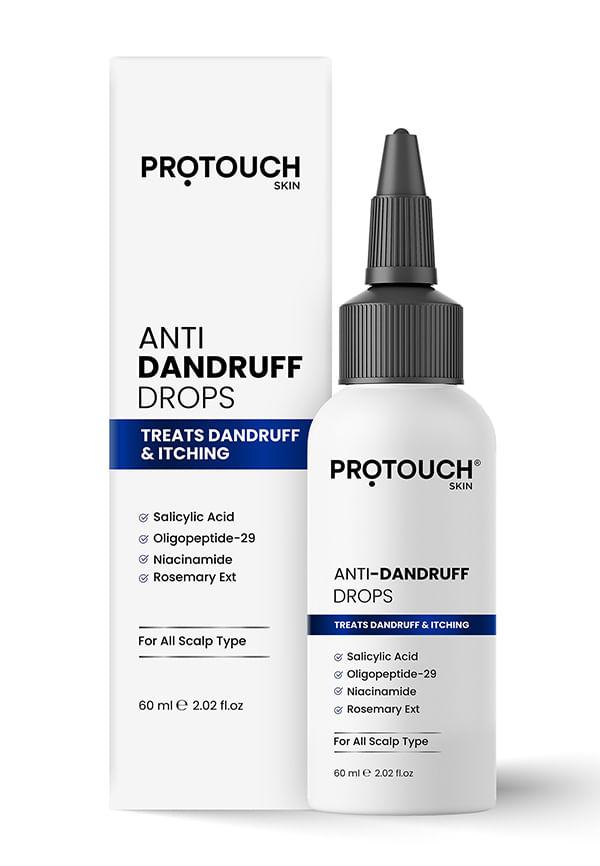
SKIN Anti Dandruff Drops Serum Soothes Itchy, Inflamed Scalp
For dry scalp, think hydration, hydration, hydration. Switch to a gentle, sulfate-free shampoo that won't strip away what little oil your scalp is producing. Look for ingredients like hyaluronic acid, glycerin, or ceramides that help lock in moisture. You don't need to wash your hair every day—in fact, overwashing can make dry scalp worse. Every 3-5 days is usually plenty.
Pre-shampoo treatments can be absolute game-changers for dry scalp. Apply a nourishing oil or scalp mask about 30 minutes before washing to give your scalp some extra TLC. Natural remedies for dry scalp like coconut oil, argan oil, or even a simple aloe vera gel can provide immediate relief.
Dandruff needs a different approach because it's often caused by an overgrowth of yeast on the scalp. Look for shampoos containing zinc pyrithione, salicylic acid, selenium sulfide, or ketoconazole. These ingredients specifically target the yeast that causes dandruff while helping to remove existing flakes.
The key with anti-dandruff shampoos is proper application. Let the shampoo sit on your scalp for a few minutes before rinsing—this gives the active ingredients time to work. You might need to use these shampoos 2-3 times per week initially, then scale back to once or twice a week for maintenance.
If your scalp flaking symptoms aren't improving with over-the-counter treatments, or if you're experiencing severe itching, hair loss, or spreading to other areas, it's time to see a dermatologist. Conditions like scalp psoriasis or severe seborrheic dermatitis often need prescription-strength treatments to get under control.
When your scalp is driving you absolutely mad with itching, you need relief now, not in a few weeks when your new routine starts working. Here are some quick fixes that can help calm things down while you work on the underlying issue.
Cool water is your friend when your scalp is inflamed and itchy. Hot water might feel good in the moment, but it can actually make irritation worse. Try finishing your shower with a cool rinse to help calm inflammation. Gentle scalp massage with your fingertips (not your nails!) can help improve circulation and provide some relief.
Look for products with soothing ingredients like menthol, tea tree oil, or chamomile. These can provide immediate cooling relief for itchy scalp relief. Just remember to avoid scratching, no matter how tempting it is—this can damage your scalp and make the problem worse.
Prevention really is better than cure when it comes to scalp health. Protect your scalp from harsh styling practices like tight ponytails or excessive heat styling. Your diet and hydration levels also play a bigger role than you might think—omega-3 fatty acids and plenty of water can help keep your scalp healthy from the inside out.
Sometimes the best solutions are the simplest ones. Natural remedies can be incredibly effective for scalp conditions, especially when used alongside proper haircare practices.
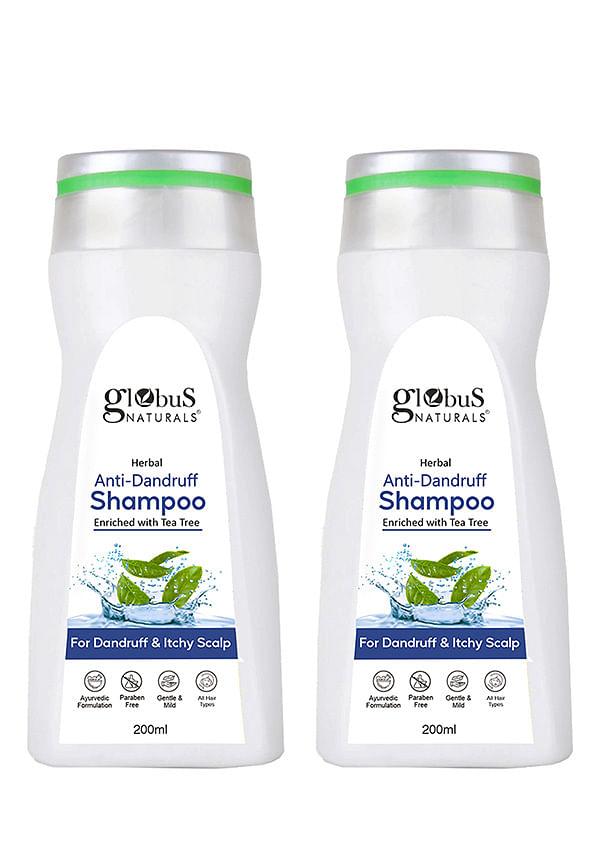
Anti Dandruff Shampoo, For Dandruff and Itchy Scalp
Tea tree oil has genuine antifungal properties that can help with dandruff and other scalp conditions. Just remember to dilute it properly—pure tea tree oil is way too strong for direct scalp application. Aloe vera is brilliant for soothing inflammation and providing moisture to dry, irritated scalps.
Apple cider vinegar can help restore your scalp's natural pH balance, which is often disrupted in people with scalp conditions. Mix it with water (about 1 part vinegar to 3 parts water) and use it as a final rinse after shampooing. Coconut oil provides deep moisturisation and has natural antimicrobial properties that can help with various scalp issues.
For a simple hydrating mask, mix equal parts honey and olive oil with a few drops of your favourite essential oil. Apply to your scalp 30 minutes before washing for deep moisture. For buildup removal, try a clarifying treatment made from baking soda mixed with water to form a paste—but use this sparingly, as it can be quite drying.
Always do a patch test before trying any new natural remedy, especially if you have sensitive skin. What works for one person might irritate another, so it's worth being cautious.
Once you've got your scalp flaking under control, the goal is to keep it that way. Good scalp health is really about consistent, gentle care rather than dramatic interventions.
Proper shampooing technique matters more than you might think. Focus the shampoo on your scalp rather than the lengths of your hair, and use your fingertips to gently massage rather than scratching with your nails. Clean your hairbrushes regularly—they can harbour bacteria and product buildup that gets transferred back to your scalp.
Change your pillowcases regularly and consider using a silk or satin pillowcase, which creates less friction against your hair and scalp. When towel-drying, pat rather than rub to avoid irritation.
Your scalp's needs change with the seasons, so your routine should too. In winter, focus on moisture and protection from dry air. Use a humidifier in your bedroom and consider more intensive hydrating treatments. Summer brings its own challenges with increased oil production and sun exposure—you might need to wash more frequently and always protect your scalp from UV rays.
While many scalp conditions can be managed at home, there are definitely times when professional help is needed. Knowing when to make that appointment can save you months of frustration and potentially prevent more serious issues.
If you've been consistently treating your scalp flaking for 4-6 weeks without any improvement, it's time to see a dermatologist. Severe itching that's affecting your sleep or daily life shouldn't be ignored. Hair loss accompanying the flakes is another sign that something more serious might be going on.
If the flaking spreads to other areas of your body, like your face, ears, or chest, this could indicate a systemic condition that needs medical treatment. Any signs of infection, like pus, extreme redness, or fever, require immediate medical attention.
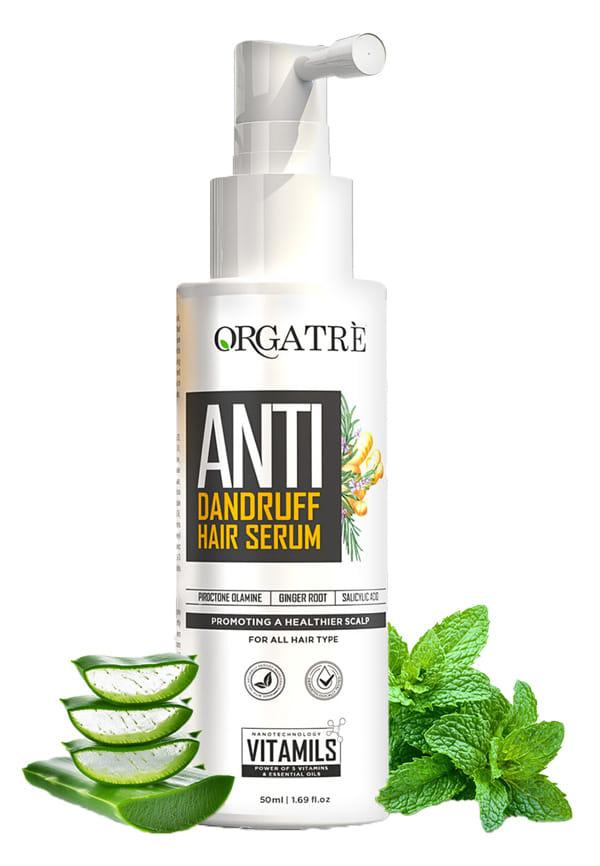
Anti Dandruff Hair Serum | Treatment for Dandruff, Flaky & Dry Scalp
A dermatologist will typically examine your scalp closely and ask about your symptoms, haircare routine, and medical history. They might take a small sample of flakes or scales for testing to rule out fungal infections or other conditions. Based on their findings, they can prescribe stronger treatments or recommend specific products that aren't available over the counter.
The key is identifying what's causing the flaking first. For dry scalp, focus on gentle, moisturising shampoos and regular scalp treatments with nourishing oils. For dandruff, use anti-dandruff shampoos with active ingredients like zinc pyrithione or salicylic acid. Avoid overwashing, use lukewarm water, and be consistent with your chosen treatment for at least 4-6 weeks to see results.
Yes, but how often depends on the cause. For dandruff, regular washing (every 2-3 days) with an anti-dandruff shampoo helps remove flakes and control yeast overgrowth. For dry scalp, less frequent washing (every 3-5 days) with a gentle, moisturising shampoo prevents further drying. Avoid hot water and always follow up with a conditioner on the hair lengths.
You likely have dry scalp rather than dandruff. Dry scalp produces small, white, powdery flakes and feels tight or itchy, especially after washing. This happens when your scalp lacks moisture due to cold weather, overwashing, harsh products, or natural oil production changes. The treatment focuses on hydration rather than anti-fungal ingredients used for dandruff.
Start by identifying whether you have dry scalp or dandruff, as treatments differ. For immediate relief, gently brush out loose flakes before washing, use lukewarm water, and apply a pre-shampoo oil treatment. Choose the right shampoo for your condition, massage gently into the scalp, and rinse thoroughly. Follow with a moisturising conditioner and avoid picking at flakes, which can worsen irritation.
Non-itchy flaking often indicates mild dry scalp or product buildup rather than inflammatory conditions like dandruff or dermatitis. This can happen from using too many styling products, not rinsing thoroughly, or gradual moisture loss. Try clarifying your scalp with a gentle exfoliating treatment, switch to sulfate-free products, and ensure you're rinsing all products completely.
Large chunks of peeling skin suggest a more serious condition like scalp psoriasis, severe seborrheic dermatitis, or contact dermatitis from product reactions. This level of scaling typically requires medical attention, as over-the-counter treatments may not be strong enough. See a dermatologist for proper diagnosis and prescription treatments to prevent scarring or hair loss.
Dealing with a flaky scalp can feel overwhelming, but remember that it's incredibly common and definitely treatable. The key is being patient with the process and consistent with your chosen treatment approach. Most scalp conditions improve significantly within 4-6 weeks of proper care, so don't give up if you don't see immediate results.
Whether you're dealing with dry scalp, dandruff, or something more complex, the right combination of gentle care, appropriate products, and lifestyle adjustments can make a huge difference. And if home treatments aren't cutting it, there's absolutely no shame in seeking professional help—sometimes you need that expert guidance to get back on track.
When you're ready to explore new scalp-friendly products, Smytten's curated selection includes gentle shampoos and treatments from trusted brands that might just become your scalp's new best friend. Not sure which approach works for your specific scalp concerns? Many of these products are available in trial sizes through Smytten, so you can test what works before committing to full-size bottles—because your scalp deserves products that actually deliver results.
