Why Hair Growth Slow? Your FAQ on Causes & Solutions

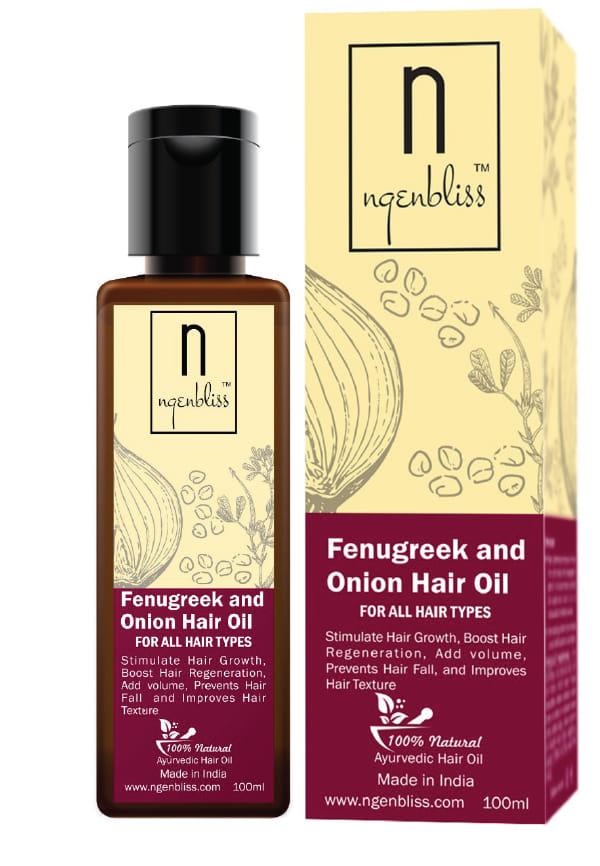
Fenugreek And Onion Hair Oil | Control Hair Fall | For Hair Growth
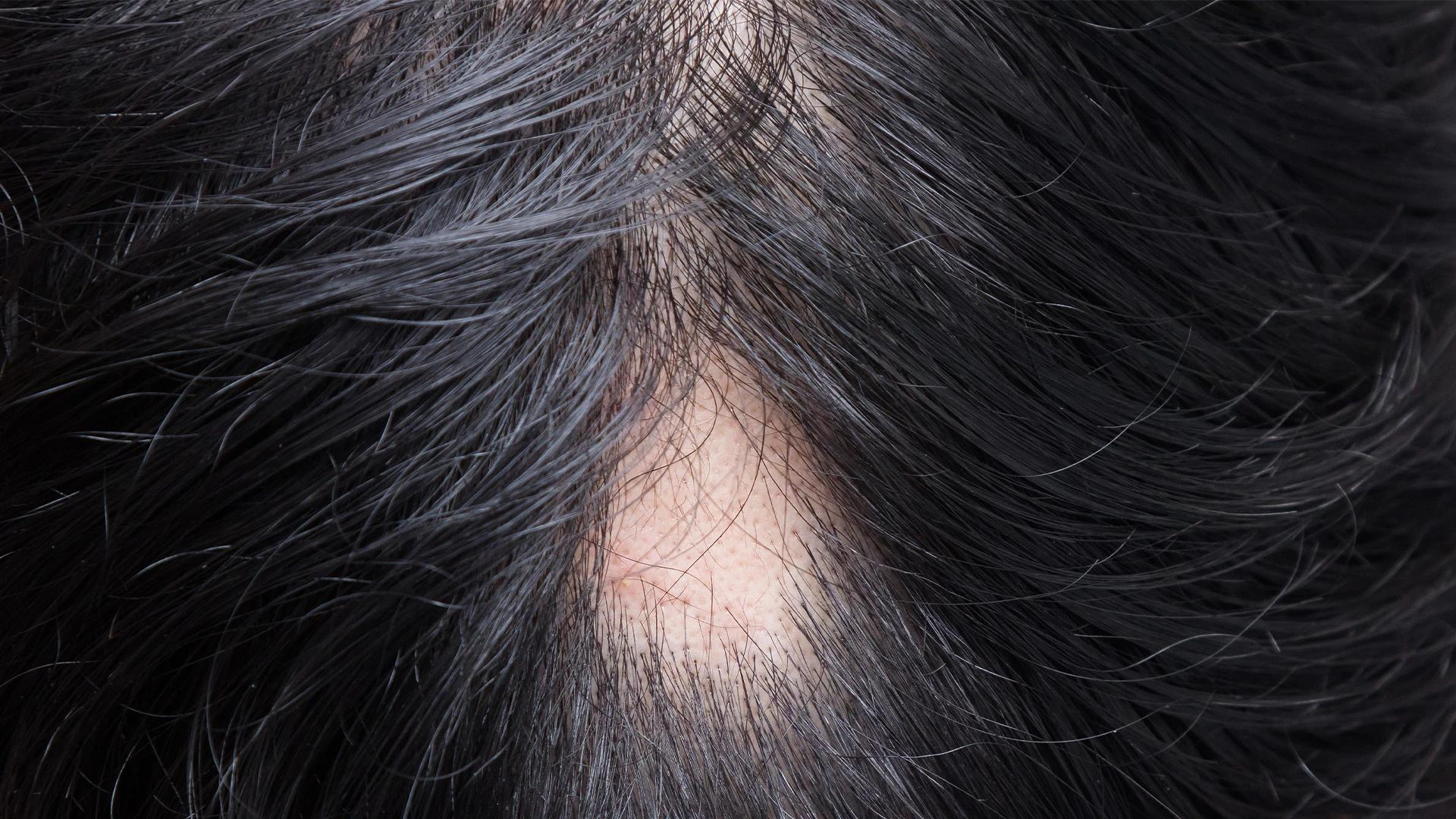
You've been staring at your hair in the mirror for months, wondering why it feels like it's stuck at the same length. Maybe you've been measuring obsessively, or comparing old photos, and the truth hits: your hair growth feels painfully slow. You're not imagining it, and you're definitely not alone. Millions of people deal with sluggish hair growth, but here's the thing—there's usually a reason behind it, and more importantly, there are ways to tackle it.
Let's get real about what normal hair growth actually looks like. On average, hair grows about half an inch per month, which translates to roughly six inches per year. But here's where it gets tricky—what feels like slow growth might actually be breakage in disguise. Your hair could be growing at a normal rate, but if it's snapping off at the ends, you'll never see the length.
The hair growth cycle has three main phases: anagen (the active growth phase), catagen (the transition phase), and telogen (the resting phase). Most of your hair—about 85-90%—should be in the anagen phase at any given time. When factors affecting hair growth disrupt this cycle, more follicles get pushed into the resting phase prematurely, and that's when you start noticing slower growth.
To figure out if your hair growth is genuinely slow, try this: measure a section of hair from your scalp and mark it with a tiny elastic band. Check it again after two months. If it's grown less than an inch, you might be dealing with hair growth cycle issues. Keep in mind that hair growth can vary by season, stress levels, and even the area of your scalp.
Understanding the reasons for stunted hair growth is the first step towards fixing it. These aren't just theories—they're backed by research and dermatological expertise.
Your hair is essentially made of protein, specifically keratin. When your body doesn't get enough protein, it redirects whatever it has to vital organs, leaving your hair follicles running on empty. Iron deficiency is another major player—without enough iron, your hair follicles can't produce healthy strands efficiently. Zinc, biotin, and Vitamin D deficiencies also contribute to slow hair growth causes.
Stress doesn't just mess with your mood—it literally pushes hair follicles into the resting phase prematurely. Chronic stress elevates cortisol levels, which can disrupt the normal hair growth cycle. Hormonal conditions like PCOS, thyroid disorders, and menopause can also significantly impact how fast your hair grows.
Think of your scalp as the soil where your hair grows. If it's clogged with product buildup, dead skin, or excess oil, your follicles can't function properly. Poor blood circulation to the scalp also means fewer nutrients reach your hair roots, leading to weaker, slower-growing strands.
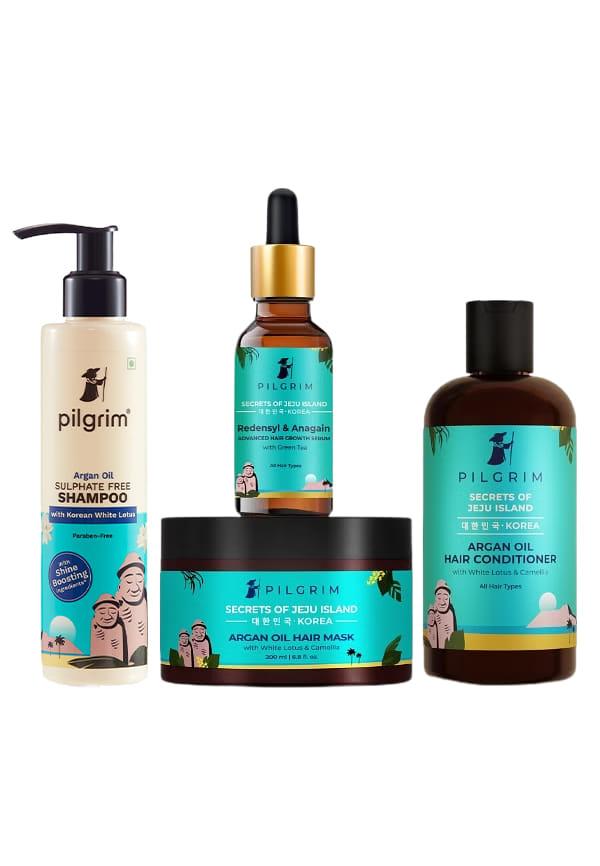
Ultimate Hair Care Kit | Reduces Hairfall Stimulates Growth
Sometimes the issue isn't that your hair isn't growing—it's that it's breaking off as fast as it grows. Aggressive detangling, excessive heat styling, and chemical processing can cause significant damage. If your hair feels rough, has split ends, or breaks easily when wet, breakage might be the real culprit behind your hair not growing fast.
Some people are simply genetically predisposed to slower hair growth. As we age, hair follicles naturally slow down, and the anagen phase becomes shorter. This is completely normal, but it can be frustrating if you're used to faster growth.
Smoking reduces blood circulation to the scalp, while environmental pollutants can damage hair follicles. Even seasonal changes affect growth—many people notice slower growth in winter months due to reduced sunlight and vitamin D levels.
Ever feel like your hair reaches a certain length and just stops? This phenomenon is called terminal length, and it's determined by how long your anagen phase lasts. Some people have longer growth phases, allowing their hair to reach greater lengths, while others have shorter cycles.
However, what many people think is terminal length is actually breakage happening at the same rate as growth. If your hair feels thinner at the ends or you notice lots of split ends, you're likely dealing with breakage rather than true terminal length. Hair growth problems often stem from damage that prevents length retention rather than actual growth cessation.
Hair porosity also plays a role here. High-porosity hair loses moisture quickly and is more prone to breakage, making it harder to retain length. Low-porosity hair might grow slowly because it's harder for nutrients and moisture to penetrate the hair shaft.
Now for the good news—there are evidence-based ways to tackle slow hair growth and get your strands back on track.
Start with your plate. Ensure you're getting enough protein—aim for about 0.8 grams per kilogram of body weight daily. Include iron-rich foods like spinach, lentils, and lean meats. Biotin-rich foods like eggs and nuts can support keratin production. Don't forget omega-3 fatty acids from fish or flaxseeds, which help maintain scalp health.
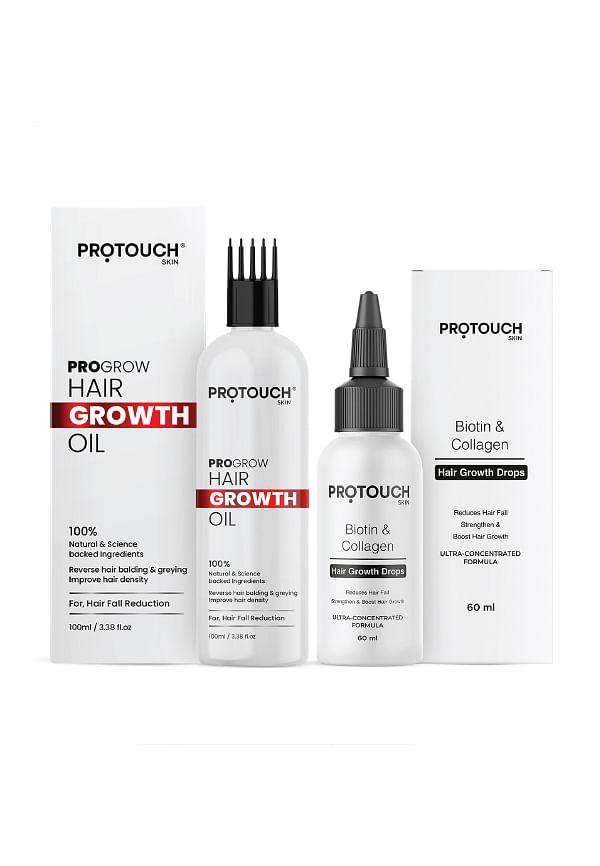
Hair Growth Drops and Oil
Regular scalp massage isn't just relaxing—it actually increases blood flow to hair follicles. Spend five minutes daily massaging your scalp with your fingertips. Use a clarifying shampoo once a week to remove buildup, and consider incorporating scalp-stimulating ingredients like peppermint or rosemary oil into your routine.
Gentle handling is crucial for improving hair growth rate. Always detangle wet hair with a wide-tooth comb, starting from the ends and working up. Use heat protectant products when styling, and try to limit heat styling to 2-3 times per week. Sleep on silk or satin pillowcases to reduce friction.
Managing stress isn't just good for your mental health—it's essential for healthy hair growth. Regular exercise improves circulation, while adequate sleep (7-9 hours) gives your body time to repair and regenerate hair follicles. If you smoke, quitting can significantly improve blood flow to your scalp.
Hair thinning slow growth often go hand in hand, creating a frustrating cycle. When hair follicles start miniaturising, they produce thinner, weaker strands that grow more slowly and break more easily. This makes your hair appear to grow slower, even if the growth rate hasn't technically changed.
Androgenetic alopecia (pattern hair loss) is a common cause of both thinning and slower growth. The hormone DHT causes follicles to shrink over time, producing progressively thinner and shorter hairs. This process affects both men and women, though it typically manifests differently.
If you're dealing with both thinning and slow growth, focus on treatments that address follicle health. Ingredients like minoxidil can help stimulate blood flow and potentially reverse some miniaturisation. However, it's important to consult with a dermatologist or trichologist for persistent issues.
Slow hair growth usually results from a combination of factors including nutritional deficiencies, stress, poor scalp health, or hormonal imbalances. The most common culprits are inadequate protein intake, iron deficiency, chronic stress, and excessive heat styling. Start by evaluating your diet, stress levels, and hair care routine to identify potential causes.
You'll typically start seeing improvements in hair quality within 4-6 weeks of making changes, but noticeable length differences usually take 2-3 months. Hair growth is a slow process, so patience is key. Focus on consistency with your new routine rather than expecting immediate results.
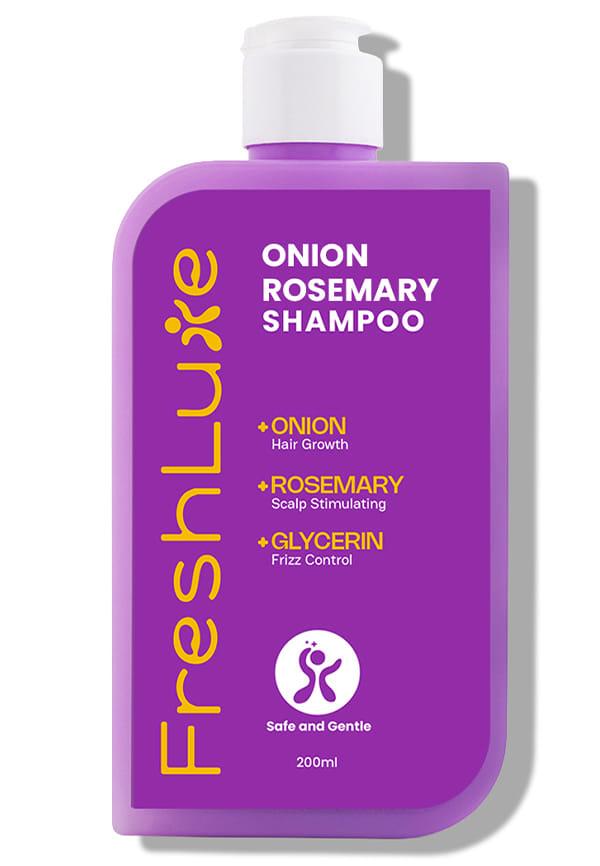
Growth Boost Shampoo Onion & Rosemary Strengthens Hair & Promotes Growth
Most causes of slow hair growth are reversible with the right approach. However, genetic factors and age-related changes are permanent. The good news is that even with these factors, you can often improve your hair's health and growth rate through proper care and nutrition.
Some hair growth products do work, but results vary. Look for ingredients with scientific backing like minoxidil, peptides, and caffeine. Avoid products making unrealistic claims about overnight results. The most effective approach combines topical treatments with good nutrition and proper hair care.
Consult a healthcare provider if you notice sudden hair loss, patchy bald spots, or if slow growth is accompanied by other symptoms like fatigue or weight changes. A dermatologist or trichologist can help identify underlying conditions and recommend appropriate treatments.
Chronic stress and nutritional deficiencies are typically the biggest culprits. Stress pushes hair follicles into the resting phase prematurely, while deficiencies in protein, iron, or vitamins directly impact the hair's ability to grow. Poor scalp health and excessive heat styling are also major factors.
Focus on scalp massage, proper nutrition, stress management, and gentle hair care practices. Ensure you're getting enough protein, iron, and vitamins. Regular scalp massage with oils like rosemary or peppermint can stimulate blood flow. Most importantly, protect your hair from damage to retain the length you're growing.
Cutting hair doesn't affect the growth rate at your scalp, but regular trims prevent split ends from travelling up the hair shaft, which helps with length retention. If your hair is severely damaged, a good cut can make future growth appear healthier and fuller.
Understanding why hair growth slow affects you is the first step towards finding a solution. Whether it's nutritional deficiencies, stress, poor scalp health, or simply genetics, most causes of slow hair growth can be addressed with the right approach. Remember that healthy hair growth is a marathon, not a sprint—consistency with good hair care practices, proper nutrition, and stress management will yield the best results over time.
The key is identifying your specific triggers and addressing them systematically. Start with the basics: evaluate your diet, manage stress levels, and treat your hair gently. If you're still struggling after a few months of consistent care, don't hesitate to seek professional help.
Not sure which haircare products might work best for your specific concerns? Smytten offers trial-size versions of many hair growth and scalp care products from trusted brands—a smart way to test what works for your hair before committing to full-size bottles.
