Which Shampoo Is Best for Hair Without Chemicals?
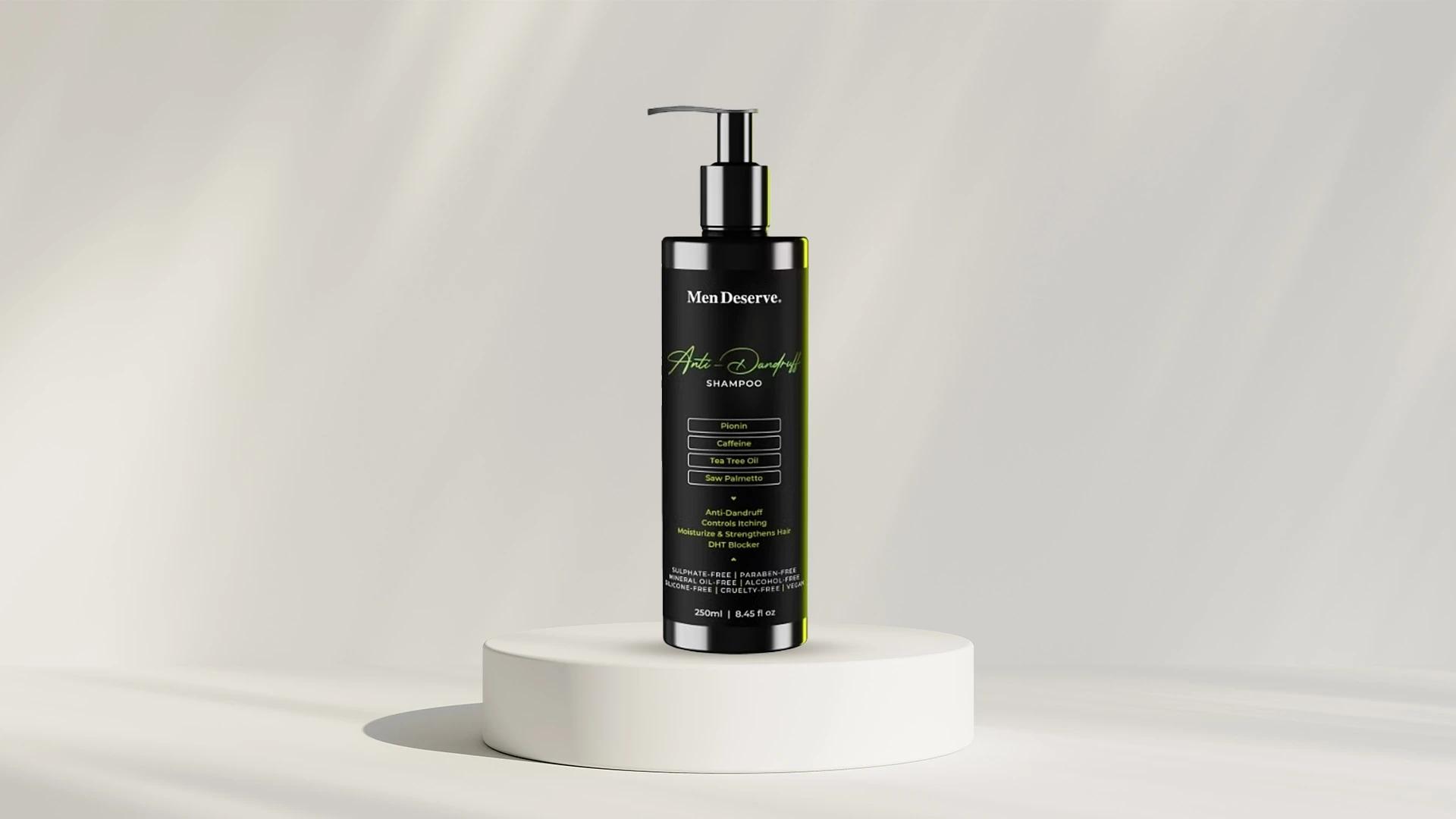

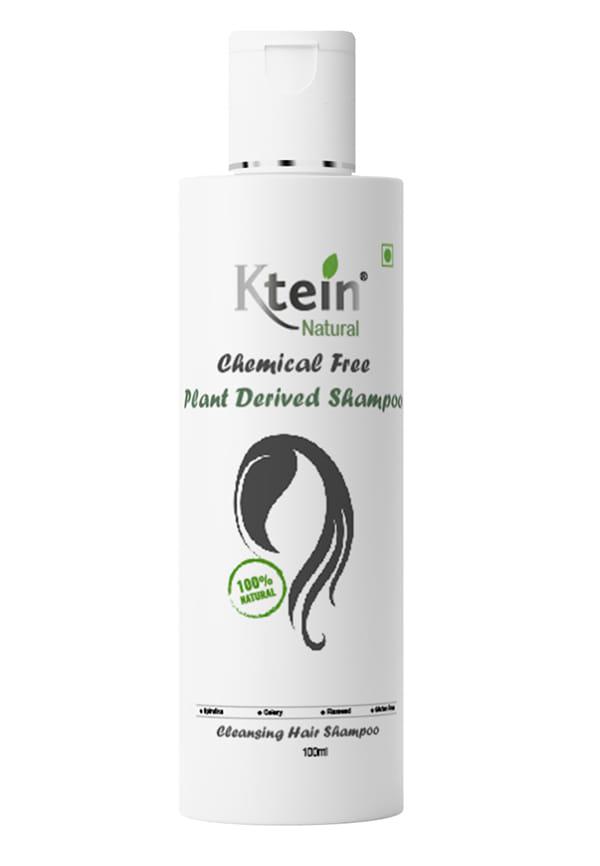 100 ml
Natural Chemical Free Plant Derived Shampoo
Ever found yourself scanning shampoo bottles like you're decoding ancient hieroglyphics? All those unpronounceable ingredients can make your head spin faster than a washing machine cycle. If you've been wondering which shampoo is best for hair without chemicals, you're not alone. More people are ditching the harsh stuff for gentler, natural hair cleansers that actually work with your hair instead of against it. The good news? Going chemical-free doesn't mean sacrificing clean, gorgeous hair. Let's dive into the world of non-toxic hair washing solutions that might just become your new obsession.
So what exactly makes a shampoo "chemical-free"? Real talk—everything is technically made of chemicals, even water. But when we say chemical-free haircare, we're talking about shampoos without synthetic nasties like sulfates, parabens, and silicones. These natural hair cleansers use plant-based ingredients that cleanse your hair without stripping away its natural oils or causing irritation. The benefits are pretty amazing. Your scalp stays balanced, your hair feels softer, and you're not putting questionable ingredients down the drain. Plus, many people notice their hair becomes less greasy over time because it's not overcompensating for harsh cleansing. Common villains in conventional shampoos include sodium lauryl sulfate (that foamy stuff that can irritate), parabens (preservatives linked to hormone disruption), and synthetic fragrances that can trigger sensitivities.
Natural shampoos are packed with plant-based shampoo ingredients that actually nourish your hair whilst getting it clean. Think of them as the difference between fast food and a home-cooked meal—both fill you up, but one leaves you feeling amazing. These gentle formulations work with your hair's natural structure rather than fighting against it.
Essential oils aren't just for making your bathroom smell like a spa. Tea tree oil fights dandruff and soothes irritated scalps. Rosemary oil might help with hair growth (science is still catching up, but the early signs look promising). Lavender oil calms both your scalp and your senses, making wash day feel like self-care time.
Herbs have been used for herbal hair cleansing options for centuries. Chamomile brightens blonde hair naturally, whilst nettle extract can help with oily scalps. Aloe vera soothes and moisturises, and green tea extract provides antioxidants that protect your hair from environmental damage.
These are the gentle cleaners that replace harsh sulfates. Coconut-derived cleansers like coco-glucoside and decyl glucoside create a light lather without stripping your hair. They're part of the eco-friendly hair cleansing movement that's kinder to both your hair and the planet.
With so many organic shampoo alternatives on the market, finding your perfect match can feel overwhelming. The key is knowing what your hair actually needs. Different hair types and concerns call for different formulations, so let's break down some top contenders that consistently get rave reviews.
Look for shampoos with a balanced blend of gentle cleansers and nourishing botanicals. Castile soap-based formulas are brilliant for most hair types, offering effective cleansing without the harsh chemicals. They're worth a try if you want something that works for the whole family.
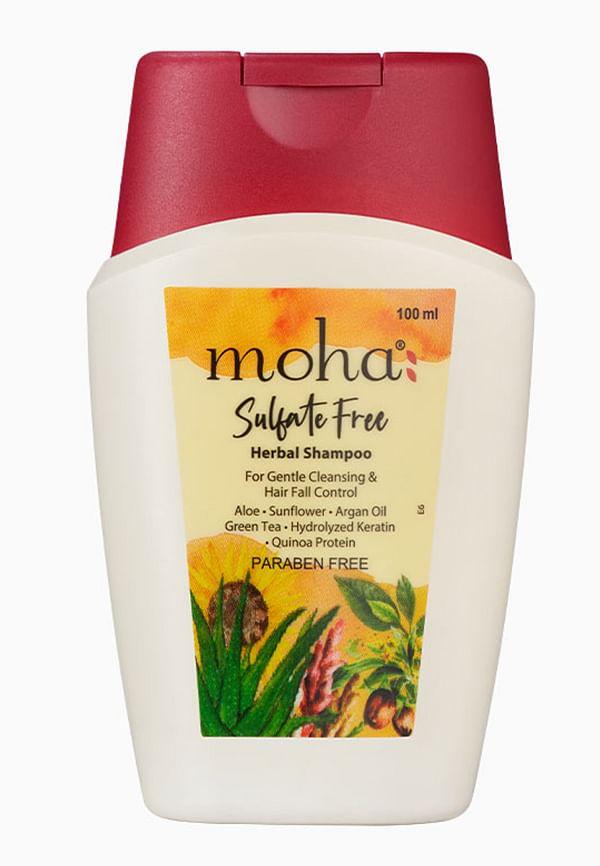 100 ml
Sulfate Free Herbal Shampoo
Dry hair loves moisture-rich formulas with ingredients like argan oil, shea butter, and coconut oil. These sulfate-free hair products won't strip away the little moisture your hair already has. Instead, they cleanse gently whilst adding hydration back in.
Contrary to popular belief, oily hair benefits massively from gentle cleansing. Clay-based shampoos with ingredients like bentonite or rhassoul clay absorb excess oil without triggering overproduction. Tea tree and peppermint oils can also help balance sebum production.
Sensitive scalps need the gentlest touch. Look for fragrance-free formulas with soothing ingredients like oatmeal, aloe vera, and calendula. These gentle hair washing methods cleanse without causing irritation or flare-ups.
Some brands go the extra mile with recyclable packaging, ethically sourced ingredients, and carbon-neutral shipping. These clean beauty haircare options prove you don't have to choose between looking good and doing good.
If you're feeling adventurous (or just want to know exactly what's going on your hair), making your own non-toxic hair washing solutions can be surprisingly simple. Plus, it's often more budget-friendly than buying fancy natural shampoos. These homemade options let you customise ingredients based on your hair's specific needs.
Brew strong herbal teas and use them as final rinses after shampooing. Rosemary tea for dark hair, chamomile for light hair, and nettle tea for oily scalps. Let the tea cool completely before pouring it over clean hair—nobody wants a scalding surprise during their haircare routine.
Mix cornflour with cocoa powder for dark hair or arrowroot powder for light hair. Add a few drops of essential oil for fragrance. These natural alternatives absorb oil without the aerosol chemicals found in conventional dry shampoos.
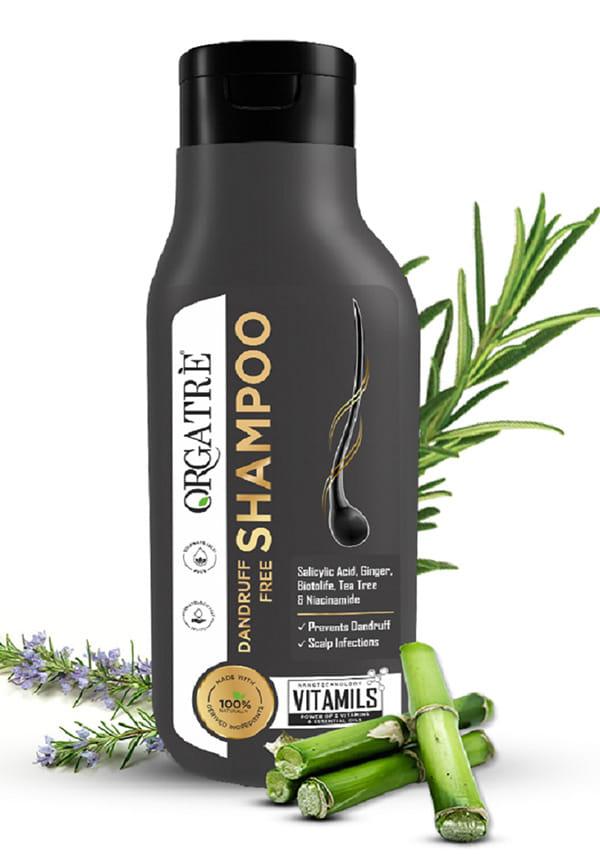 250 ml
Dandruff free Shampoo
Bentonite clay mixed with apple cider vinegar creates a clarifying mask that removes buildup without harsh chemicals. For dry hair, try mashed avocado with honey—it cleanses gently whilst providing deep moisture.
Making the switch to chemical-free hair care isn't always smooth sailing. Your hair might act up initially as it adjusts to the new routine. This transition period is totally normal and usually lasts 2-6 weeks. Patience is key—your hair needs time to rebalance after years of synthetic products.
Start with a clarifying wash using diluted apple cider vinegar or a bentonite clay mask. This removes buildup from conventional products and gives your natural shampoo a clean slate to work with. Don't skip this step—it makes a huge difference in how well your new products perform.
Natural shampoos often don't foam as much as conventional ones, but that doesn't mean they're not working. Focus on massaging your scalp rather than creating bubbles. Your hair might feel different initially—perhaps less "squeaky clean"—but this is actually healthier.
Start slowly by replacing products one at a time. Begin with shampoo, then conditioner, then styling products. This gradual approach helps you identify which products work best for your hair without overwhelming your routine or your budget.
The long-term benefits of switching to natural hair cleansers go beyond just avoiding harsh ingredients. Your hair and scalp develop a healthier balance, often resulting in less frequent washing needs and improved overall hair condition. Many people report their hair feels stronger and looks shinier after making the switch.
A healthy scalp is the foundation of healthy hair. Chemical-free shampoos maintain your scalp's natural pH balance and don't disrupt the beneficial microbiome that lives there. This can reduce issues like dandruff, itching, and excessive oiliness over time.
Whilst natural shampoos aren't magic hair growth potions, they create better conditions for healthy growth. By not damaging the hair shaft or irritating follicles, your hair can grow stronger and potentially appear thicker.
Beyond personal benefits, choosing eco-friendly hair cleansing options reduces your environmental impact. Natural ingredients biodegrade more easily, and many natural brands use sustainable packaging. It's a win-win for you and the planet.
Yes, but they work differently. Natural shampoos cleanse gently without stripping natural oils, so your hair might feel different initially. Most people find their hair becomes healthier and more balanced over time, often requiring less frequent washing.
Whilst no shampoo can dramatically increase hair growth, natural formulas with ingredients like rosemary oil and peppermint may support a healthy scalp environment. A healthy scalp is essential for optimal hair growth.
This depends on your hair type and lifestyle. Many people find they can wash less frequently with natural shampoos—perhaps 2-3 times per week instead of daily. Your hair will tell you what it needs.
Not necessarily. "Organic" refers to how ingredients are grown, whilst "chemical-free" refers to avoiding synthetic additives. Some organic shampoos still contain sulfates or other harsh ingredients, so always read the ingredient list.
Many natural ingredients like tea tree oil, apple cider vinegar, and zinc pyrithione can help with dandruff. However, severe dandruff might require specific treatment, so consult a dermatologist if natural options don't help.
Choosing which shampoo is best for hair without chemicals really comes down to understanding your hair's unique needs and being willing to experiment a bit. The journey to finding your perfect natural hair cleanser might involve some trial and error, but the long-term benefits for your hair, scalp, and overall wellbeing make it worth the effort. Whether you opt for a ready-made organic shampoo alternative or decide to create your own DIY solutions, going chemical-free is one of the kindest things you can do for your hair. Your future self (and your hair) will definitely thank you for making the switch to gentler, more natural options.
