When Does Hair Growth Slow? Your FAQ Answered

You know that moment when you're brushing your hair and suddenly realise it's been the same length for months? Or when you're desperately waiting for that fringe to grow out, but it feels like it's moving at snail's pace? Real talk — hair growth can be frustratingly slow, and sometimes it genuinely does slow down. Whether you're dealing with post-breakup chop regret or just wondering why your hair seems stuck, understanding when and why hair growth slows can help you figure out what's actually happening up there.
Let's start with the basics. Your hair doesn't just grow continuously like some sort of magical plant. It follows a pretty specific cycle that determines how fast (or slow) things happen. On average, hair grows about 0.5 inches per month — that's roughly 6 inches per year if everything's working perfectly.
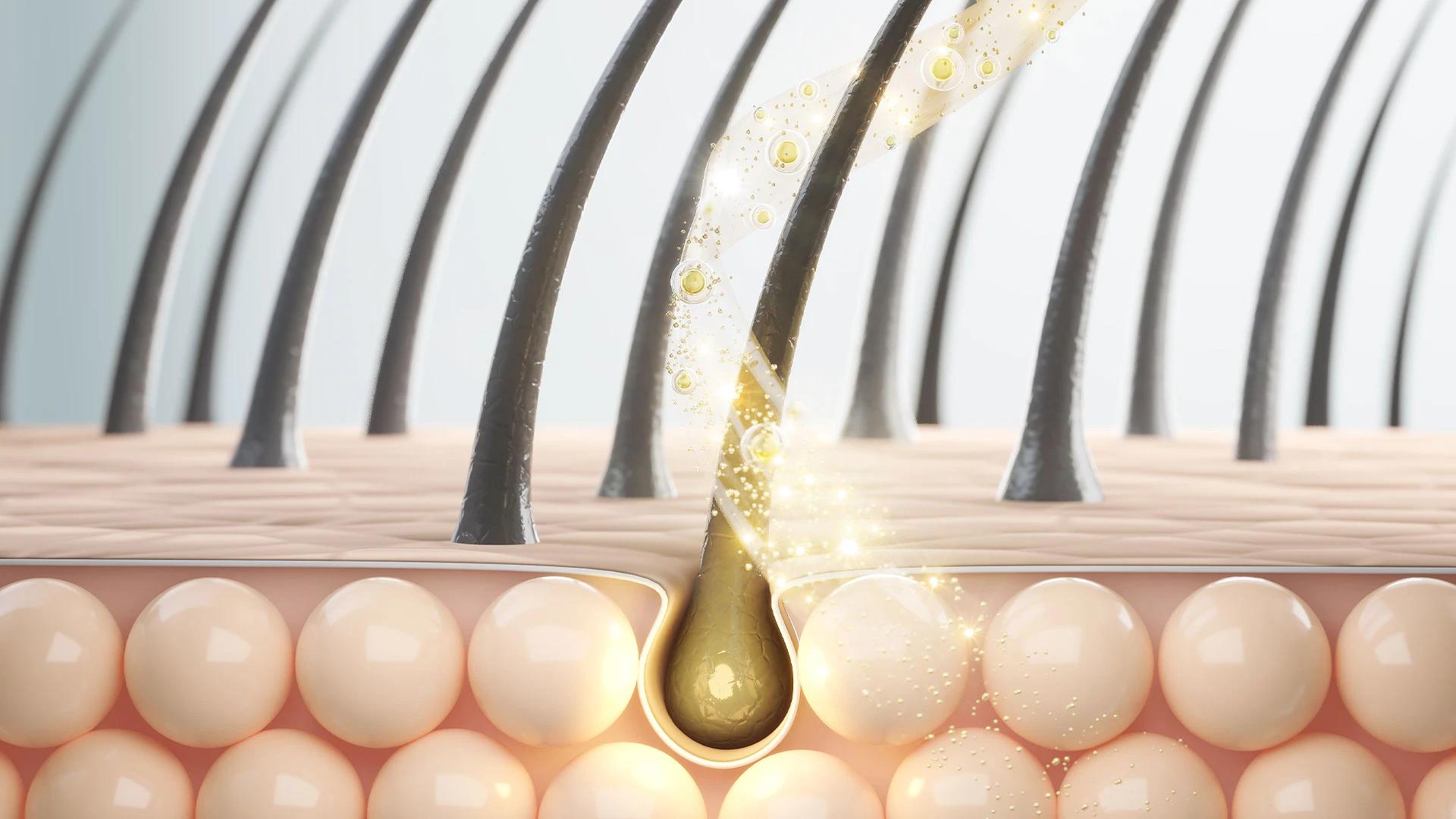
The hair growth cycle has three main stages that every single strand goes through. The anagen phase is where the magic happens — this is active growth mode, lasting anywhere from 2 to 7 years depending on your genetics. About 85-90% of your hair is in this phase at any given time. Then comes catagen, a short 2-3 week transition period where growth stops and the follicle shrinks. Finally, there's telogen — the resting phase lasting about 3 months before the hair falls out and the cycle starts again.
Here's where it gets interesting: your hair growth rate isn't just about genetics. Factors like age, hormones, nutrition, and even the season can influence how quickly your strands grow. Some people naturally have longer anagen phases, which means their hair can grow longer before it stops. Others have shorter cycles, which is why some folks struggle to grow their hair past a certain length.
The timeline for slowing hair growth isn't the same for everyone, but there are some general patterns worth knowing about. For most people, the first subtle changes start happening in their late twenties to early thirties — way earlier than you might expect.
Men often notice changes first because of testosterone and its byproduct DHT (dihydrotestosterone). This hormone can start affecting hair follicles as early as the twenties, gradually shortening the anagen phase and making hair finer over time. It's not always dramatic at first — maybe just a slightly receding hairline or thinning at the crown.
Women typically experience more noticeable changes during hormonal shifts. Pregnancy can actually speed up growth temporarily (hello, amazing pregnancy hair!), but postpartum hair loss is real. The bigger changes usually come during perimenopause and menopause when oestrogen levels drop significantly. This can happen anywhere from the late thirties to early fifties.
By age 50, most people notice a marked slowdown in their hair growth rate. The anagen phase gets shorter, and more follicles spend time in the resting phase. But remember — this is gradual, not sudden. You won't wake up one day with completely different hair.
Understanding what influences your hair growth rate can help you figure out whether what you're experiencing is normal or something worth addressing. These factors often work together, so it's rarely just one thing causing issues.
Hormones are basically the puppet masters of hair growth. Stress hormones like cortisol can push more follicles into the resting phase, which is why you might notice increased shedding during stressful periods. Thyroid issues — both overactive and underactive — can significantly impact growth speed and hair texture.
Your hair follicles are some of the most active cells in your body, which means they need proper fuel. Iron deficiency is particularly common and can slow growth dramatically. Protein is crucial since hair is mostly keratin, and vitamins like biotin, vitamin D, and B vitamins all play important roles in the growth process.
Poor sleep disrupts growth hormone production, which affects hair growth. Regular exercise improves blood circulation to the scalp, while smoking restricts blood flow and can slow growth. Even your hairstyling habits matter — constant tension from tight ponytails or frequent heat styling can damage follicles over time.
Autoimmune conditions like alopecia areata can cause sudden hair loss, while chronic illnesses often redirect the body's resources away from hair growth. Some medications, including certain antidepressants, blood thinners, and even statins, can affect growth speed as a side effect.
Not all changes in hair growth are cause for alarm, but knowing what's normal versus what might signal an underlying issue can help you decide when to seek help. Normal hair growth varies significantly between individuals — some people naturally grow hair faster or slower than the average.
Seasonal variations are completely normal too. Many people notice slower growth during winter months, possibly due to reduced sunlight exposure affecting vitamin D levels and overall circulation. Your hair might also feel like it's growing slower when it gets longer, simply because the same amount of growth is less noticeable on longer strands.
However, sudden changes in growth patterns, excessive shedding that lasts more than a few months, or patches of hair loss are worth investigating. If your hair completely stops growing rather than just slowing down, or if you notice significant thinning, it's time to chat with a healthcare professional or dermatologist.
While you can't completely override your genetics, there are proven ways to optimise your hair growth potential and make sure you're getting the most out of what nature gave you.
Scalp health is fundamental to good growth. Regular scalp massage can improve blood circulation — even just 5 minutes a day can make a difference. Keep your scalp clean but don't overwash, as this can strip natural oils that protect hair follicles. Look for gentle, sulphate-free shampoos that won't irritate your scalp.
Nutrition plays a huge role in hair growth speed. Make sure you're getting enough protein — aim for about 1.2-1.6 grams per kilogram of body weight daily. Iron-rich foods like spinach, lentils, and lean meats support healthy follicles. Omega-3 fatty acids from fish, walnuts, and flaxseeds can improve hair density and shine.
Lifestyle modifications can have a surprising impact on growth rate. Prioritise sleep — aim for 7-9 hours nightly to support growth hormone production. Manage stress through exercise, meditation, or whatever works for you. Be gentle with your hair — use wide-tooth combs on wet hair, avoid tight hairstyles, and limit heat styling when possible.
For more intensive support, consider professional treatments. Minoxidil is FDA-approved for hair growth and can be effective for both men and women. Professional scalp treatments at salons can improve circulation and follicle health. If you're dealing with significant changes, a dermatologist can help identify underlying causes and suggest targeted treatments.
Let's get real about expectations. Hair grows approximately 0.125 inches per week — that's barely more than 3 millimetres. It might not sound like much, but it adds up over time. The problem is that this growth is often less noticeable on longer hair, which can make it feel like nothing's happening.
If you're trying to grow out a short cut, those first few weeks can feel endless because every millimetre matters. But once your hair gets longer, the same amount of weekly growth becomes less obvious. This is why it's important to measure progress over months, not weeks.
Keep in mind that not all of your hair is growing at the same rate. Some strands might be in the resting phase while others are actively growing. This is why your hair doesn't all grow to exactly the same length — it's completely normal to have some variation.
Hair growth typically starts slowing subtly in your late twenties to early thirties, with more noticeable changes after age 50. However, this varies significantly between individuals based on genetics, hormones, and lifestyle factors. Women often experience changes during hormonal transitions like menopause, while men may notice effects from DHT sensitivity earlier.
Hair is approximately 95% keratin protein, particularly in the cortex layer. This protein structure is why adequate protein intake is so crucial for healthy hair growth. When you don't get enough protein, your body prioritises essential functions over hair growth, which can lead to slower growth and weaker strands.
Yes, elevated cortisol levels can significantly impact hair growth by pushing more follicles into the resting phase of the hair growth cycle. Chronic stress can disrupt the normal growth pattern, leading to increased shedding and slower regrowth. Studies suggest women under extreme stress have up to 11 times higher risk of hair loss.
In most cases, hair loss caused by medications is reversible once you stop taking the drug. However, regrowth can take several months because hair follicles need time to recover and restart their normal growth cycle. The timeline varies depending on the medication and how long you were taking it.
Slow hair growth can result from various factors including hormonal imbalances, nutritional deficiencies, stress, genetics, or underlying health conditions. Age also plays a role, as the hair growth cycle naturally slows over time. If you've noticed a sudden change in growth speed, it's worth examining your diet, stress levels, and overall health.
Understanding when and why hair growth slows can help you set realistic expectations and take appropriate action. Remember that some slowdown is completely normal as you age, but sudden changes or excessive hair loss might indicate underlying issues worth investigating.
Focus on what you can control — maintaining a healthy diet, managing stress, being gentle with your hair, and keeping your scalp healthy. These strategies won't turn you into Rapunzel overnight, but they can help you maximise your natural growth potential.
If you're concerned about significant changes in your hair growth patterns, don't hesitate to consult a healthcare professional or dermatologist. They can help identify any underlying causes and suggest appropriate treatments.
When you're ready to explore haircare products that support healthy growth, Smytten offers curated selections from trusted brands like WishCare, Love Beauty & Planet, and others. Not sure which growth-supporting products work for your hair type? Smytten also offers trial-size versions of many haircare products — a good way to test different formulations before committing to full bottles.
