What is Hair Fall Season? Your Guide to Seasonal Hair Loss
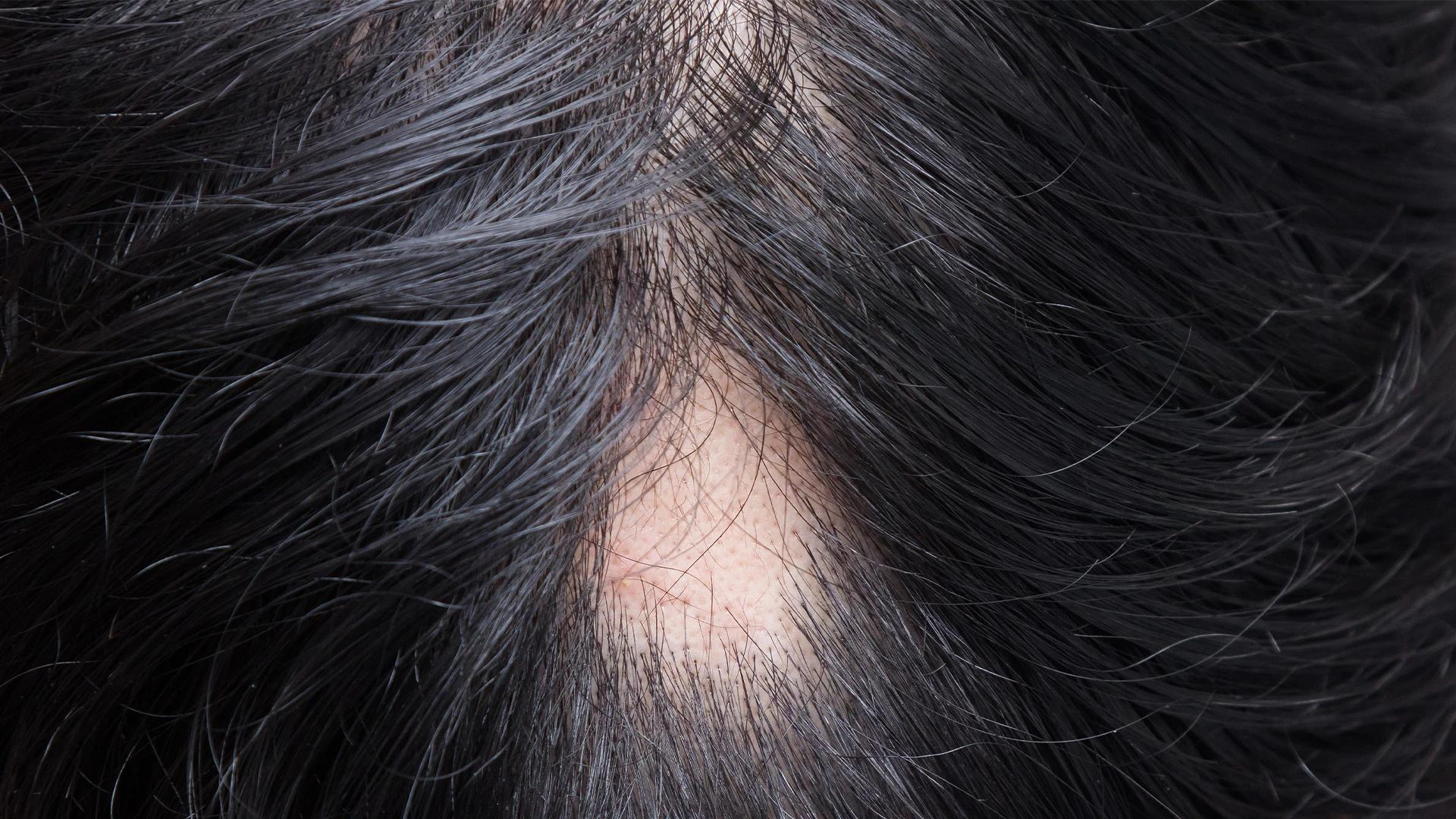

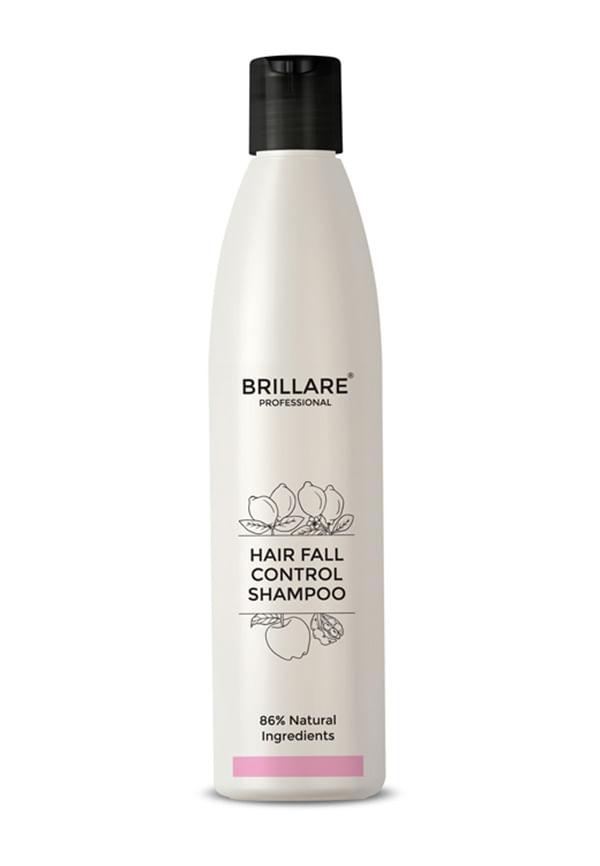
Shampoo To Reduce Seasonal Hair Fall
Ever noticed your hair seems to shed more during certain times of the year? You're not imagining it. Just like trees lose their leaves in autumn, your hair follows its own seasonal rhythm. If you've been finding more strands on your pillow or in the shower drain lately, you might be experiencing what's known as hair fall season. Let's dive into why this happens and what you can actually do about it.
Hair fall season is a real thing, backed by science. It's essentially a period when your hair naturally sheds more than usual due to changes in your hair growth cycle. Think of it as your scalp's way of making room for new, healthier strands.
Your hair grows in three phases: anagen (growth), catagen (transition), and telogen (resting). During telogen, which lasts about three months, your hair isn't actively growing. At the end of this phase, the hair falls out to make space for new growth. What makes seasonal hair loss interesting is that many hair follicles can enter the telogen phase around the same time, leading to more noticeable shedding.
This synchronised shedding often happens because of changes in daylight hours and hormonal shifts. As days get shorter and temperatures drop, your body responds by adjusting hormone levels, particularly those that affect hair growth. It's actually an evolutionary leftover from when humans needed thicker hair for winter protection.
The key thing to remember? Normal daily hair loss is about 100-150 strands. During hair fall season, this might increase to 200-300 strands daily for a few weeks. Sounds scary, but it's usually temporary.
Hair fall season typically peaks during late summer and early autumn, roughly between August and October. This timing isn't random—it's linked to the hair growth cycle and environmental changes that happened months earlier.
Most people experience their heaviest shedding in September and October. This is because hair that entered the telogen phase during the summer months (when UV exposure was highest) is now ready to fall out. Some folks also notice a smaller shedding phase in spring, around April and May.
In India, the pattern can be slightly different due to our diverse climate zones. Monsoon season (June to September) brings its own challenges with increased humidity and scalp issues. Post-monsoon months often see increased hair fall as the scalp recovers from the humid conditions. In tropical regions, the seasonal pattern might be less pronounced, but you'll still notice some variation throughout the year.
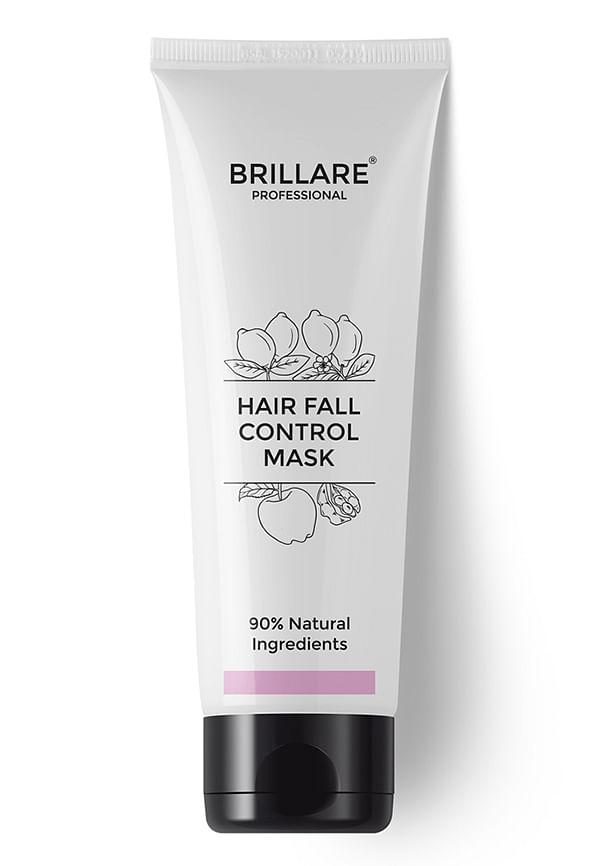
Conditioner To Reduce Seasonal Hair Fall
Several factors contribute to seasonal hair loss, and understanding them can help you manage the process better.
Environmental factors play a huge role. During summer, increased UV exposure can damage hair follicles and trigger them to enter the resting phase. Temperature fluctuations and changing humidity levels also stress your scalp. In India, the transition from monsoon to post-monsoon weather can be particularly challenging for hair health.
Hormonal influences are equally important. Seasonal changes affect your body's production of hormones like cortisol and thyroid hormones, which directly impact hair growth. Vitamin D levels also fluctuate with sun exposure, and deficiency can contribute to hair thinning.
Your scalp health changes with the seasons too. Oil production varies with temperature and humidity, affecting the environment where your hair grows. Blood circulation to the scalp can also be affected by weather changes, influencing nutrient delivery to hair follicles.
Lifestyle factors shouldn't be ignored either. Seasonal diet changes, stress from weather transitions, and reduced outdoor activity can all impact your hair's health. Even your hair care routine might need seasonal adjustments.
While both men and women experience seasonal hair loss, there are some notable differences in how it manifests.
Men often have more pronounced seasonal shedding due to higher sensitivity to DHT (dihydrotestosterone), especially if they're already dealing with androgenetic alopecia. The seasonal pattern might be less noticeable if male pattern baldness is already progressing, but it can still contribute to temporary increases in hair fall.
Women typically experience more dramatic seasonal changes due to hormonal fluctuations. Pregnancy, menopause, and menstrual cycles can all interact with seasonal patterns. Women also tend to notice seasonal hair loss more because they're generally more aware of their hair's condition and handle it more frequently during styling.
Age plays a role too. Younger people often have more resilient hair that bounces back quickly from seasonal shedding. As we age, the recovery process might take longer, and seasonal hair loss can feel more concerning.
While you can't completely prevent seasonal hair loss, you can definitely minimise it and support healthy regrowth.
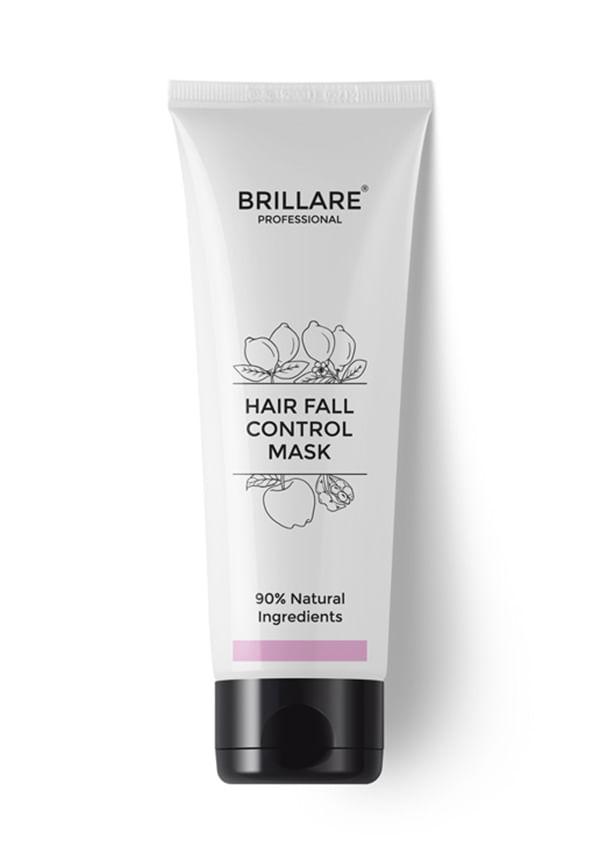
Hair Fall Control Mask To Reduce Seasonal Hair Fall
Your hair needs proper nutrition to grow strong. Focus on iron-rich foods like spinach and lentils, biotin sources like eggs and nuts, and vitamin C from citrus fruits to help iron absorption. Seasonal superfoods like pumpkin seeds, sweet potatoes, and pomegranates are particularly good for hair health during autumn months.
Switch to a sulfate-free shampoo that won't strip your scalp of natural oils. Use a wide-tooth comb on wet hair to prevent breakage, and avoid tight hairstyles that can stress your follicles. Limit heat styling during peak shedding periods—your hair is already vulnerable.
Scalp massage is your friend. Spend five minutes daily massaging your scalp with your fingertips to improve blood circulation. You can use oils like coconut or argan oil for added nourishment, but keep it light to avoid weighing down your hair.
Protect your hair from UV damage with hats or UV-protective hair products when outdoors. During dry seasons, use a humidifier in your room to prevent your hair from becoming brittle. In winter, cover your hair when going outside to protect it from cold winds and dry air.
Most seasonal hair loss resolves on its own within 2-4 weeks. The shedding should be relatively even across your scalp, and you shouldn't notice any bald patches or significant thinning in specific areas.
However, there are warning signs that warrant professional attention. If your hair loss continues for more than three months, if you notice sudden bald patches, or if your scalp becomes inflamed or painful, it's time to see a dermatologist. Similarly, if the amount of hair you're losing seems dramatically more than usual, don't wait it out.
Recovery from seasonal hair loss typically takes 2-6 months. The new hair growth might initially be finer or lighter in colour, but it should gradually return to normal thickness and pigmentation. Patience is key during this phase.
Hair fall typically peaks in September and October globally, though this can vary by region. In India, post-monsoon months (October-November) often see increased shedding as the scalp recovers from humid conditions. The exact timing depends on your local climate and individual hair growth cycle.
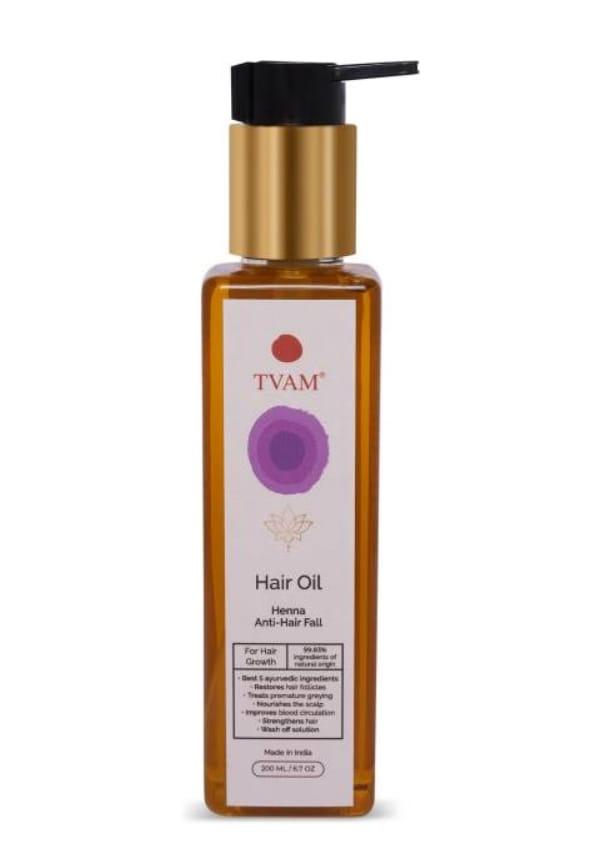
Hair Oil - Henna Anti-Hair Fall
Yes, seasonal hair loss is temporary and the hair does grow back. Most people see new growth starting within 2-3 months after the shedding phase ends. Full recovery usually takes 4-6 months, depending on your individual hair growth rate and overall health.
Seasonal hair loss is usually diffuse (all over the scalp), temporary (lasting 2-8 weeks), and follows a pattern related to weather changes. Permanent hair loss often shows specific patterns like receding hairlines or crown thinning, continues for months without improvement, and may be accompanied by scalp changes.
Summer hair fall is often due to UV damage and increased oil production, while winter hair fall is typically caused by dry air and reduced blood circulation to the scalp. Summer shedding tends to be more dramatic but shorter-lived, while winter hair issues are often related to breakage rather than actual hair loss.
Absolutely. Stress can push more hair follicles into the telogen (resting) phase, amplifying seasonal shedding. Managing stress through exercise, meditation, or other relaxation techniques can help minimise the impact of seasonal hair loss.
It's worth considering a gentler, sulfate-free formula during peak shedding periods. Look for shampoos with ingredients like biotin, keratin, or natural oils that can strengthen existing hair and support scalp health without being too harsh.
Hair fall season is a natural part of your hair's growth cycle, not something to panic about. Understanding when and why it happens can help you prepare and respond appropriately. Focus on gentle care, proper nutrition, and patience during these periods.
Remember, everyone's hair responds differently to seasonal changes. What works for your friend might not work for you, and that's perfectly normal. The key is finding a routine that supports your hair's health year-round, not just during shedding seasons.
If you're looking to experiment with different hair care products to find what works best for your seasonal hair needs, Smytten offers trial-size versions of many hair care products from trusted brands. It's a smart way to test different formulations and find your perfect match before committing to full-size bottles, especially when your hair's needs might change with the seasons.
