What is Hair Dandruff? Your Questions Answered


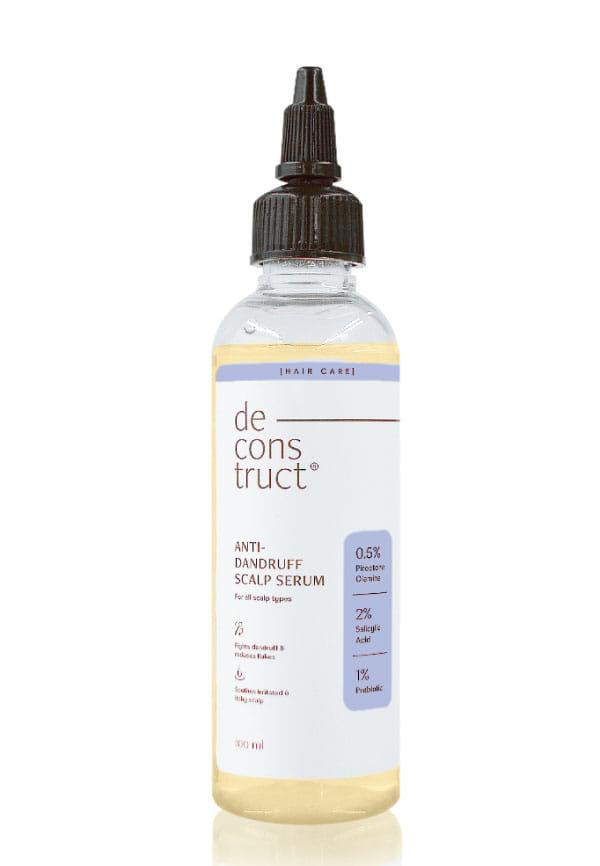
Anti-Dandruff Scalp Serum - 0.5% Piroctone Olamine + 2% Salicylic Acid + 1% Prebiotic
You're getting ready for an important meeting, and as you brush your hair, those telltale white flakes start falling onto your dark shirt. Sound familiar? If you've ever wondered what exactly those pesky flakes are and why they keep showing up despite your best efforts, you're not alone. Dandruff affects nearly half the population at some point, yet there's still so much confusion about what it actually is, what causes it, and how to properly deal with it. Let's dive into everything you need to know about this common scalp condition that's been causing wardrobe dilemmas for centuries.
Real talk — dandruff is basically your scalp's way of shedding dead skin cells a bit too enthusiastically. While everyone's scalp naturally sheds microscopic skin cells as part of the normal renewal process, dandruff happens when this process goes into overdrive. Instead of invisible shedding, you get visible white or yellowish flakes that love to make themselves known on your shoulders.
Here's what makes dandruff different from regular skin shedding: the flakes are larger, more noticeable, and often come with that annoying itchy feeling. It's a non-contagious scalp condition, which means you can't catch it from someone else or pass it on. The flakes themselves are clusters of dead skin cells mixed with oils from your scalp, which is why they can sometimes look a bit greasy or stick to your hair.
One thing worth noting — dandruff doesn't discriminate. It affects people of all ages, though it's most common between the teens and middle age. Men tend to experience it more frequently than women, possibly due to hormonal differences and oil production levels. Despite what you might have heard, having dandruff doesn't mean you're not washing your hair enough or that you have poor hygiene. It's simply a scalp condition that needs the right approach to manage.
Understanding dandruff causes is key to finding the right treatment approach. The main culprit behind most dandruff cases is actually a tiny fungus called Malassezia that naturally lives on everyone's scalp. This little organism feeds on the oils your scalp produces, and for some people, it can trigger an inflammatory response that speeds up skin cell turnover.
This naturally occurring yeast is present on most healthy scalps, but some people are more sensitive to it than others. When Malassezia breaks down scalp oils, it produces oleic acid, which can irritate sensitive scalps and cause rapid skin cell shedding. Your genetics play a role in how sensitive you are to this process, which explains why some people never deal with dandruff while others struggle with it regularly.
Both dry scalp and oily scalp conditions can lead to flaking, but they work differently. A dry scalp produces smaller, drier flakes and often feels tight or irritated. This type of flakey scalp is more common in winter months when humidity drops and indoor heating dries out your skin. On the flip side, an oily scalp can also produce dandruff when excess oil creates the perfect environment for Malassezia to thrive.
Sometimes what looks like dandruff is actually seborrheic dermatitis, a more severe inflammatory scalp condition. This shows up as red, inflamed patches with thick, crusty scales that can extend beyond your hairline to your eyebrows, nose, or ears. If you're seeing redness and inflammation along with flaking, it's worth checking with a dermatologist.
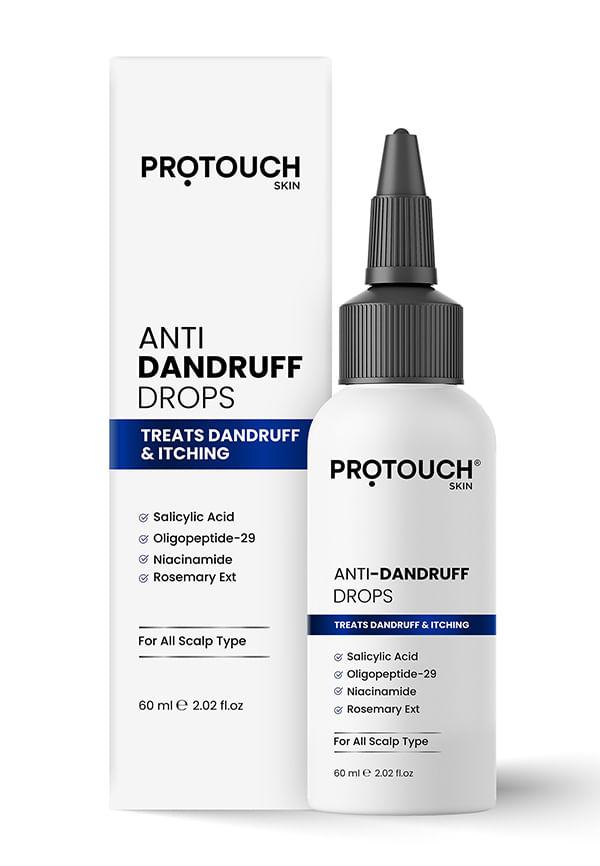
SKIN Anti Dandruff Drops Serum Soothes Itchy, Inflamed Scalp
Your daily routine can definitely impact dandruff. Over-washing can strip your scalp of natural oils, causing irritation and dryness. Under-washing allows oil and product buildup that feeds the fungi. Stress, poor diet, and certain medications can also trigger flare-ups. Even your haircare products might be contributing — harsh chemicals or products that don't suit your scalp type can cause irritation that looks like dandruff.
The most obvious sign is those visible white or yellow flakes in your hair and on your clothes, but dandruff symptoms go beyond just the flakes. An itchy scalp is usually the first thing people notice — that persistent urge to scratch that never quite goes away. The itching can range from mild irritation to intense discomfort that disrupts your daily activities.
You might also notice your scalp feeling tight, especially after washing, or see some redness in areas where you scratch frequently. The flakes themselves can vary in size and texture — some are fine and powdery, while others are larger and more oily. They tend to be most noticeable on dark clothing or when you run your fingers through your hair.
It's important to distinguish dandruff from other scalp conditions like psoriasis or eczema. Psoriasis typically produces thicker, silvery scales and well-defined patches, while eczema might cause more widespread redness and inflammation. If you're seeing thick, crusty patches, significant redness, or if the condition spreads beyond your scalp, it's worth getting a professional opinion.
The good news about dandruff treatment is that most cases respond well to the right approach. The key is finding products that target the underlying cause rather than just masking the symptoms. Anti-dandruff shampoos are usually the first line of defence, but not all are created equal.
Look for shampoos containing ketoconazole, which directly targets the Malassezia fungus. Zinc pyrithione is another powerhouse ingredient that reduces fungal growth and has anti-inflammatory properties. Selenium sulfide helps slow down skin cell turnover, while salicylic acid acts like a gentle exfoliant to remove existing flakes. For severe cases, coal tar shampoos can be effective, though they're stronger and might not be suitable for daily use.
Here's where most people go wrong — they don't leave the shampoo on long enough. These medicated ingredients need time to work, so massage the shampoo into your scalp and leave it for 5-10 minutes before rinsing. Start with using an anti-dandruff shampoo 2-3 times a week, then adjust based on how your scalp responds. Some people find rotating between different active ingredients prevents their scalp from becoming resistant to treatment.
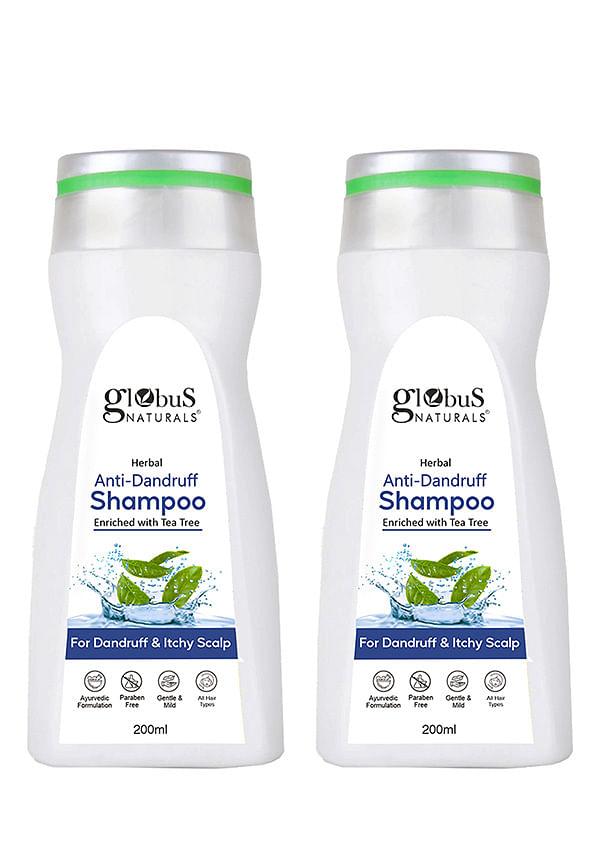
Anti Dandruff Shampoo, For Dandruff and Itchy Scalp
While medicated shampoos are usually most effective, some natural approaches can help as supplementary treatments. Tea tree oil has antifungal properties, though it should always be diluted before use. Apple cider vinegar rinses might help restore scalp pH balance. However, these natural remedies work best for mild cases and shouldn't replace proven treatments for persistent dandruff.
Let's be honest — dandruff isn't something you "cure" permanently like a cold. It's more like a chronic condition that you manage effectively. The Malassezia fungus is a normal part of your scalp's ecosystem, so the goal is keeping it balanced rather than eliminating it completely.
Most people find that once they identify the right treatment approach, they can keep dandruff under control with regular maintenance. This might mean using a medicated shampoo once or twice a week even after symptoms clear up, or switching up your routine based on seasonal changes. Winter often requires more intensive treatment due to dry air and indoor heating, while summer humidity might allow you to scale back.
Lifestyle factors play a supporting role in long-term management. Managing stress, eating a balanced diet rich in zinc and B vitamins, and maintaining consistent haircare habits all contribute to scalp health. Some people find that certain foods or stress levels trigger flare-ups, so paying attention to these patterns can help you stay ahead of symptoms.
While dandruff primarily affects your scalp, it can indirectly impact your hair health too. Constant scratching can damage hair follicles and lead to temporary hair thinning in affected areas. The inflammation associated with severe dandruff might also affect the hair growth cycle, though this usually resolves once the condition is properly managed.
The flakes themselves don't directly damage your hair, but the treatments you use might. Some medicated shampoos can be drying, so it's important to follow up with a good conditioner on your hair lengths and ends. Avoid applying conditioner directly to your scalp, as this can contribute to buildup and potentially worsen dandruff.
If you're dealing with both dandruff and hair concerns, focus on treating the scalp condition first. A healthy scalp is the foundation for healthy hair, and most hair issues related to dandruff improve once the underlying scalp condition is under control.
Dandruff flakes are primarily composed of dead skin cells that have clumped together with scalp oils. These clusters form when your scalp sheds skin cells faster than normal, creating the visible white or yellowish flakes you see in your hair and on your shoulders.

Intensive Scalp Repair Anti Dandruff Shampoo
Dandruff itself isn't a fungus, but it's often caused by an overgrowth of Malassezia, a type of yeast that naturally lives on your scalp. This yeast feeds on scalp oils and can trigger the inflammatory response that leads to excessive skin cell shedding and flaking.
Most people see improvement within 2-4 weeks of consistent treatment with the right anti-dandruff shampoo. However, it can take up to 6-8 weeks to see full results, especially for stubborn cases. The key is sticking with your treatment routine even after symptoms start improving.
No, dandruff is not contagious. You can't catch it from someone else or pass it on through sharing combs, hats, or pillows. Dandruff is caused by individual factors like scalp sensitivity, oil production, and genetic predisposition, not by infectious agents that spread between people.
Winter weather creates the perfect storm for dandruff flare-ups. Cold air and indoor heating reduce humidity, leading to dry scalp conditions. Hot showers, which many people take more frequently in winter, can also strip natural oils and irritate the scalp. The combination of dry air and potential over-washing often worsens existing dandruff or triggers new cases.
Consider seeing a dermatologist if over-the-counter treatments haven't helped after 6-8 weeks, if you're experiencing significant redness or inflammation, if the condition spreads beyond your scalp, or if you develop thick, crusty patches. These could be signs of a more serious scalp condition that needs professional treatment.
Understanding what dandruff really is — and what it isn't — is the first step towards managing it effectively. It's a common, manageable scalp condition that responds well to the right treatment approach. The key is finding products with proven active ingredients, using them correctly, and being patient with the process.
Remember that everyone's scalp is different, so what works for your friend might not work for you. Don't be afraid to try different approaches or consult a dermatologist if over-the-counter options aren't cutting it. With the right strategy, you can keep dandruff under control and get back to worry-free hair days.
If you're looking to explore different anti-dandruff products without committing to full-size bottles, Smytten offers trial-size versions of many effective treatments from trusted brands. It's a smart way to test what works for your specific scalp needs before investing in larger products — because finding your perfect dandruff solution shouldn't involve guesswork or wasted money.
