What is Hair Conditioner? Your Questions Answered

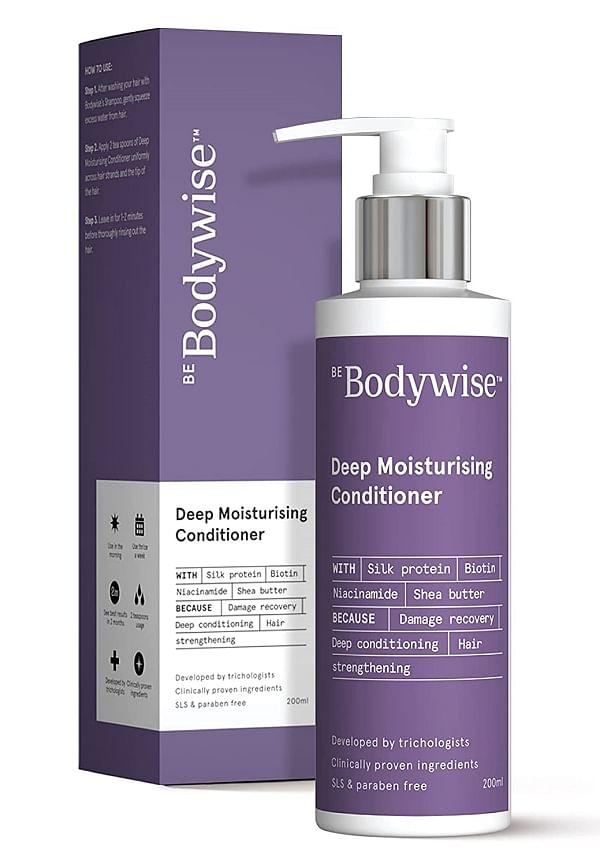
Deep Moisturising Conditioner
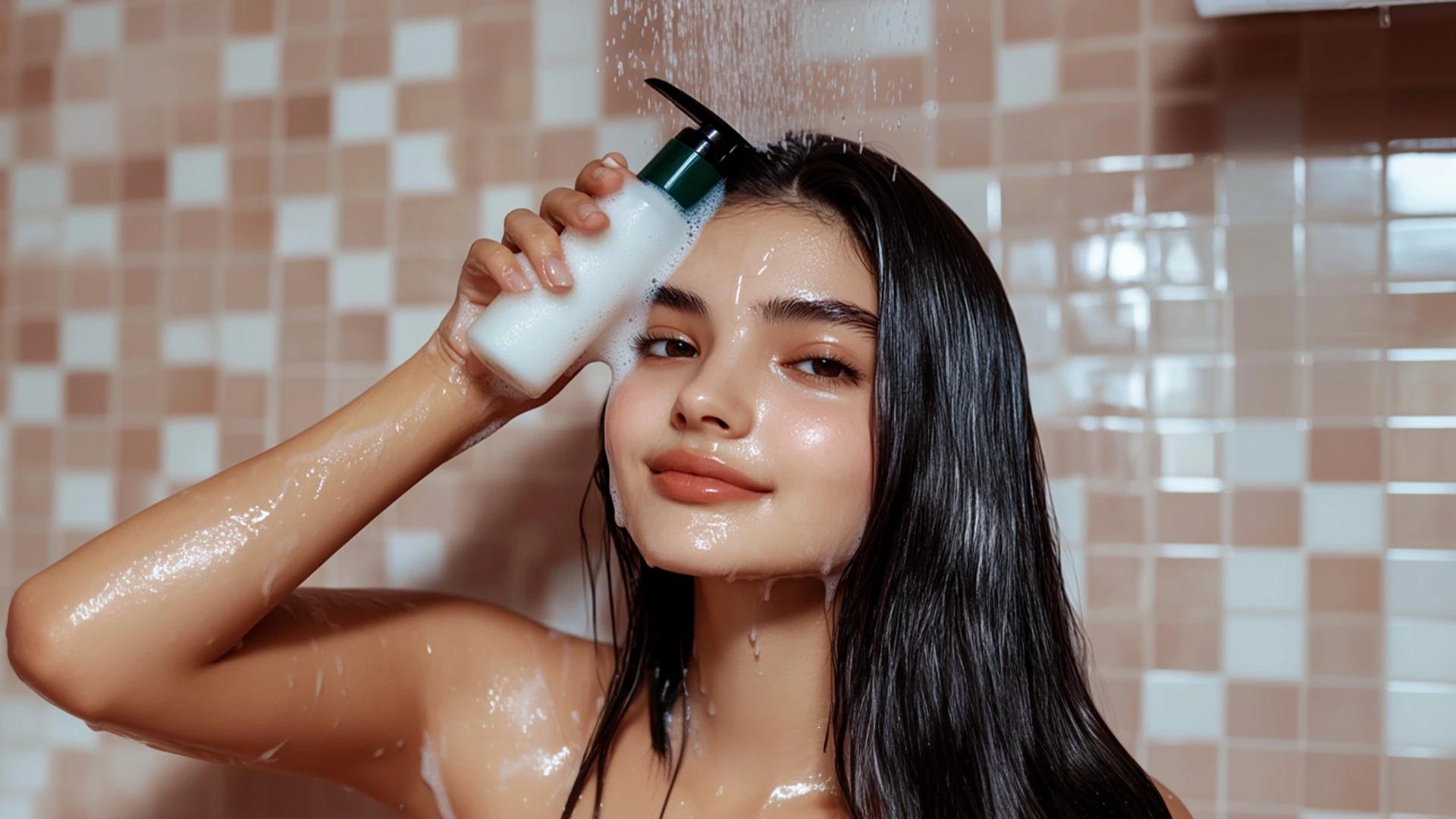
You know that moment when you step out of the shower and your hair feels like straw? Yeah, we've all been there. You've shampooed away the day's grime, but somehow your strands feel drier than before. That's where conditioner swoops in like the hair hero it is. But what is conditioner, really? And why does everyone from your mum to your favourite beauty influencer swear by it? Let's dive into the world of hair conditioning and sort out everything you need to know about this bathroom essential.
So, what is conditioner exactly? Think of it as your hair's best mate after a tough day. Hair conditioner is a moisturising cosmetic product that you apply after shampooing to restore the moisture and smoothness that cleansing agents strip away. While shampoo focuses on your scalp and roots to remove dirt and oil, conditioner works its magic on your hair strands themselves.
The core function of any conditioner is pretty straightforward: it replenishes moisture, smooths down those lifted hair cuticles, and makes your hair more manageable. When you shampoo, the cleansing agents can be a bit harsh on your hair's natural protective layer. Conditioner steps in to restore balance, bringing your hair's pH back to its happy place and creating a protective coating around each strand.
Real talk – the difference between shampoo and conditioner is like the difference between soap and moisturiser for your skin. One cleanses, the other nourishes. Your scalp needs the deep clean that shampoo provides, but your hair lengths and ends need the TLC that only conditioner can give. That's why most hair experts recommend focusing shampoo on your roots and conditioner on your mid-lengths to ends.
Ever wondered what's actually happening when you slather on that creamy goodness? The science behind conditioner is pretty fascinating. Most conditioners contain cationic surfactants – fancy words for positively charged molecules that are attracted to the negatively charged damaged areas of your hair. It's like a magnet situation, but for your strands.
Conditioner ingredients typically include silicones for shine and protection, oils for deep moisture, and emollients that smooth the hair cuticle. When you apply conditioner, these ingredients work together to fill in microscopic gaps in damaged hair cuticles, creating a smoother surface that reflects light better. That's why conditioned hair looks shinier and feels softer.
The pH balance restoration is another key player here. Your hair's natural pH is slightly acidic, around 4.5 to 5.5. Many shampoos can push this higher, leaving cuticles raised and rough. Conditioner brings the pH back down, encouraging those cuticles to lie flat against the hair shaft. This reduces friction between strands, prevents tangles, and gives you that smooth, glossy finish we're all after.
What is conditioner made of varies by brand and type, but you'll commonly find ingredients like cetyl alcohol (a fatty alcohol that conditions), dimethicone (a silicone for smoothness), and various proteins and oils depending on the formula's specific purpose.
Not all conditioners are created equal, and finding your perfect match depends on your hair's specific needs. Let's break down the main types you'll encounter on your haircare journey.
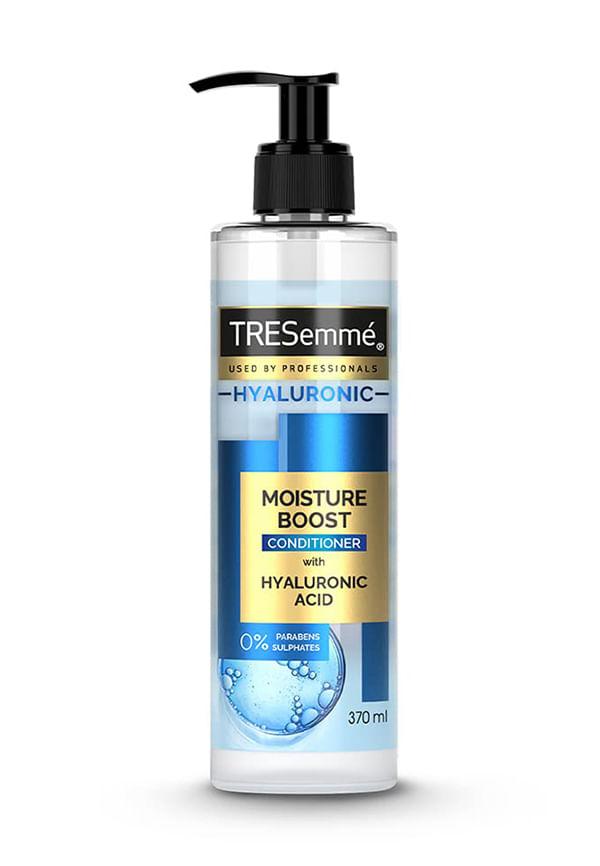
Pro Pure Moisture Boost Conditioner, with Aloe Essence
These are your everyday heroes – the traditional conditioners you apply after shampooing and rinse out after a few minutes. They're designed for regular use and provide basic moisture and detangling benefits without weighing your hair down.
Leave in conditioner is the multitasker of the haircare world. These lightweight formulas stay in your hair all day, providing ongoing hydration, heat protection, and detangling benefits. They're particularly brilliant for curly or dry hair that needs extra moisture throughout the day.
When your hair needs some serious TLC, deep conditioner is your go-to. These intensive treatments are left on for 20-30 minutes and contain higher concentrations of moisturising and repairing ingredients. Think of them as a spa day for your strands.
Natural conditioner formulas use plant-based ingredients like coconut oil, shea butter, and botanical extracts. They're worth considering if you prefer cleaner beauty products or have sensitive skin that reacts to synthetic ingredients.
Conditioner for dry hair typically contains richer oils and butters, while fine hair benefits from lightweight, volumising formulas. There are also co-washing products that combine gentle cleansing with conditioning – essentially answering the question "what is conditioner in shampoo" by creating hybrid products.
Let's be real about conditioner benefits – they go way beyond just making your hair feel nice in the shower. Regular conditioning creates both immediate improvements and long-term hair health benefits that you'll definitely notice.
The most obvious benefit is frizz reduction and static control. Conditioned hair has smoother cuticles, which means less friction and fewer flyaways. You'll also notice enhanced shine because those smooth cuticles reflect light more effectively. Improved detangling is another game-changer – conditioned hair is much easier to comb through, whether wet or dry.
Long-term benefits include split end prevention and breakage protection. By keeping your hair moisturised and reducing friction, conditioner helps prevent the kind of damage that leads to breakage and split ends. If you colour your hair, conditioning also helps protect that investment by sealing the cuticle and preventing colour molecules from washing out too quickly.
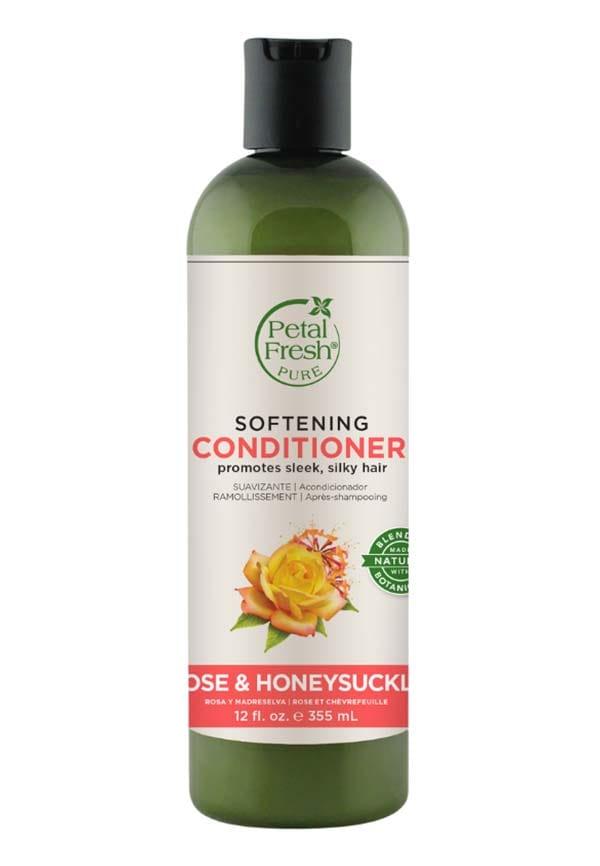
Softening Rose & Honeysuckle Conditioner
Knowing how to use conditioner properly can make the difference between okay hair and amazing hair. The technique matters more than you might think, and getting it right isn't complicated once you know the basics.
Start by applying conditioner to damp, freshly shampooed hair, focusing on the mid-lengths to ends. Avoid the scalp area unless you're using a specific scalp-conditioning product – most conditioners can make your roots look greasy if applied too close to the scalp. Use your fingers or a wide-tooth comb to distribute the product evenly through your hair.
Timing varies by conditioner type. Regular rinse-out conditioners typically need 1-3 minutes to work their magic, while deep conditioning treatments might need 20-30 minutes. Leave in conditioner, obviously, stays put all day. For most people, daily conditioning works well, but fine hair might benefit from every other day to avoid weighing down the strands.
When rinsing, use cool water if possible – it helps seal the cuticle and lock in the conditioning benefits. Make sure to rinse thoroughly unless you're using a leave-in formula. Some people with very dry hair prefer to leave a tiny bit of rinse-out conditioner in their hair, but this technique works better with lightweight formulas.
Finding the best conditioner for your hair is like finding the perfect pair of jeans – it might take some trial and error, but when you find the right one, you'll know. Your hair type, condition, and lifestyle all play a role in determining what works best.
Fine hair benefits from lightweight, volumising conditioners that won't weigh strands down. Look for formulas that say "weightless" or "volumising" and avoid heavy oils and butters. Thick or coarse hair, on the other hand, can handle richer formulations with ingredients like shea butter, argan oil, and ceramides.
Curly hair typically needs extra moisture, so hydrating conditioners with curl-enhancing ingredients work well. Color-treated hair benefits from conditioners with UV protection and colour-safe formulas. If your hair is damaged from heat styling or chemical treatments, look for protein-rebuilding conditioners that help repair the hair structure.
Ingredient-wise, avoid harsh sulfates and opt for conditioners with beneficial components like natural oils, proteins, and vitamins. Reading ingredient lists might seem tedious, but understanding what works for your hair type makes shopping so much easier.
Conditioner restores moisture to your hair after shampooing, smooths the hair cuticle, and creates a protective coating around each strand. It helps reduce frizz, prevents tangles, adds shine, and makes your hair more manageable. Think of it as a moisturiser for your hair – it replenishes what cleansing removes and protects against future damage.
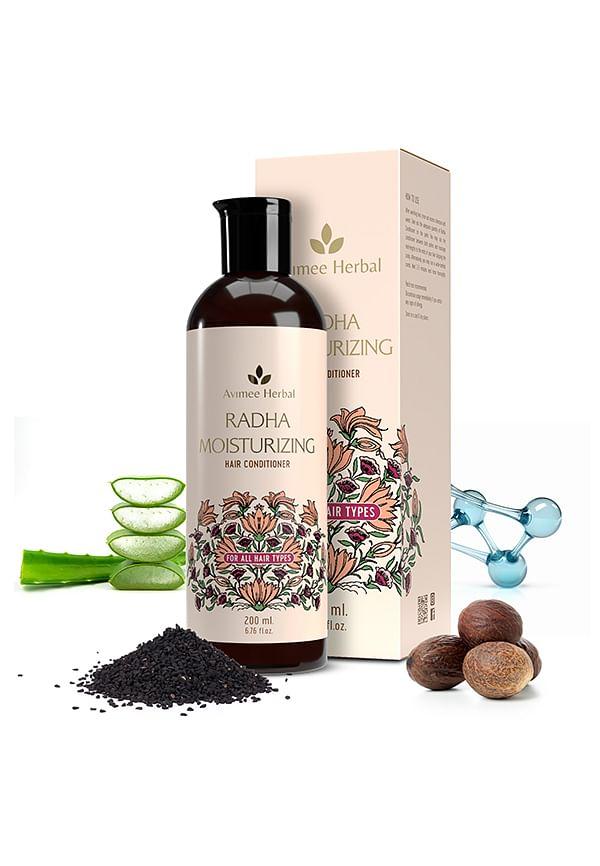
Radha Moisturizing Hair Conditioner
Unless you have extremely oily hair or a specific scalp condition that requires avoiding conditioning products, most hair types benefit from regular conditioning. Even fine hair can benefit from lightweight conditioners. The key is choosing the right type and using proper application techniques for your specific hair needs.
Most hair types can handle daily conditioning, especially if you wash your hair frequently. However, fine hair might benefit from conditioning every other day to avoid weighing down the strands. Dry, damaged, or chemically treated hair often needs daily conditioning to maintain moisture levels.
Yes, this is called co-washing (conditioner-only washing). Some conditioners contain gentle cleansing agents that can remove light buildup while conditioning. This method works particularly well for dry, curly, or chemically treated hair that doesn't need frequent deep cleansing. However, you'll still need occasional shampooing to remove product buildup.
Skipping conditioner regularly can lead to dry, tangled, frizzy hair that's prone to breakage. Your hair cuticles remain raised after shampooing, making strands rough and difficult to manage. Over time, this can result in increased split ends, breakage, and overall hair damage, especially if you heat style or chemically treat your hair.
Regular rinse-out conditioners need 1-3 minutes to work effectively. Deep conditioning treatments typically require 20-30 minutes for maximum benefit. Leave-in conditioners stay in your hair all day. Always follow the specific instructions on your product, as different formulations have different optimal timing.
Understanding what conditioner is and how it works helps you make better choices for your hair's health and appearance. Whether you're dealing with dryness, frizz, or just want shinier, more manageable hair, the right conditioning routine can make a significant difference. Remember that consistency matters more than expensive products – regular use of a conditioner suited to your hair type will give you better results than sporadic use of premium formulas.
The key is finding what works for your specific hair needs and sticking with it long enough to see results. Your hair's condition can change with seasons, hormones, and lifestyle factors, so don't be afraid to adjust your routine as needed. Not sure which conditioner format works best for your hair? Smytten also offers trial-size versions of many conditioning products – a smart way to test different formulas before committing to full bottles.
