What Does Hair Serum Do? Unveiling Its Benefits & Uses
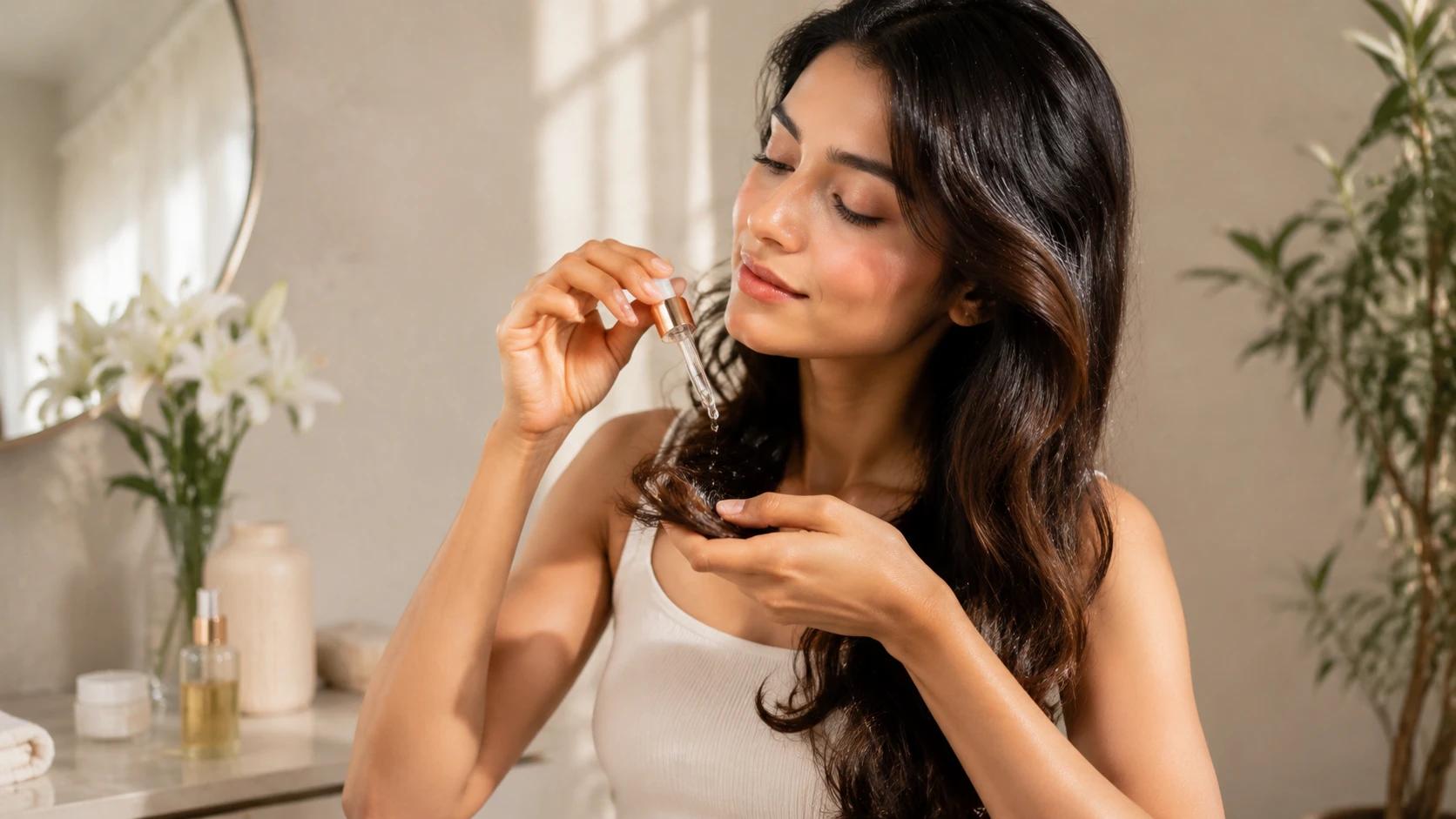

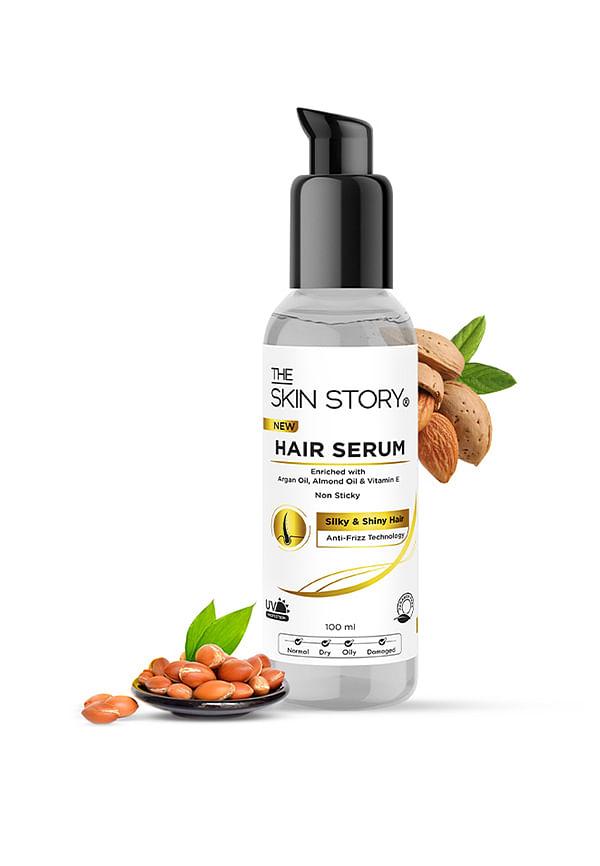
Hair Serum With Anti Frizz Technology And UV Protection, Non-Sticky For Silky Hair
Ever stood in front of the mirror, staring at hair that looks like it's having its own personal rebellion? You're not alone. Whether it's frizz that won't quit, dryness that makes your strands feel like straw, or just that general lack of shine that leaves you feeling meh about your hair game, we've all been there. Enter hair serum—that sleek little bottle that promises to be your hair's new best friend. But what does hair serum actually do, and is it worth adding to your routine? Let's break it down.
Think of hair serum as your hair's personal bodyguard. It's a lightweight, leave-in treatment that creates a protective coating around each strand. Unlike heavy oils or thick masks, serums are designed to penetrate quickly without weighing your hair down. The science is pretty clever—these formulas contain molecules small enough to slip into the hair cuticle while also forming a barrier on the surface.
What makes serums different from your regular conditioner or hair oil? It's all about the molecular structure. Hair care serums are typically silicone-based or contain lightweight oils that don't just sit on top of your hair—they actually work to smooth the cuticle and lock in moisture. This creates that glossy, healthy look we're all after while protecting against daily damage from heat styling, pollution, and even just brushing.
The magic happens at the cuticle level. When your hair cuticles are raised or damaged, light scatters instead of reflecting evenly, making hair look dull and feel rough. Serums smooth these cuticles down, creating a mirror-like surface that reflects light beautifully. Plus, they form a protective shield that helps prevent future damage from environmental stressors.
Real talk—hair serum benefits go way beyond just making your hair look shinier (though that's definitely a win). These little miracle workers are multitaskers that can address several hair concerns at once. Let's dive into what they can actually do for your strands.
First up, frizz control. If humidity is your hair's worst enemy, serums create a barrier that locks moisture in and keeps excess humidity out. No more stepping outside and watching your carefully styled hair transform into a cloud. Heat protection is another major win—quality serums can protect your hair from styling tools up to 230°C, which is crucial if you're a regular user of straighteners or curling irons.
Then there's the instant gratification factor. Benefits of hair serum include immediate smoothness and shine that you can see and feel right after application. Your hair becomes more manageable, tangles less, and feels silkier to the touch. For those dealing with split ends, serums can temporarily seal them, making hair look healthier while you work on trimming and repairing the damage.
Colour-treated hair gets special love from serums too. The protective coating helps prevent colour from fading due to UV exposure and washing, keeping your salon investment looking fresh longer. And if you live in a polluted city (which, let's be honest, most of us do), serums act as a shield against environmental toxins that can make hair look dull and lifeless.
Hair serum for frizzy hair works by creating a moisture barrier that prevents humidity from penetrating the hair shaft. If your hair tends to puff up at the first sign of moisture in the air, a good anti-frizz serum can be a game-changer. Look for formulas with silicones like dimethicone or natural oils like argan oil.
Hair serum for dry hair focuses on nourishment and moisture retention. These formulas often contain heavier oils and hydrating ingredients that help restore softness and flexibility to brittle strands. The key is finding one that moisturises without making your hair look greasy.
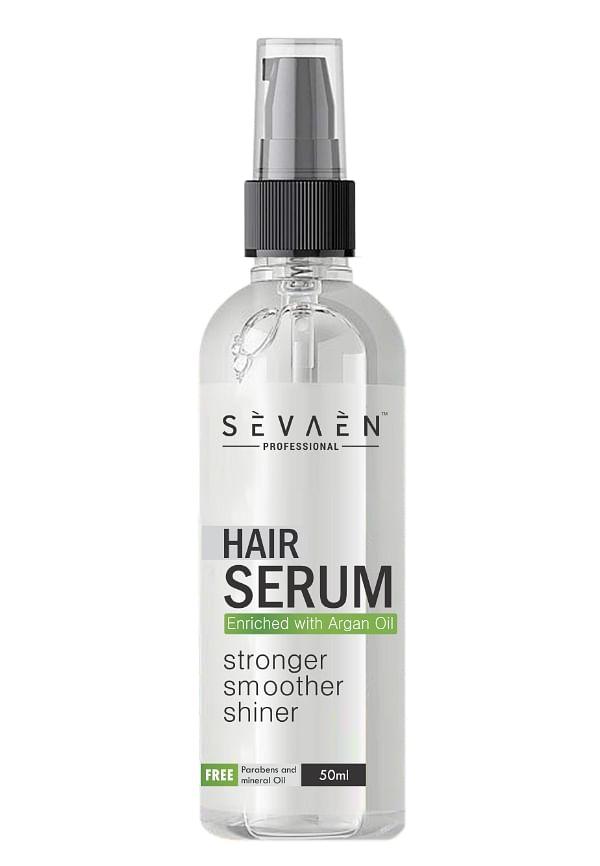
Hair Serum For Silky & Smooth Hair, Tames Frizzy Hair
Fine hair needs special consideration. Heavy serums can weigh down delicate strands, so lightweight, silicone-based formulas work best. Apply only to the mid-lengths and ends, avoiding the roots entirely to prevent that flat, oily look.
Not all serums are created equal, and understanding the different types can help you choose the right one for your goals. There are essentially two main categories: styling serums and growth serums, each designed for completely different purposes.
These are your classic hair serums—the ones that make your hair look like you just stepped out of a salon. Styling serums focus on immediate cosmetic benefits like shine, smoothness, and heat protection. They're typically applied to the mid-lengths and ends of your hair and work instantly to improve texture and appearance.
Most styling serums contain silicones like cyclopentasiloxane or dimethicone, which create that smooth, glossy finish. Some also include natural oils for added nourishment. These are perfect for daily use and work well under or over other styling products.
Hair serum for hair growth is a completely different beast. These are applied directly to the scalp and contain active ingredients designed to stimulate hair follicles and improve scalp health. Think of them as skincare for your scalp rather than a styling product.
Growth serums often contain peptides, vitamins, botanical extracts, and sometimes even clinically proven ingredients like minoxidil. They're typically used consistently over months to see results, and the focus is on creating an optimal environment for healthy hair growth rather than immediate cosmetic benefits.
Knowing how to use hair serum properly can make the difference between gorgeous, salon-worthy hair and a greasy, weighed-down mess. The application method varies depending on the type of serum you're using, so let's break it down.
For styling serums, start with clean, towel-dried hair. Take 1-2 pumps (or drops) of serum—seriously, a little goes a long way. Rub it between your palms to warm it up, then gently press and smooth it through the mid-lengths and ends of your hair. Avoid the roots unless you want that slicked-back look.
You can also apply styling serums to dry hair for touch-ups throughout the day. This works especially well for taming flyaways or adding extra shine before a night out. Just use even less product—half a pump is usually enough for dry application.
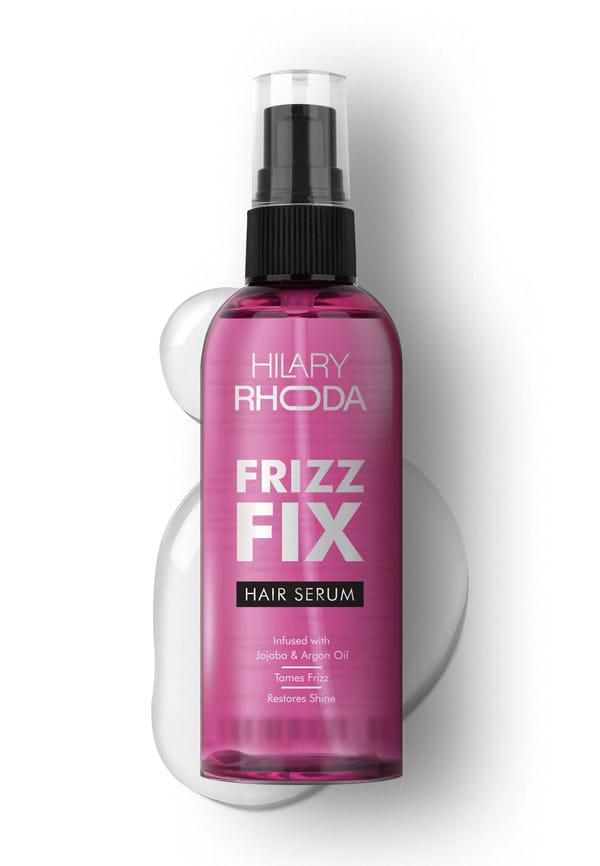
Frizz Fix Hair Serum
Growth serums follow a different rule book entirely. Apply them to a clean, dry scalp using the dropper or applicator tip. Part your hair into sections and apply the serum directly to the scalp, then massage gently with your fingertips to improve circulation. Don't rinse it out—these serums need time to work their magic.
The biggest mistake people make? Using too much product. More isn't better with serums—it's just greasier. Start with less than you think you need and build up if necessary. Your hair should feel smooth and look shiny, not slick or heavy.
Understanding hair serum ingredients can help you choose the right formula for your specific needs. Different ingredients target different concerns, so knowing what to look for is key to finding your perfect match.
Silicones are the workhorses of most styling serums. Dimethicone creates a smooth, protective coating that adds shine and reduces frizz. Cyclopentasiloxane is lighter and evaporates quickly, leaving behind a silky finish without heaviness. These ingredients are particularly effective for heat protection and humidity resistance.
Natural oils bring nourishment to the party. Argan oil is rich in vitamin E and fatty acids that help repair damage and add moisture. Jojoba oil closely mimics your scalp's natural sebum, making it great for all hair types. Coconut oil penetrates the hair shaft to strengthen from within, though it can be heavy for fine hair.
Protein ingredients like keratin and silk proteins help fill in gaps in damaged hair cuticles, temporarily strengthening weak strands. These are especially beneficial for chemically treated or heat-damaged hair that needs extra support.
For growth serums, look for active ingredients like peptides that stimulate follicles, vitamins that nourish the scalp, and botanical extracts like saw palmetto or caffeine that may help with hair thinning. These ingredients work over time to improve the overall health of your scalp and hair follicles.
Finding the best hair serum for your specific situation isn't about following trends—it's about understanding your hair type, concerns, and lifestyle. Start by honestly assessing what you want to achieve and what your hair actually needs.
If you have fine hair, lightweight formulas are non-negotiable. Look for serums that specifically mention being suitable for fine hair or contain lighter silicones. Thick, curly hair can handle heavier formulations with oils and richer ingredients that provide more moisture and frizz control.
Consider your main hair concerns. Dealing with heat damage? Prioritise serums with thermal protection. Struggling with dullness? Look for shine-enhancing ingredients. Worried about thinning? A growth serum might be worth exploring alongside your styling routine.
Your lifestyle matters too. If you wash your hair daily, you might prefer a lighter serum that won't build up. If you style with heat tools regularly, heat protection should be your top priority. And if you're dealing with specific scalp issues, a targeted growth serum might be more beneficial than a general styling serum.
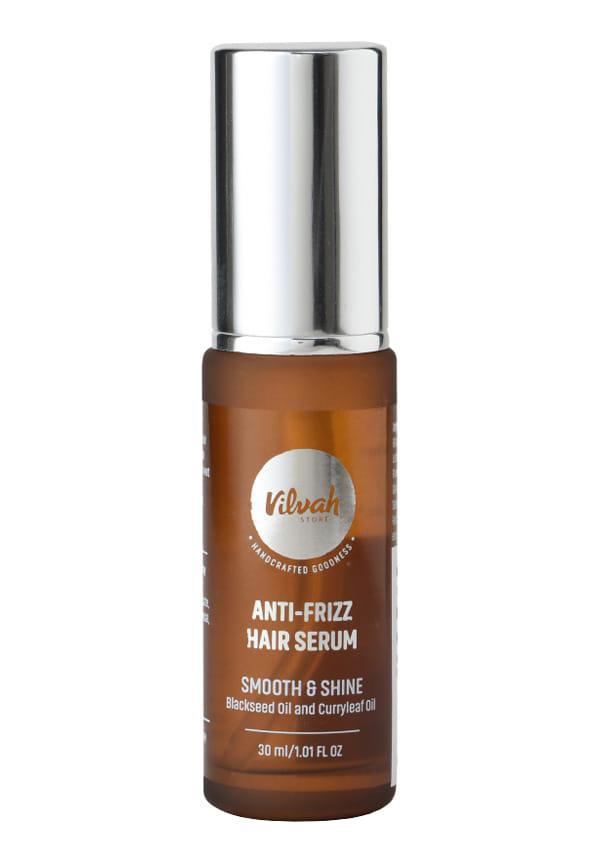
Anti-Frizz Hair Serum
Budget is also a factor, but remember that serums last a long time since you use so little per application. Sometimes investing in a quality formula that works well for your hair type is more economical than constantly switching between cheaper options that don't deliver results.
Daily use depends on your hair type and the specific serum. Styling serums can generally be used daily, especially if you heat style regularly or live in a humid climate. However, if you have fine hair or notice buildup, you might want to use it every other day or just on styling days. Growth serums are typically designed for daily use and work best with consistent application.
Hair serum isn't essential for everyone, but it can be incredibly beneficial if you deal with frizz, dryness, heat styling, or want extra shine and protection. If your hair is naturally smooth, healthy, and you don't use heat tools, you might not need a styling serum. However, if you're experiencing hair thinning or scalp issues, a growth serum could be worth considering.
For styling serums, damp hair is usually best as it helps distribute the product evenly and provides better heat protection if you're blow-drying. You can also apply to dry hair for touch-ups or added shine. Growth serums should be applied to a clean, dry scalp for maximum absorption and effectiveness.
The main drawbacks include potential greasiness if you use too much, product buildup over time, and the ongoing cost. Some people with very fine hair find that even lightweight serums weigh their hair down. Silicone-based serums can also create buildup that requires clarifying shampoos to remove. Additionally, if you have sensitive skin, some ingredients might cause scalp irritation.
Most hair serums are formulated for daily use, but the key is using the right amount and choosing the right formula for your hair type. Fine hair might benefit from every-other-day use, while thick, dry, or damaged hair often needs daily protection and nourishment. Pay attention to how your hair responds and adjust accordingly.
Hair serums can be genuine game-changers when you find the right one for your needs. Whether you're looking to tame frizz, add shine, protect from heat damage, or support hair growth, there's likely a serum that can help. The key is understanding what you want to achieve and choosing ingredients that align with those goals.
Remember, less is more with serums—start with a small amount and build up if needed. Proper application technique matters just as much as the product itself, so take time to learn how to use your serum effectively. And don't expect overnight miracles, especially with growth serums that work gradually over time.
The beauty industry offers countless options, from budget-friendly drugstore finds to luxury salon formulations. Smytten's curated selection includes hair care serums from trusted brands, making it easier to explore different options without committing to full-size products immediately. Not sure which serum suits your hair type? Smytten also offers trial-size versions of many hair care products—a smart way to test before investing in a full bottle.
