What Are Curly Hair Types? Your Ultimate Curl Patterns Guide

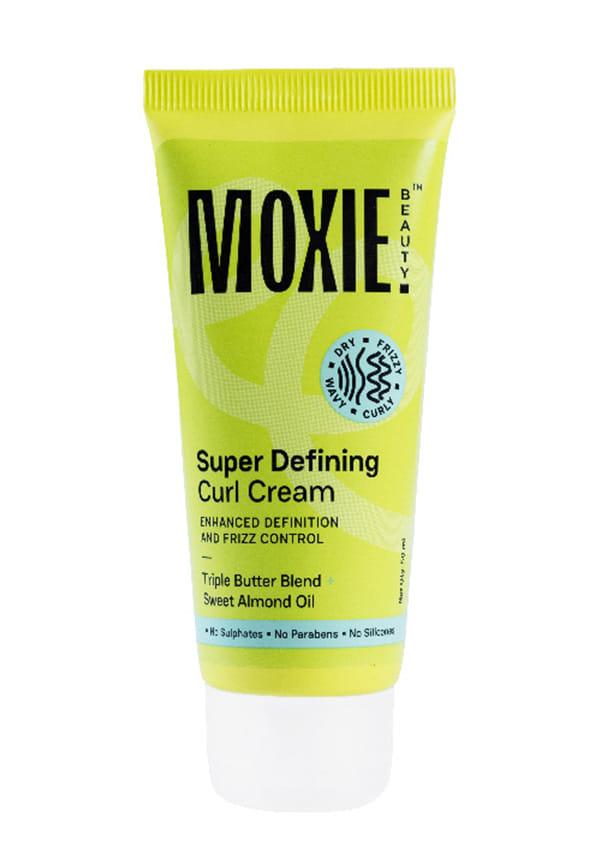 50ml
50mlSuper Defining Curl Cream for Curly Hair
Ever stared at your reflection wondering what exactly your curls are trying to tell you? You're not alone. Understanding what are curly types can feel like decoding a secret language, but once you crack it, everything from product shopping to styling becomes so much clearer. Whether you've got loose waves that barely hold or tight coils that spring back with attitude, knowing your curl pattern is the first step to giving your hair exactly what it craves.
Let's start with the basics. The curly hair types system we use today comes from celebrity hairstylist Andre Walker, who created it back in the 1990s. This system breaks down hair into four main categories, with Types 2, 3, and 4 covering everything from gentle waves to tight coils.
Your curl pattern is determined by the shape of your hair follicle and your genetics. Oval or asymmetrical follicles create curls, while round follicles produce straight hair. The more oval your follicle, the curlier your hair tends to be. Each main type (2, 3, 4) is further divided into subcategories A, B, and C, where A represents the loosest pattern and C the tightest within that type.
Type 2 hair sits right between straight and curly, creating those gorgeous waves that can be both a blessing and a challenge. These wavy hair types often get overlooked in the curly conversation, but they deserve just as much attention and care.
These are your subtle, loose waves that create a gentle S-pattern. 2A hair tends to be fine and can easily fall flat, especially at the roots. It's the most fragile of the wavy types and often struggles with holding curl definition.
More defined than 2A, these waves have a clearer S-pattern and more body. 2B hair typically has medium thickness and can handle slightly heavier products without losing its wave pattern.
The strongest of the wavy types, 2C hair features well-defined waves with some areas that might even spiral into loose curls. This hair type often deals with frizz and can be quite resistant to straightening.
Type 3 hair is what most people picture when they think of curly hair. These natural curls form distinct spirals and corkscrews, each with their own personality and needs.
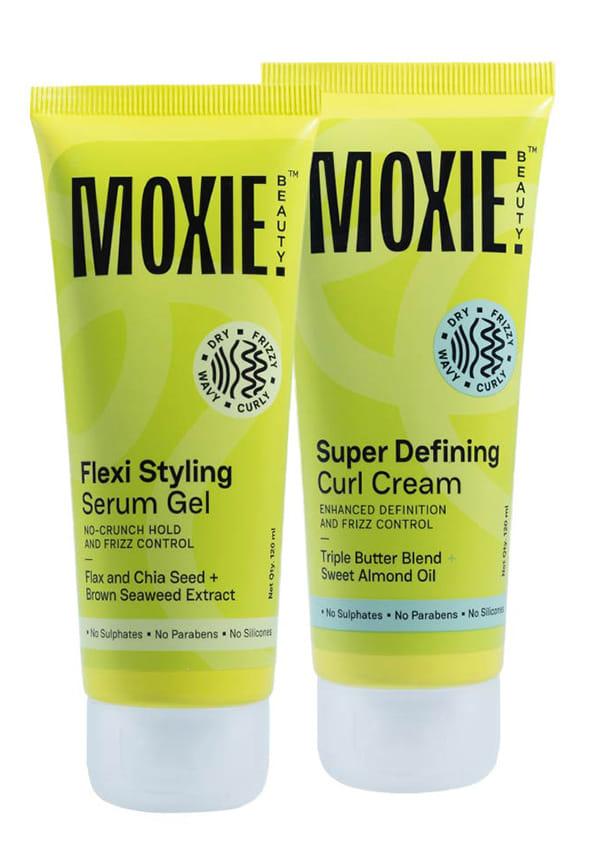 Combo
ComboCurly Vibe Setter Duo - Defining Curl Cream & Styling Serum Gel for Curly Hair
Large, loose spirals that are about the circumference of a piece of chalk. 3A curls tend to have natural shine and are usually the easiest of the curly types to manage. They're bouncy but can lose definition in humidity.
These springy corkscrews are tighter than 3A, roughly the size of a marker. 3B curls have more volume and density, creating that gorgeous full look. They're prone to frizz but hold their shape well when properly moisturised.
Tight corkscrews about the size of a pencil or straw. 3C hair is dense and full, with curls that pack closely together. This curl pattern experiences significant shrinkage and needs plenty of moisture to stay defined.
Type 4 hair represents the tightest curl patterns, often called coily or kinky hair. These coily hair types are incredibly versatile but require specific care to maintain their health and definition.
Soft coils with a visible curl pattern when stretched. 4A hair has more moisture retention than looser curl types but still needs regular hydration. The coils are springy and well-defined when properly cared for.
This pattern has a Z-shape rather than a clear spiral. 4B hair bends at sharp angles and has less defined curl clumps. It's more fragile than 4A and experiences significant shrinkage.
The tightest coil pattern with the most shrinkage. 4C hair appears almost straight when wet but springs into tight coils when dry. It's the most fragile curl type and requires gentle handling and maximum moisture.
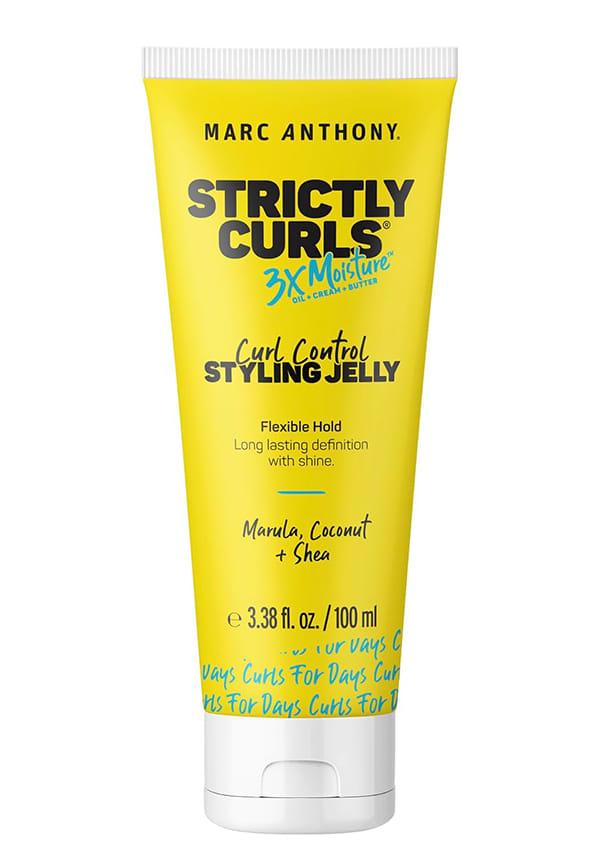 100 ml
Strictly Curls Curl Control Styling jelly
Ready to figure out your curl pattern? The best time to assess your curls is when your hair is clean, conditioned, and free from styling products.
Start by washing your hair with a gentle shampoo and applying a light conditioner. Gently squeeze out excess water with a microfibre towel or cotton t-shirt. Let your hair air dry completely without touching or manipulating it. Once dry, examine the curl pattern in different sections of your head.
Take photos from different angles in natural light. Many people have multiple curl patterns on their head, which is completely normal. The crown might be looser than the back, or one side might curl differently than the other. Focus on the most dominant pattern when determining your overall curl type.
While the basic curl patterns remain the same regardless of gender, there are some interesting differences in how curly hair behaves on men versus women. Hormones play a significant role in curl formation and behaviour.
Men's curly hair often appears coarser due to higher levels of testosterone, which can affect hair thickness and growth patterns. Male curl patterns might seem tighter or more resistant to styling products. Women's curls can change throughout their lives due to hormonal fluctuations during puberty, pregnancy, and menopause.
Styling approaches also differ. Men with curly hair often prefer shorter cuts that work with their natural curl pattern, while women might experiment more with length and styling techniques. Product needs can vary too, with men typically preferring lighter-weight products that don't weigh down shorter curls.
Knowing your curl type is just the beginning. Hair porosity and density are equally important factors that affect how your curls behave and what products work best for you.
Hair porosity refers to how well your hair absorbs and retains moisture. Low porosity hair has tightly closed cuticles that resist moisture, while high porosity hair has gaps in the cuticles that let moisture in and out quickly. Medium porosity hair strikes a balance between the two.
Drop a clean strand of hair into a glass of water. If it floats, you have low porosity. If it sinks slowly, you have medium porosity. If it sinks quickly, you have high porosity hair.
 1 unit
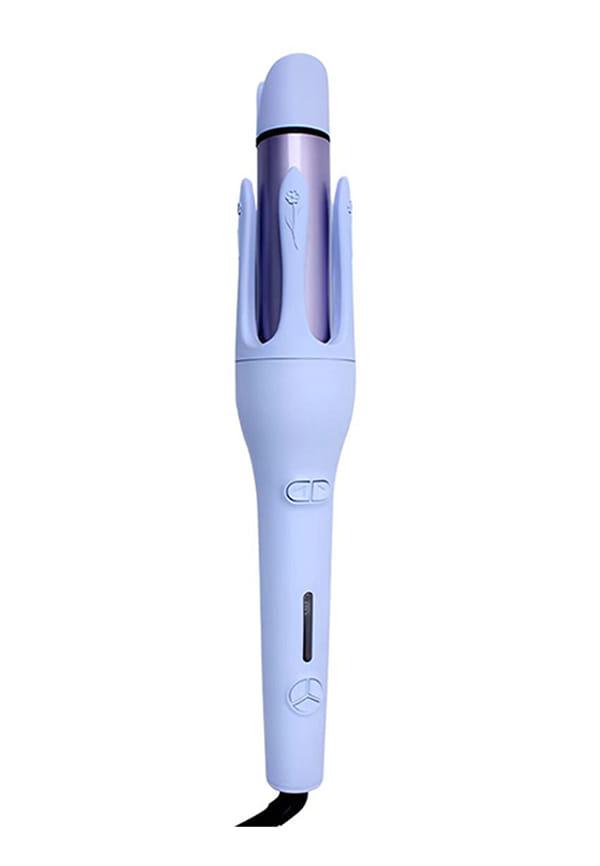
Advanced 2 In 1 Professional Automatic Hair Curler and Straightener
Density refers to how many hair strands you have per square inch. You can have fine 3C curls with low density or coarse 2B waves with high density. This affects volume, styling time, and product application.
Finding the right haircare products for your specific curl type can feel overwhelming with so many options available. This is where platforms like Smytten become incredibly valuable. With curated trial packs from over 1,500 trusted brands, you can explore different curl-specific products without committing to full-size purchases. Whether you're a 2A wave looking for lightweight mousses or a 4C coil needing intensive moisture treatments, trying products in mini sizes helps you discover what works for your unique curl pattern without the financial risk.
These represent different curl patterns within the wavy (Type 2) and curly (Type 3) categories. 2A has loose waves, 2B has more defined waves, 2C has strong waves with some spirals, 3A has large loose spirals, and 3B has springy corkscrews.
Curly hair types range from Type 2 (wavy) to Type 4 (coily), with subcategories A, B, and C representing loose to tight patterns within each type. This gives us 2A-2C for waves, 3A-3C for curls, and 4A-4C for coils.
3C hair has tight corkscrews about the size of a pencil with dense, full curls. 4C hair has the tightest coil pattern with maximum shrinkage and a Z-shaped pattern rather than defined spirals.
Yes, curl patterns can change due to hormones, age, chemical treatments, heat damage, or even seasonal changes. Pregnancy, menopause, and puberty are common times when people notice their curl pattern shifting.
Focus on the most dominant pattern for your overall routine, but adjust techniques for different sections. Use lighter products on looser areas and more moisture on tighter sections. Sectioning during styling helps address each area's specific needs.
Understanding what are curly types is your first step towards healthier, happier curls. Remember that curl typing isn't about fitting into a perfect box—it's about understanding your hair's unique needs and characteristics. Many people have multiple curl patterns, and that's completely normal.
The key is to use this knowledge as a starting point for building a routine that works for you. Whether you're dealing with loose waves that need gentle encouragement or tight coils that crave moisture, knowing your curl type helps you make informed decisions about products and techniques. With platforms offering trial-sized products, you can experiment safely and find your perfect curl care routine without breaking the bank. After all, why settle for 'maybe' when you can Try It All and discover what truly works for your unique curls?
