Ultimate Hair Care Checklist: 10 Steps for Healthy Hair
Published Date - 22 July 2025
3.0|(300 ml)
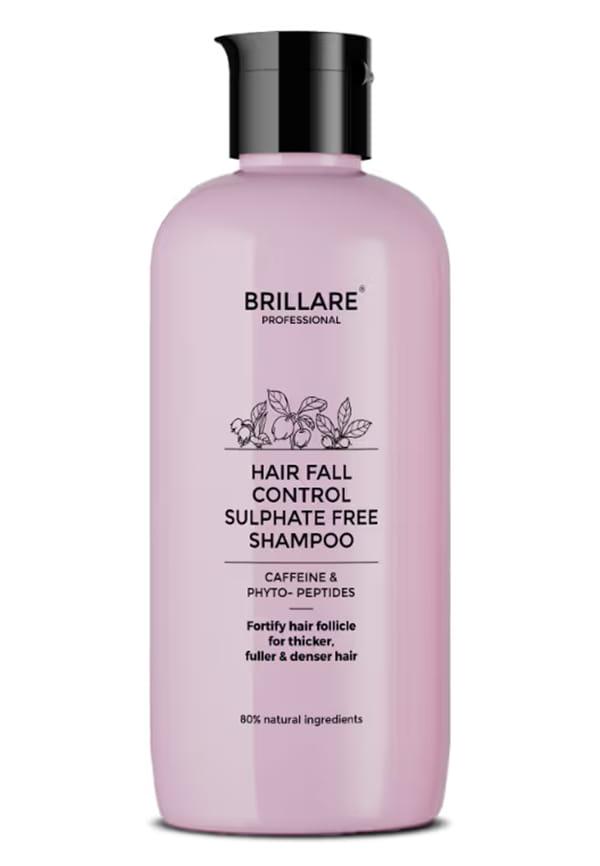
Brillare
Hair Fall Control Sulfate Free Shampoo
₹ 995
Let's be real—taking care of your haircare at home doesn't have to feel like rocket science. Whether you're dealing with dry, oily, or combination hair, having a proper routine makes all the difference. This ultimate 10-step checklist will help you build a personalised haircare routine that actually works for your lifestyle. From proper cleansing techniques to natural hair treatments, we've got everything you need to keep your locks looking their absolute best.
Know Your Hair Type and Needs
Before diving into any routine, you need to know what you're working with. Understanding your hair type is the foundation of effective haircare at home. Is your hair straight, wavy, curly, or coily? Does it tend to be oily at the roots but dry at the ends? Maybe it's fine and lacks volume, or thick and hard to manage.
Each hair type has its own set of needs. Fine hair might benefit from lightweight products that won't weigh it down, while thick, coarse hair often craves heavier moisturisers. Oily hair types need gentle cleansing without over-stripping, and dry hair requires extra hydration and protection. Once you've figured out your hair's personality, everything else becomes so much easier to navigate.
The Ultimate 10-Step Haircare Checklist
Now for the good stuff—your complete roadmap to healthy hair. These ten steps cover everything from basic cleansing to advanced treatments, giving you a comprehensive approach to haircare at home.
Step 1: Proper Cleansing Techniques
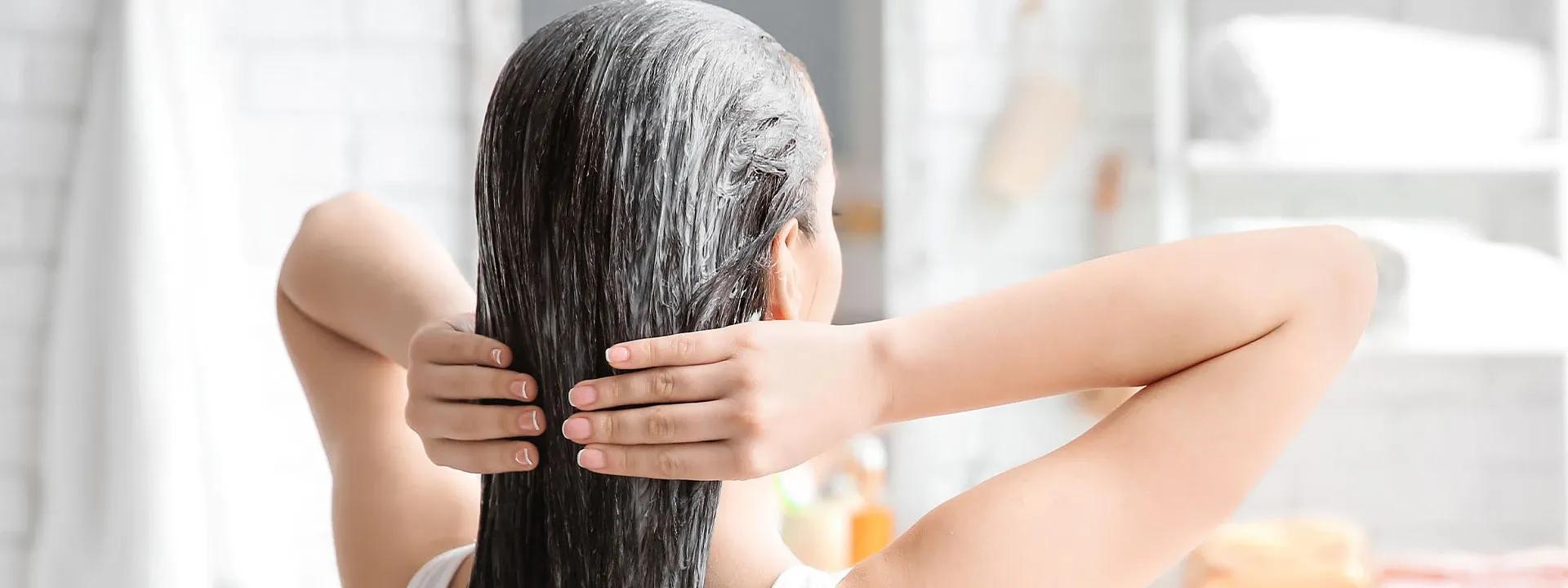
Start with the basics—washing your hair the right way. Find your kind of shampoo that actually gets your hair. If you have oily hair, look for clarifying formulas. Dry hair benefits from moisturising shampoos. Focus the shampoo on your scalp, not the lengths of your hair. Massage gently with your fingertips (never your nails) to avoid irritation and stimulate blood circulation.
Step 2: Conditioning for Moisture and Shine
Conditioner is your hair's bestie. Apply it from mid-length to ends, avoiding the roots unless your hair is extremely dry. Leave it on for 2-3 minutes to let it work its magic. For extra benefits, use a wide-tooth comb to distribute the product evenly while it's still in your hair.
Once or twice a week, treat your hair to some extra TLC with deep conditioning methods. You can buy ready-made masks or create DIY hair masks using ingredients from your kitchen. Mix honey and olive oil for dry hair, or try a banana and egg mask for added protein. Leave these treatments on for 15-20 minutes before rinsing thoroughly. This might just become your new fave step in your routine!
Step 4: Scalp Care Tips
A healthy scalp equals healthy hair—it's that simple. Work scalp massage into your routine using your fingertips or a scalp massager. This boosts blood circulation and can help with hair growth. Once a week, gently exfoliate your scalp with a scrub or a mixture of brown sugar and coconut oil to remove buildup.
Step 5: Hair Oiling Benefits and Techniques
Hair oiling benefits are numerous—from adding moisture to strengthening your strands. Coconut oil works well for most hair types, while argan oil is perfect for fine hair. Apply oil to damp hair for better absorption, focusing on the mid-lengths and ends. Leave it on for at least 30 minutes (or overnight if you can) before washing.
Step 6: Protein Treatments for Hair Strength
Your hair needs protein to stay strong and resilient. Protein treatments for hair can be as simple as a DIY egg mask or a store-bought treatment. Generally, once a month works for healthy hair, but damaged hair might benefit from more frequent treatments. Signs you need protein include limp, stretchy hair that breaks easily.
Step 7: Hair Moisturising Techniques
Moisture is everything when it comes to healthy hair. After washing, apply a leave-in conditioner or hair serum to damp hair. For extremely dry hair treatment, try the "LOC" method—liquid (water or leave-in), oil, then cream. This layering technique helps lock in moisture and keeps your hair hydrated longer.
Step 8: Split End Prevention and Management
4.4|(200 ml)
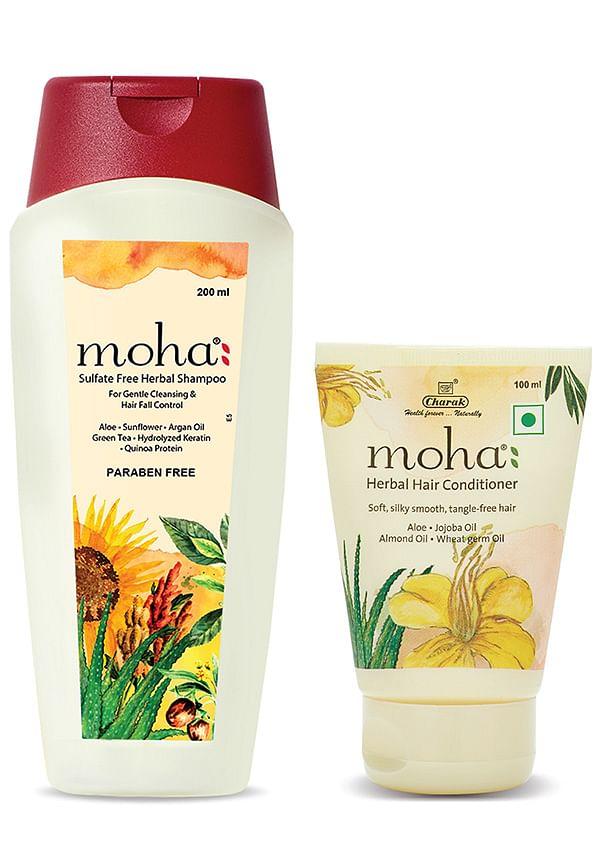
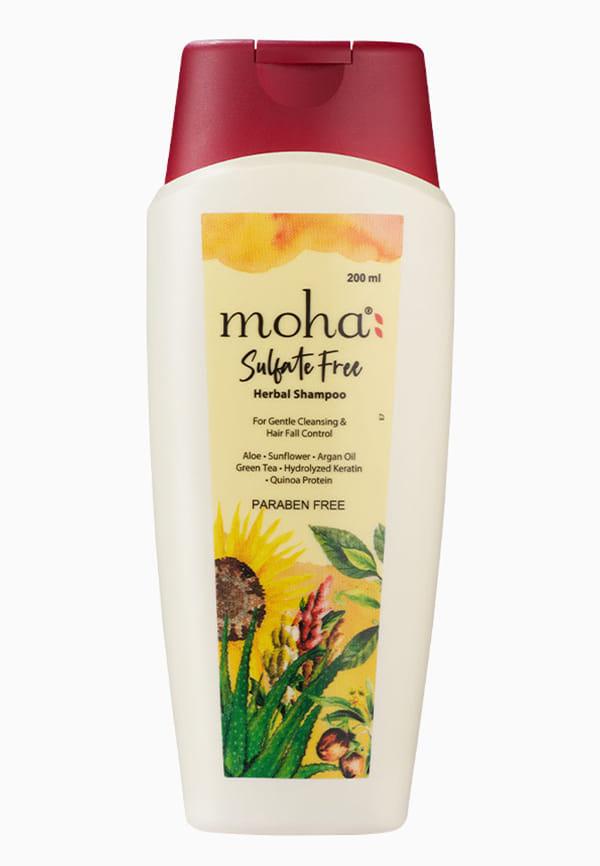
Moha
Sulfate Free Herbal Shampoo
₹ 40130 % OFF
₹ 281
Reviews from genuine users
Effective Shampoo
5
“best shampoo h isse mere bal jhadne bilkul band ho gy”
Nandhini Vikram26 Jan 2025
Gentle, effective cleanse
4
“It has no harsh chemicals and cleanses scalp well”
Hema P06 Jan 2025
Great Shampoo
4
“This shampoo is amazing. I love moha.”
Vikash Ranjan16 Dec 2024
Split end prevention starts with gentle handling. Use a wide-tooth comb on wet hair, sleep on silk pillowcases, and avoid tight hairstyles that pull on your strands. Regular trims every 8-12 weeks help prevent splits from travelling up the hair shaft. When you spot split ends, trim them immediately to prevent further damage.
Step 9: Heat-Free Styling Techniques
Give your hair a break from heat styling with these clever alternatives. Try braiding damp hair for waves, using foam rollers for volume, or the "sock curl" method for bouncy curls without damage. Heat-free styling techniques not only protect your hair but often give you more natural-looking results that last longer.
Step 10: Natural Hair Growth Remedies
Support hair growth from the inside out with proper nutrition and gentle scalp care. Massage your scalp with rosemary oil (diluted with a carrier oil) to stimulate circulation. Stay hydrated, eat protein-rich foods, and consider natural hair growth remedies like green tea rinses or onion juice treatments (yes, really!).
Your Weekly Haircare Routine
Now that you know all the steps, let's put them together into a manageable weekly routine. You don't need to do everything every day—that would be exhausting and unnecessary.
Start with washing 2-3 times per week, depending on your hair type. On wash days, follow steps 1 and 2. Once a week, add in step 3 (deep conditioning) and step 4 (scalp care). Hair oiling can be done 1-2 times per week, ideally before wash days. Protein treatments are monthly affairs, while daily care focuses on gentle handling and moisture maintenance.
Natural Hair Treatments for Common Hair Issues
When specific problems arise, natural hair treatments can work wonders without harsh chemicals. For dry, frizzy hair, try an avocado and honey mask—both ingredients are deeply moisturising and help smooth the hair cuticle. This home remedy for dry and frizzy hair is worth a try!
Dealing with dandruff or an itchy scalp? Apple cider vinegar rinses help balance pH levels and reduce flakiness. Mix one part vinegar with three parts water and use as a final rinse after shampooing. For thinning hair, regular scalp massage with essential oils like peppermint or rosemary can stimulate hair follicles and promote growth.
Frequently Asked Questions
4.1|(120 ml)
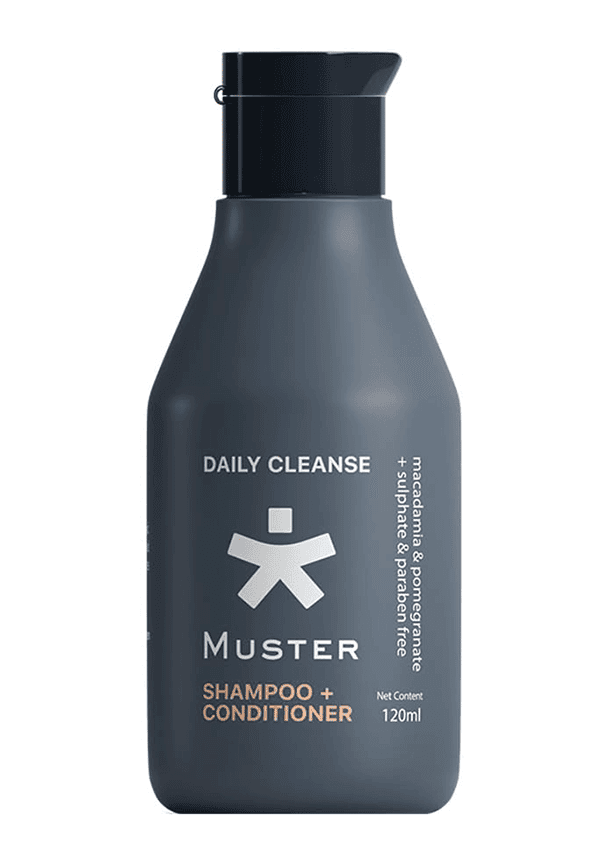
Muster
Deep Cleanse Shampoo + Conditioner
₹ 599
Reviews from genuine users
Positive Product Review
5
“Very nice products, I feel too good”
Thushara K R02 Dec 2024
Superb Product
5
“amazing superb product, recommended”
Shabnam Khan23 Oct 2024
Positive Product Review
5
“its of good quality.
i like the product”
Simmi Kour17 Oct 2024
How often should I wash my hair?
It depends on your hair type and lifestyle. Oily hair might need washing every other day, while dry or curly hair can go 3-4 days between washes. Listen to your hair and adjust accordingly.
What's the best treatment for dry and damaged hair?
Start with a moisturising shampoo, always use conditioner, and add a weekly deep conditioning treatment. Leave-in products and hair oils are your friends. Consider reducing wash frequency to preserve natural oils.
Can I use these haircare tips for all hair types?
The basic principles apply to everyone, but you'll need to adjust products and frequency based on your specific hair type and needs. What works for fine, straight hair won't necessarily work for thick, curly hair.
How long does it take to see results from a new haircare routine?
Be patient—you'll typically start seeing improvements within a few weeks of consistent care. Hair grows slowly, so damaged hair needs time to be replaced by healthy new growth.
Final Thoughts
Building a solid haircare routine at home is all about consistency and understanding what your hair actually needs. Don't try to do everything at once—start with the basics and gradually add treatments as you learn what works for you. Remember, healthy hair is a marathon, not a sprint. With patience and the right approach, you'll discover what makes your hair look and feel its absolute best. Real talk: your kind of haircare routine is out there, and it might just become your new fave way to pamper yourself!

 5
5