The Ultimate Coarse Hair Treatments Guide for Manageable Hair


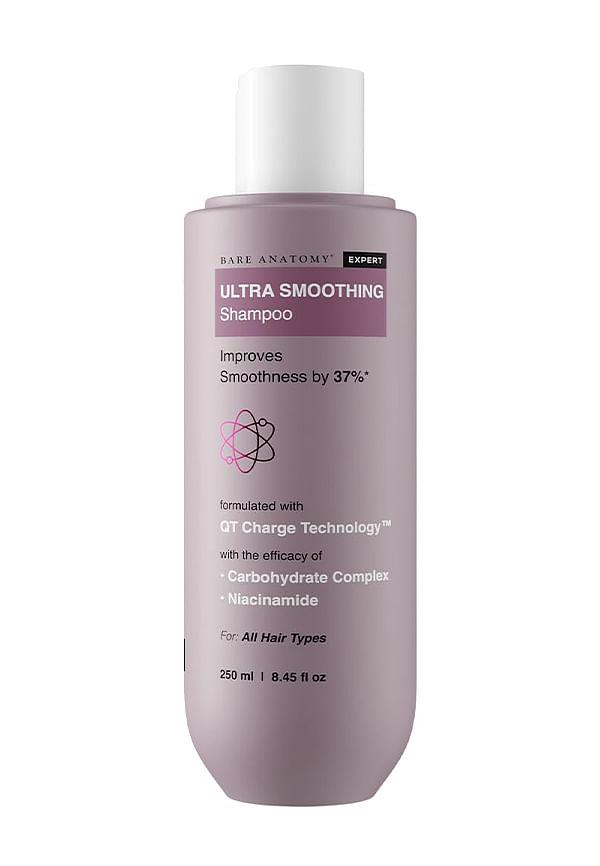
Ultra Smoothing Shampoo for Dry and Frizzy Hair
You know that moment when you run your fingers through your hair and it feels like you're touching a broomstick? Yeah, we've all been there. Coarse hair can feel like it has a mind of its own — refusing to cooperate, drinking up products like a thirsty plant, and somehow managing to look dry even after you've slathered it with every conditioning treatment known to humanity. But here's the thing: coarse hair isn't broken hair that needs fixing. It's just hair that needs the right kind of love, and once you crack the code, you'll wonder why you ever thought it was unmanageable.
Let's get real about what coarse hair actually means. It's not about how much hair you have (that's density) or whether it's curly or straight (that's pattern). Coarse hair is all about the individual strand diameter — basically, each hair is thicker than fine or medium hair strands. Think of it like comparing spaghetti to angel hair pasta. The spaghetti (coarse hair) is going to behave very differently than the delicate angel hair.
This thicker diameter means your hair cuticles are larger and often more raised, which explains why coarse hair tends to feel rougher and can look dull even when it's healthy. The good news? Coarse hair is typically stronger and more resilient than fine hair. The challenge is that those raised cuticles make it harder for moisture to penetrate and easier for it to escape, leaving you with that perpetually thirsty feeling.
If you've got coarse hair, you probably know the struggle. Frizz seems to appear out of nowhere, especially on humid days. Your hair drinks up products but still feels dry an hour later. Styling takes forever, and by the time you're done, your arms feel like you've just completed a workout.
The main culprit behind these issues is moisture retention. Coarse hair has a harder time holding onto hydration because of its structure. Plus, the natural oils from your scalp have a longer journey to travel down each thick strand, so the ends often end up parched while your roots might feel oily.
Here's where it gets interesting — coarse hair comes in different porosity levels too. High porosity coarse hair will soak up products quickly but lose moisture just as fast. Low porosity coarse hair might resist products initially but hold onto moisture longer once it's in there. Knowing your porosity level is like having a cheat code for your coarse hair care routine.
Sometimes you need to call in the professionals, and that's totally fine. Salon treatments can give your coarse hair the intensive care it needs, especially if you're dealing with years of damage or just want a reset button for your hair routine.
Keratin treatments are probably the most talked-about option for coarse hair, and for good reason. They work by filling in the gaps in your hair cuticles with protein, creating a smoother surface that reflects light better and feels softer to touch. The results can last anywhere from three to six months, depending on your hair type and how well you maintain it.
Professional deep conditioning treatments are like sending your hair to a spa. These aren't your regular at-home masks — we're talking about concentrated formulas that penetrate deeper into the hair shaft. Some salons offer steam treatments that open up your cuticles, allowing the conditioning agents to really get in there and do their work.
Olaplex treatments have become incredibly popular for hair repair, and they work particularly well for coarse hair that's been damaged by chemical processing or heat styling. These bond-building treatments actually repair broken disulfide bonds in your hair, which can make a huge difference in how your hair feels and behaves.
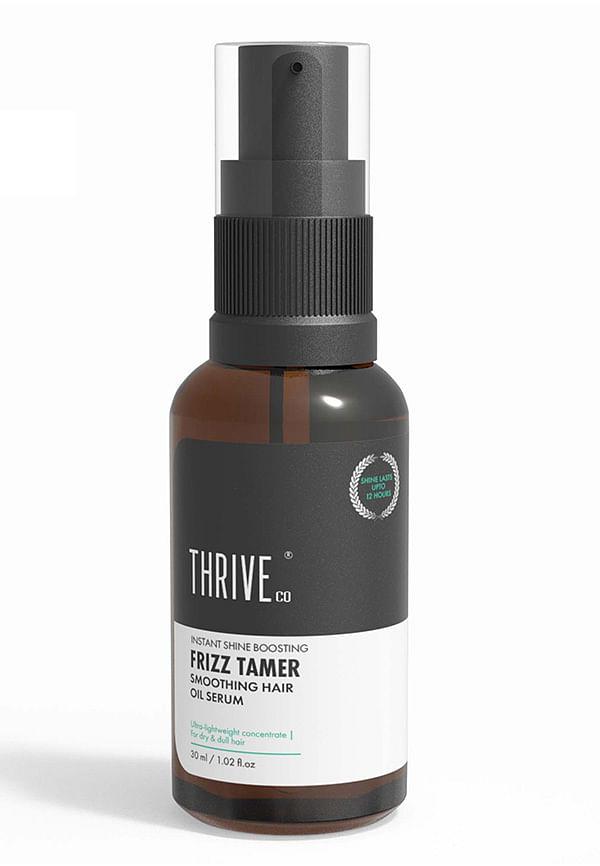
Frizz Tamer Smoothening Hair Oil
Don't sleep on scalp treatments. A healthy scalp is the foundation for healthy hair, and coarse hair benefits massively from good circulation and a clean, balanced scalp environment. Professional scalp treatments can include everything from deep cleansing to massage therapy that stimulates blood flow.
You don't need to break the bank with salon visits to see real improvements in your coarse hair. Some of the most effective treatments can be done right in your bathroom, and honestly, consistency with at-home care often trumps occasional professional treatments.
Oil treatments are your best friend when dealing with dry coarse hair. Coconut oil, argan oil, and jojoba oil all penetrate the hair shaft differently, so you might need to experiment to find your perfect match. Coconut oil is great for protein-sensitive hair, while argan oil works well for most hair types and doesn't weigh hair down.
Creating your own deep conditioning treatments can be surprisingly effective. A simple mix of your favourite conditioner with a few drops of hair oil, left on for 20-30 minutes under a shower cap, can work wonders. The heat from your scalp helps the treatment penetrate better.
For protein treatments, you can use ingredients like egg whites or yogurt mixed with honey. But be careful not to overdo protein treatments — coarse hair needs moisture more than protein in most cases.
Sometimes the best treatments don't involve any heat at all. Overnight conditioning treatments, where you apply a leave-in treatment or oil to damp hair before bed, can be incredibly effective. Your hair has hours to slowly absorb the moisture without any rush.
Cold water rinses at the end of your shower help seal the cuticles, locking in moisture and adding shine. It's not the most comfortable experience, but your hair will thank you for it.
The right products can make or break your coarse hair routine. You want formulas that are rich enough to provide real moisture but not so heavy that they weigh your hair down or make it look greasy.
Sulfate-free shampoos are non-negotiable for coarse hair. Sulfates strip away natural oils that your hair desperately needs. Look for cleansing conditioners or co-washes for gentler cleansing that won't leave your hair feeling like straw.
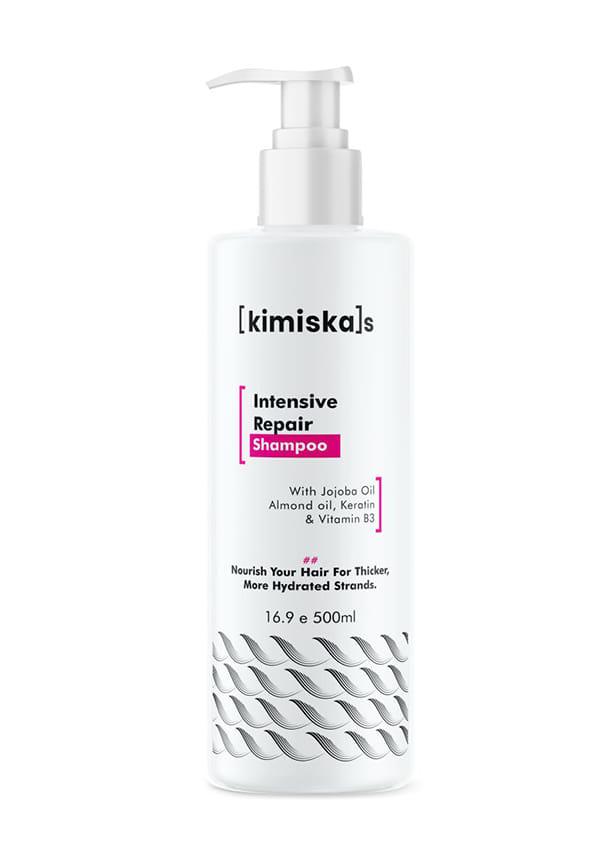
Intensive Hair Repair Shampoo for Dry and Frizzy Hair
Your conditioner should be doing some serious heavy lifting. Look for ingredients like shea butter, ceramides, and natural oils. Don't be afraid of richer formulas — coarse hair can handle and actually needs more intensive moisture than fine hair.
Leave-in conditioners are essential for daily moisture maintenance. Apply them to damp hair, focusing on the mid-lengths and ends where your hair tends to be driest.
Heat protectants are crucial if you're using any hot tools. Look for ones that offer thermal protection up to at least 400°F. Serums and hair oils can help smooth the cuticles and add shine, but use them sparingly — a little goes a long way with coarse hair.
Consistency beats perfection every time when it comes to coarse hair care. Your routine doesn't need to be complicated, but it does need to address your hair's specific needs for moisture and protection.
Most people with coarse hair don't need to wash daily. Every 2-3 days is usually plenty, unless you're very active or have an oily scalp. When you do wash, focus the shampoo on your scalp and let the suds clean your lengths as you rinse.
How you dry your hair can make a huge difference in how it looks and feels. Rough towel drying is a no-go — it creates friction that leads to frizz and breakage. Instead, gently squeeze out excess water with a microfiber towel or even a cotton t-shirt.
If you're blow-drying, use a heat protectant and keep the temperature on medium rather than high. High heat might seem faster, but it's more likely to cause damage and actually make your hair harder to style.
What you do before bed matters more than you might think. Silk or satin pillowcases reduce friction while you sleep, which means less frizz and breakage. If you're not ready to invest in new bedding, a silk scarf or bonnet works just as well.
Loose braids or a high, loose bun can prevent tangling overnight. Just make sure whatever style you choose isn't pulling on your hair or creating tension.
Sometimes coarse hair comes with extra challenges that need special attention. If your hair feels wiry or straw-like, you might be dealing with damage that needs more intensive repair. This is where protein treatments, bond builders, and professional consultations can really help.
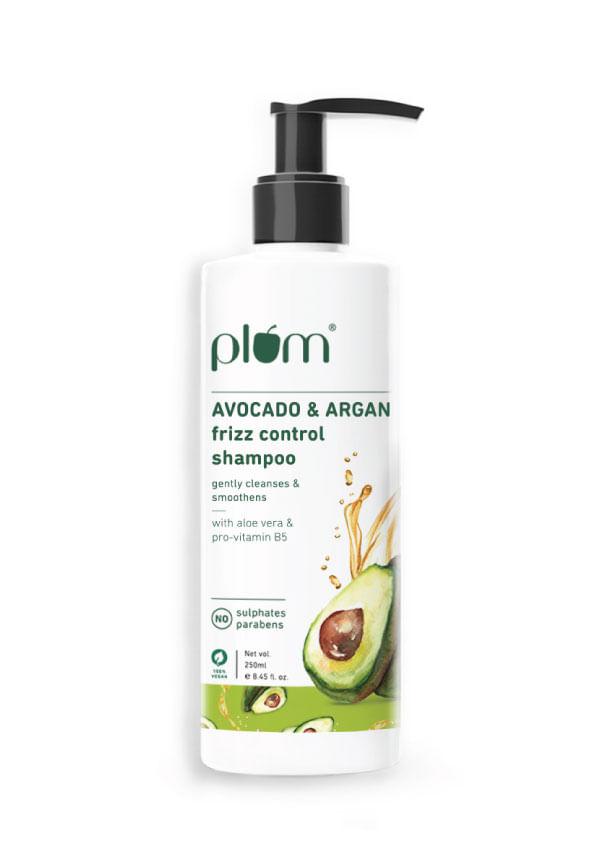
Avocado & Argan Frizz Control Shampoo For Curly, Wavy, Frizzy Hair
Color-treated coarse hair needs even more TLC. Chemical processing opens up the cuticles, making your hair more porous and prone to dryness. You'll need to adjust your routine to include more frequent deep conditioning and gentler handling.
If you've tried everything and your hair still feels unmanageable, it might be time to consult a professional. A trichologist can help identify underlying issues like hormonal imbalances or nutritional deficiencies that might be affecting your hair texture.
Sometimes what we think is just coarse hair is actually damaged hair that needs repair rather than just moisture. A professional can help you figure out the difference and create a targeted treatment plan.
For most people with coarse hair, deep conditioning once a week is ideal. If your hair is particularly dry or damaged, you might benefit from twice-weekly treatments until you see improvement, then scale back to weekly maintenance.
While coarse hair typically needs more moisture than fine hair, it is possible to overdo it. Signs of over-moisturised hair include limpness, excessive softness, and hair that feels mushy when wet. If this happens, incorporate a gentle protein treatment to restore balance.
Always detangle when your hair is damp and has some slip from conditioner or a detangling spray. Start from the ends and work your way up, using a wide-tooth comb or detangling brush. Never try to detangle dry coarse hair — you'll just create breakage and frustration.
Do a simple stretch test on a wet strand of hair. If it stretches a lot before breaking, you need protein. If it breaks immediately with little stretch, you need moisture. Most coarse hair leans toward needing moisture, but chemically processed coarse hair often needs protein too.
Managing coarse hair isn't about fighting against your natural texture — it's about working with it. The key is understanding that your hair needs more moisture and gentler handling than other hair types, but once you get the routine right, coarse hair can be absolutely gorgeous.
Focus on moisture-rich products, gentle handling, and consistent care rather than trying to completely change your hair's nature. Professional treatments can give you a great starting point, but daily maintenance is where the real magic happens.
Remember, what works for your friend's coarse hair might not work for yours. Hair is individual, and finding your perfect routine might take some experimentation. The brands available on Smytten offer a wide range of hair treatments and styling products specifically formulated for different hair needs. Not sure which approach works best for your hair? Smytten also offers trial-size versions of many of these products — a good way to test different formulas before committing to full-size bottles.
