Step-by-Step: Choosing Hair Growth Supplements for Women
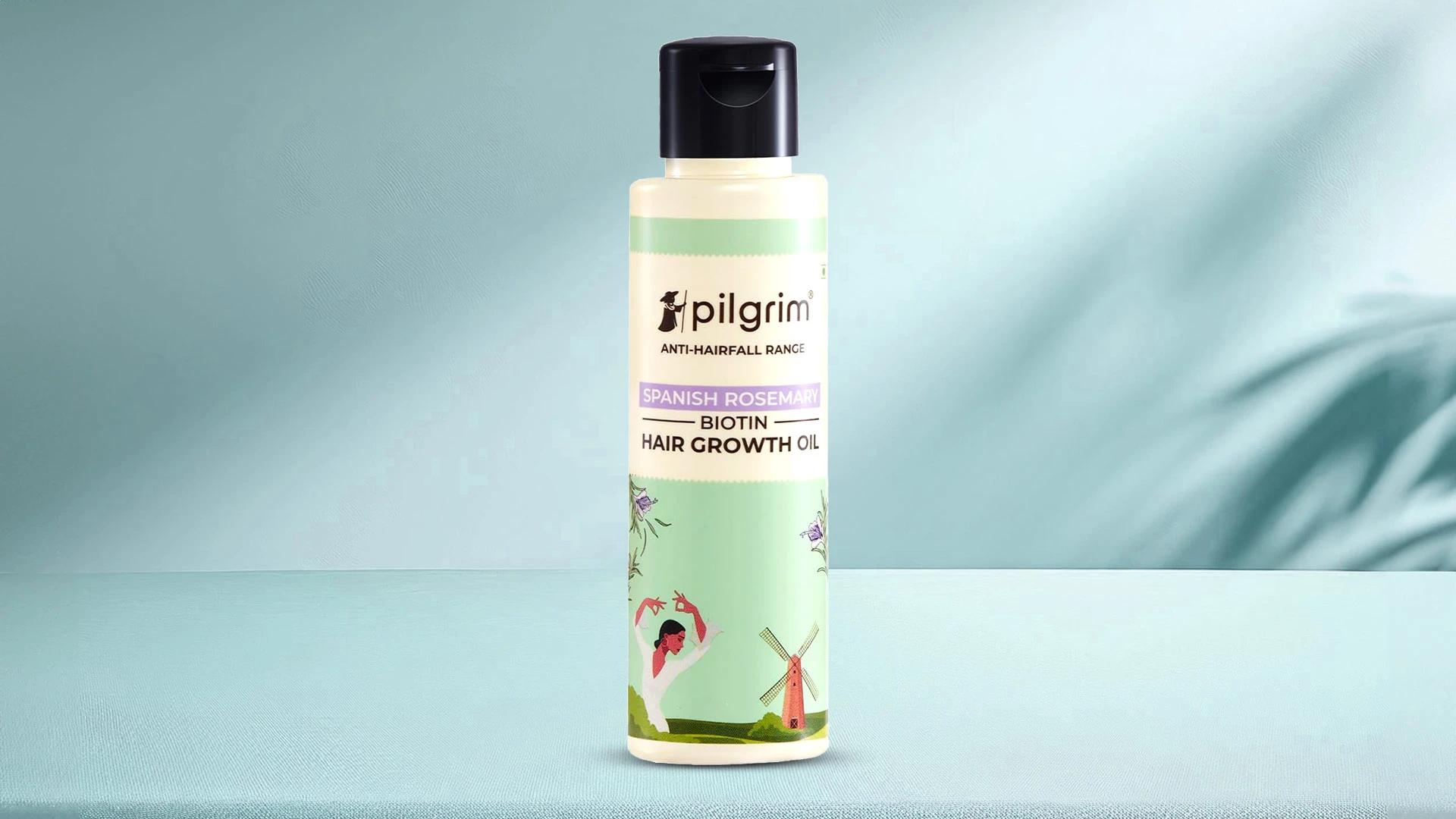

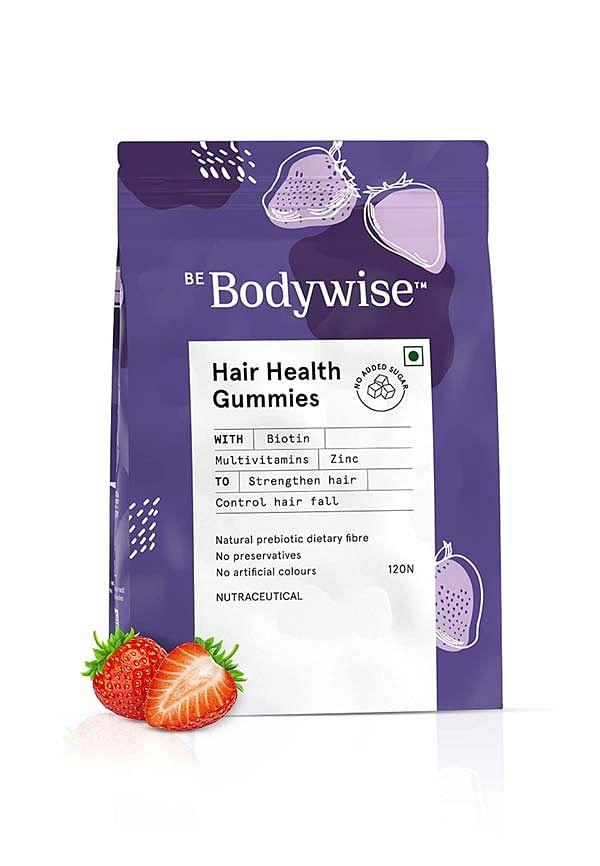
Biotin Hair Gummies
Hair thinning got you scrolling through endless product reviews at 2 AM? You're not alone. With so many hair growth supplements for women floating around, picking the right one feels like choosing a Netflix show—overwhelming and oddly stressful. The good news? Your hair doesn't have to stay stuck in a rut. Whether you're dealing with postpartum shedding, stress-related thinning, or just want thicker locks, supplements might be worth a try. But here's the thing: not all supplements are created equal, and what works for your bestie might not be your cup of tea. Let's break down how to choose hair growth supplements that actually make sense for you.
Your hair goes through a pretty predictable cycle—growing, resting, and eventually falling out to make room for new strands. Think of it like a never-ending renovation project happening on your head. Normally, you lose about 50-100 hairs daily, which is generally considered normal. But when that number creeps higher, or your hair starts looking thinner than usual, something's up. Women face unique hair challenges that men rarely deal with. Hormonal changes during pregnancy, menopause, or even monthly cycles can mess with your mane. Add stress, poor diet, or harsh styling habits, and your hair might start staging a protest. Female pattern baldness affects many women, typically showing up as gradual thinning rather than bald patches.
Here's where it gets interesting: your hair is basically a reflection of what's happening inside your body. Vitamin deficiency hair loss is more common than you'd think. When your body lacks essential nutrients, it prioritises vital organs over hair follicles—fair enough, really. This is why crash diets often lead to noticeable hair thinning a few months later.
Before diving into fancy formulations, let's talk about the building blocks your hair actually needs. Think of these nutrients as the foundation of any good hair growth strategy. Some work behind the scenes to create the right environment for growth, while others directly impact hair structure and strength. The key players include B-vitamins, minerals like iron and zinc, and certain vitamins that support scalp health. Your hair follicles are surprisingly active, which means they need consistent nutritional support to do their job properly.
Biotin supplements have become the poster child of hair growth, and there's a reason for the buzz. This B-vitamin helps your body produce keratin, the protein that makes up your hair. Most people get enough biotin from food, but if you're dealing with thinning hair, a supplement might help fill the gaps. The typical dose ranges from 30-100 micrograms daily, though some hair-focused formulations go higher. Eggs, nuts, and leafy greens are great natural sources if you prefer the food-first approach.
Low iron levels are sneaky culprits behind hair thinning, especially in women. Your hair follicles need oxygen-rich blood to thrive, and iron helps deliver that oxygen. Iron supplements for hair can be game-changing if deficiency is your issue, but here's the catch—you'll want to confirm low iron levels before supplementing. Too much iron isn't great either, so getting tested first makes sense. Spinach, lentils, and lean meats can help boost iron naturally alongside supplements.
These vitamins work as a team to create the right environment for hair growth. Vitamin C helps your body absorb iron better, while vitamin D supports hair follicle health. Vitamin E acts as an antioxidant, and vitamin A helps produce the oils that keep your scalp healthy. You'll find these in a balanced diet, but if you're dealing with hair thinning solutions, targeted supplementation might bridge nutritional gaps.
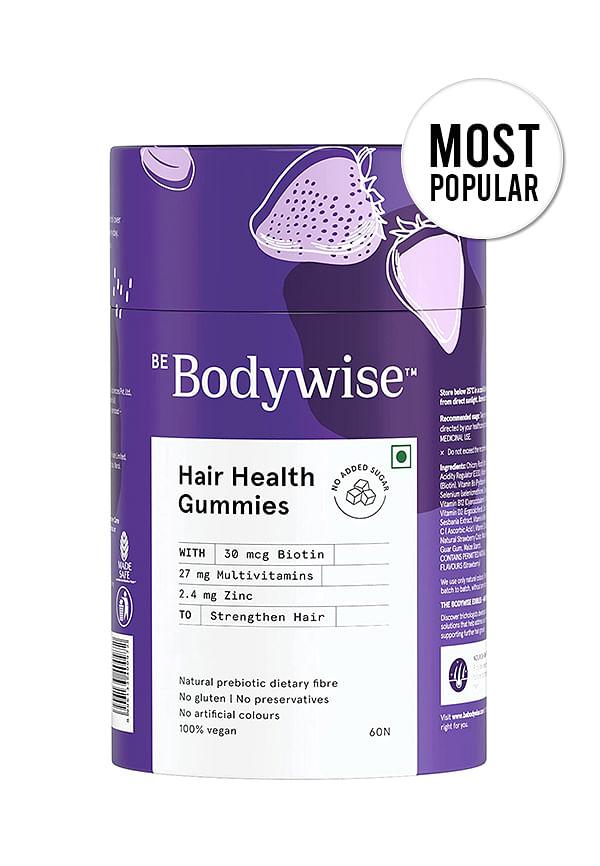
Biotin Hair Health Gummies
Beyond basic vitamins, some supplements target specific hair concerns with more focused approaches. These formulations often combine multiple ingredients designed to work together, though they're typically pricier than single-nutrient options. The beauty of specialised supplements lies in their targeted approach—instead of guessing which nutrients you need, these formulations tackle hair growth from multiple angles simultaneously.
Collagen for hair has gained serious traction lately, and the science is pretty interesting. Collagen provides amino acids that your body uses to build keratin. As we age, collagen production naturally drops, which might contribute to changes in hair texture and strength. Marine collagen tends to be more bioavailable than other types, though any quality collagen supplement might support hair structure over time.
DHT blockers target a specific hormone called dihydrotestosterone, which can shrink hair follicles and lead to thinning. While more commonly discussed for male pattern baldness, DHT affects women too, particularly after menopause. Saw palmetto and pumpkin seed oil are popular natural DHT blockers found in many hair supplements. They're gentler than prescription options and might be worth trying if hormonal hair loss is your concern.
Right, let's get practical. Choosing hair growth supplements doesn't have to feel like solving a puzzle. Follow these steps, and you'll make decisions that actually make sense for your situation and budget. The key is being methodical rather than impulsive—your hair journey deserves better than random supplement shopping.
Be honest about what's actually happening with your hair. Is it thinning all over, or just at the crown? Did it start after a specific event like pregnancy or illness? Understanding your pattern helps narrow down potential causes and solutions. Take photos and keep a hair diary if you're unsure—sometimes changes happen gradually and are hard to notice day-to-day.
This step isn't just covering bases—it's genuinely useful. A healthcare provider can run tests to identify nutritional deficiencies, hormonal imbalances, or underlying conditions affecting your hair. They might recommend blood tests for iron, vitamin D, or thyroid function. Knowing your baseline helps you choose supplements that address actual deficiencies rather than guessing.
Become a label detective. Look for supplements with clear ingredient lists and avoid proprietary blends that hide individual amounts. Quality matters more than marketing claims, so focus on brands that provide third-party testing information. Check for unnecessary fillers or potential allergens, especially if you have sensitivities.
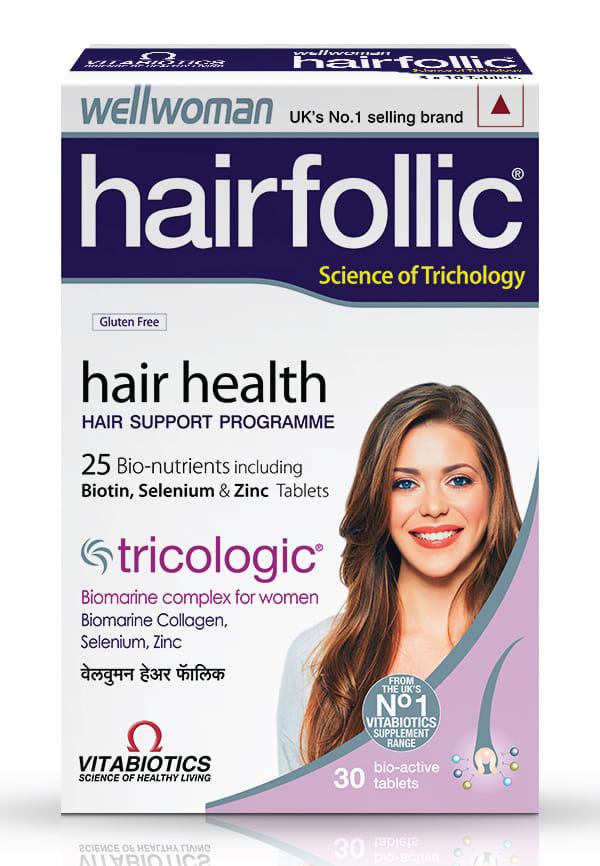
Wellwoman Hairfollic 30 Tablets - Advanced Hair Nutrition formula for Women with Biomarine collagen complex, Biotin and Zinc supplement
Supplements work best alongside a balanced diet, not as replacements for good nutrition. If you're already eating iron-rich foods regularly, you might not need additional iron supplementation. Consider your lifestyle too—high stress levels might require different nutritional support than someone with a relatively calm routine.
While combination formulas seem convenient, starting with individual nutrients helps you identify what actually works. If you try five ingredients at once and see improvement, you won't know which one deserves the credit. This approach also helps you spot any ingredients that don't agree with you before committing to expensive combination products.
Hair growth is slow, so give any supplement at least three months before deciding if it's working. Keep that hair diary going and take progress photos—sometimes improvement is gradual and easy to miss. If you're not seeing results after a fair trial, it might be time to reassess your approach or try different ingredients.
Supplements aren't the only path to healthier hair. Sometimes the most effective natural hair growth remedies are simpler than you'd expect. Lifestyle changes and targeted haircare practices can work alongside or even replace supplementation, depending on your situation. The beauty of natural approaches is that they often address multiple aspects of hair health simultaneously, from scalp condition to overall nutrition.
Your scalp is basically the soil where your hair grows, so keeping it healthy makes obvious sense. Regular scalp massage can improve blood circulation to hair follicles, while gentle exfoliation removes buildup that might clog follicles. Consider scalp-friendly ingredients like tea tree oil or salicylic acid if you deal with flakiness or excess oil. A healthy scalp creates better conditions for hair growth than any supplement can manage alone.
Sometimes tweaking your diet delivers better results than popping pills. Focus on protein-rich foods, since hair is mostly protein. Salmon, eggs, and Greek yoghurt provide both protein and hair-supporting nutrients. Don't forget healthy fats—avocados, nuts, and olive oil support scalp health and help your body absorb fat-soluble vitamins that benefit hair.
Let's be real about potential downsides. Most hair growth supplements are relatively safe, but that doesn't mean they're risk-free. Biotin supplements can interfere with certain lab tests, potentially skewing results for thyroid function or heart markers. Iron supplements might cause stomach upset or constipation, especially on an empty stomach. High doses of certain vitamins can actually harm rather than help, which is why moderation matters even with "natural" supplements. If you're pregnant, breastfeeding, or taking medications, chat with your healthcare provider before starting any new supplements. Some ingredients can interact with medications or aren't recommended during certain life stages.
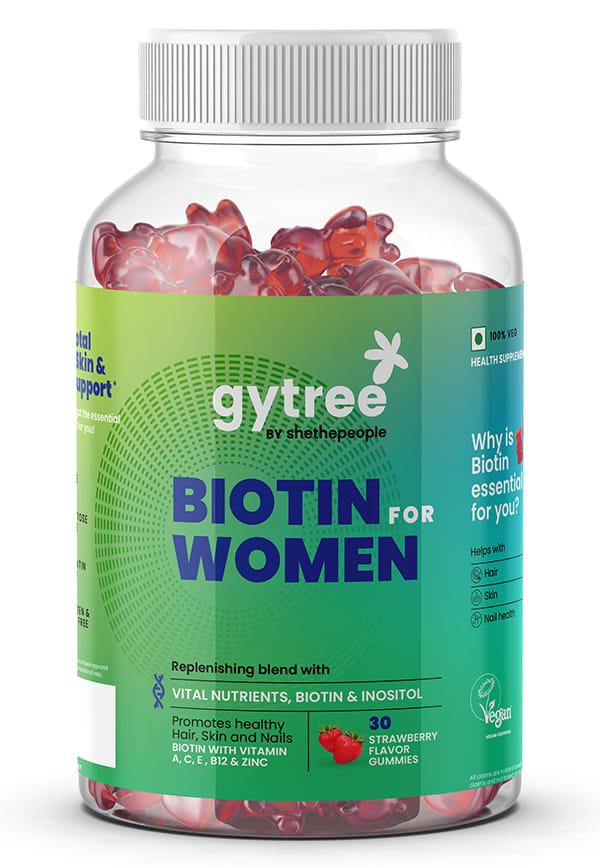
The Total Hair, Skin & Nail Support Biotin Gummies
Most people need to wait 3-6 months to see noticeable changes. Hair grows slowly—about half an inch per month—so patience is essential. You might notice improved hair texture or reduced shedding before seeing actual length or thickness changes.
Supplements might slow progression or improve hair quality, but they rarely reverse established pattern baldness completely. DHT blockers and nutrients that support overall hair health can be helpful as part of a comprehensive approach, but managing expectations is important.
No supplement works instantly for hair growth—that's just not how hair biology works. Be wary of products promising immediate results, as these claims are typically unrealistic. Genuine hair improvement takes time and consistency.
Supplements work from the inside out, addressing nutritional deficiencies and supporting overall hair health. Topical treatments like keratin hair treatments or serums work directly on existing hair and scalp. Many people find combining both approaches more effective than relying on just one method.
The best supplements for women in India may include those with biotin, iron, and vitamins D and E. However, it's important to consult with a healthcare professional to determine which supplements are most suitable for your individual needs and to ensure they comply with local regulations.
While generally safe, some people may experience side effects from hair growth supplements. These can include digestive issues, skin reactions, or interactions with medications. It's worth knowing that biotin supplements can interfere with certain lab tests, and excessive iron intake can be harmful. Always consult with a healthcare provider before starting any new supplement regimen.
There's no magic vitamin for instant hair growth, as hair grows slowly by nature. However, addressing deficiencies in vitamins like biotin, vitamin D, or iron might show quicker results if these were limiting factors in your hair health. Remember, consistency and patience are key – most supplements need at least 3-6 months to show noticeable effects.
Choosing hair growth supplements doesn't have to feel overwhelming once you know what to look for. Start by understanding your specific hair concerns, then work systematically through your options. Remember that supplements work best as part of a holistic approach that includes good nutrition, proper haircare, and realistic expectations. The most important thing? Give whatever you try enough time to work. Your hair didn't change overnight, and it won't transform back overnight either. But with the right approach and a bit of patience, you might just discover your next favourite hair growth solution. Whether that's a simple biotin supplement or a more comprehensive formula, the key is finding what works for your unique situation and sticking with it long enough to see results. Smytten offers a unique opportunity to explore various hair growth supplements before committing to full-size products. Our platform allows you to try different options, helping you find the perfect match for your hair needs. With Smytten's curated approach to health and beauty products, you can make informed decisions about your haircare journey, all while enjoying the convenience of trying before buying.
