Soothe an Itchy Scalp FAQ: Your Questions Answered

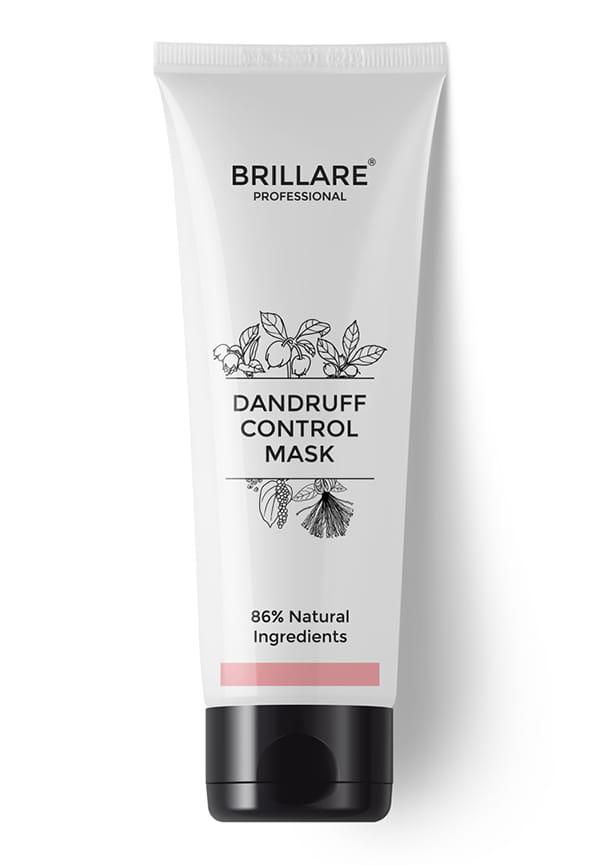
Conditioner For Itchy, Flaky Scalp
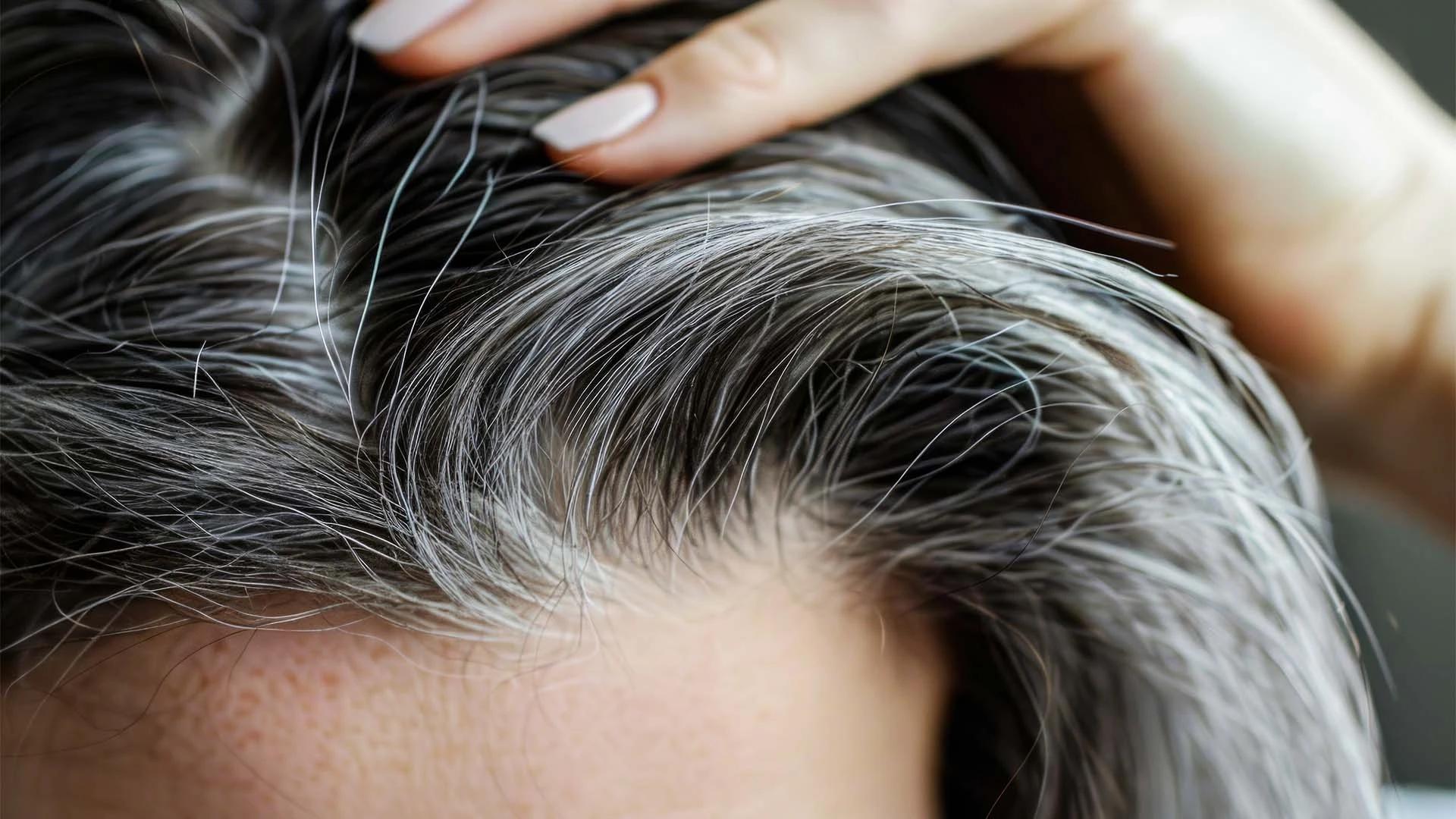
You know that feeling when your scalp decides to throw a tantrum at the worst possible moment? Maybe it's during an important meeting, or right before a date, and suddenly all you can think about is that maddening itch. We've all been there – frantically trying not to scratch whilst pretending everything's fine. The truth is, an itchy scalp is incredibly common, but that doesn't make it any less frustrating when it happens to you. Whether it's a one-off irritation or something that's been bothering you for weeks, understanding what's going on up there is the first step to getting some proper relief.
Let's be real – your scalp can get irritated for loads of different reasons, and figuring out the culprit isn't always straightforward. The most common triggers include dry scalp (especially during winter months), product buildup from styling products or shampoos, and environmental factors like pollution or hard water. Sometimes it's as simple as switching to a new hair product that your scalp doesn't agree with.
There's also a difference between temporary scalp irritation and chronic itching. If you've been dealing with persistent scalp itch for more than two weeks, it might be worth looking deeper into potential causes. Dandruff is often linked to scalp itching, but they're not always the same thing. Dandruff typically comes with visible flakes, whilst dry scalp irritation might just feel tight and uncomfortable without the telltale white bits on your shoulders.
Sometimes scalp irritation signals underlying conditions like seborrheic dermatitis, psoriasis, or even fungal infections. These usually come with additional symptoms like redness, scaling, or patches of irritated skin. The key is paying attention to what your scalp is telling you – is it just occasional itchiness, or are there other signs that something more serious might be going on?
When that itch strikes and you need relief now, there are several methods that can help calm things down fast. The first thing to try is cold therapy – it sounds simple, but cool water rinses can provide immediate relief by numbing the irritated area and reducing inflammation. Run cool (not freezing) water over your scalp for a few minutes, or apply a cold compress wrapped in a clean cloth for about 10 minutes.
For more targeted relief, over-the-counter hydrocortisone cream designed for scalp use can be incredibly effective. Apply a small amount to the affected areas, but avoid using it for more than a few days without consulting a healthcare professional. Anti-itch scalp treatments containing ingredients like menthol or camphor can also provide that cooling sensation that helps break the itch-scratch cycle.
Gentle scalp massage can work wonders too, but here's the crucial bit – use your fingertips, not your nails. Scratching might feel satisfying in the moment, but it only makes the irritation worse and can even lead to small wounds that become infected. Instead, use gentle circular motions to stimulate blood flow and help distribute your scalp's natural oils.
When you're caught off guard by sudden itching, resist the urge to use hot water or harsh shampoos. Heat can actually increase inflammation and make the itching worse. Stick to lukewarm water and gentle, fragrance-free products until the irritation calms down.
If you're more of a natural remedies person, there are plenty of kitchen-cupboard solutions that can help soothe an itchy scalp. Oatmeal isn't just for breakfast – colloidal oatmeal has anti-inflammatory properties that make it brilliant for scalp irritation. Mix finely ground oats with water to create a paste, apply it to your scalp, leave for 10-15 minutes, then rinse thoroughly.
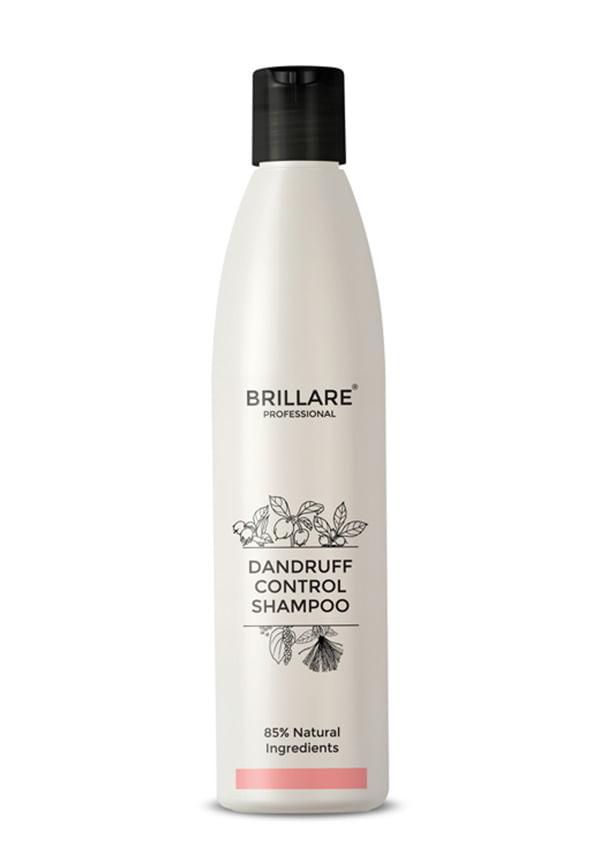
Dandruff Control Shampoo For Itchy, Flaky Scalp
Essential oils can be game-changers, but they need to be used properly. Tea tree oil has antimicrobial properties, peppermint oil provides a cooling sensation, and lavender oil can help reduce inflammation. Always dilute essential oils with a carrier oil like coconut or jojoba oil – never apply them directly to your scalp as they can cause more irritation.
Apple cider vinegar rinses are another popular option for balancing scalp pH and removing product buildup. Mix one part apple cider vinegar with three parts water, apply to your scalp after shampooing, leave for a few minutes, then rinse thoroughly. The smell isn't the most pleasant, but many people swear by the results.
Aloe vera gel straight from the plant (or a pure, fragrance-free version) can provide immediate cooling relief. Its natural healing properties make it particularly good for inflamed or irritated skin. Apply a thin layer to your scalp, leave for 20 minutes, then rinse with cool water.
Walking down the haircare aisle can feel overwhelming when you're dealing with scalp irritation. The key is knowing what ingredients to look for and which ones to avoid. Medicated shampoos containing zinc pyrithione, ketoconazole, or selenium sulfide can be particularly effective for dandruff-related itching. These ingredients target the yeast that often contributes to scalp irritation.
For general scalp soothing, look for products with ingredients like salicylic acid (which gently exfoliates), coal tar (for stubborn cases), or natural anti-inflammatories like chamomile and calendula. Scalp serums and tonics can provide targeted treatment between washes – apply them to clean, damp hair and massage gently into the scalp.
When reading ingredient labels, avoid products with harsh sulfates, artificial fragrances, and alcohol-based formulations, as these can strip your scalp's natural moisture barrier and make irritation worse. Sometimes the gentlest, most basic formulations work better than complex products with dozens of ingredients.
Budget doesn't always determine effectiveness when it comes to scalp care. Some affordable drugstore options work just as well as premium products. The most important thing is finding something that works for your specific type of scalp irritation and sticking with it long enough to see results.
Here's where things get a bit confusing – dandruff and dry scalp often get lumped together, but they're actually different conditions that require different approaches. Dandruff is usually caused by an overgrowth of yeast on the scalp, which leads to inflammation and those characteristic white or yellow flakes. The itching that comes with dandruff tends to be more persistent and is often accompanied by oily, rather than dry, scalp conditions.
Dry scalp, on the other hand, is exactly what it sounds like – your scalp isn't producing enough natural oils, leading to tightness, irritation, and sometimes small, dry flakes. This type of scalp irritation often gets worse in winter or in dry climates, and the flakes tend to be smaller and whiter than dandruff flakes.
Seborrheic dermatitis is like dandruff's more intense cousin. It causes red, scaly patches that can be quite itchy and may extend beyond just your scalp to your eyebrows, sides of your nose, or behind your ears. This condition often requires more targeted treatment than regular dandruff.
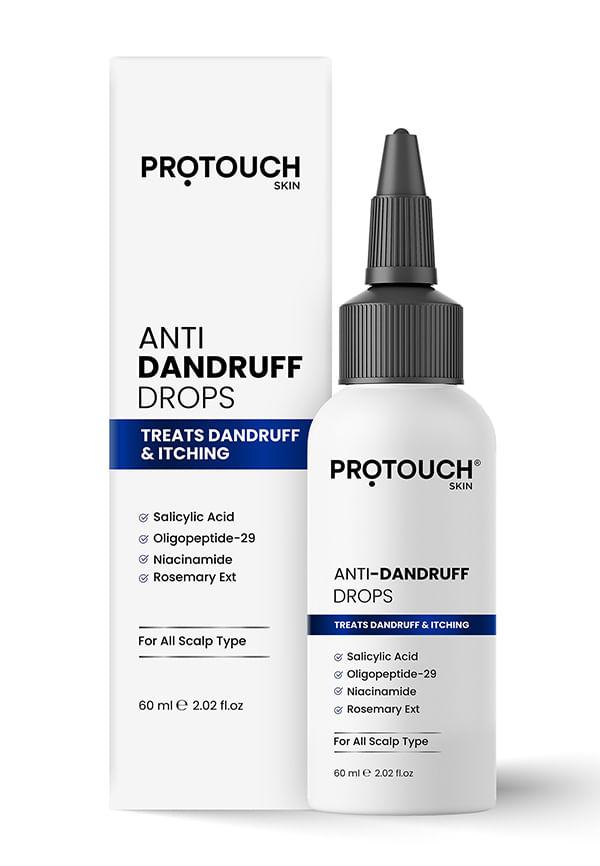
SKIN Anti Dandruff Drops Serum Soothes Itchy, Inflamed Scalp
The treatment approach depends on which type you're dealing with. Dandruff usually responds well to antifungal treatments, whilst dry scalp needs more moisture and gentle care. Getting the diagnosis right is crucial because using the wrong treatment can actually make things worse.
Most scalp itching resolves on its own or with over-the-counter treatments, but there are definitely times when professional help is needed. If you're experiencing fever alongside scalp irritation, severe rash, significant hair loss, or any bleeding from scratching, it's time to book an appointment with your GP or a dermatologist.
Chronic itching that persists for more than two weeks despite trying various treatments is another red flag. If the itching is so severe that it's disrupting your sleep or daily activities, that's a clear sign that you need professional help. Sometimes prescription treatments like stronger antifungal medications or topical steroids are necessary to get things under control.
Your GP can often handle basic scalp conditions, but if the problem is complex or recurring, a dermatologist might be your best bet. They can perform tests to identify specific causes and recommend targeted treatments that aren't available over the counter.
Cool water rinses, diluted apple cider vinegar treatments, and oatmeal masks are excellent natural options. Essential oils like tea tree or peppermint, when properly diluted, can also provide relief. Aloe vera gel offers immediate cooling and anti-inflammatory benefits. The key is being gentle and avoiding hot water or harsh scrubbing, which can worsen irritation.
Cold compresses applied for 10 minutes can provide fast relief by numbing the area and reducing inflammation. Over-the-counter hydrocortisone cream designed for scalp use is also effective for immediate relief. Avoid scratching and instead use gentle fingertip massage to stimulate circulation without causing damage.
Yes, certain vitamin deficiencies can contribute to scalp irritation. Vitamin D deficiency has been linked to chronic itching conditions, whilst B vitamin deficiencies can affect skin health overall. Zinc deficiency can also lead to scalp problems. If you suspect nutritional deficiencies, it's worth discussing with your healthcare provider.
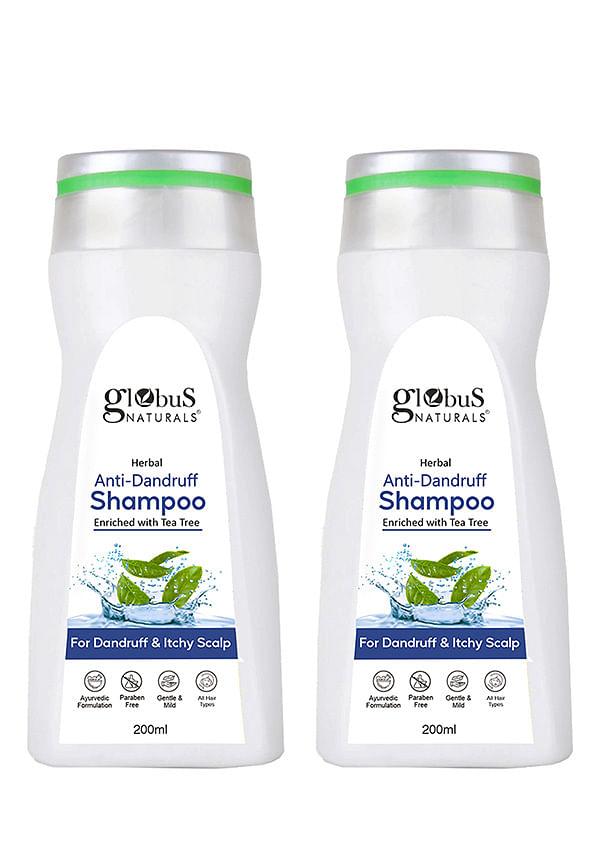
Anti Dandruff Shampoo, For Dandruff and Itchy Scalp
Absolutely. Stress can trigger or worsen scalp sensitivity and exacerbate existing conditions like dandruff or seborrheic dermatitis. Stress affects your immune system and can increase inflammation throughout your body, including your scalp. Managing stress through relaxation techniques, exercise, or other methods can help reduce scalp irritation.
Generally, 2-3 times per week with a gentle, sulfate-free shampoo works best for most people with scalp irritation. Daily washing can strip natural oils and worsen dryness, whilst washing too infrequently can lead to product buildup. If you have dandruff, you might need to use a medicated shampoo more frequently initially, then reduce to maintenance washing.
Cold aloe vera gel applied directly to the scalp provides immediate cooling relief. A paste made from oatmeal and water can calm inflammation quickly. Diluted peppermint oil (mixed with a carrier oil) offers a cooling sensation that helps interrupt the itch sensation. Always apply these to a clean scalp for best results.
Yes, shampoos with harsh sulfates, artificial fragrances, or preservatives can definitely cause scalp irritation. Some people are sensitive to specific ingredients like sodium lauryl sulfate or certain essential oils. If you suspect your shampoo is the culprit, try switching to a gentle, fragrance-free formula and see if the itching improves.
Scratching can make scalp irritation much worse by creating small wounds that can become infected and by stimulating more itch sensations. It can also lead to hair breakage and temporary hair loss. Instead of scratching, try gentle massage with your fingertips, cold compresses, or topical treatments to address the underlying cause of the itch.
Dealing with an itchy scalp doesn't have to be a constant battle. Understanding what's causing your specific type of scalp irritation is the first step towards finding effective relief. Whether it's dry scalp, dandruff, or product sensitivity, there are solutions that can help you get back to feeling comfortable in your own skin.
Remember that gentle, consistent care usually works better than harsh treatments. Sometimes the simplest solutions – like switching to a fragrance-free shampoo or using cool water rinses – can make the biggest difference. If home remedies and over-the-counter treatments aren't cutting it after a couple of weeks, don't hesitate to seek professional help.
Finding the right haircare routine for your scalp might take some trial and error. Smytten's curated selection includes gentle, scalp-friendly options from trusted brands, with trial sizes available so you can test what works for your specific needs before committing to full-size products. After all, when it comes to scalp care, there's no need to settle for products that don't quite hit the mark.
