Solutions for Humid Hair FAQ: Common Questions Answered
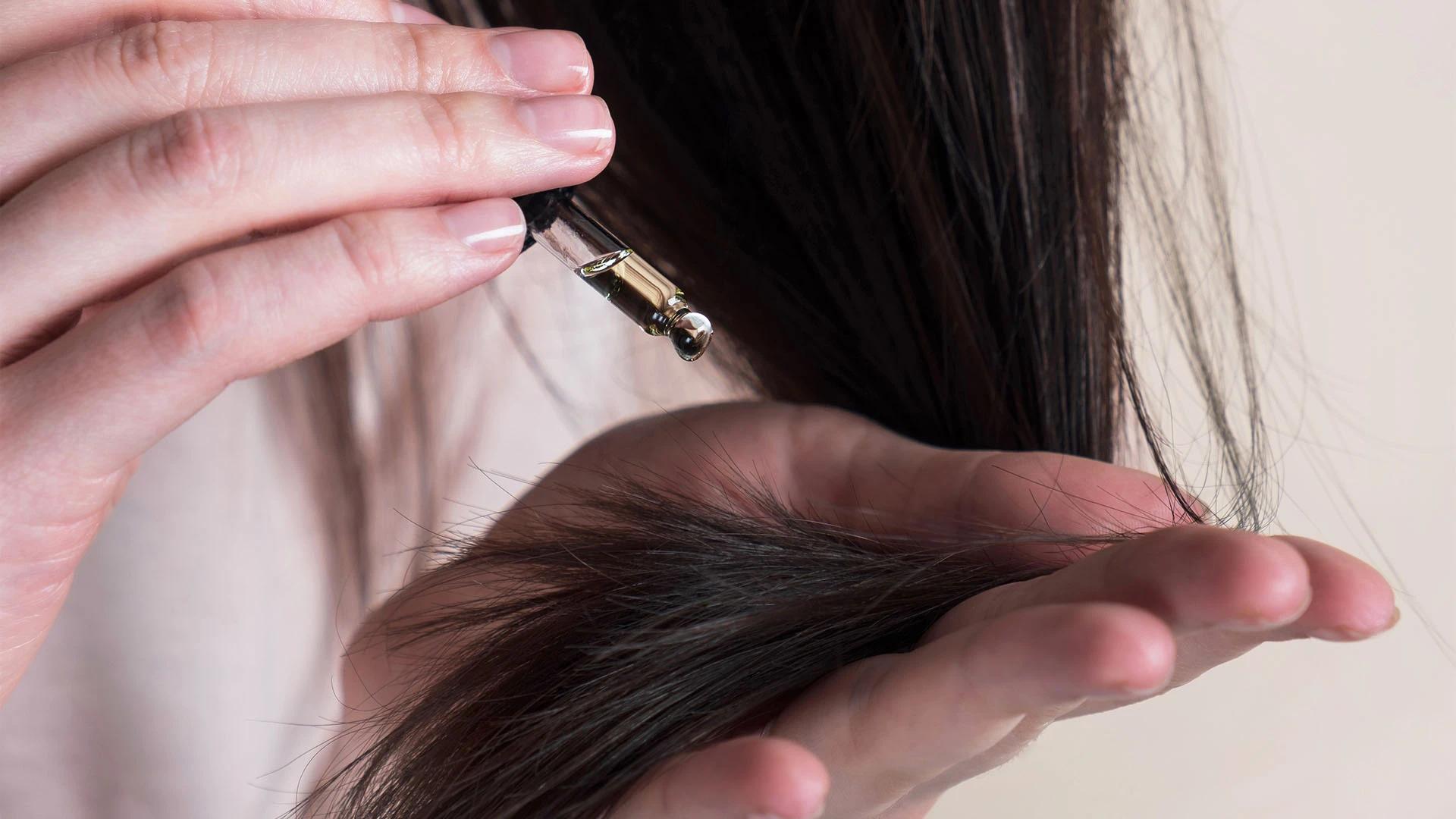

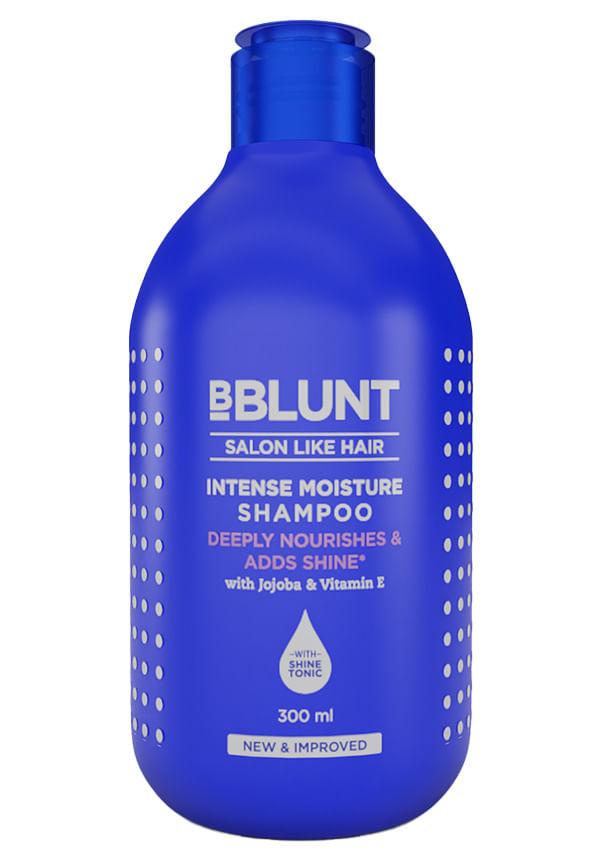
Intense Moisture Shampoo with Jojoba and Vitamin E for Dry & Frizzy Hair
You know that moment when you step outside and your hair instantly transforms into a frizzy mess? One minute you're feeling confident with your sleek blowout, the next you're frantically searching for a hair tie because humidity has turned your locks into something resembling a lion's mane. If this sounds painfully familiar, you're definitely not alone. Humid weather can be absolutely brutal on hair, leaving even the most carefully styled strands looking wild and unruly. The good news? There are actually proven solutions for humid hair that can help you maintain your look, no matter what the weather throws at you.
Let's get real about what's actually happening to your hair when humidity strikes. Your hair is essentially a sponge, and how much moisture it absorbs depends on something called hair porosity. Think of your hair cuticles like roof shingles – when they're smooth and flat, moisture stays out. But when they're raised or damaged, humidity sneaks right in and causes chaos.
High porosity hair is particularly vulnerable because those lifted cuticles create tiny gaps where moisture can enter. Once humidity gets inside your hair shaft, it causes the hair to swell and change shape, resulting in that dreaded frizz. Low porosity hair might seem like it would be better protected, but it can actually become weighed down and limp in humid conditions because moisture sits on the surface rather than being absorbed.
Different hair types react differently to humidity too. Naturally curly and coily hair tends to be more porous, making it extra susceptible to frizz. Fine hair might go flat and greasy, whilst thick hair can become an unmanageable puff ball. Understanding your hair's specific needs is the first step in finding effective humidity resistant hair products that actually work for your texture.
Building a humidity-fighting arsenal starts with choosing the right anti frizz products for your hair type. The key is creating a barrier that prevents moisture from penetrating your hair shaft whilst keeping your strands properly hydrated from within.
A good leave-in conditioner is your first line of defence against humidity. Look for formulas containing ingredients like glycerin (in the right concentration), panthenol, and hydrolysed proteins. These create a protective film around each strand whilst adding moisture where your hair actually needs it.
Hair serums containing silicones like dimethicone or cyclopentasiloxane create an invisible shield against moisture. Natural oils like argan or jojoba can work too, but they're better for coarser hair types that can handle the extra weight. The trick is using just enough to protect without weighing your hair down.
A quality anti-humidity hairspray should be your final step. Look for products specifically labelled as humidity resistant rather than just 'strong hold.' These contain polymers that form a flexible, moisture-repelling film over your finished style.
Weekly deep conditioning helps maintain optimal moisture levels in your hair, reducing its tendency to grab moisture from the air. Focus on protein-moisture balance – too much protein makes hair brittle, whilst too much moisture makes it mushy and frizz-prone.
Prevention really is better than cure when it comes to humidity-induced frizz. Your routine needs to start in the shower and continue through to your final styling steps. Here's how to build a foolproof system that keeps frizz at bay.
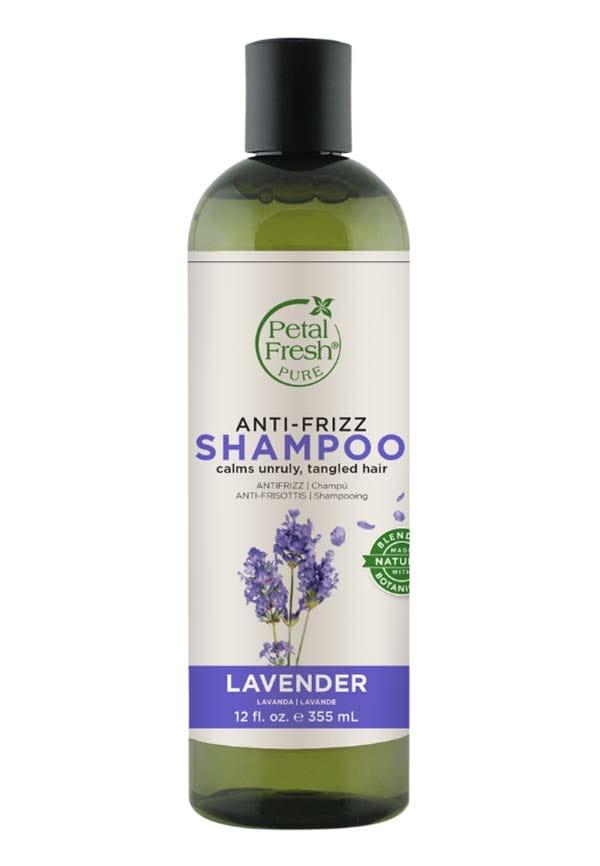
Anti Frizz Lavender Shampoo
Start with a pre-wash oil treatment if your hair is particularly dry or damaged. This helps fill in gaps in the cuticle before you even begin washing. For those with naturally oily hair, a gentle co-wash (conditioner-only washing) might be sufficient between shampoo sessions.
Hot water is frizz's best friend, so stick to lukewarm temperatures. Use a sulphate-free shampoo to avoid stripping natural oils, and always follow with a moisturising conditioner. Focus conditioner on mid-lengths to ends, avoiding the scalp area.
Ditch the regular towel and switch to a microfibre towel or cotton t-shirt. These materials are much gentler on wet hair cuticles and reduce friction that leads to frizz. Gently squeeze out excess water rather than rubbing vigorously.
Apply products to damp (not soaking) hair in this order: leave-in conditioner, heat protectant if using heat tools, then your chosen hair serum for humidity protection. Work products through evenly using a wide-tooth comb or your fingers.
Sometimes the best defence against humidity is choosing styles that work with your hair's natural tendencies rather than fighting against them. These humidity proof hairstyles can help you look polished even when the weather isn't cooperating.
Braids, buns, and twisted updos keep your hair contained and protected from environmental moisture. Try a loose side braid, a low chignon, or a textured top knot. These styles actually look better with a bit of texture, so slight frizz becomes an asset rather than a problem.
Fighting your hair's natural texture in humid weather is often a losing battle. Instead, enhance your natural waves or curls with scrunching techniques and curl-enhancing products. This approach works with humidity rather than against it.
Skip the blow dryer and straightening iron on particularly humid days. Air drying with the right products often gives better, longer-lasting results. Try plopping (wrapping wet curls in a t-shirt), twist-outs, or braid-outs for defined texture without heat damage.
Invest in a silk or satin pillowcase to reduce friction whilst you sleep. For longer hair, try a loose top knot or silk scrunchie to keep strands contained. A silk hair bonnet can be a game-changer for maintaining styles overnight.
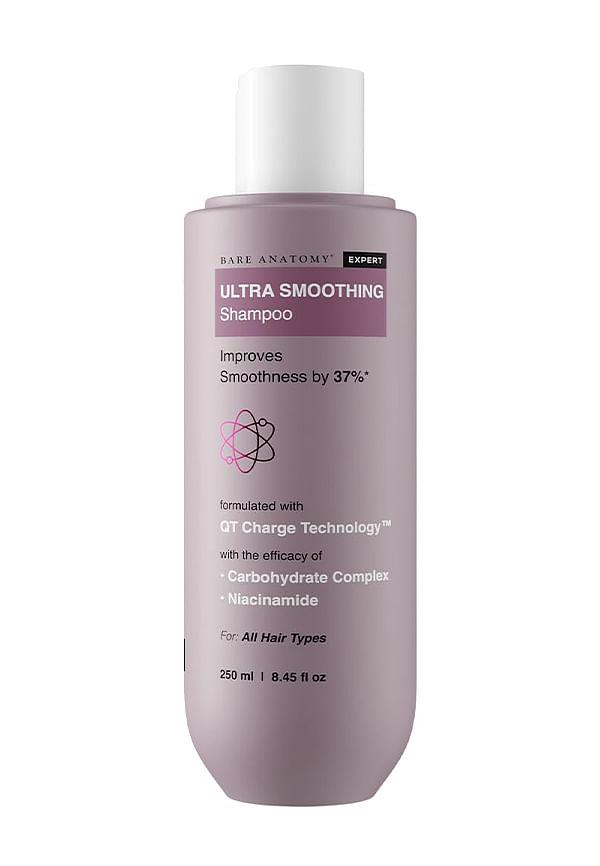
Ultra Smoothing Shampoo for Dry and Frizzy Hair
Not everyone wants to rely solely on commercial products, and that's completely understandable. There are several natural approaches that can help create humidity barriers and improve your hair's overall resilience to moisture.
Avocado, honey, and coconut oil make excellent deep conditioning treatments. Mix mashed avocado with a tablespoon of honey for a weekly moisture boost. These ingredients help seal the hair cuticle naturally, making it less likely to absorb excess humidity.
Lightweight oils like argan, jojoba, or grapeseed can create a protective barrier without weighing hair down. Apply a tiny amount to damp hair, focusing on the ends. For fine hair, try mixing a drop of oil with your leave-in conditioner.
A diluted apple cider vinegar rinse (1 part vinegar to 4 parts water) can help smooth and seal hair cuticles. Use this treatment once a week after shampooing but before conditioning. The acidic pH helps flatten cuticles, making hair smoother and less prone to frizz.
Your diet and overall health affect your hair's condition. Staying hydrated, eating omega-3 rich foods, and managing stress levels all contribute to healthier hair that's naturally more resistant to humidity damage.
When home remedies aren't cutting it, professional treatments might be worth considering. Understanding the difference between salon and at-home options helps you make informed decisions about where to invest your time and money.
Professional keratin treatments can significantly reduce frizz for 3-6 months. These treatments work by filling in gaps in damaged hair cuticles and creating a protective coating. However, they're a significant investment and require specific aftercare to maintain results.
DIY protein treatments using ingredients like egg whites or specialised protein masks can help strengthen damaged hair. These are much more affordable than salon treatments but need to be balanced with moisturising treatments to avoid making hair brittle.
Higher-end hair products for humidity often contain more sophisticated ingredients and better formulations. However, many drugstore options work brilliantly too. The key is reading ingredient lists and choosing products suited to your specific hair type and concerns.
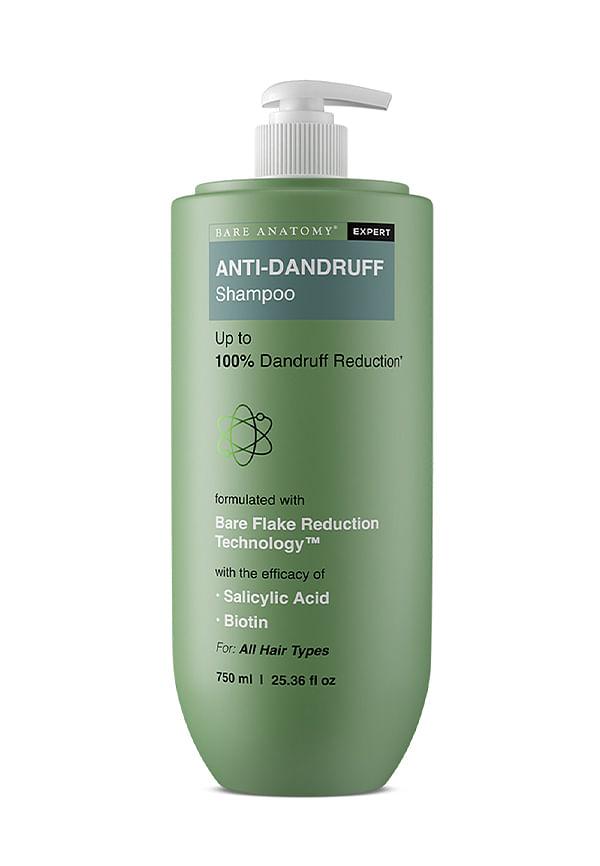
Anti Dandruff Shampoo Salicylic Acid Shampoo for Dry and Frizzy Hair
Remember that healthy hair is naturally more resistant to humidity damage. Regular trims, gentle handling, and consistent care routines all contribute to hair that looks better in any weather condition.
You can't actually remove humidity that's already in your hair, but you can smooth down raised cuticles using a small amount of anti-frizz serum or oil. Run the product through your hair with your palms, then use a boar bristle brush to smooth everything down. For emergency fixes, try running slightly damp hands over your hair to redistribute moisture more evenly.
Start with a deep conditioning treatment to restore moisture balance, then focus on sealing the hair cuticle with acidic rinses or smoothing serums. Regular protein treatments can help repair structural damage, but balance them with moisturising masks. Most importantly, be patient – repairing humidity damage takes time and consistent care.
Keep a small bottle of diluted leave-in conditioner or anti-frizz serum in your bag for touch-ups. Lightly mist your hands and smooth over problem areas. Avoid touching your hair unnecessarily, as this can disrupt your style and add oils that attract more moisture. Consider carrying a silk scarf to protect your hair when moving between air-conditioned and humid environments.
Use a heat protectant before straightening, then seal your style with a humidity-resistant hairspray or serum. Work in thin sections when straightening to ensure each piece is completely smooth. Avoid going outside immediately after styling – let your hair cool completely first. Consider using a flat iron with ionic technology, which helps seal the cuticle more effectively.
Look for products containing silicones like dimethicone or cyclomethicone, which create moisture barriers. Humidity-blocking hairsprays with film-forming polymers are essential. Leave-in conditioners with glycerin work well, but avoid them if humidity levels are extremely high (over 70%), as glycerin can actually attract moisture in very humid conditions.
Whilst you can't change your hair's fundamental structure, you can improve its condition to make it more resilient. Regular deep conditioning, protein treatments, and gentle handling all help create stronger, healthier hair that's naturally more resistant to humidity damage. Consistency is key – it takes several months of good care to see significant improvements.
Not necessarily. The key is finding products with the right ingredients for your hair type, regardless of price point. Some drugstore options work just as well as high-end alternatives. Focus on ingredient lists rather than price tags, and don't be afraid to experiment with different formulations until you find what works for your hair.
Managing frizzy hair solutions in humid weather doesn't have to be a constant battle. Understanding your hair's porosity and choosing the right combination of products and techniques can make all the difference. Remember that consistency is crucial – it's better to use a simple routine religiously than to constantly switch between complex systems.
The most effective approach combines prevention (proper washing and drying techniques), protection (leave-in products and serums), and realistic styling choices that work with your hair's natural tendencies rather than against them. Whether you prefer natural remedies or commercial products, the key is finding what works for your specific hair type and sticking with it.
Not sure which products might work best for your hair type? Smytten offers trial-size versions of many humidity-fighting haircare products from trusted brands – a smart way to test different formulations before committing to full-size bottles. After all, finding your perfect humid weather routine might take some experimentation, but the results are definitely worth it.
