Signs of Dry Hair FAQ: Causes, Symptoms, and Treatment

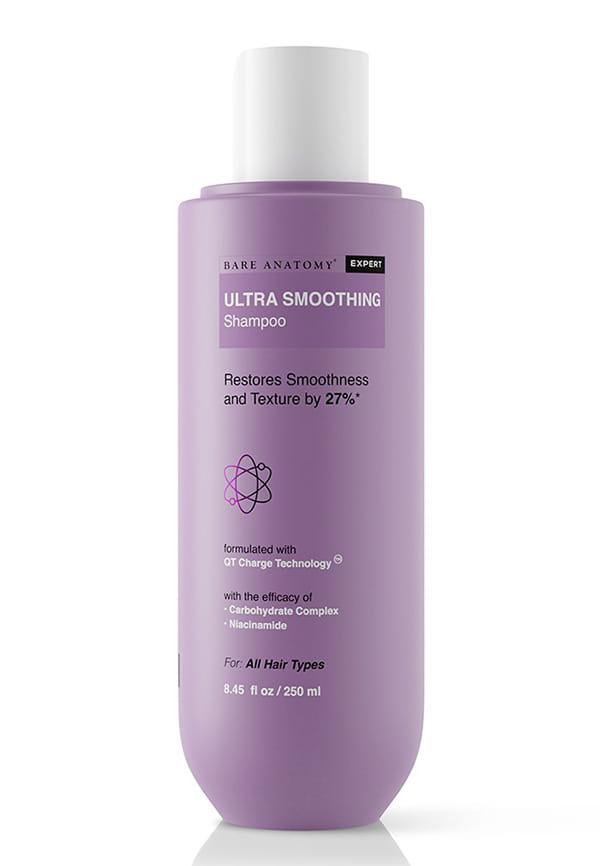
Expert Ultra Smoothing Shampoo To Restore Smoothness, Repair Damaged Hair And Locks In Moisture
You know that moment when you run your fingers through your hair and it feels more like straw than silk? Or when you catch your reflection and wonder where all the shine went? Hair dryness is one of those sneaky issues that creeps up gradually, leaving you with locks that look and feel nothing like they used to. The good news is that recognising the early signs of dry hair can help you tackle the problem before it gets worse. Let's dive into everything you need to know about spotting, understanding, and treating dry hair.
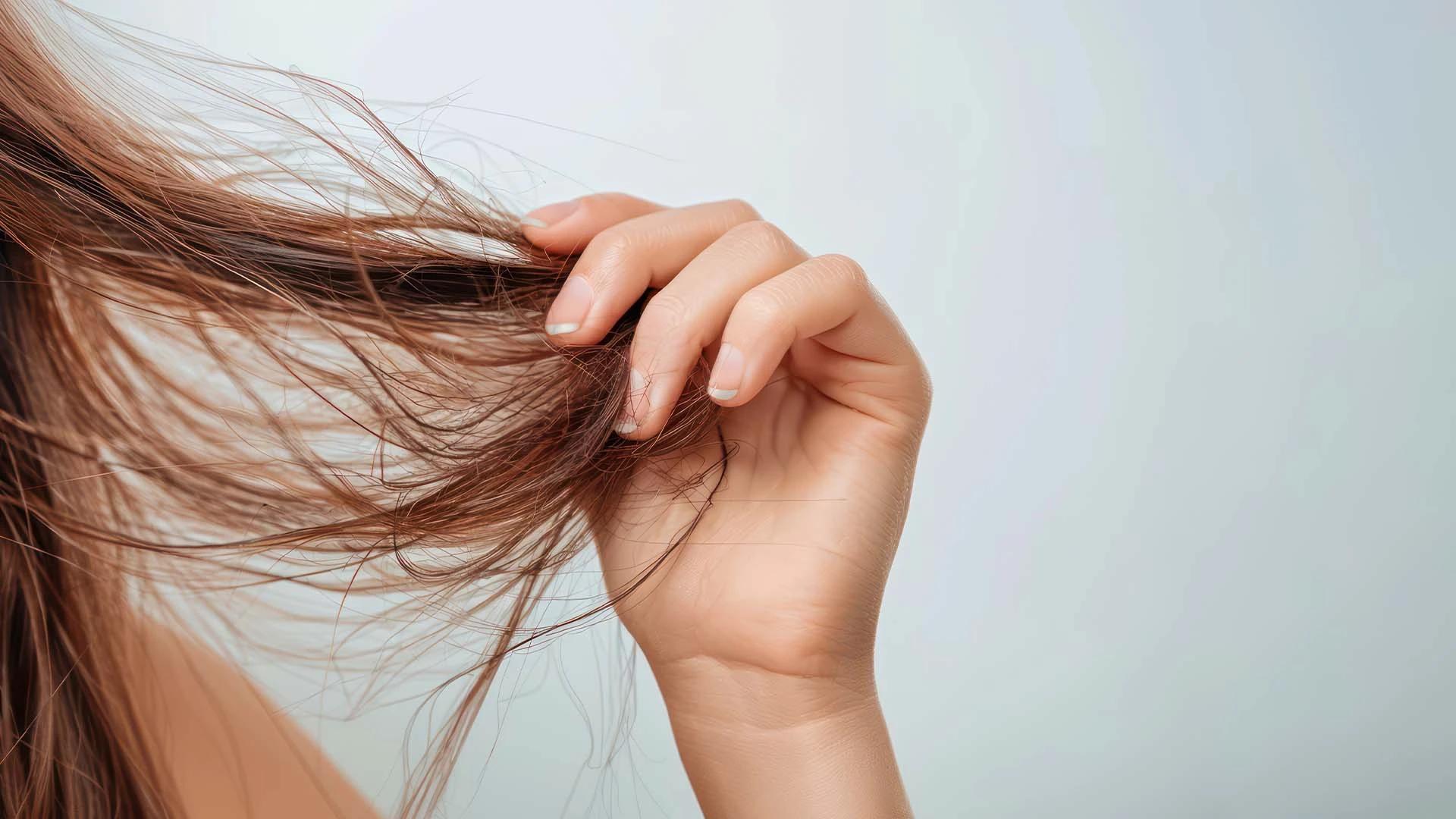
Spotting the signs of dry hair isn't always as obvious as you might think. Sure, your hair might feel a bit rough, but there are several telltale indicators that your strands are crying out for moisture. The texture is usually the first giveaway – healthy hair should feel smooth and soft to the touch, while dry hair often feels coarse, rough, or even straw-like.
One of the most visible dry hair symptoms is the lack of natural shine. Healthy hair reflects light beautifully, giving it that glossy, vibrant look we all want. When hair dryness sets in, the cuticles become raised and damaged, scattering light instead of reflecting it smoothly. This leaves your hair looking dull and lifeless, even right after washing.
Split ends are another major red flag. These occur when the hair shaft literally splits at the ends, creating a frayed appearance. You might notice your hair breaking more easily when you brush it, or find shorter pieces scattered around your bathroom after styling. Tangling is also a common issue – dry hair tends to catch on itself, making it difficult to comb through without causing further damage.
Beyond what you can see, there are physical signs of dry hair that you'll definitely feel. Brittle hair that snaps easily when you stretch it is a clear indicator that your strands lack moisture. Healthy hair should have some elasticity – it should stretch slightly and then return to its original length without breaking.
Pay attention to how your hair behaves in different conditions. Dry hair often becomes more frizzy and unmanageable in humid weather, as the damaged cuticles try to absorb moisture from the air. You might also notice more flyaways and static, especially during winter months when the air is drier.
Getting to the root of your hair dryness means understanding what's causing it in the first place. Environmental factors play a huge role – constant exposure to sun, wind, and low humidity can gradually strip your hair of its natural oils. If you live in a particularly dry climate or spend lots of time outdoors, your hair is working overtime to maintain moisture levels.
Heat styling is probably one of the biggest culprits behind damaged hair. Those daily blow-dry sessions, weekly straightening treatments, and occasional curling marathons all take their toll. High temperatures literally evaporate the moisture from your hair shaft, leaving it parched and vulnerable. The damage is cumulative too – each heat styling session adds to the problem.
Chemical processing is another major factor in dry hair causes. Hair dye, bleaching, perms, and relaxers all work by breaking down the hair's natural structure. While these treatments can give you the look you want, they also compromise your hair's ability to retain moisture. The more processed your hair is, the more prone it becomes to dryness and breakage.
Sometimes the issue isn't what you're doing to your hair, but what you're not giving your body. Nutritional deficiencies, particularly lack of essential fatty acids and protein, can affect hair moisture from the inside out. Hormonal changes, thyroid disorders, and certain medications can also impact your hair's natural oil production.
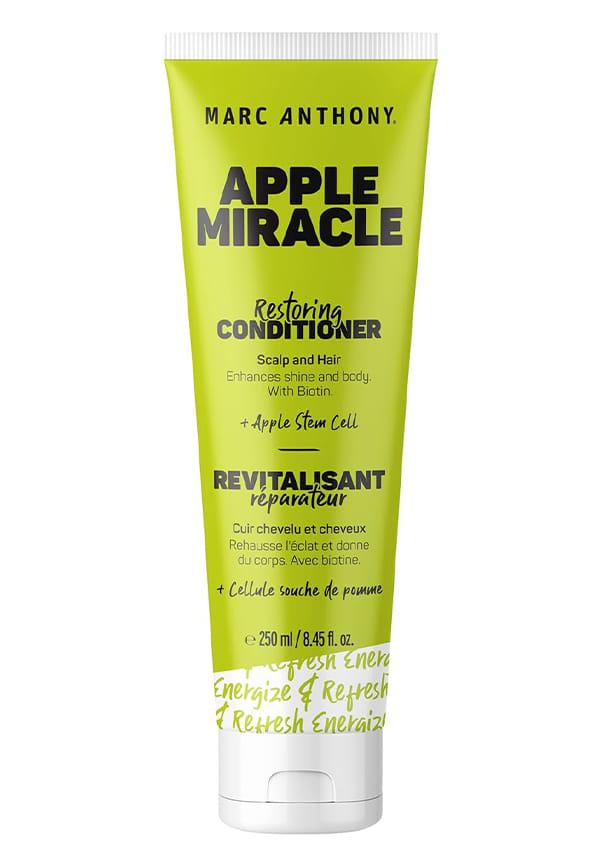
Apple Miracle Restoring Conditioner
Overwashing with harsh shampoos is surprisingly common. Many people think clean hair means healthy hair, but stripping away natural oils too frequently can leave your scalp struggling to keep up with oil production. Sulfates and other harsh cleansing agents can be particularly drying, especially if used daily.
Understanding the difference between normal hair variations and genuine hair dryness can help you determine whether you need to adjust your routine. Normal hair has a smooth cuticle layer that lies flat, allowing light to reflect evenly and giving your hair that healthy shine. It should feel soft and smooth, with some natural elasticity when gently stretched.
In contrast, dry hair symptoms include a rough, raised cuticle that makes strands feel coarse and look dull. The hair may feel brittle and break easily, lacking the flexibility that healthy hair should have. You might notice that your hair tangles more easily and takes longer to style, requiring more product to look smooth and manageable.
Hair hydration levels can also vary seasonally. It's normal for hair to feel slightly drier in winter when humidity levels drop, but this should be temporary and manageable with minor routine adjustments. If your hair feels consistently dry regardless of weather conditions, or if the dryness is severe enough to cause significant breakage, you're likely dealing with genuine hair dryness that needs attention.
Try the elasticity test: take a single strand of clean, wet hair and gently stretch it. Healthy hair should stretch about 30% of its length before breaking. If it snaps immediately or stretches much further before breaking, this indicates either dryness or over-processing.
Your scalp health directly impacts your hair's moisture levels, making dry scalp a crucial factor in overall hair hydration. The sebaceous glands in your scalp produce natural oils that travel down the hair shaft, providing moisture and protection. When your scalp is dry, these glands may not function optimally, leaving your hair without adequate natural conditioning.
Signs of dry scalp include flaking, itching, tightness, and sometimes even irritation or redness. Unlike dandruff, which is caused by an overgrowth of yeast and produces larger, oilier flakes, dry scalp creates smaller, white flakes that feel dry to the touch. This condition often goes hand-in-hand with damaged hair, as both stem from similar causes like harsh products, over-washing, or environmental factors.
The relationship between scalp and hair health is cyclical – a dry scalp produces less oil, leading to dry hair, which then becomes more prone to damage and breakage. This damage can further irritate the scalp, perpetuating the cycle. Addressing scalp health is often the first step in restoring hair moisture and preventing future dryness.
Treating dry hair requires a multi-pronged approach that addresses both immediate moisture needs and long-term hair health. Deep conditioning treatments should become your best friend – weekly masks containing ingredients like keratin, argan oil, or shea butter can help restore moisture and repair damaged cuticles. Look for treatments that you leave on for 10-20 minutes to allow proper penetration.
Your daily routine needs an overhaul too. Switch to sulfate-free shampoos that cleanse without stripping natural oils, and consider co-washing (using conditioner only) on some days. Leave-in treatments are crucial for ongoing hair hydration – lightweight oils, serums, or cream-based products can provide continuous moisture throughout the day.
Heat protection becomes non-negotiable when you're dealing with dry hair. Always apply a thermal protectant before using any heated styling tools, and try to reduce heat styling frequency. When possible, let your hair air-dry or use the cool setting on your blow dryer. Lower temperatures take longer but cause significantly less damage.
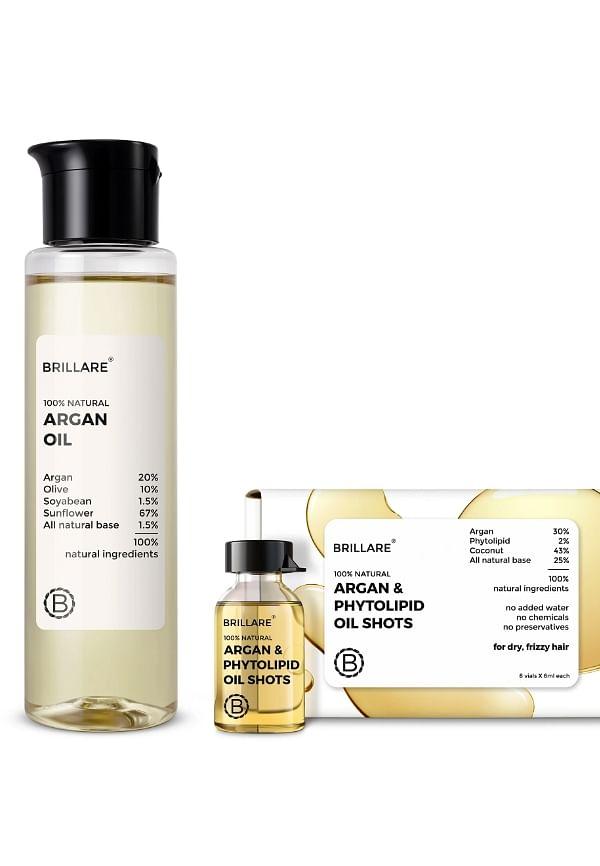
Hair Nourishing Duo for Dry & Frizzy Hair
Sometimes home treatments aren't enough, and professional help can make a real difference. Salon treatments like keratin therapies, glossing services, or intensive repair treatments can provide deeper restoration than at-home products. These treatments often use professional-grade ingredients and techniques that penetrate more effectively.
Your hair does most of its repair work while you sleep, making overnight treatments particularly effective. Apply a nourishing oil treatment to your hair before bed, focusing on the mid-lengths and ends. Protective styling, like loose braids or silk scarves, can prevent friction damage while you sleep.
Prevention is always better than cure when it comes to split ends and brittle hair. Regular trims every 6-8 weeks remove damaged ends before they can split further up the hair shaft. This might seem counterproductive if you're trying to grow your hair, but removing damaged ends actually promotes healthier growth in the long run.
Your brushing technique matters more than you might think. Use a wide-tooth comb on wet hair, starting from the ends and working your way up to avoid pulling and breaking. For dry hair, a boar bristle brush can help distribute natural oils from your scalp down the hair shaft. Never brush wet hair aggressively, as it's at its most vulnerable when saturated with water.
Protective styling isn't just for special occasions – it should be part of your daily routine. Silk or satin pillowcases reduce friction while you sleep, preventing tangles and breakage. If you have long hair, consider loose braids or a silk scarf to protect your ends overnight.
If you colour or chemically treat your hair, spacing out treatments and using bond-building products can help minimise damage. Always follow up chemical services with intensive conditioning treatments, and consider reducing the frequency of processing if your hair shows signs of severe dryness.
While most cases of hair dryness can be managed at home, some situations require professional intervention. If your hair remains persistently dry despite following a proper moisturising routine for several weeks, it might be time to consult a trichologist or dermatologist. Underlying medical conditions like thyroid disorders or hormonal imbalances can affect hair health and require medical treatment.
Severe chemical damage, particularly from bleaching or over-processing, often needs professional repair. A skilled colourist can assess the damage and recommend treatments like Olaplex or similar bond-rebuilding services. They can also advise on whether your hair needs a significant cut to remove irreparable damage.
If you're experiencing excessive hair loss alongside dryness, or if your scalp shows signs of irritation, inflammation, or unusual flaking, these could indicate more serious conditions that need medical attention. Don't ignore persistent scalp issues, as they can worsen over time and affect new hair growth.
With consistent care, you should notice some improvement in hair texture and manageability within 2-3 weeks. However, significant changes in shine and overall health typically take 6-8 weeks, as this is roughly one complete hair growth cycle. Remember that severely damaged hair may need to be trimmed away, as some damage cannot be fully reversed.
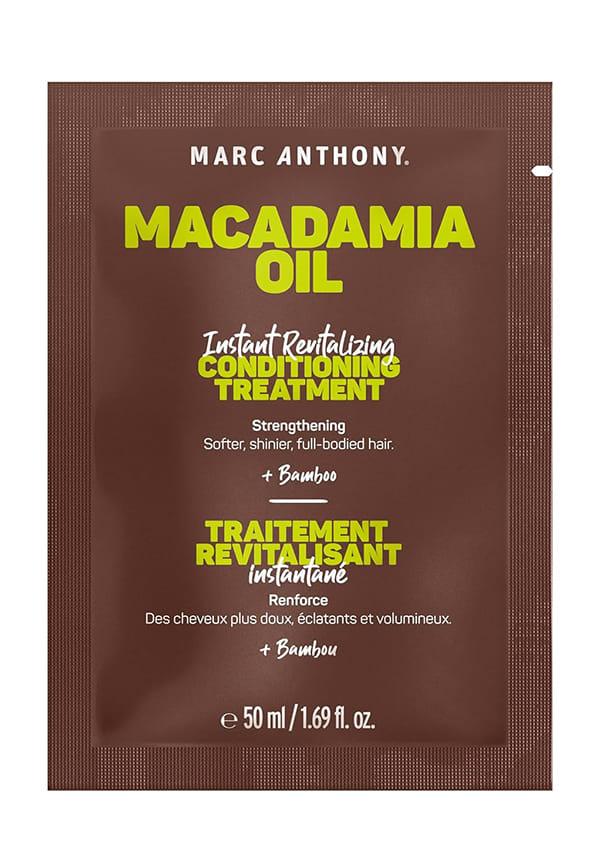
Repairing Macadamia Oil Deep Conditioning Treatment
The hair shaft itself cannot repair once damaged, but your scalp continuously produces new, healthy hair. With proper care, new growth will be healthier, and existing hair can be improved to some extent. Severe damage like chemical burns or excessive heat damage may require cutting off the affected portions.
Dry hair lacks oil (lipids), while dehydrated hair lacks water. Dry hair often feels coarse and rough, while dehydrated hair might feel brittle but still look somewhat shiny. Both conditions can occur simultaneously and require slightly different treatment approaches.
Sulfates, particularly sodium lauryl sulfate, can be too harsh for dry hair. Alcohol-based products (except fatty alcohols like cetyl alcohol) can also be drying. Avoid products with high concentrations of protein if your hair is already brittle, as too much protein can make hair stiff and prone to breakage.
Most people with dry hair benefit from washing 2-3 times per week maximum. Over-washing strips natural oils that dry hair desperately needs. On non-wash days, you can refresh your hair with dry shampoo or simply rinse with water and apply leave-in conditioner.
Absolutely. Essential fatty acids from foods like salmon, avocados, and nuts help maintain hair moisture from the inside out. Protein deficiency can also affect hair structure and moisture retention. A balanced diet with adequate healthy fats and protein supports overall hair health.
Yes, lower humidity levels in winter can temporarily increase hair dryness. Indoor heating also contributes to this. Adjusting your routine with more intensive moisturising treatments during colder months is perfectly normal and beneficial.
If your ends are severely split, breaking constantly, or feel significantly different in texture from your roots, a trim is usually the best option. Hair that doesn't respond to moisturising treatments after 6-8 weeks of consistent care may need to be cut to allow healthy new growth.
Recognising the signs of dry hair early can save you from more serious damage down the line. From rough texture and lack of shine to split ends and breakage, these symptoms tell a story about what your hair needs. Understanding the causes – whether environmental, chemical, or lifestyle-related – helps you make better choices for your hair's future health.
The journey back to healthy, hydrated hair takes patience and consistency. Focus on gentle cleansing, regular deep conditioning, heat protection, and addressing any underlying scalp issues. Remember that some damage may need to be trimmed away, but with the right approach, your new growth can be stronger and healthier than before.
If you're looking to experiment with different hair treatments and products to find what works best for your dry hair, Smytten's curated selection of haircare brands offers an excellent way to test products before committing to full sizes. Not sure which deep conditioning treatment or leave-in product will work for your specific hair type? Smytten also offers trial-size versions of many of these products – a smart way to explore your options before investing in full bottles.
