Shield Hair from Rain: Your FAQ on Hair Rain Protection


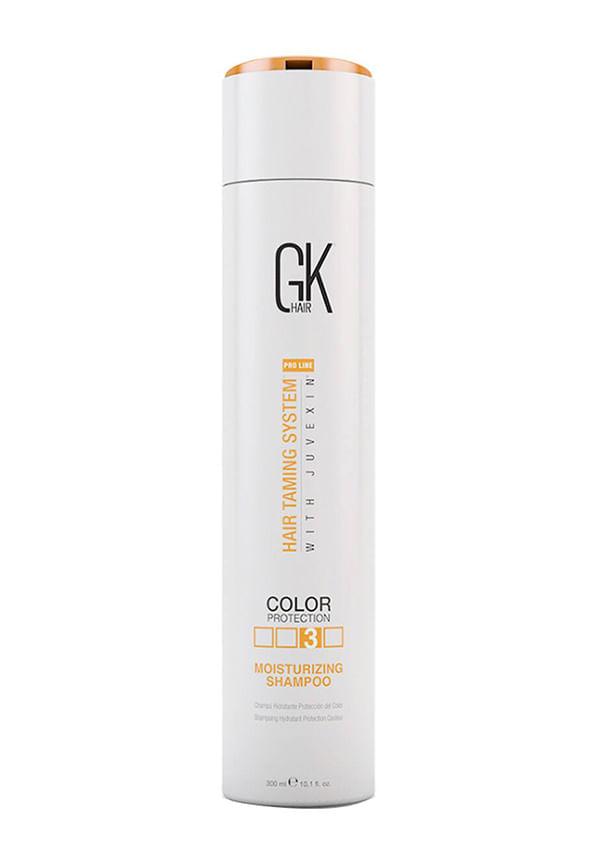
Moisturizing Shampoo Color Protection
Picture this: you've just stepped out with perfectly styled hair, and then the sky decides to open up. Within minutes, your sleek blowout has turned into a frizzy mess, or your carefully crafted curls have gone completely flat. Sound familiar? Rain doesn't just get you wet—it completely rewrites your hair's entire structure, leaving you looking like you've been through a wind tunnel. The good news? You don't have to surrender to unpredictable weather. Learning how to shield hair from rain is totally doable with the right prep, products, and know-how.
Let's get real about what's actually happening when raindrops hit your hair. Your hair shaft has tiny overlapping scales called cuticles that act like roof tiles. When these cuticles are smooth and flat, your hair looks shiny and behaves nicely. But when moisture from rain penetrates these cuticles, your hair literally swells up from the inside out.
This swelling is what causes that dreaded frizz—your hair is basically having an identity crisis as it tries to absorb all that extra moisture. The hydrogen bonds that keep your hair's shape get disrupted, which is why your straight hair might suddenly develop kinks, or your curls might lose their bounce entirely. It's not just about getting wet; humidity in the air during rainy weather continues this process even after you've dried off.
Different hair types face their own unique rain-related struggles. If you've got curly or textured hair, rain tends to amplify frizz and can completely change your curl pattern. Fine or straight hair often goes limp and loses all its volume when exposed to moisture. And if your hair is chemically treated—think bleached, coloured, or chemically straightened—those damaged cuticles make your strands even more vulnerable to rain damage because they can't properly seal out moisture.
The secret to effective hair rain protection starts way before you step outside. Think of it like waterproofing a jacket—you need to create a barrier that moisture can't penetrate. This means choosing the right products and applying them strategically.
Start with a good leave-in conditioner that contains silicones or natural oils. These ingredients create a protective film around each strand that helps repel water. Apply it to damp hair, focusing on the mid-lengths and ends where your hair is most porous. Next, layer on an anti-humidity spray or serum. These products are specifically formulated to block moisture from entering your hair shaft.
Your styling technique matters just as much as your products. If you're blow-drying, make sure your hair is completely dry—any residual moisture will make your hair more susceptible to humidity. Use a heat protectant that doubles as a moisture barrier, and consider finishing with a light mist of hairspray to lock everything in place.
Sometimes the simplest solutions are the most effective. A good hood, hat, or scarf can be your hair's best friend on rainy days. Look for options with smooth linings that won't create friction against your hair. Silk or satin-lined hoods are brilliant because they protect from rain while preventing frizz from rubbing.
If you're carrying an umbrella anyway, make sure it's big enough to actually cover your head properly. Those tiny compact umbrellas might fit in your bag, but they're pretty useless for protecting your hair from sideways rain or wind-blown droplets.
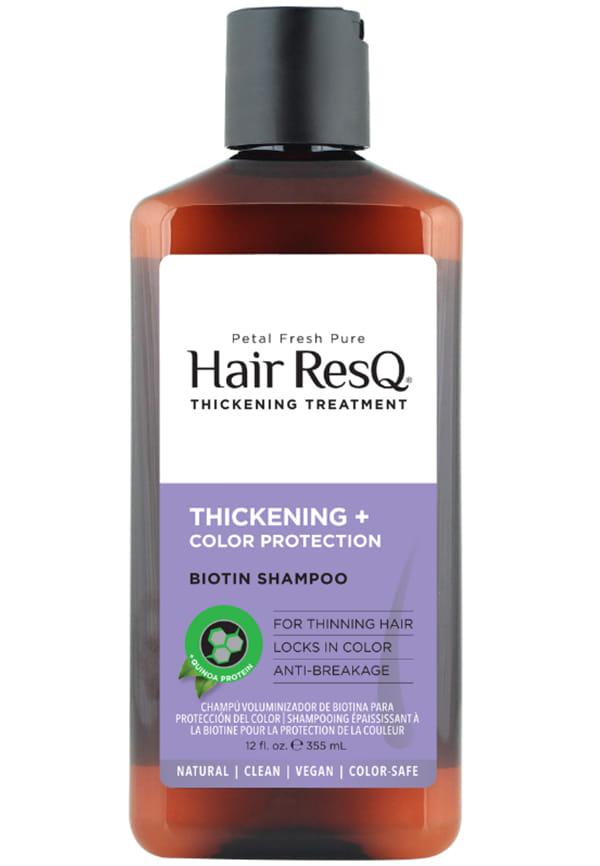
Hair ResQ Thickening Shampoo Color Protection
When it comes to humidity resistant hair products, not all formulas are created equal. Look for products that contain ingredients like dimethicone, cyclomethicone, or natural oils like argan or coconut oil. These create a protective barrier without weighing your hair down.
Anti frizz hair serums work by smoothing down the cuticle and creating a moisture-repelling layer. Apply them to slightly damp hair for best results—the moisture helps distribute the product evenly, and as your hair dries, the serum forms a protective coating. For fine hair, use these products sparingly to avoid greasiness.
Leave-in treatments with UV and humidity protection are worth their weight in gold during rainy seasons. They multitask by protecting against environmental damage while keeping moisture out. Apply these from mid-length to ends, avoiding the roots if you have oily hair.
How you apply your products can make or break your rain protection strategy. Always work products through damp hair using a wide-tooth comb to ensure even distribution. Start with the smallest amount possible—you can always add more, but it's hard to remove excess product once it's in your hair.
For longer hair, section it off and apply products systematically to make sure every strand gets covered. Pay extra attention to the ends, which are the oldest and most damaged part of your hair, making them more vulnerable to moisture penetration.
The right hairstyle can be your secret weapon for rainy day hair care. Styles that keep your hair contained and protected from direct moisture exposure will always perform better than loose, flowing styles.
Braids are brilliant for wet weather because they keep your hair secure and create a natural barrier against moisture. Dutch braids, where you braid under instead of over, lie flatter against your head and provide better protection. French braids work well too, especially if you braid slightly damp hair with a bit of styling cream for extra hold.
Secure updos like buns and chignons keep most of your hair away from rain entirely. The key is making sure they're tight enough to stay put but not so tight that they create tension headaches. Use bobby pins that match your hair colour and finish with a light mist of hairspray for extra security.
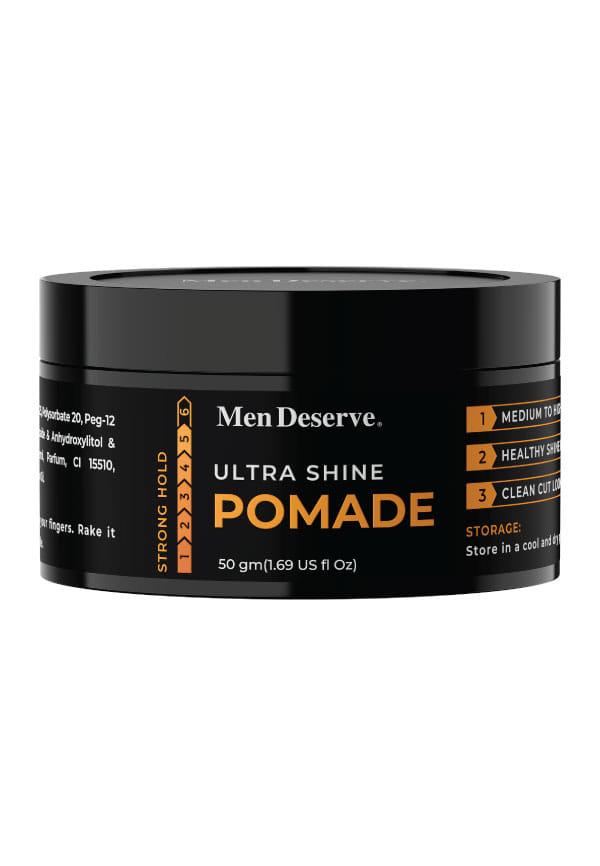
Hair Styling Ultra Shine Pomade for Strong Hold and Wet Look Hairstyle
Sometimes rain catches you completely off guard. When this happens, resist the urge to touch your hair too much while it's wet—this just spreads the moisture around and creates more frizz. Instead, gently blot excess water with a paper towel or tissue.
If you have a hair elastic with you, quickly twist your hair into a loose bun to prevent further damage. Once you're somewhere dry, you can assess the situation and decide whether to restyle or work with what you've got.
When rain has already done its worst, your recovery strategy depends on how wet your hair got and what your natural texture is like. If your hair is just slightly damp, you might be able to salvage your style with some strategic finger-combing and a bit of anti-frizz serum.
For hair that's properly soaked, your best bet is often to embrace the change rather than fight it. Scrunch in some mousse or curl cream and let your hair air dry into its natural texture. This approach works especially well for wavy or curly hair that might actually look better with some extra moisture and definition.
Avoid the temptation to brush wet hair aggressively—this just breaks up your natural curl pattern and creates more frizz. Instead, use a wide-tooth comb or your fingers to gently detangle, working from the ends up to the roots.
If you're dealing with frequent rain exposure, your hair might need some extra TLC to stay healthy. Weekly deep conditioning treatments can help repair moisture damage and strengthen your hair's natural barrier. Look for masks that contain proteins to rebuild damaged cuticles and oils to restore moisture balance.
Clarifying shampoos used once a week can also help remove product buildup that might be weighing your hair down or preventing your protective products from working effectively.
Start with a moisture-blocking base using leave-in conditioner and anti-humidity products. Create physical barriers with hoods, hats, or umbrellas, and choose protective hairstyles like braids or updos. The key is layering protection—both product-based and physical—before you head out.
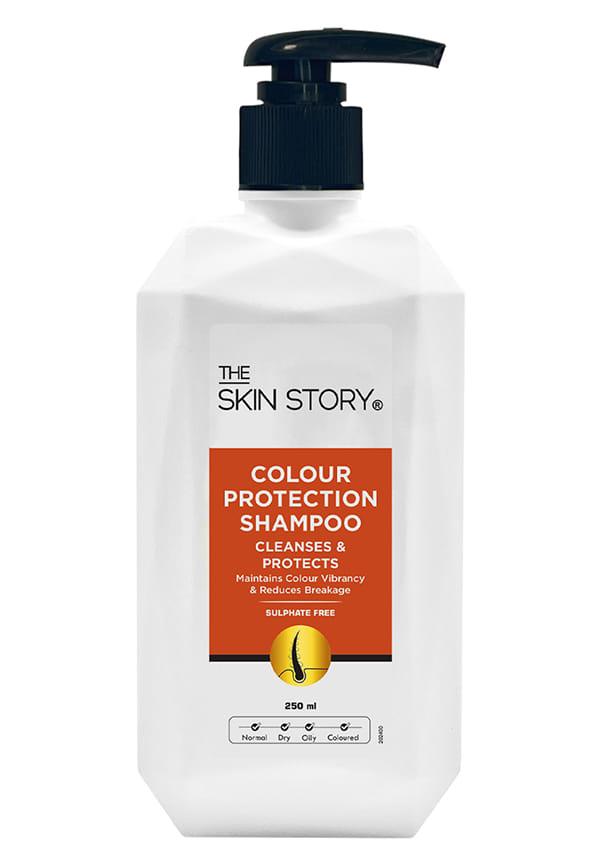
Colour Protection Shampoo For Coloured Hair
While you can't make hair 100% rainproof, you can significantly reduce damage by using silicone-based serums, waterproof styling products, and protective accessories. Focus on creating a moisture barrier with the right products and keeping your hair contained in weather-resistant styles.
Frizz happens when moisture penetrates damaged cuticles, so smooth and seal your cuticles first with anti-frizz serums or oils. Use humidity-blocking sprays and avoid touching your hair when it's wet. If frizz does occur, work with it rather than fighting it by scrunching in curl-enhancing products.
Gently blot excess moisture without rubbing, then apply a small amount of anti-frizz serum or oil to damp hair. Avoid brushing and instead use fingers or a wide-tooth comb to detangle. Let your hair air dry or use a diffuser on low heat to maintain your natural texture.
Regular hairspray provides some protection by creating a light barrier, but it's not specifically designed for humidity resistance. Anti-humidity sprays contain ingredients that actively repel moisture and are much more effective for rainy weather protection.
You don't need to wash your hair every time it gets rained on unless it's visibly dirty or smells musty. Over-washing can strip natural oils that help protect against moisture. Instead, focus on gentle cleansing 2-3 times per week and use dry shampoo between washes if needed.
Learning to shield hair from rain is all about preparation and having realistic expectations. Your hair will never be completely immune to weather, but with the right products, techniques, and protective strategies, you can minimise damage and maintain better-looking hair even on the wettest days.
Remember that different hair types need different approaches—what works for your friend's fine, straight hair might not work for your thick, curly hair. Experiment with different products and techniques to find your perfect rainy day routine. The key is consistency in your hair care for wet weather, not perfection in every single outcome.
If you're still figuring out which products work best for your hair type and concerns, Smytten offers trial-size versions of many humidity-resistant and anti-frizz products from trusted brands. It's a smart way to test different formulas before committing to full-size bottles, especially when you're building your weather-protection arsenal.
