Scalp Itch Causes FAQ: Understanding Your Itchy Scalp

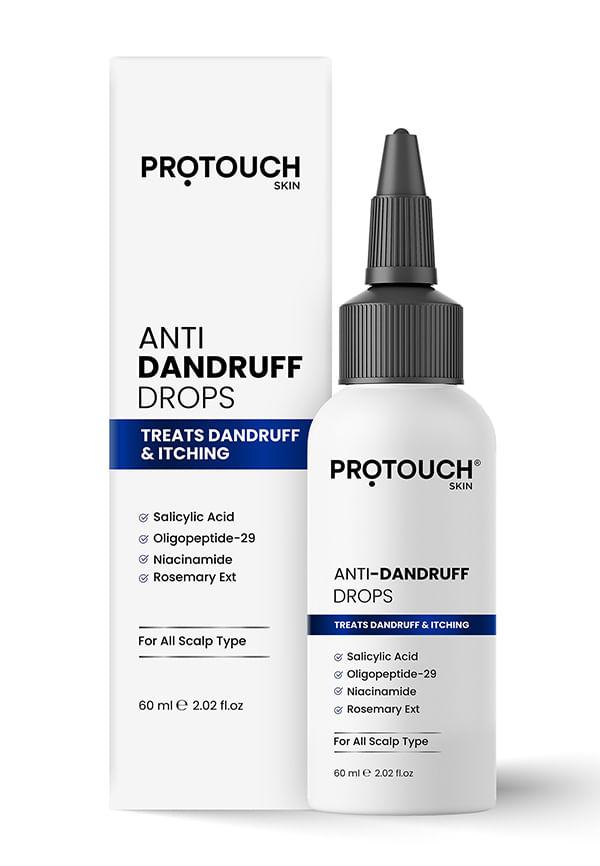
SKIN Anti Dandruff Drops Serum Soothes Itchy, Inflamed Scalp
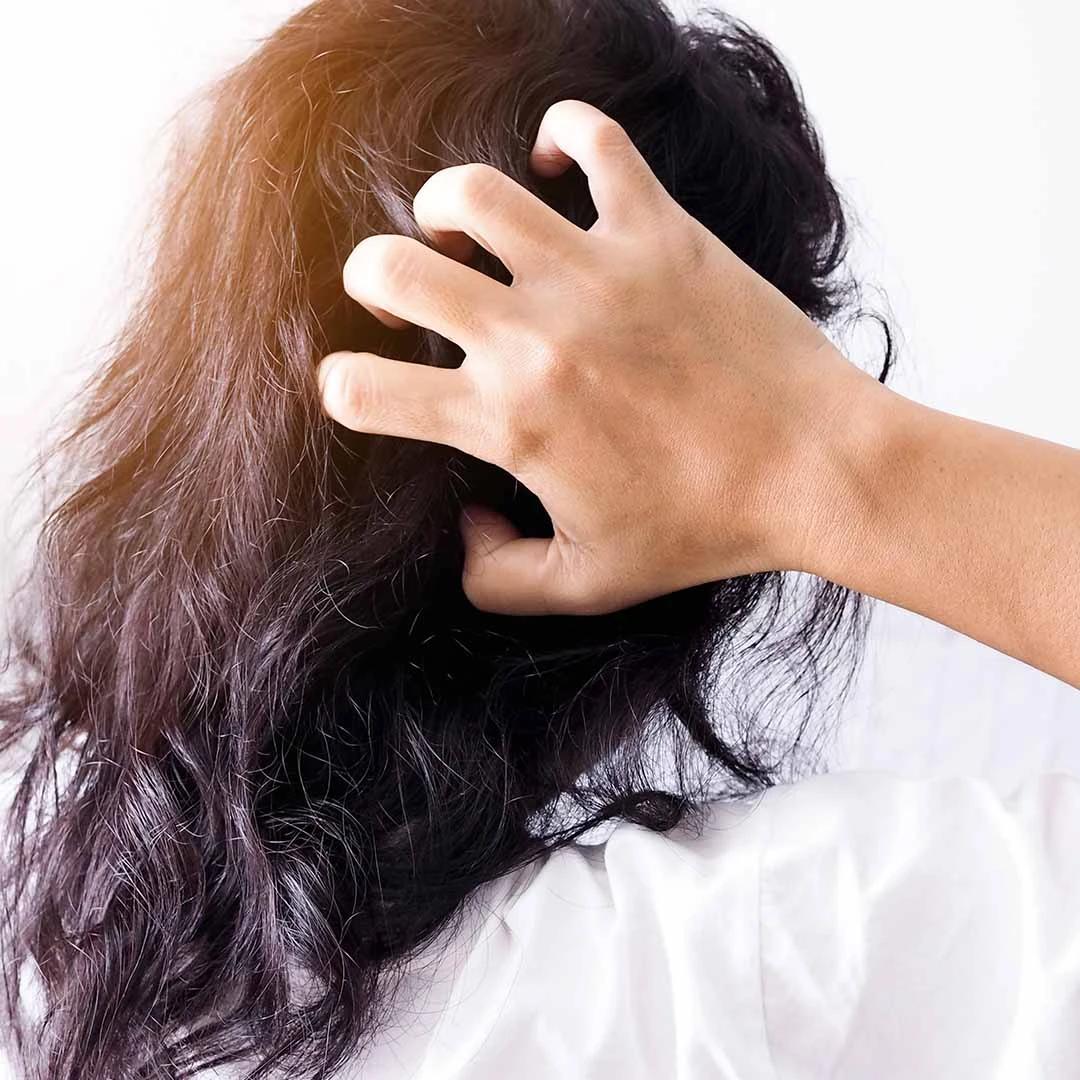
You know that feeling when your scalp just won't stop itching? You're sitting in a meeting, trying to focus, but all you can think about is scratching your head. Or worse, you're lying in bed at night, and the itch seems to get more intense just when you need to sleep. If this sounds familiar, you're definitely not alone. Scalp itch causes can range from simple dryness to more complex conditions, and understanding what's behind your itchy scalp is the first step to finding real relief.
Let's be real—when your scalp starts acting up, dandruff is usually the first suspect. But here's the thing: what most people call "dandruff" is actually seborrheic dermatitis, and it's way more common than you might think. This condition affects about 50% of adults at some point, making it the top reason behind scalp irritation.
Seborrheic dermatitis happens when a yeast called Malassezia decides to throw a party on your scalp. This yeast naturally lives on everyone's skin, but sometimes it gets a bit too comfortable and starts overgrowing. When this happens, your scalp responds with inflammation, leading to those telltale flakes and that persistent itch that just won't quit.
The Malassezia yeast feeds on the natural oils your scalp produces, which explains why people with oilier scalps often struggle more with this condition. But here's where it gets interesting—you can also have dry scalp dandruff, which looks similar but has different underlying causes. Oily dandruff tends to produce larger, yellowish flakes that stick to your hair, while dry scalp creates smaller, white flakes that fall easily onto your shoulders.
Spotting seborrheic dermatitis is pretty straightforward. Look for white or yellowish flakes, redness around your hairline, and that classic itchy feeling that gets worse when you're stressed or the weather changes. The flakes might also appear in your eyebrows or around your nose—this yeast doesn't just stick to your scalp.
While seborrheic dermatitis takes the crown for most common scalp irritation, it's definitely not the only player in the game. Your itchy scalp could be telling you about several different conditions, each with its own personality and treatment approach. Understanding these different scalp itch causes helps you figure out what's actually happening up there and how to tackle it properly.
Scalp ringworm might sound scary, but it's actually just a fungal infection that creates circular patches of hair loss with scaly, itchy borders. It's more common in children but can affect adults too, especially if you've been sharing hair tools or hats. Scalp folliculitis is another troublemaker—this happens when hair follicles get inflamed, often from bacteria getting into tiny cuts from scratching. Both conditions need proper treatment to clear up completely.
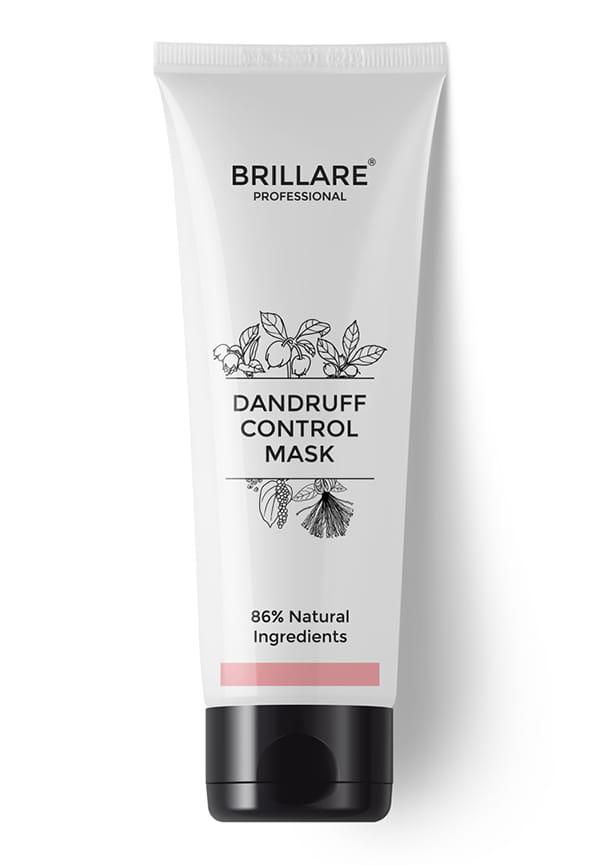
Conditioner For Itchy, Flaky Scalp
Scalp psoriasis creates thick, silvery scales that can extend beyond your hairline onto your forehead and neck. Unlike regular dandruff, these scales are much thicker and harder to remove. Atopic dermatitis on the scalp tends to affect people with sensitive skin overall, creating red, inflamed patches that react to everything from weather changes to stress. These conditions often require a gentler approach to haircare for itchy scalp management.
Sometimes your scalp is just trying to tell you that it doesn't like what you're putting on it. Contact dermatitis from hair products can develop suddenly, even with products you've used for years. Product buildup from styling gels, dry shampoos, and leave-in treatments can also create a layer that traps bacteria and irritates your sensitive scalp. The tricky part is that the reaction might not happen immediately—it can take days or weeks to develop.
Dry scalp becomes more common during winter months when heating systems suck moisture from the air. Hard water with high mineral content can leave deposits that make your scalp feel tight and itchy. Even pollution and UV damage can contribute to scalp inflammation, especially if you spend a lot of time outdoors. Stress is another major player—when you're stressed, your body produces more inflammatory compounds that can trigger scalp irritation.
If you've noticed that your scalp itch gets worse when you're trying to sleep, you're not imagining things. There's actually science behind why nighttime seems to amplify scalp irritation, and understanding this can help you find better relief.
Your body temperature naturally rises slightly at night, which can increase blood flow to your scalp and make inflammation more noticeable. Plus, when you're lying down, you're not distracted by daily activities, so you become more aware of sensations like itching. Your body also produces less cortisol at night—this hormone naturally suppresses inflammation, so when levels drop, any existing scalp irritation can feel more intense.
Your pillowcase could be harbouring dust mites or detergent residues that trigger allergic reactions. Hair products that seemed fine during the day can concentrate on your scalp overnight, especially if you sleep on your side or stomach. Even stress hormones from a busy day can peak at bedtime, triggering scalp inflammation just when you need to relax.
When your scalp is driving you mad with itching, you need solutions that work fast. While addressing the underlying scalp itch causes is important for long-term relief, these immediate strategies can help you get through the worst moments without making things worse by scratching.
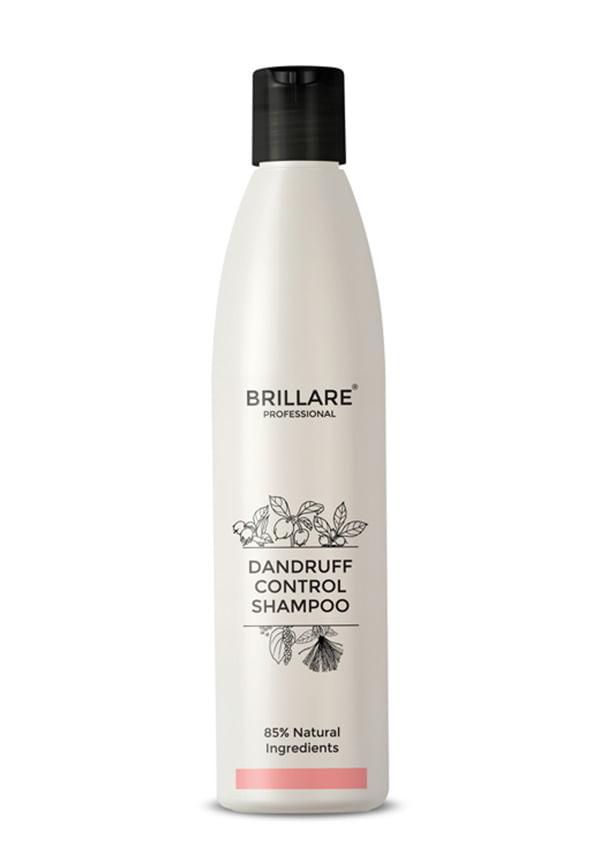
Dandruff Control Shampoo For Itchy, Flaky Scalp
A cool water rinse can provide instant relief by reducing inflammation and washing away any irritants sitting on your scalp. Add a few drops of tea tree oil to your rinse for extra anti-inflammatory benefits, or try aloe vera gel applied directly to the most irritated areas. Gentle scalp massage with your fingertips (never your nails) can improve circulation and provide relief without causing damage.
Medicated shampoos containing zinc pyrithione or selenium sulfide can tackle multiple scalp itch causes at once. These ingredients fight yeast overgrowth while reducing inflammation. The key is proper application—let the shampoo sit on your scalp for at least five minutes before rinsing to give the active ingredients time to work. Use lukewarm water, as hot water can strip your scalp's natural oils and make irritation worse.
Sometimes DIY solutions just aren't enough, especially when dealing with chronic scalp inflammation or underlying conditions that need medical attention. Knowing when to seek professional help can save you months of frustration and prevent your condition from getting worse.
If your itchy scalp persists for more than two weeks despite using medicated shampoos, it's time to get professional help. Red flag symptoms include hair loss, bleeding from scratching, pus-filled bumps, or spreading redness. Scalp psoriasis and severe seborrheic dermatitis often need prescription treatments to get under control properly.
Dermatologists can prescribe stronger antifungal medications for persistent yeast overgrowth or topical steroids for severe inflammation. Prescription shampoos often contain higher concentrations of active ingredients than over-the-counter options. For scalp folliculitis, antibiotic treatments might be necessary to clear bacterial infections completely.
The best approach to managing scalp itch causes is preventing them from happening in the first place. This means creating a gentle routine that supports your scalp's natural balance while avoiding common triggers that can set off irritation.
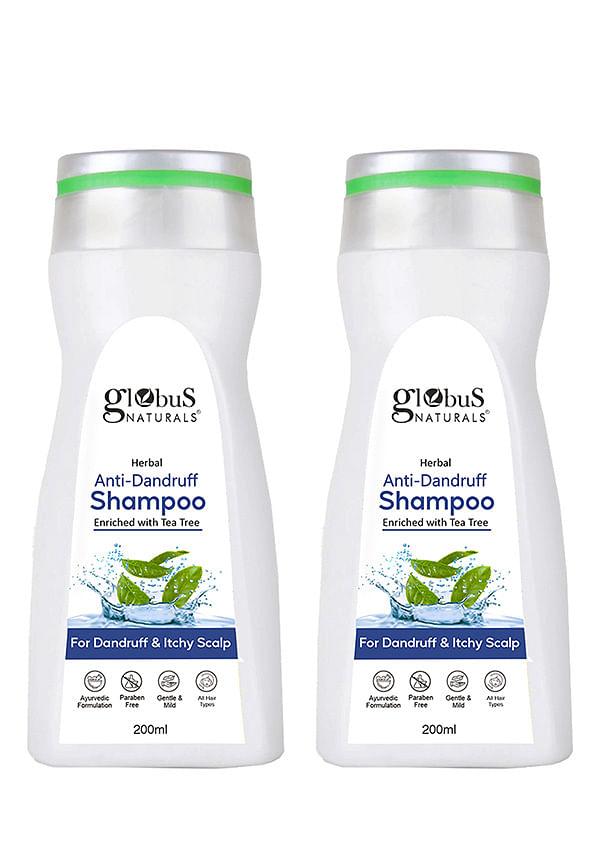
Anti Dandruff Shampoo, For Dandruff and Itchy Scalp
People with sensitive scalp should wash their hair every other day rather than daily, using lukewarm water and gentle, sulphate-free shampoos. Look for products with a pH between 4.5 and 6.5, which matches your scalp's natural acidity. Avoid ingredients like sodium lauryl sulphate, artificial fragrances, and alcohol-based products that can strip your scalp's protective barrier.
Your diet affects your scalp health more than you might think. Zinc deficiency can worsen dandruff, while omega-3 fatty acids help reduce inflammation. Managing stress through regular exercise or meditation can also help control scalp inflammation. Protect your scalp from environmental damage by wearing a hat in strong sun and using a humidifier during dry winter months.
Zinc deficiency is the most common nutritional cause of scalp irritation, as zinc helps regulate oil production and supports healthy skin cell turnover. Biotin deficiency can also contribute to scalp problems, along with insufficient omega-3 fatty acids, which are crucial for maintaining your scalp's anti-inflammatory defences. If you suspect nutritional deficiencies, consider adding foods rich in these nutrients or speak with a healthcare provider about supplements.
Absolutely. Pregnancy hormones can trigger seborrheic dermatitis or make existing scalp conditions worse. Menopause often brings dry scalp issues due to declining oestrogen levels, while thyroid imbalances can affect your scalp's oil production and sensitivity. If your scalp problems coincide with major hormonal changes, addressing the underlying hormonal issues often helps improve scalp health too.
It depends on the underlying cause. Fungal infections like scalp ringworm are definitely contagious and can spread through shared hair tools, hats, or pillowcases. However, seborrheic dermatitis, scalp psoriasis, and most other common scalp itch causes are not contagious. When in doubt, avoid sharing personal hair items until you know what's causing your symptoms.
Most people see improvement within 2-4 weeks of consistent treatment, but this varies depending on the underlying cause. Simple dry scalp might resolve in a few days with proper moisturising, while seborrheic dermatitis often takes several weeks of medicated shampoo use. Scalp psoriasis and other chronic conditions may require ongoing management rather than a complete "cure." The key is patience and consistency with whatever treatment approach works for your specific situation.
Understanding scalp itch causes is your first step toward finding real relief from persistent irritation. Whether you're dealing with seborrheic dermatitis, dry scalp, or product-related sensitivity, the right approach can make all the difference. Remember that what works for your friend might not work for you—scalp health is surprisingly individual, and finding your perfect routine might take some experimentation.
The most important thing is to be gentle with your scalp while you figure out what's going on. Avoid harsh scrubbing, hot water, and products with long ingredient lists until your irritation calms down. If over-the-counter solutions aren't cutting it after a few weeks, don't hesitate to see a dermatologist for professional guidance.
When you're ready to try new haircare products for your sensitive scalp, Smytten's curated selection includes gentle, dermatologist-recommended brands that cater to various scalp concerns. Not sure which formulation might work best for your specific type of scalp irritation? Smytten also offers trial-size versions of many scalp-soothing products—a smart way to test what works before committing to full-size bottles.
