Scalp Health & Hair Fall FAQ: Your Questions Answered

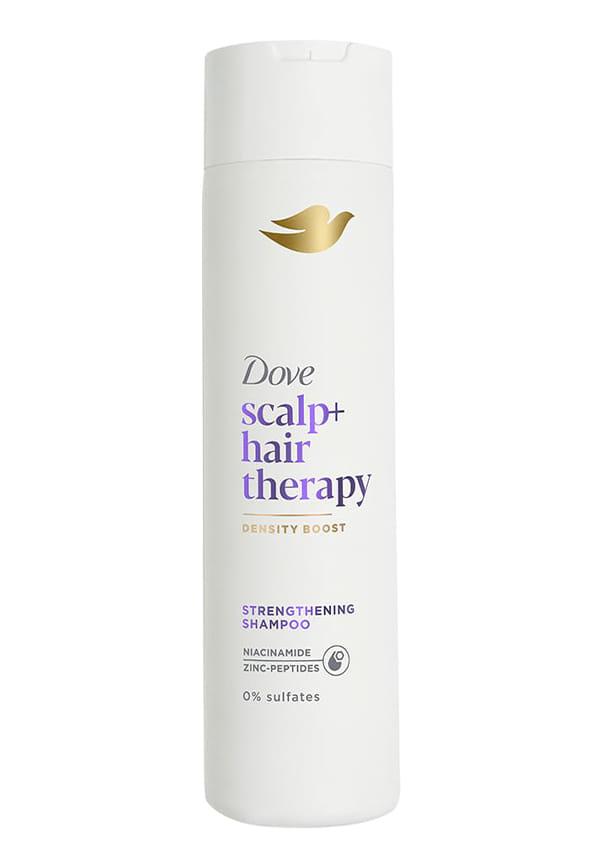
Dove Scalp+Hair Therapy Sulphate Free Density Boost Strengthening Shampoo
You know that sinking feeling when you run your fingers through your hair and come away with way more strands than you'd like? Or when you notice your scalp feeling tender, itchy, or just... off? Real talk — your scalp health and hair fall are more connected than you might think. If your scalp isn't happy, your hair won't be either. Let's dive into everything you need to know about keeping both in check.
Your scalp is basically the foundation for everything happening with your hair. Think of it like soil for a garden — if the soil isn't healthy, nothing's going to grow properly. When your scalp is dealing with inflammation, excess oil, or irritation, it creates an environment where hair follicles can't do their job effectively. This leads to weaker hair that falls out more easily and struggles to grow back strong.
When your scalp gets inflamed, it restricts blood flow to hair follicles. Less blood flow means fewer nutrients reaching your hair roots, which weakens the entire hair structure. Conditions like seborrheic dermatitis create a cycle where inflammation damages follicles, leading to hair that's more likely to break or fall out prematurely.
Keep an eye out for persistent itching, flaking, redness, or tender spots on your scalp. If you're losing more than 100-150 hairs daily (anything beyond that isn't normal), noticing patchy hair loss, or seeing your hair getting progressively thinner, your scalp health might be the culprit.
Several scalp conditions can directly impact your hair's ability to grow and stay put. Understanding what you're dealing with is the first step toward finding the right solution for your specific situation.
Dandruff isn't just annoying flakes — it's often a sign that your scalp's natural balance is off. When your scalp produces too much oil, it can feed yeast that naturally lives on your skin, leading to irritation and inflammation. This creates an environment where hair follicles become weak and hair falls out more easily than it should.
Fungal infections can create serious scalp health problems that directly impact hair growth. These infections often cause inflammation that damages hair follicles, leading to temporary or even permanent hair loss if left untreated. The key is catching these early and treating them properly.
Stress doesn't just affect your mood — it can seriously mess with your scalp health too. High stress levels increase cortisol production, which can disrupt your hair growth cycle and make your scalp more sensitive to other irritants.
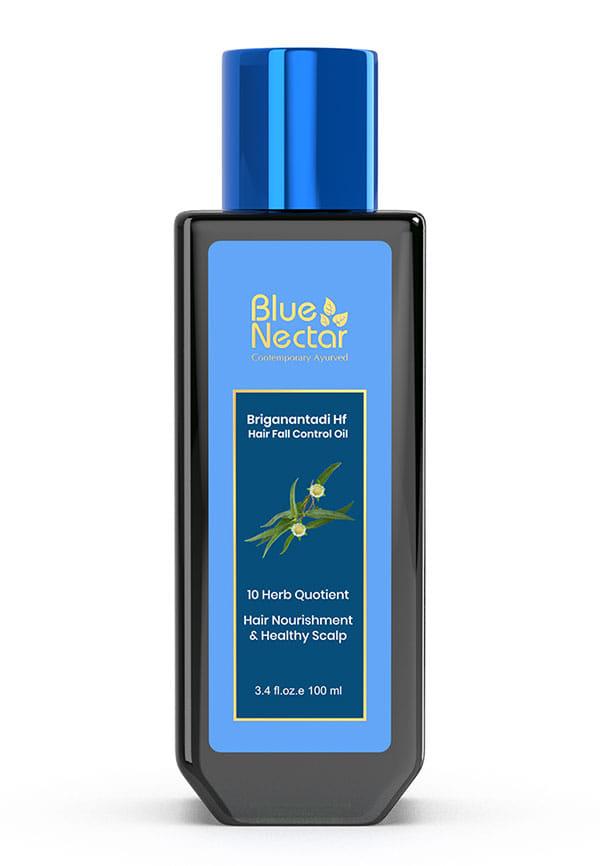
Briganantadi Hair Fall control and Healthy Scalp Hair Oil 10 Herbs
Building a solid scalp care routine is your best defence against hair fall. It doesn't have to be complicated, but it does need to be consistent. The right routine can help maintain healthy scalp conditions that support strong hair growth.
Start with gentle cleansing that removes buildup without stripping your scalp's natural oils. Choose shampoos based on your specific scalp type — if you have an oily scalp, you might need to wash daily, while dry scalps do better with less frequent washing. Always massage your scalp gently while shampooing to boost circulation.
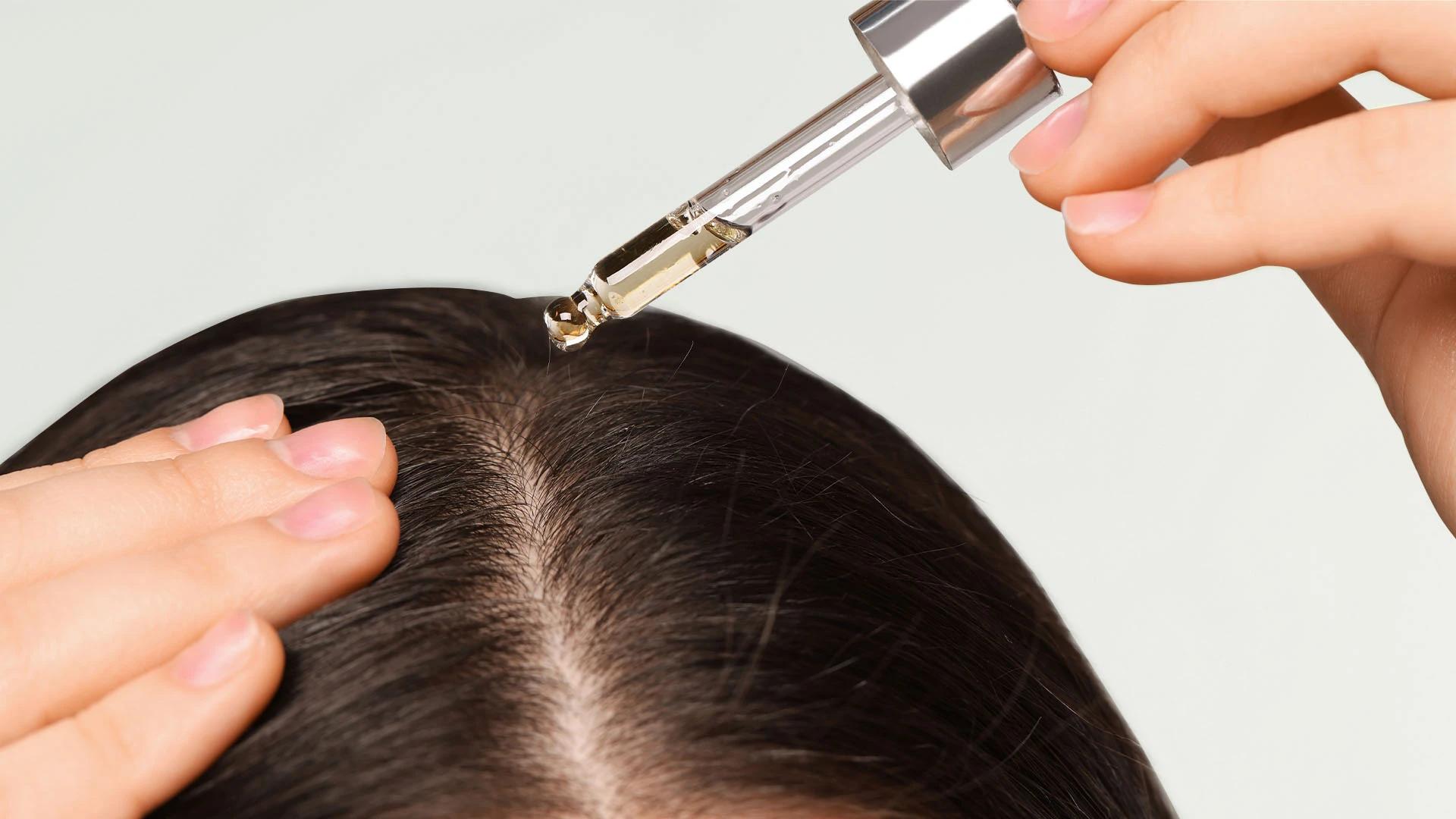
Once or twice a week, give your scalp some extra attention with a proper massage. Use your fingertips (not nails) to massage in circular motions for 5-10 minutes. This increases blood flow to hair follicles and can help with hair growth. You can do this with oils like coconut or jojoba, or even on dry hair.
Your scalp needs proper nutrition just like the rest of your body. Focus on getting enough iron, zinc, biotin, and vitamins A, C, and E. Foods like leafy greens, nuts, seeds, and fish can provide these nutrients naturally. Sometimes supplements help, but it's worth checking with a healthcare provider first.
While "immediately" might be a bit optimistic, there are natural approaches that can start helping your scalp health and reducing hair fall pretty quickly. These remedies work best when used consistently as part of a broader scalp care routine.
Aloe vera gel applied directly to your scalp can soothe irritation and reduce inflammation. Coconut oil works as a deep conditioning treatment that can strengthen hair and improve scalp health. Some people swear by onion juice for hair regrowth, though the smell might not be worth it for everyone.
Rosemary oil has shown promise in studies for promoting hair growth. Peppermint oil can increase circulation to the scalp. Tea tree oil helps with dandruff and scalp infections. Always dilute essential oils with a carrier oil before applying them to your scalp, and do a patch test first.
Fenugreek seeds soaked overnight and made into a paste can strengthen hair follicles. Green tea rinses provide antioxidants that support scalp health. Many Ayurvedic herbs like amla and bhringraj have been used traditionally for hair health, though scientific evidence varies.
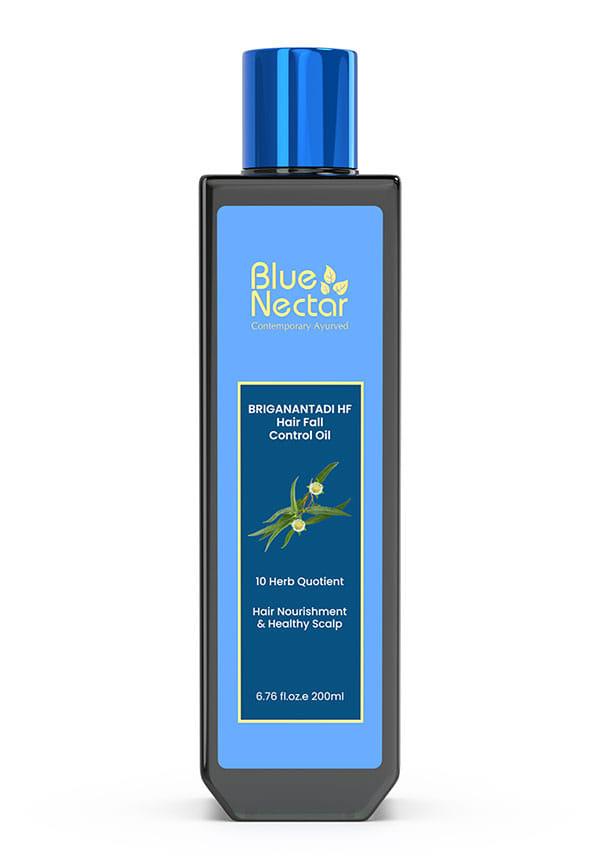
Briganantadi Hair Fall control and Healthy Scalp Hair Oil 10 Herbs
Sometimes natural remedies aren't enough, and that's completely normal. If you're dealing with significant hair fall or scalp issues that aren't improving with home care, it might be time to consider professional help.
See a professional if you're losing hair in patches, experiencing sudden or severe hair loss, or if your scalp is persistently inflamed or painful. They can properly diagnose conditions like alopecia areata, androgenetic alopecia, or scalp infections that need specific treatment.
Topical treatments like minoxidil can help with hair regrowth by increasing blood flow to follicles. Prescription shampoos with ketoconazole can address fungal issues affecting scalp health. Your dermatologist might also recommend oral medications depending on your specific situation.
PRP therapy uses your own blood platelets to stimulate hair growth. Microneedling can improve absorption of topical treatments and boost circulation. Low-level laser therapy is another option that some people find helpful for hair loss prevention.
Your overall lifestyle has a huge impact on both scalp health and hair fall. Making some adjustments to how you manage stress, protect your hair from environmental damage, and style your hair can make a real difference in the long run.
Find stress management techniques that actually work for you — whether that's meditation, regular exercise, or just making sure you get enough sleep. Chronic stress can push hair follicles into a resting phase, leading to increased hair fall months later.
Protect your scalp from sun damage with hats or UV-protective hair products. Air pollution can clog hair follicles and cause scalp irritation, so consider using clarifying treatments occasionally. Adjust your routine seasonally — your scalp might need more moisture in winter and less heavy products in summer.
Be gentle when brushing wet hair, avoid tight hairstyles that pull on your scalp, and limit heat styling when possible. If you do use heat tools, always use a heat protectant. Chemical treatments like bleaching or perming can stress both your hair and scalp, so space them out and use deep conditioning treatments.
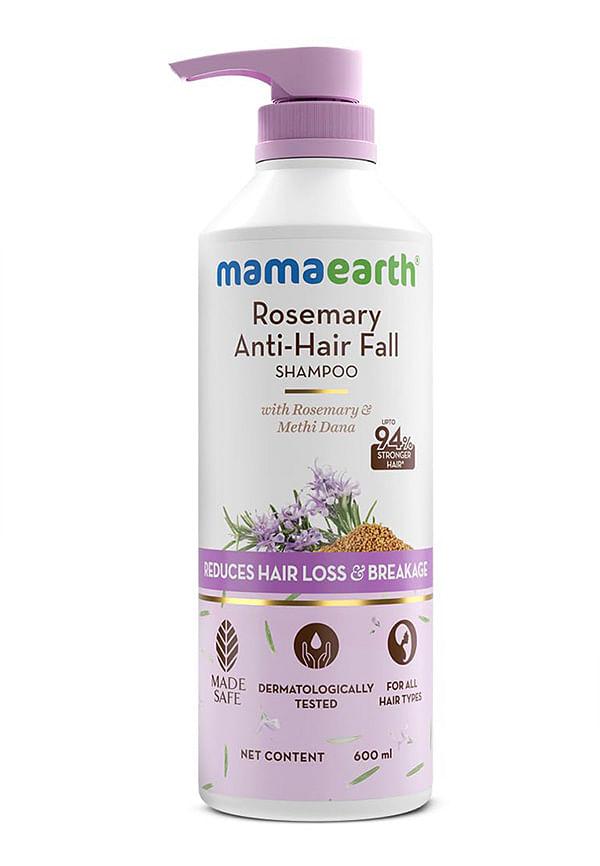
Rosemary Anti-Hair Fall Shampoo with Rosemary & Methi Dana for Reducing Hair Loss & Breakage
Start with a gentle scalp care routine that includes regular cleansing, weekly scalp massages, and natural treatments like aloe vera or coconut oil. Focus on reducing inflammation through proper nutrition and stress management. Results typically take 2-3 months of consistent care to become noticeable.
Absolutely. An unhealthy scalp creates an environment where hair follicles can't function properly. Inflammation, infections, and poor circulation all contribute to weaker hair that falls out more easily. The good news is that scalp-related hair loss is often reversible with proper treatment.
The most evidence-based treatments are minoxidil (topical treatment), finasteride (oral medication for men), and ketoconazole shampoo for scalp health. These three work through different mechanisms and are often used together for better results. Always consult a healthcare provider before starting any treatment.
Hormonal differences play a huge role. Men typically experience pattern baldness due to sensitivity to DHT (dihydrotestosterone), while women often deal with diffuse thinning related to hormonal changes during pregnancy, menopause, or thyroid issues. Women are also more likely to experience hair fall due to stress or nutritional deficiencies.
No, losing 700 hairs daily is definitely not normal and indicates a problem that needs attention. Normal hair loss is around 50-100 hairs per day. If you're consistently losing significantly more than this, it's worth seeing a dermatologist to identify the underlying cause.
You might notice reduced irritation or itching within a few weeks of starting a proper scalp care routine. However, improvements in hair fall and new hair growth typically take 2-3 months to become visible, since that's how long the hair growth cycle takes to respond to changes.
Yes, treating dandruff can definitely help reduce hair fall if the dandruff is contributing to scalp inflammation. Anti-dandruff shampoos with ingredients like ketoconazole, zinc pyrithione, or selenium sulfide can improve scalp health and reduce associated hair loss.
Use your fingertips (not nails) to apply gentle pressure in circular motions across your entire scalp. Spend 5-10 minutes massaging, focusing on areas where you're experiencing thinning. You can do this on dry hair or with oils like coconut or jojoba for added benefits.
Your scalp health and hair fall are intimately connected — taking care of one helps the other. Start with consistent, gentle scalp care and be patient with the process. Natural remedies can be effective, but don't hesitate to seek professional help if you're not seeing improvements or if your hair loss is severe. Remember that hair growth takes time, so stick with your routine for at least 2-3 months before expecting major changes. Not sure which scalp care products might work for your specific concerns? Smytten offers trial-size versions of many scalp health and haircare products — a smart way to test different approaches before committing to full-size bottles.
