Scalp Flakes FAQ: Understanding Dandruff Causes & Dry Scalp Symptoms


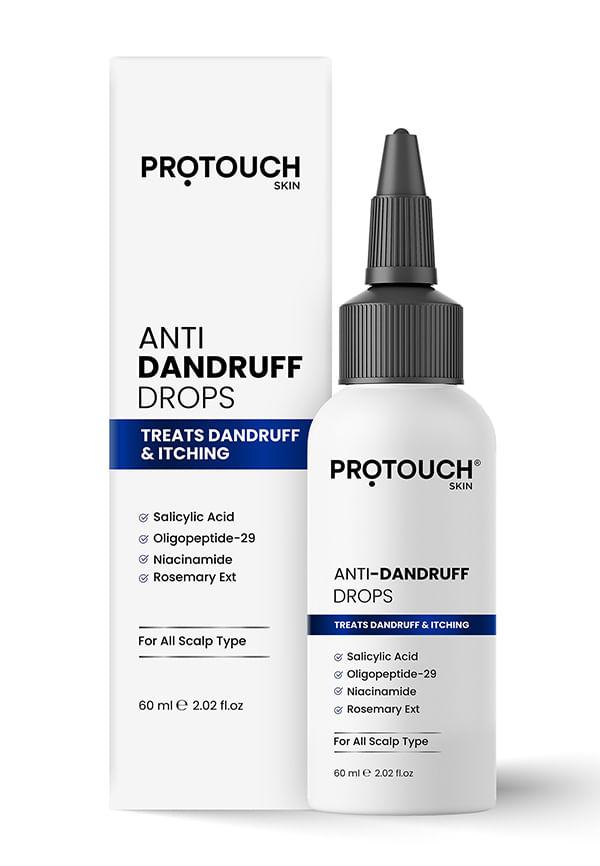
SKIN Anti Dandruff Drops Serum Soothes Itchy, Inflamed Scalp
You know that moment when you're getting ready for an important day, and you notice those telltale white specks scattered across your shoulders? Or when your scalp feels so itchy and tight that you can't focus on anything else? Scalp flakes are one of those universal hair struggles that can make anyone feel self-conscious. The thing is, not all flakes are created equal, and understanding what's actually happening on your scalp is the first step to sorting it out properly.
Let's be real—scalp flakes can pop up for loads of different reasons, and figuring out the root cause is key to finding the right solution. The causes of scalp flakes generally fall into two main camps: your scalp is either too dry or dealing with an overgrowth of naturally occurring yeast. Sounds gross, but it's totally normal and fixable.
Here's where it gets interesting—dry scalp and dandruff might look similar, but they're actually opposite problems. Dry scalp happens when your scalp lacks moisture, leading to small, white, powdery flakes that feel a bit like dust. These dry scalp symptoms often come with that tight, uncomfortable feeling you get when your skin needs a good drink of water.
Dandruff, on the other hand, is caused by too much oil and an overgrowth of Malassezia yeast (everyone has this yeast naturally, but sometimes it gets a bit too enthusiastic). Dandruff causes larger, yellowish flakes that tend to be stickier and greasier. Your scalp might feel oily but still itchy and irritated.
Your environment plays a massive role in scalp health. Cold, dry weather is basically kryptonite for your scalp's moisture levels, whilst indoor heating systems can suck the humidity right out of the air—and your skin. If you're someone who washes their hair daily with harsh shampoos, you might be stripping away the natural oils your scalp needs to stay balanced.
Stress and hormonal changes can also trigger scalp irritation causes. Your body's stress response can affect oil production and immune function, which might explain why your scalp acts up during particularly hectic periods.
Not all flakey situations are straightforward dandruff or dry scalp. Sometimes you're dealing with more complex scalp conditions that need a different approach entirely. Learning to spot the differences can save you time, money, and a lot of frustration.
Dry scalp symptoms are usually pretty straightforward to identify. You'll notice small, white flakes that brush off easily, and your scalp feels tight and itchy without being oily. Often, if you have dry scalp, you'll also notice dryness on other parts of your body—your elbows, knees, or face might feel parched too.
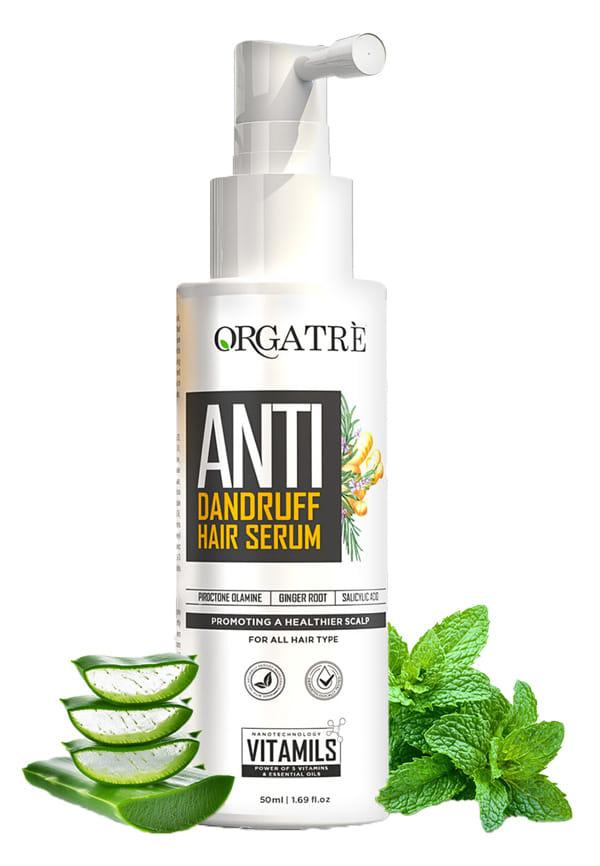
Anti Dandruff Hair Serum | Treatment for Dandruff, Flaky & Dry Scalp
Seborrheic dermatitis is the fancy medical term for what most of us just call dandruff. The flakes are typically larger, more yellowish, and have a slightly greasy texture. Your scalp might look red and feel intensely itchy, especially around your hairline and behind your ears. This condition is directly linked to that Malassezia yeast we mentioned earlier—it feeds on the oils in your scalp and produces irritating byproducts.
Sometimes what looks like regular flakes is actually scalp psoriasis, which creates thick, silvery scales that can be quite stubborn. Eczema on the scalp shows up as inflamed, raw patches that might weep or crust over. These conditions often have an autoimmune component and typically need medical attention to manage properly.
That combination of itchy scalp flakes can be absolutely maddening, and there are several reasons why your scalp might be staging this particular rebellion. Understanding these triggers helps you avoid them and find relief faster.
Your haircare routine might be the culprit behind your scalp woes. Sulphate-heavy shampoos can be incredibly harsh, stripping away natural oils and leaving your scalp vulnerable to irritation. Contact dermatitis from hair products—think styling gels, hairsprays, or even certain conditioner ingredients—can also trigger itchy scalp flakes.
Product buildup is another sneaky cause. When styling products, dry shampoo, or even conditioner residue accumulates on your scalp, it can clog follicles and create the perfect environment for irritation and flaking.
Your body's internal changes can absolutely affect your scalp health. Hormonal fluctuations during pregnancy, menstruation, or menopause can alter oil production and skin sensitivity. Your immune system's response to stress, illness, or even seasonal changes can trigger scalp conditions.
Age plays a role too—as we get older, our skin naturally produces less oil, which can lead to increased dryness and sensitivity. Some people are also genetically predisposed to certain scalp conditions, so if your parents dealt with persistent dandruff or dry scalp, you might be more likely to experience it too.
Now for the good bit—actually sorting out your scalp situation. The key to effective flakey scalp treatment is matching your approach to your specific condition. What works brilliantly for dry scalp might make dandruff worse, and vice versa.
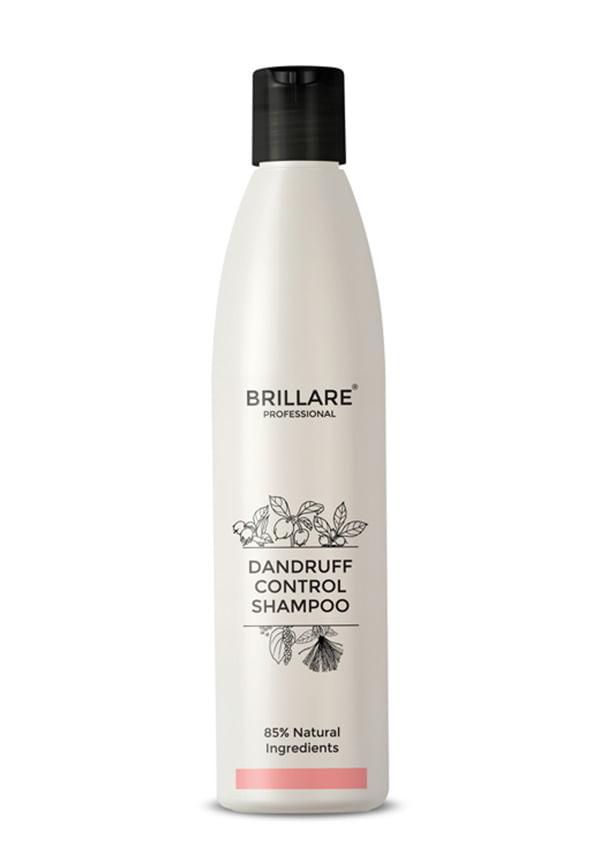
Dandruff Control Shampoo For Itchy, Flaky Scalp
For dry scalp remedies, think gentle and moisturising. Switch to a sulphate-free shampoo that won't strip your scalp's natural oils. Look for ingredients like hyaluronic acid, glycerin, or natural oils that can help restore moisture levels. You might also want to reduce how often you wash your hair—every other day or even twice a week might be enough.
Scalp treatments with ingredients like jojoba oil, argan oil, or even a simple coconut oil mask can provide deep hydration. Just remember to focus on your scalp, not your hair lengths, to avoid weighing down your strands.
Dandruff needs a more targeted approach with active ingredients that can tackle that yeast overgrowth. Zinc pyrithione is gentle but effective for mild cases. Salicylic acid helps exfoliate stubborn flakes, whilst selenium sulfide and ketoconazole are stronger options for persistent dandruff.
The trick with anti-dandruff treatments is consistency and proper application. Leave the shampoo on your scalp for a few minutes before rinsing, and consider rotating between different active ingredients to prevent your scalp from getting too used to one formula.
If your scalp issues persist despite trying various treatments, it's time to consult a dermatologist. They can prescribe stronger medicated shampoos, topical steroids for inflammation, or oral medications for severe cases of seborrheic dermatitis or scalp psoriasis.
Prevention is always better than cure, and there are loads of simple haircare tips for flakes that can keep your scalp happy and healthy. Small changes to your routine can make a massive difference in preventing future flare-ups.
Your washing frequency should match your scalp type—oily, dandruff-prone scalps might need daily washing, whilst dry scalps do better with less frequent cleansing. When you do wash, use lukewarm water rather than hot, which can further dry out your scalp.
Gentle massage whilst shampooing can help improve circulation and remove loose flakes, but avoid aggressive scrubbing that might irritate your scalp further. Be mindful of heat styling tools too—high temperatures can dry out your scalp and worsen flaking.
When choosing products, look for gentle, pH-balanced formulas without harsh sulphates or artificial fragrances. Natural ingredients like tea tree oil, aloe vera, or chamomile can be soothing for irritated scalps. Avoid products with alcohol high up in the ingredient list, as these can be drying.
Conditioner For Itchy, Flaky Scalp
The most effective approach is to first identify whether you're dealing with dry scalp or dandruff, then choose appropriate treatments. For dry scalp, focus on gentle, moisturising products and reduce washing frequency. For dandruff, use medicated shampoos with active ingredients like zinc pyrithione or salicylic acid. Most people see improvement within 2-4 weeks of consistent treatment.
The main cause is usually seborrheic dermatitis (dandruff), which occurs when naturally occurring Malassezia yeast on your scalp grows out of balance, typically due to excess oil production. However, dry scalp from lack of moisture is also common, especially in cold weather or with harsh hair products. The key is identifying which type you have, as treatments differ significantly.
For immediate relief, gently brush or comb your hair to remove loose flakes, then use an appropriate treatment shampoo. For dry scalp, try a moisturising scalp oil treatment overnight. For dandruff, use an anti-dandruff shampoo with active ingredients, leaving it on for several minutes before rinsing. Long-term management involves consistent use of suitable products and avoiding triggers like stress and harsh hair products.
Excessive flaking can indicate an underlying scalp condition like severe seborrheic dermatitis, scalp psoriasis, or eczema. It might also result from product buildup, overwashing with harsh shampoos, or environmental factors like dry air. If you're experiencing very heavy flaking along with redness, inflammation, or hair loss, it's worth consulting a dermatologist to rule out more serious conditions.
Absolutely. Stress can trigger or worsen scalp conditions by affecting your immune system and hormone levels, which can increase oil production and inflammation. Many people notice their scalp issues flare up during particularly stressful periods. Managing stress through relaxation techniques, adequate sleep, and a healthy lifestyle can help improve scalp health alongside targeted treatments.
No, scalp flakes from dandruff or dry scalp are not contagious. These conditions are caused by your individual scalp's response to factors like yeast overgrowth, dryness, or sensitivity—not by bacteria or viruses that can spread from person to person. You can't catch dandruff from sharing brushes or pillows, though it's still good hygiene practice to keep personal hair tools to yourself.
Understanding the causes of scalp flakes is the first step towards finding the right solution for your specific situation. Whether you're dealing with dry scalp symptoms or dandruff causes, the key is identifying your particular scalp condition and choosing treatments accordingly. Remember that consistency is crucial—most scalp treatments need several weeks to show full results.
Don't be afraid to experiment with different approaches, but give each treatment enough time to work before switching. If your scalp issues persist or worsen despite trying various treatments, consulting a dermatologist can help you get to the bottom of more complex scalp conditions.
For those looking to try different scalp treatments without committing to full-size products, Smytten offers trial-size versions of many scalp care products from trusted brands. It's a smart way to test what works for your specific scalp needs before investing in larger bottles—because finding your perfect scalp care routine shouldn't break the bank.
