Rosemary Oil for Scalp FAQ: Your Hair Growth Questions Answered
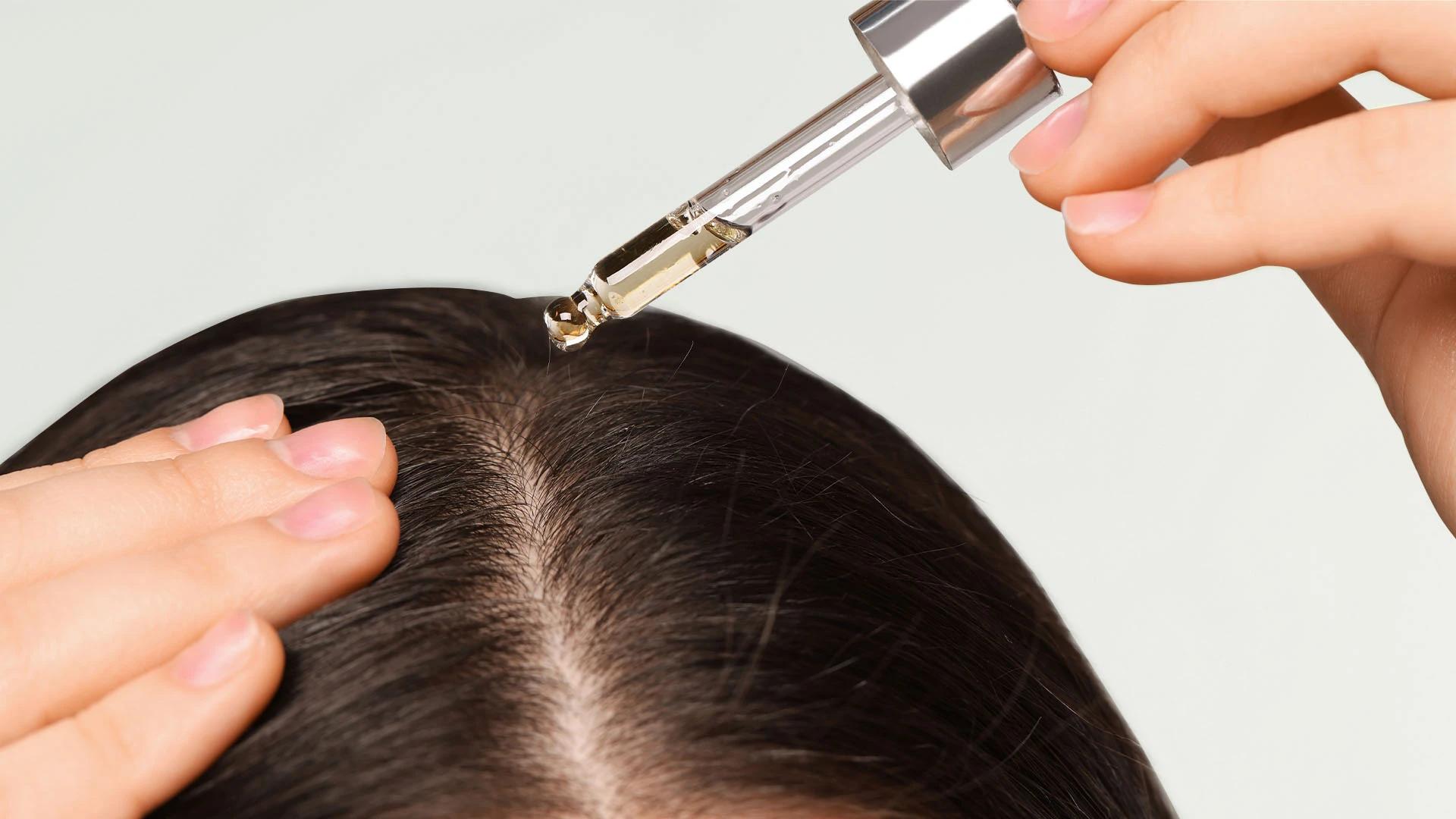

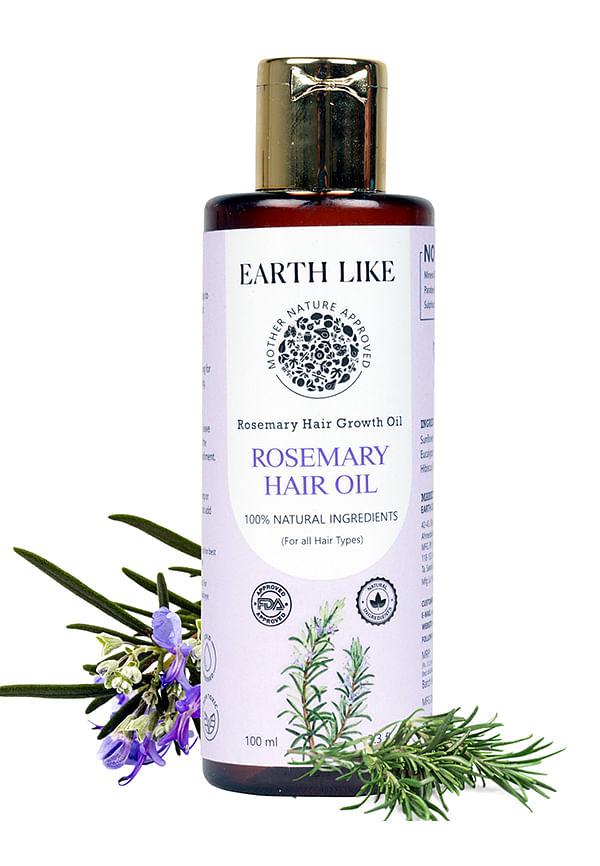
Rosemary Hair Growth Oil – Reduces Hair Fall & Strengthens Roots
You've probably seen rosemary oil trending everywhere as the natural hair growth miracle, but let's be real — does it actually work for your scalp? The good news is that science backs up the hype. Studies show rosemary oil performs just as well as minoxidil (the active ingredient in Rogaine) for promoting hair regrowth, but without the harsh side effects. Whether you're dealing with hair thinning, a flaky scalp, or just want healthier hair growth, rosemary oil for scalp care might be exactly what you've been searching for. Here's everything you need to know about this botanical powerhouse, from how it works to the safest ways to use it.
Real talk — rosemary oil isn't just another wellness trend that sounds good on paper. Clinical research published in SKINmed journal found that rosemary oil was as effective as 2% minoxidil for treating androgenetic alopecia (pattern hair loss) after six months of use. The study participants who used rosemary oil experienced significant hair count increases, plus they reported less scalp itching compared to the minoxidil group.
The magic happens because rosemary oil benefits for hair go beyond just smelling lovely. This essential oil contains compounds like rosmarinic acid and carnosic acid that improve blood circulation to your scalp. Better circulation means more nutrients and oxygen reach your hair follicles, creating the perfect environment for healthy hair growth. Plus, rosemary oil has natural anti-inflammatory and antimicrobial properties that help maintain scalp health by fighting off bacteria and reducing irritation.
What makes rosemary oil particularly appealing is that it offers a natural alternative to pharmaceutical treatments. While minoxidil can cause side effects like scalp irritation, unwanted facial hair growth, and dependency issues, rosemary oil tends to be gentler on your system. That said, natural doesn't automatically mean risk-free, which we'll cover in detail later.
Understanding how rosemary oil hair growth actually works helps you use it more effectively. The primary mechanism involves improving microcirculation in your scalp. When you massage rosemary oil into your scalp, it dilates blood vessels and increases blood flow to hair follicles. This enhanced circulation delivers more nutrients and oxygen to the follicles, essentially feeding them what they need to produce stronger, healthier hair.
Rosemary oil also appears to inhibit 5-alpha-reductase, the enzyme that converts testosterone into DHT (dihydrotestosterone). DHT is the main culprit behind pattern hair loss, as it shrinks hair follicles over time. By potentially blocking this conversion, rosemary oil for hair loss works at the root cause rather than just treating symptoms.
The antioxidant properties of rosemary oil protect your hair follicles from oxidative stress and environmental damage. Free radicals can weaken hair structure and accelerate ageing of the follicles, so having that antioxidant protection helps maintain healthier hair growth cycles. Additionally, rosemary oil strengthens the hair shaft itself, reducing breakage and making your existing hair appear fuller and thicker.
Timeline-wise, don't expect overnight miracles. Most people start noticing improvements in hair texture and scalp health within 4-6 weeks of consistent use. Visible hair growth changes typically become apparent after 3-6 months, which aligns with natural hair growth cycles. Hair grows about half an inch per month, so patience is key when using any hair growth treatment.
Getting the application right makes all the difference between seeing results and wasting your time. Never apply pure rosemary oil directly to your scalp — it's too concentrated and can cause irritation. Instead, dilute it with a carrier oil at a ratio of 3-5 drops of rosemary oil per tablespoon of carrier oil. Jojoba, coconut, or argan oil work brilliantly as carriers because they're lightweight and won't clog your pores.
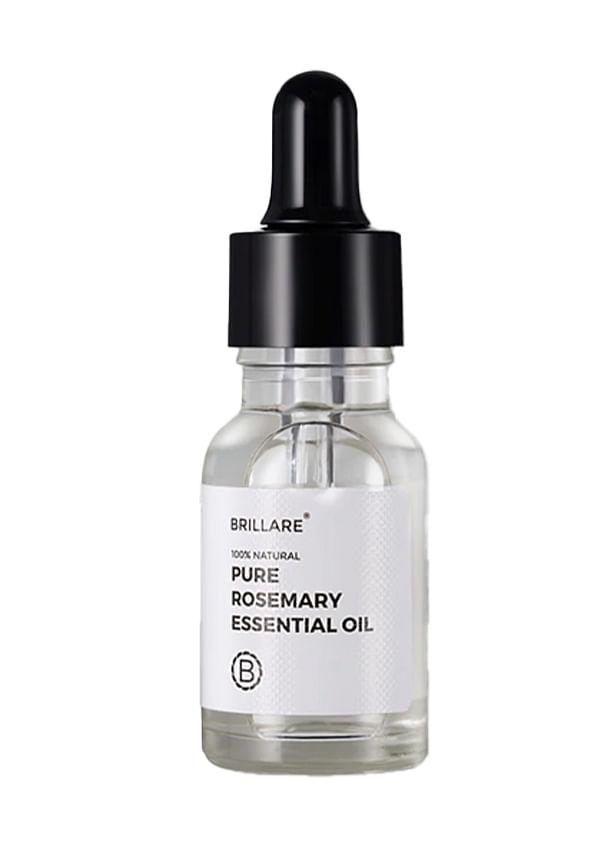
Pure Rosemary Essential Oil For Hair Growth
Start with clean, slightly damp hair for better absorption. Apply the diluted oil mixture to your scalp using your fingertips, not your nails. Work in small sections, focusing on areas where you want to encourage growth. Use gentle circular motions to massage the oil in — this rosemary oil scalp massage technique stimulates blood flow and helps the oil penetrate deeper.
Spend at least 5-10 minutes massaging your entire scalp. The massage itself is almost as important as the oil because it mechanically stimulates circulation. Leave the oil on for at least 30 minutes, though many people prefer to leave it overnight for maximum absorption. If you're doing an overnight treatment, protect your pillowcase with a towel or silk scarf.
For most people, using rosemary oil 2-3 times per week provides the best balance between effectiveness and scalp tolerance. Daily application isn't necessary and might actually irritate sensitive scalps. Start with once or twice weekly and gradually increase frequency if your scalp tolerates it well.
This is where many people go wrong with their rosemary oil hair care routine. Applying undiluted rosemary oil directly to your scalp is never recommended, regardless of frequency. Essential oils are highly concentrated and can cause chemical burns, severe irritation, or allergic reactions when used neat.
Even when properly diluted, daily application isn't ideal for most people. Your scalp needs time to process and benefit from the treatment. Over-application can lead to product buildup, clogged follicles, or contact dermatitis. If you have sensitive skin, stick to 1-2 applications per week maximum.
Signs you're overdoing it include increased scalp itching, redness, flaking, or a burning sensation. If you experience any of these symptoms, take a break from the oil and let your scalp recover. When you restart, use a more diluted mixture and reduce frequency.
Always do a patch test before using rosemary oil for the first time. Apply a small amount of your diluted mixture to the inside of your wrist or behind your ear. Wait 24-48 hours to check for any adverse reactions before applying it to your scalp.
While rosemary oil is generally safer than synthetic alternatives, it's not completely without risks. The most common side effects include skin irritation, redness, and allergic reactions, especially in people with sensitive skin or existing scalp conditions. Some people experience contact dermatitis, which shows up as itchy, inflamed patches on the scalp.
Paradoxically, rosemary oil can sometimes cause temporary hair dryness if overused or not properly diluted. This happens because essential oils can strip natural oils from your hair shaft when used incorrectly. Always follow proper dilution guidelines and consider your hair's natural oil production when choosing application frequency.
Pregnant and breastfeeding women should avoid rosemary oil, as it can potentially stimulate menstruation and affect hormone levels. People with epilepsy should also steer clear, as rosemary oil might trigger seizures in sensitive individuals. If you're taking blood-thinning medications, consult your doctor before using rosemary oil, as it may interact with these drugs.
Pure Rosemary Essential Oil For Hair Growth
The key to minimising risks is starting slowly, using proper dilution, and paying attention to how your scalp responds. Natural hair growth remedies like rosemary oil are generally gentler than pharmaceutical options, but they still require respect and proper usage.
Different scalp concerns require slightly different approaches when using rosemary oil. For dandruff issues, rosemary oil's antifungal properties make it particularly effective. The oil helps combat Malassezia, the yeast that often contributes to dandruff flare-ups. Mix rosemary oil with tea tree oil and a carrier oil for enhanced antifungal action. Apply this dandruff rosemary oil treatment twice weekly, focusing on affected areas.
If you're dealing with dry, flaky scalp, pair rosemary oil with deeply moisturising carrier oils like coconut or argan oil. The combination provides both circulation-boosting benefits and intense hydration. Leave the treatment on overnight for maximum moisturising effect.
For oily scalps, rosemary oil can help regulate sebum production over time. Use lighter carrier oils like jojoba or grapeseed oil, which won't add extra greasiness. Apply the mixture primarily to your scalp, avoiding the hair lengths to prevent weighing down your hair.
The anti-inflammatory properties of rosemary oil make it excellent for calming itchy, irritated scalps. Combine it with cooling peppermint oil (just a drop or two) for additional soothing effects. This hair oil for healthy scalp combination provides immediate relief while addressing underlying inflammation.
Most people notice improvements in scalp health and hair texture within 4-6 weeks of consistent use. Visible hair growth changes typically become apparent after 3-6 months, as this aligns with natural hair growth cycles. Remember, hair grows approximately half an inch per month, so patience is essential for any hair growth treatment.
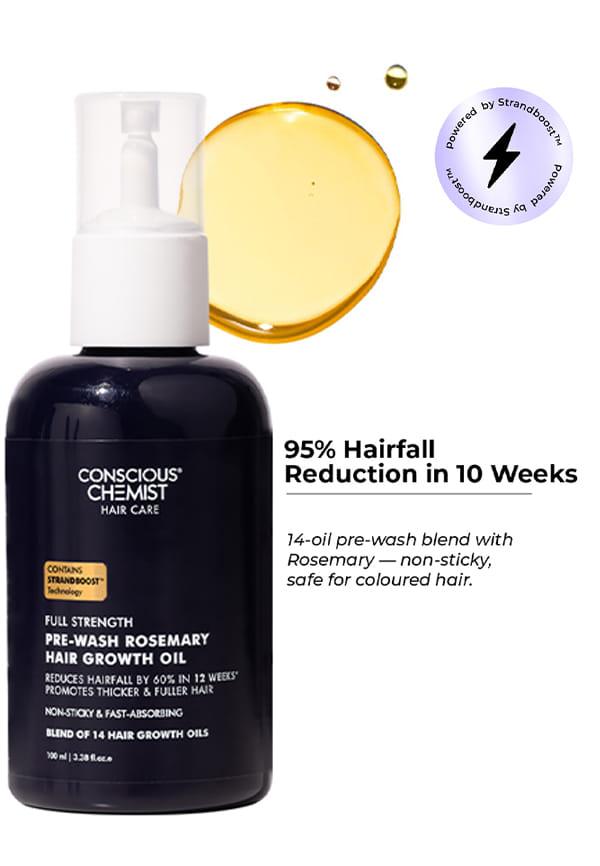
Full Strength Pre Wash Rosemary Hair Growth Oil
Absolutely! Rosemary oil works brilliantly when combined with other beneficial oils. Popular combinations include rosemary with peppermint oil for enhanced circulation, or rosemary with lavender oil for added relaxation benefits. Just ensure your total essential oil concentration doesn't exceed 2-3% of your carrier oil mixture.
No, pregnant and breastfeeding women should avoid rosemary oil. It can potentially stimulate menstruation and affect hormone levels, which could be harmful during pregnancy. Stick to gentler, pregnancy-safe alternatives like coconut oil or argan oil for scalp care during this time.
Evening application works best for most people, as it allows the oil to work overnight without interfering with styling. If you prefer morning application, make sure to allow at least 30 minutes before washing your hair. Avoid applying before sun exposure, as some essential oils can increase photosensitivity.
Look for 100% pure, therapeutic-grade rosemary essential oil from reputable brands. The oil should be stored in dark glass bottles and have a fresh, herbaceous scent. Avoid oils with synthetic fragrances or those that seem unusually cheap, as quality essential oils require significant plant material to produce.
Some people experience temporary increased shedding when starting any new hair growth treatment, including rosemary oil. This "purging" phase typically lasts 2-4 weeks as weak hairs are pushed out to make room for stronger growth. If shedding continues beyond a month or seems excessive, discontinue use and consult a dermatologist.
Rosemary oil for scalp health isn't just trendy — it's scientifically proven to be as effective as minoxidil for promoting hair growth, but with fewer side effects. The key to success lies in proper dilution, consistent application, and realistic expectations about timing. Whether you're targeting hair loss, dandruff, or general scalp health, rosemary oil can be a valuable addition to your hair care routine when used correctly.
Remember to start slowly, always dilute properly, and pay attention to how your scalp responds. Most people see the best results with 2-3 applications per week, giving their scalp time to benefit from each treatment without overdoing it. With patience and consistency, rosemary oil might just become your scalp's new best friend.
Ready to explore rosemary oil options? Smytten offers trial-size versions of various hair oils and treatments from trusted brands — a smart way to test what works for your scalp before committing to full-size bottles. After all, finding your perfect hair care routine shouldn't involve guesswork when you can Try It All first.
