Rosemary for Hair Loss FAQ: Your Questions Answered

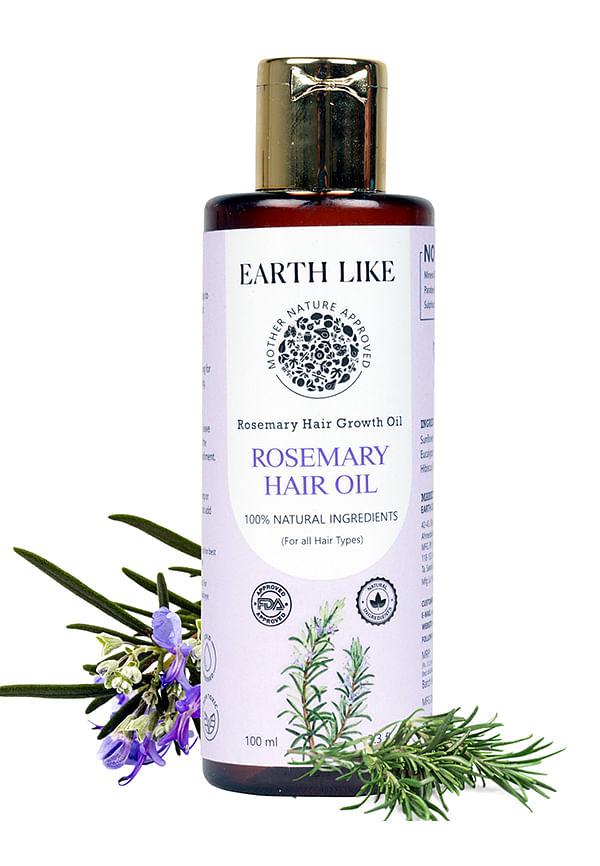
Rosemary Hair Growth Oil – Reduces Hair Fall & Strengthens Roots
You've probably scrolled past countless TikToks claiming rosemary oil is the secret to thick, luscious hair. Maybe you've even stood in the haircare aisle, bottle in hand, wondering if this herb that's been sitting in your kitchen could actually help with your thinning spots. Let's be real—when you're dealing with hair loss, you want answers, not just another trend. The good news? There's actually solid science behind rosemary for hair loss, and we're here to break down everything you need to know.
Here's the thing that'll probably surprise you: rosemary oil has been put head-to-head with minoxidil (that's the active ingredient in Rogaine) in clinical studies, and it held its own. A 2015 study published in SKINmed journal followed people with androgenetic alopecia—that's the fancy term for pattern baldness—for six months. Half used rosemary oil, half used 2% minoxidil. The results? Both groups saw similar hair count increases after six months.
But how does rosemary for hair loss actually work? Think of your scalp like a garden. Hair follicles need good blood flow to get nutrients, just like plants need water. Rosemary oil contains compounds like rosmarinic acid and carnosic acid that help dilate blood vessels, boosting circulation to your scalp. Better blood flow means more nutrients reaching your hair follicles, which can help them stay active and produce stronger hair.
There's also some evidence that rosemary might help block DHT (dihydrotestosterone), the hormone that's often behind male and female pattern baldness. Plus, its anti-inflammatory properties can help keep your scalp healthy, creating a better environment for hair growth.
Real talk: rosemary isn't magic. It works best for early to moderate hair loss, especially if you're dealing with thinning rather than completely bald patches. If you've got dormant follicles that just need a wake-up call, rosemary might be your kind of pick. But if you're dealing with advanced baldness where follicles have been gone for years, you'll probably need stronger treatments.
Using rosemary oil for hair isn't as simple as dumping it on your scalp and hoping for the best. Essential oils are potent, and rosemary essential oil hair treatments need to be diluted properly to avoid irritation. Here's your step-by-step guide to doing it right.
Start with a carrier oil—jojoba, coconut, or sweet almond oil all work brilliantly. Mix 3-5 drops of rosemary essential oil per tablespoon of carrier oil. That might not sound like much, but trust us, a little goes a long way. Massage this mixture into your scalp using gentle circular motions, focusing on areas where you're noticing thinning.
For your rosemary scalp treatment to be effective, leave it on for at least 30 minutes. Some people prefer to apply it before bed and wash it out in the morning—that's totally fine too. Just pop on a silk scarf or use an old pillowcase to protect your bedding. Aim to do this 2-3 times a week for best results.
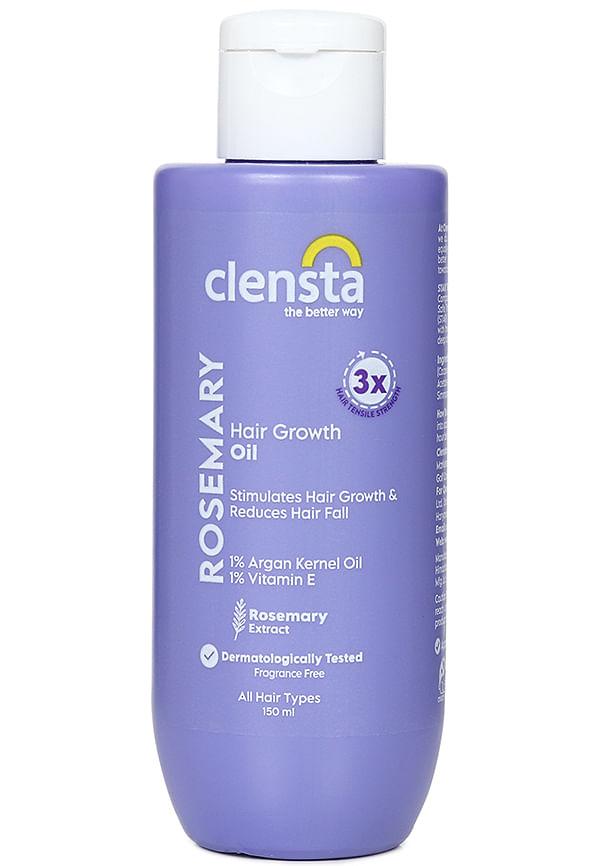
Rosemary Hair Growth Oil With Argan Oil & Vitamin E For Reducing Hair Fall, Strengthens Hair & Breakage
You've probably seen people raving about rosemary water for hair on social media. It's definitely gentler than essential oil, and you can use it more frequently. To make your own, steep fresh rosemary sprigs in boiling water for 15-20 minutes, then let it cool. You can spritz this onto your scalp daily or use it as a final rinse after shampooing.
The catch? Rosemary water is much less concentrated than essential oil, so it might take longer to see results. Think of it as the gentle daily option, while rosemary oil treatments are your intensive weekly sessions.
Before you dive into haircare rosemary treatments, let's talk safety. Most people can use rosemary oil without issues, but there are a few things to watch out for. Some people experience scalp irritation, especially if they use it undiluted or have sensitive skin. Always do a patch test first—apply a small amount of your diluted mixture to your inner wrist and wait 24 hours to see if you react.
If you're pregnant or breastfeeding, it's worth chatting with your doctor before starting any new treatments, including rosemary for thinning hair. While rosemary is generally considered safe, essential oils can be absorbed through the skin, and it's better to be cautious.
Signs you should stop using rosemary oil include persistent redness, itching, burning, or any kind of rash. Your scalp might feel slightly tingly when you first start using it—that's normal and usually means the circulation boost is working. But actual discomfort? That's your cue to take a break.
Not everyone wants to DIY their hair treatments, and that's completely fair. There are some brilliant ready-to-use products that harness rosemary oil benefits hair without the mixing and measuring. Look for products that list rosemary oil or rosemary leaf extract high up in the ingredients list—that usually means there's enough in there to actually make a difference.
When you're shopping for rosemary oil hair loss products, avoid anything with harsh sulfates or alcohol high up in the ingredients list, as these can dry out your scalp and counteract rosemary's benefits. Quality matters too—organic, cold-pressed oils tend to be more potent than cheaper alternatives.
Some products combine rosemary with other hair-loving ingredients like peppermint oil, biotin, or saw palmetto. These combinations can be worth a try, especially if you're dealing with multiple hair concerns. Just remember that more ingredients also mean more potential for reactions, so patch testing becomes even more important.
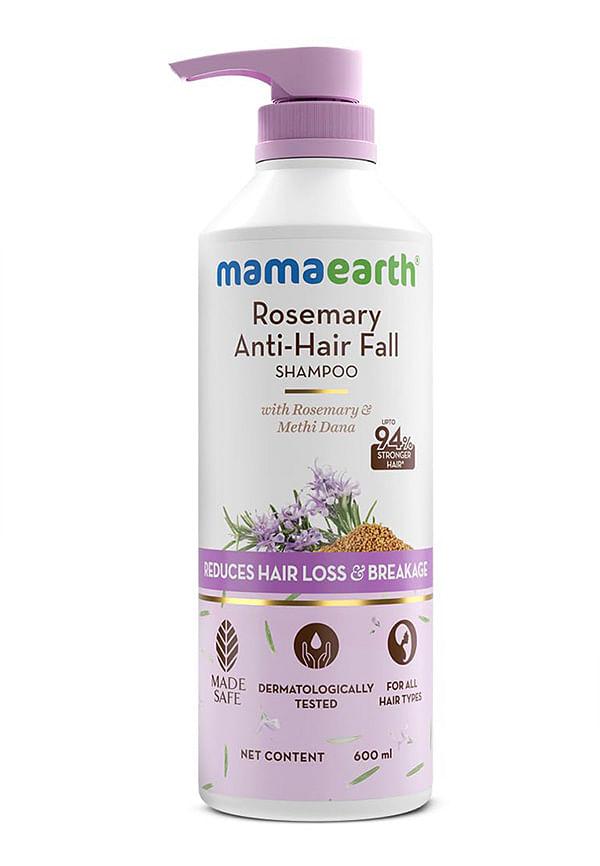
Rosemary Anti-Hair Fall Shampoo with Rosemary & Methi Dana for Reducing Hair Loss & Breakage
Here's where we need to set realistic expectations. Hair growth is slow—like, really slow. Your hair only grows about half an inch per month on average, so even if rosemary hair growth treatments start working immediately (which they don't), you won't see dramatic length changes overnight.
Most people who see results with rosemary for hair loss notice changes in this order: first, less hair falling out in the shower or on their pillow. Then, after about 2-3 months, they might notice their hair feeling thicker or see some baby hairs sprouting in thinning areas. Significant length and density improvements usually take 4-6 months of consistent use.
Keep a hair diary or take progress photos in the same lighting every month. It's easy to forget how your hair looked when you started, and small improvements can be hard to notice day-to-day. Some people also find it helpful to count the hairs that fall out during washing—though this can become a bit obsessive, so use your judgment.
One of the brilliant things about using rosemary as a hair loss treatment is that it plays well with other therapies. If you're already using minoxidil, finasteride, or other medical treatments, adding rosemary oil to your routine is generally safe—just space them out by a few hours to avoid any potential interactions.
Many people find that combining rosemary with scalp massage, derma rolling, or LED light therapy gives them better results than any single treatment alone. The key is consistency across all your treatments, not just adding more and more products.
If you're considering prescription treatments alongside rosemary, definitely chat with a dermatologist or trichologist first. They can help you create a comprehensive plan that makes sense for your specific type of hair loss and lifestyle.
Most people need to use rosemary consistently for at least 3-4 months before seeing noticeable improvements. Hair growth cycles are slow, and it takes time for treatments to influence follicle activity. Some people notice less hair shedding within 4-6 weeks, but visible regrowth typically takes longer. Consistency is key—sporadic use won't give you the results you're after.
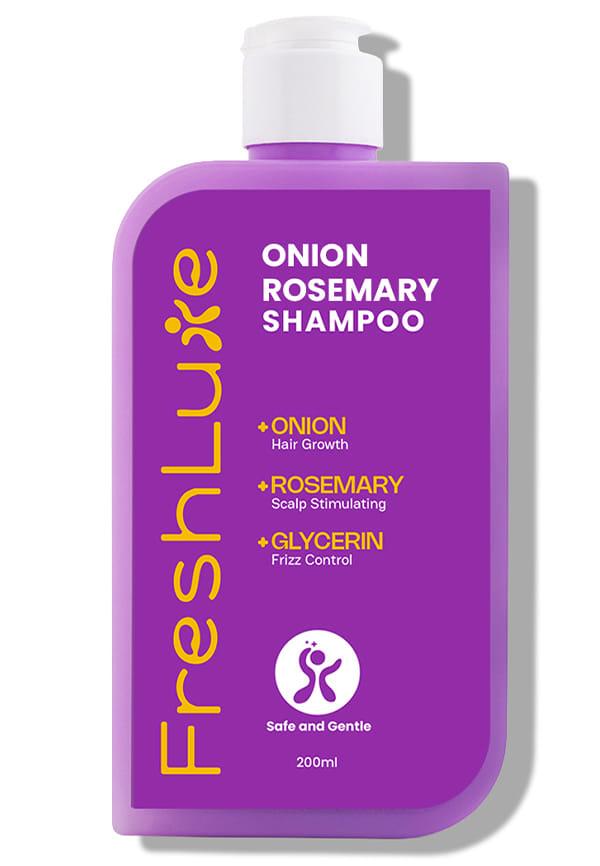
Growth Boost Shampoo Onion & Rosemary Strengthens Hair & Promotes Growth
This depends on how long the area has been bald. If hair follicles are just dormant, rosemary might help reactivate them. But if follicles have been inactive for years or have been damaged by scarring, rosemary alone probably won't bring them back. It works best for thinning areas rather than completely bald patches.
Daily use of diluted rosemary oil is generally safe for most people, but it's not necessary. 2-3 times per week is usually sufficient for hair loss benefits. If you want daily rosemary exposure, rosemary water or leave-in products with lower concentrations are gentler options than pure essential oil treatments.
Clinical studies suggest they're similarly effective for androgenetic alopecia, but individual responses vary. Minoxidil has more research behind it and works faster for some people. Rosemary tends to have fewer side effects and is more affordable long-term. Many people find combining both gives them the best results.
Absolutely! Fresh rosemary can be steeped in hot water to make rosemary water, or infused in carrier oils for several weeks to create your own rosemary oil. Fresh herbs are gentler than essential oils, though they're also less concentrated. It's a great budget-friendly option if you've got rosemary growing at home.
There's no magic time, but many people prefer evening applications since you can leave the treatment on overnight for maximum contact time. If you're using rosemary water, morning application works well since it's lighter and won't make your hair greasy. Choose a time that fits your routine—consistency matters more than timing.
Rosemary for hair loss isn't just another social media trend—there's genuine science supporting its use. While it won't work miracles overnight, consistent use over several months can help improve hair thickness and reduce shedding for many people dealing with early to moderate hair loss. The key is realistic expectations, proper dilution, and patience with the process.
Whether you choose DIY rosemary treatments or ready-made products, the most important factor is finding something you'll actually stick with long-term. Hair loss treatments only work if you use them consistently, so pick an approach that fits your lifestyle and budget. Not sure which rosemary products might work for your hair type? Smytten offers trial-size versions of many haircare products—a smart way to test different formulations before committing to full-size bottles.
