Rosemary Essential Oil Uses FAQ: Your Hair Growth Questions Answered
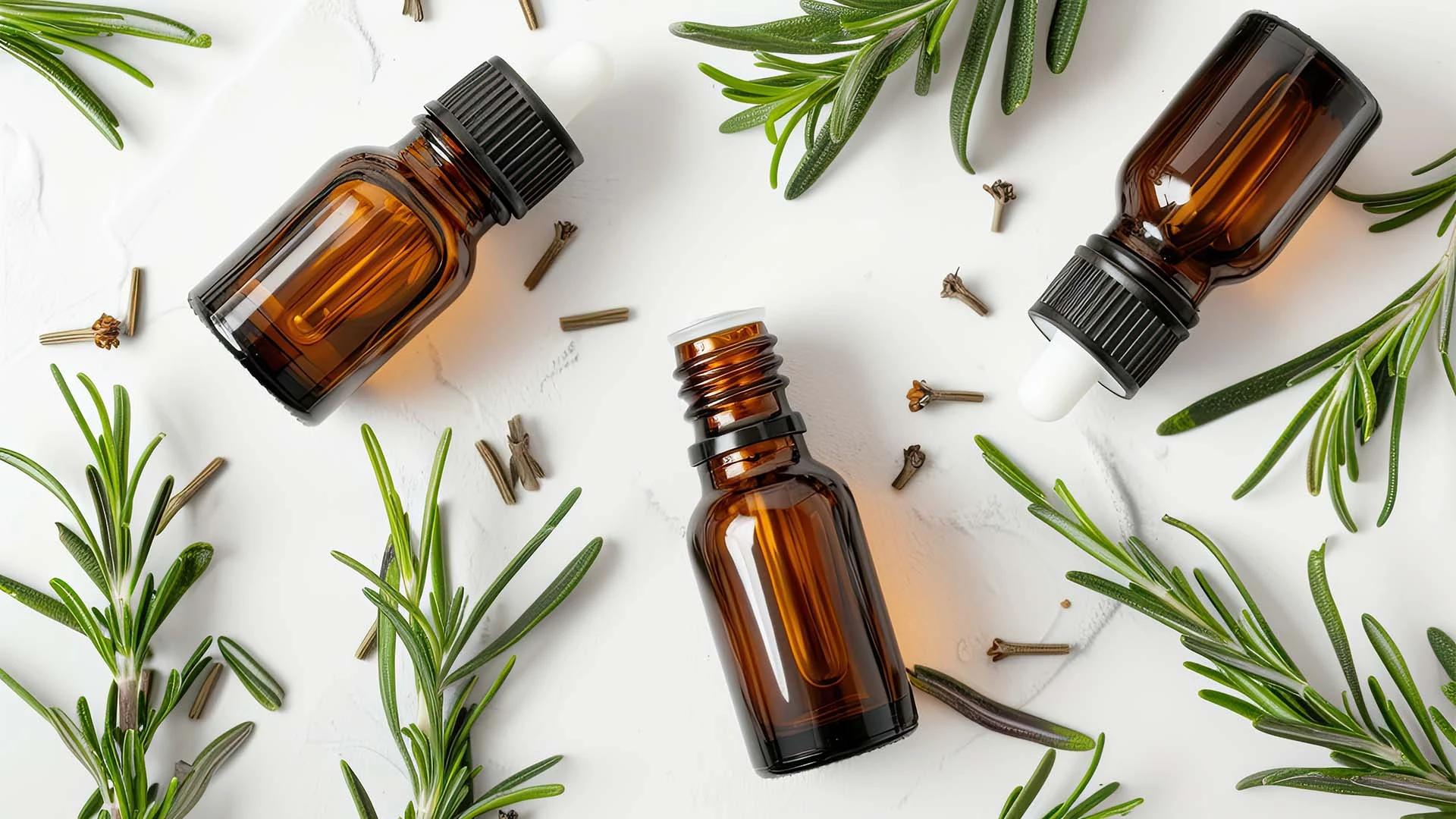

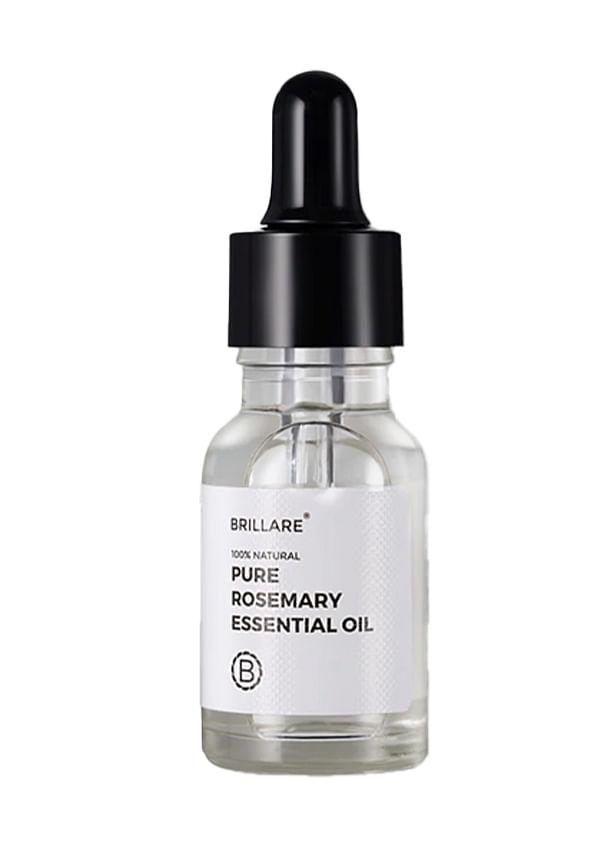
Pure Rosemary Essential Oil For Hair Growth
You've probably seen rosemary oil everywhere lately—from your favourite beauty influencer's morning routine to that friend who swears it transformed their hair. Maybe you're dealing with thinning hair, a flaky scalp, or just want to give your locks some extra love. With so much buzz around this herb-turned-hair-hero, it's natural to have questions. Let's dive into everything you need to know about rosemary essential oil and whether it's worth adding to your haircare routine.
Rosemary essential oil comes from the leaves of the rosemary plant through steam distillation. This process captures the plant's most potent compounds—camphor, pinene, and cineole—which give the oil its distinctive scent and therapeutic properties. While our grandmothers might have used fresh rosemary sprigs in cooking, today's beauty world has discovered what traditional medicine knew all along: this herb packs serious benefits for hair and scalp health.
The popularity surge isn't just hype. Social media has amplified real results people are seeing, but the science backing rosemary oil benefits goes back decades. Unlike trendy ingredients that come and go, rosemary has stood the test of time because it actually works. The oil's ability to stimulate blood circulation makes it particularly effective for scalp health, which is why you'll find it in everything from high-end serums to DIY hair masks.
What sets rosemary oil apart from other essential oils for hair is its versatility. It doesn't just target one concern—it works on multiple levels to improve overall hair and scalp condition. Whether you're dealing with hair loss, dandruff, or simply want stronger, shinier hair, rosemary oil offers a natural solution that fits into any routine.
Here's where things get really interesting. A 2015 study published in the journal SKINmed compared rosemary oil hair growth results to minoxidil, a common hair loss treatment. After six months, both groups showed similar improvements in hair count. That's pretty impressive for a natural ingredient going head-to-head with a pharmaceutical solution.
The magic happens at the scalp level. Rosemary oil improves blood circulation to hair follicles, delivering more nutrients and oxygen to support healthy hair growth. Think of it as giving your scalp a daily workout—better circulation means better conditions for hair to thrive. The oil also contains compounds that may block DHT, a hormone linked to pattern hair loss.
Real talk: you won't see overnight results. Most people notice changes around the 3-4 month mark with consistent use. Hair growth is a slow process, and rosemary oil works by creating the right environment for healthy growth rather than forcing rapid changes. The good news? Many users report improvements in hair thickness and scalp health much sooner.
Your scalp is basically the soil for your hair garden, and rosemary oil helps create optimal growing conditions. Its anti-inflammatory properties soothe irritated scalps and can help with conditions like dandruff and seborrheic dermatitis. The oil's antimicrobial effects also keep scalp bacteria in check, reducing flakiness and itchiness.
For those dealing with oily scalps, rosemary oil helps balance sebum production without over-drying. It's like having a smart thermostat for your scalp—it adjusts to what you need. Some users even report that regular use helps prevent premature greying, though more research is needed to confirm this benefit.
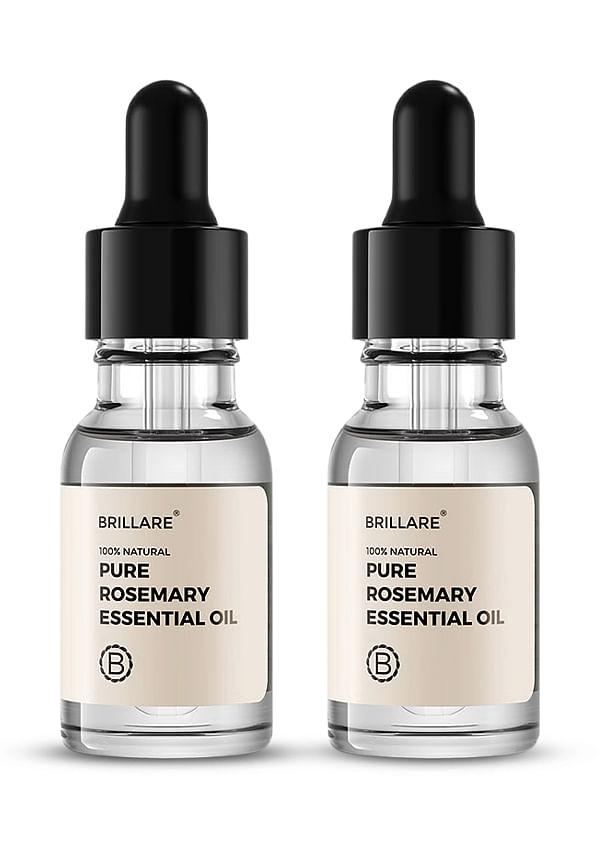
Pure Rosemary Essential Oil For Hair Growth
Using rosemary oil for hair isn't complicated, but doing it right makes all the difference. Never apply essential oil directly to your scalp—it's too concentrated and can cause irritation. Always dilute it with a carrier oil like coconut, jojoba, or sweet almond oil. A good ratio is 3-5 drops of rosemary oil per tablespoon of carrier oil.
Start with clean, damp hair for better absorption. Mix your oils in a small bowl, then apply to your scalp using your fingertips. Massage gently in circular motions for 2-3 minutes—this isn't just about distribution, the massage itself boosts circulation. Leave the treatment on for at least 30 minutes, though overnight treatments work even better if your pillowcase can handle it.
For frequency, 2-3 times per week is the sweet spot for most people. Daily use isn't necessary and might actually irritate sensitive scalps. Consistency matters more than intensity with natural hair care. You can also add a few drops to your regular shampoo or conditioner for a gentler, daily approach.
DIY hair mask lovers, try mixing rosemary oil with honey and egg yolk for extra nourishment. The honey adds moisture while the egg provides protein—your hair will thank you. Just remember to rinse with cool water to avoid cooking the egg in your hair.
While we're focused on hair benefits, rosemary oil is quite the multitasker. Aromatherapy enthusiasts use it to boost concentration and memory—there's actually research showing it can improve cognitive performance. A few drops in a diffuser during study sessions might just give your brain the edge it needs.
The oil also works wonders for muscle aches and joint pain when diluted and massaged into sore areas. Its anti-inflammatory properties provide natural relief without the side effects of over-the-counter pain relievers. Some people even use it as a natural bug repellent, though the scent is much more pleasant than traditional repellents.
For skincare, rosemary oil can help with acne due to its antimicrobial properties. It also contains antioxidants that may help with signs of ageing. Just remember the same dilution rules apply—never use it neat on your skin.
Let's be real about safety because natural doesn't automatically mean risk-free. Always do a patch test before using rosemary oil, especially if you have sensitive skin. Apply a small amount of diluted oil to your inner arm and wait 24 hours to check for reactions.
Pregnant women should avoid rosemary oil, as should people with epilepsy or high blood pressure—the oil can potentially trigger seizures or affect blood pressure. If you're on medication or have health conditions, chat with your doctor before adding essential oils to your routine.
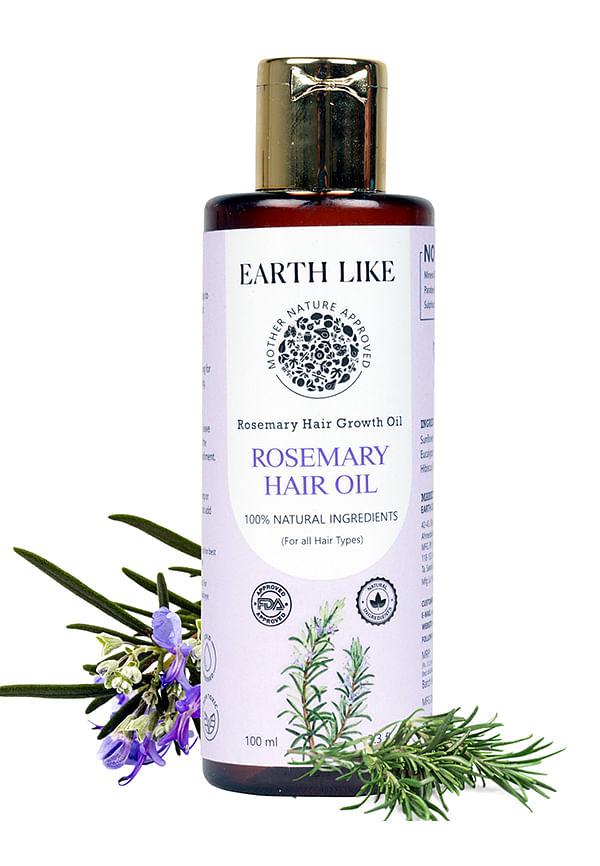
Rosemary Hair Growth Oil – Reduces Hair Fall & Strengthens Roots
Proper storage matters too. Keep your rosemary oil in a cool, dark place away from direct sunlight. Most essential oils last 2-3 years when stored correctly, but always check for changes in smell or consistency that might indicate the oil has gone off.
The most effective method is diluting 3-5 drops in a carrier oil and massaging into your scalp 2-3 times per week. Leave it on for at least 30 minutes before washing out. Consistency is key—stick with it for at least 3 months to see real results.
Rosemary oil can stimulate hair growth by improving scalp circulation and creating better conditions for healthy hair. Studies show it can be as effective as minoxidil for some people, but results vary. It works best for thinning hair rather than completely bald areas.
Yes, rosemary oil works for all hair types and textures. However, people with very dry hair might want to use more moisturising carrier oils like argan or coconut oil, while those with oily hair might prefer lighter options like jojoba or grapeseed oil.
Most people start noticing improvements in scalp health within 4-6 weeks, but visible hair growth changes typically take 3-4 months of consistent use. Hair grows slowly, so patience is essential with any natural treatment.
Daily use isn't necessary and might irritate your scalp. 2-3 times per week is optimal for most people. You can add a drop or two to your regular shampoo for gentler daily use if you prefer.
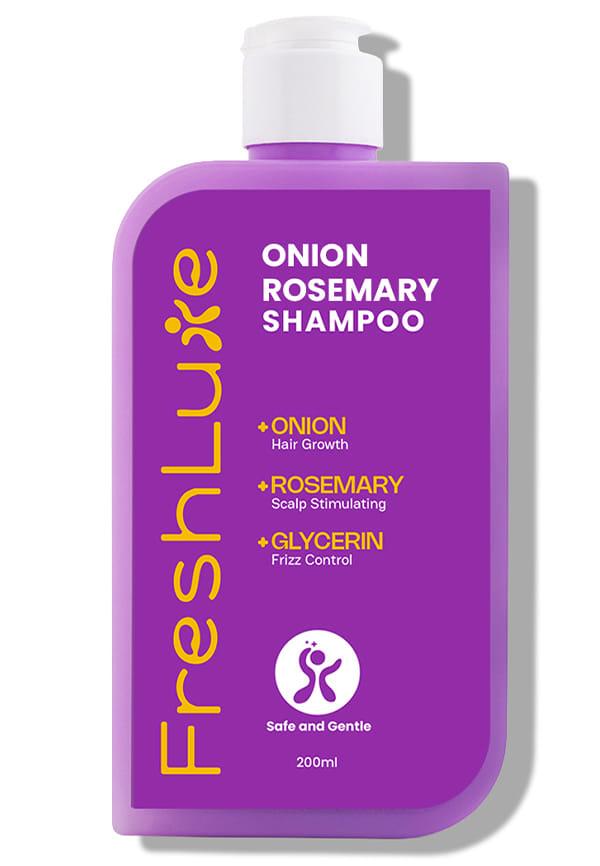
Growth Boost Shampoo Onion & Rosemary Strengthens Hair & Promotes Growth
Jojoba oil is excellent because it closely mimics natural scalp oils. Coconut oil works well for dry hair, while grapeseed oil is good for oily scalps. Sweet almond oil is a gentle option for sensitive skin.
Yes, rosemary oil's antifungal and anti-inflammatory properties can help reduce dandruff and scalp irritation. It works by addressing the underlying causes rather than just masking symptoms.
When used properly (diluted and not too frequently), rosemary oil shouldn't cause hair loss. However, using it undiluted or too often can irritate your scalp, potentially leading to temporary hair shedding. Always follow dilution guidelines.
Not all rosemary oils are created equal, and quality matters when you're putting it on your scalp. Look for 100% pure essential oil with no added fragrances or fillers. The label should list the botanical name (Rosmarinus officinalis) and extraction method (usually steam distillation).
Organic options are worth considering if you're concerned about pesticide residues, though they're typically more expensive. Price can be a quality indicator—if it seems too cheap, it probably is. Expect to pay anywhere from ₹300 to ₹800 for a good quality 10ml bottle.
Dark glass bottles are essential for preserving the oil's potency. Avoid anything in clear plastic containers, as light and air can degrade the oil quickly. Reputable brands will also provide batch numbers and expiry dates.
Rosemary essential oil offers a natural, science-backed approach to hair and scalp health that's worth trying if you're dealing with hair concerns. While it's not a miracle cure, the research and user experiences suggest it can make a real difference when used consistently and correctly.
The key is managing expectations and being patient with the process. Natural hair care works differently than quick-fix treatments—it's about creating long-term scalp health rather than overnight transformations. Start with a quality oil, follow proper dilution guidelines, and give it time to work.
Whether you're exploring natural alternatives to conventional treatments or just want to give your hair some extra TLC, rosemary oil deserves a spot in your routine. Not sure which rosemary oil products work best for your hair type? Smytten offers trial-size versions of many haircare products featuring rosemary and other natural ingredients—a smart way to test what works before committing to full-size bottles.
