Rainy Season Hair Health FAQ: Your Monsoon Hair Questions Answered


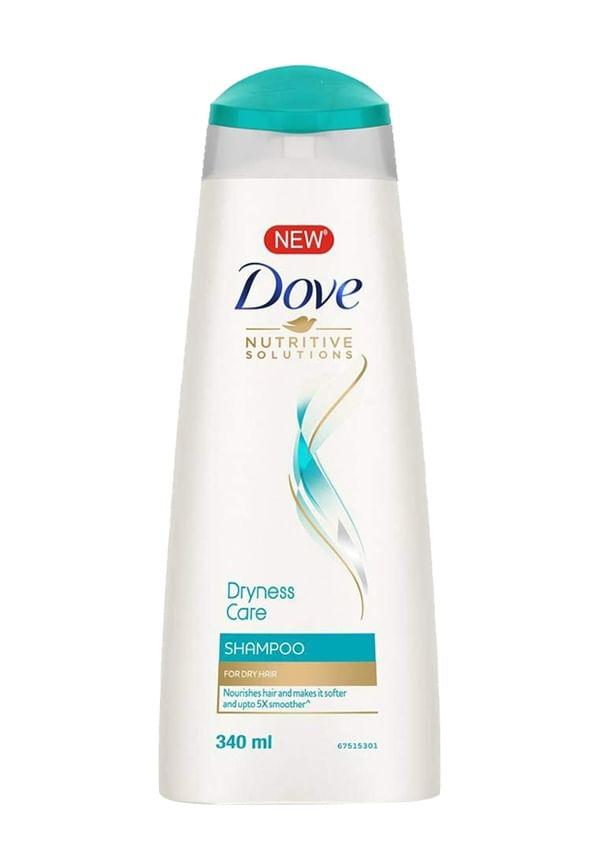
Dryness Care Shampoo
You know that feeling when you step outside during monsoon and your hair instantly turns into a frizzy mess? Or when you wake up to find way more strands on your pillow than usual? Real talk — rainy season can be absolutely brutal on our hair. Between the humidity making everything go haywire and the constant damp-dry cycles, it's like your hair is fighting a losing battle every single day. But here's the thing: understanding what's actually happening to your hair during monsoon is the first step to winning this seasonal struggle.
Let's get into the science bit without making it sound like a textbook. When humidity levels spike during monsoon (we're talking 80-90% in most Indian cities), your hair basically becomes a moisture magnet. The hair cuticle — that's the outer protective layer — starts swelling up like a sponge. This swelling disrupts the smooth surface that keeps your hair looking sleek and healthy.
Here's what's really happening: your hair shaft can absorb up to 30% of its weight in water. When it does this repeatedly during the wet-dry cycles of monsoon, the protein structure inside gets weakened. Think of it like a rubber band that's been stretched too many times — eventually, it loses its bounce and breaks more easily.
The numbers don't lie either. While normal hair fall ranges from 50-100 strands daily, many people notice this jumping to 200-300 strands during monsoon. That's not just in your head — it's a real response to environmental stress. The combination of high humidity, temperature fluctuations, and increased pollution in rainwater creates the perfect storm for hair damage.
When humidity hits, your hair cuticles lift and separate, creating tiny gaps where moisture can sneak in. This process is called hygral fatigue — basically, your hair gets tired from constantly expanding and contracting. The result? Frizz, breakage, and that frustrating lack of manageability that makes you want to hide under a hat all season.
Rainwater isn't as pure as you might think, especially in urban areas. It picks up pollutants, dust, and chemicals on its way down, which can irritate your scalp and strip away natural oils. Plus, the warm, moist environment is like a five-star resort for bacteria and fungi — not exactly what you want hanging out on your scalp.
Now that we know why monsoon wreaks havoc on our hair, let's tackle the most common issues head-on. These aren't just quick fixes — they're practical solutions you can start using today to protect your hair from the seasonal chaos.
Frizzy hair during rainy season is basically your hair's way of saying "I can't handle all this moisture!" The key is creating a barrier that locks moisture out while keeping your hair hydrated from within. Look for products with silicones or natural oils that form a protective film around each strand. Anti-humidity serums and leave-in treatments become your best friends during this time.
Paradoxically, high humidity can make your scalp produce more oil as it tries to balance the moisture levels. This leads to that greasy, heavy feeling by midday. The solution isn't washing more frequently (that actually makes it worse), but using clarifying shampoos 2-3 times a week and dry shampoo in between washes to absorb excess oil.
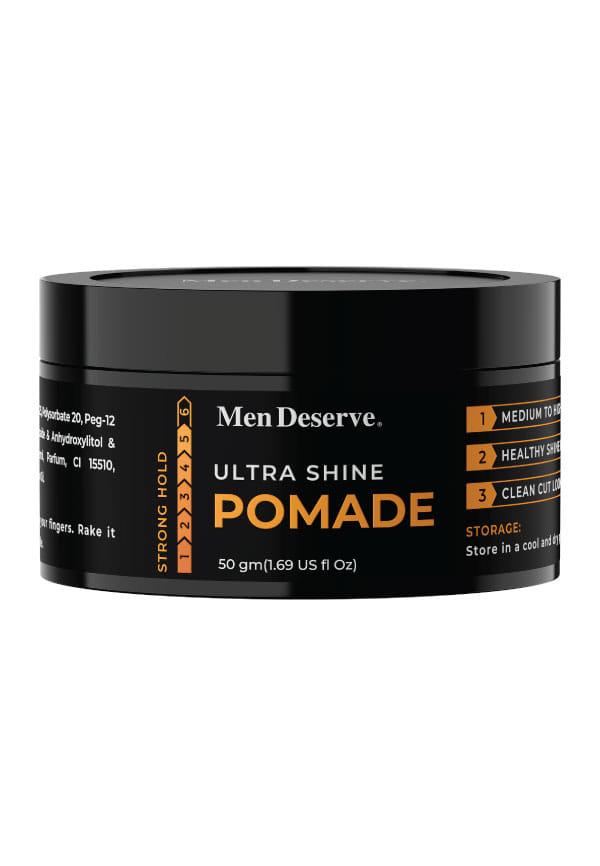
Hair Styling Ultra Shine Pomade for Strong Hold and Wet Look Hairstyle
When you're seeing more hair in your brush than usual, it's time to focus on strengthening from the roots. Gentle scalp massages with nourishing oils, protein treatments, and being extra careful when handling wet hair can make a huge difference. Remember, wet hair is at its most vulnerable — treat it like delicate silk.
The warm, humid environment during monsoon is perfect for fungal growth, which often shows up as dandruff or more serious scalp infections. Antifungal ingredients like tea tree oil, ketoconazole, or zinc pyrithione become essential. Keep your scalp clean and dry, and don't ignore persistent itching or unusual flaking.
Creating a monsoon-specific haircare routine isn't about completely overhauling what you do — it's about making smart adjustments that work with the season instead of against it. The goal is to maintain your hair's health while adapting to the challenging environmental conditions.
Start with the basics: your washing frequency might need tweaking. If you usually wash every other day, you might need to switch to every day during peak monsoon, especially if you have an oily scalp. But if your hair is dry or chemically treated, stick to 2-3 times a week and focus on keeping your scalp clean between washes.
Before stepping out, apply a light leave-in conditioner or anti-humidity serum from mid-length to ends. This creates a protective barrier against moisture. If you get caught in the rain, gently squeeze out excess water with a microfibre towel — never rub or wring your hair. Once you're home, let your hair air dry as much as possible before using any heat styling tools.
Your hair needs extra TLC during monsoon, so weekly deep conditioning becomes non-negotiable. Focus on treatments that provide both moisture and protein — your hair needs this balance to stay strong and flexible. Hair hydration during monsoon isn't just about adding moisture; it's about maintaining the right moisture-protein balance so your hair doesn't become weak or brittle.
Your scalp is the foundation of healthy hair, and during monsoon, it needs extra attention. The combination of humidity, sweat, and potential exposure to contaminated rainwater can create an environment where bacteria and fungi thrive. Proper scalp care during rainy season becomes crucial for preventing infections and maintaining overall hair health.
The key is maintaining the right balance — keeping your scalp clean without over-cleansing, and ensuring it stays dry without stripping away natural oils. This might sound tricky, but with the right approach, it's totally manageable.
Focus on massaging your scalp gently with your fingertips (not nails) to improve circulation and remove buildup. Use lukewarm water instead of hot water, which can strip natural oils and irritate your scalp. If you're dealing with excess oil or product buildup, a clarifying shampoo once a week can help reset your scalp's balance.
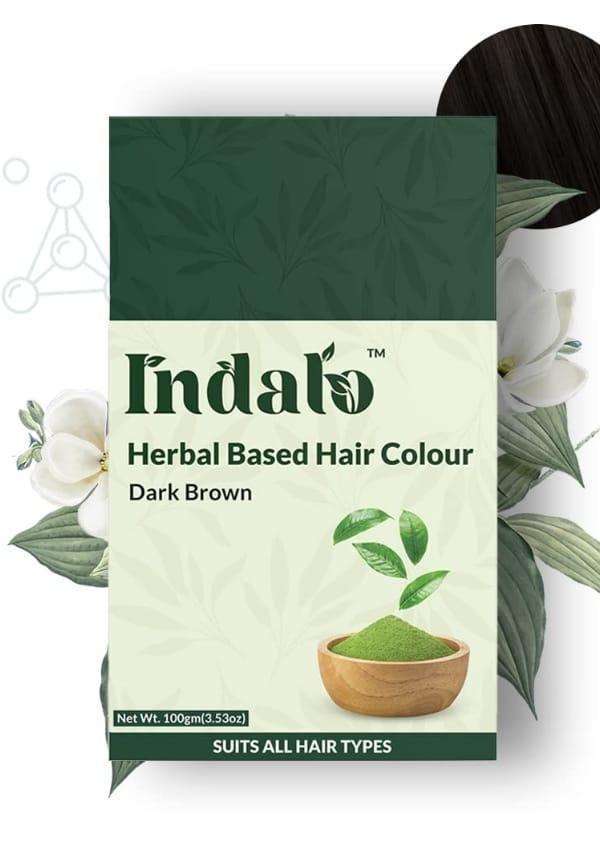
Herbal Based Hair Colour with Amla and Brahmi - Dark Brown
Tea tree oil diluted with a carrier oil makes an excellent antifungal treatment. Apple cider vinegar rinses can help balance your scalp's pH and remove product buildup. Neem oil, though strong-smelling, is incredibly effective against fungal infections. These natural remedies work best when used consistently rather than as one-off treatments.
Choosing the right hair products for rainy season can make or break your monsoon hair game. The trick is understanding which ingredients work with humidity and which ones fight against it. You want products that provide protection without weighing your hair down or making it look greasy by noon.
Look for lightweight formulations that offer humidity resistance. Ingredients like dimethicone create a protective barrier, while hyaluronic acid provides moisture without heaviness. Avoid heavy oils and thick creams that can make your hair look limp and attract more humidity.
During monsoon, your shampoo needs to work harder. Clarifying shampoos help remove buildup from humidity and pollution, while moisturising formulas prevent your hair from becoming too dry from frequent washing. Antifungal ingredients like ketoconazole or tea tree oil can help prevent scalp issues. Sulfate-free options are gentler for daily use if you need to wash frequently.
This is where you can really make a difference. Anti-humidity serums and leave-in conditioners with silicones create a protective shield around your hair. Heat protectants become even more important during monsoon because you might need to use blow dryers more often to ensure your hair dries completely and doesn't develop a musty smell.
Sometimes the best solutions come from your kitchen cabinet. Natural remedies for monsoon hair fall have been used for generations, and many of them actually have scientific backing. The key is consistency and understanding which remedies work for your specific hair type and concerns.
Coconut oil remains one of the most effective natural treatments for strengthening hair. Its molecular structure allows it to penetrate the hair shaft and reduce protein loss. Onion juice, despite the smell, contains sulfur compounds that can improve circulation and strengthen hair follicles. Aloe vera provides moisture and has antifungal properties that help maintain scalp health.
Apply warm coconut oil to your scalp and hair, leave it for at least 30 minutes before washing. For onion juice treatments, blend onions, strain the juice, and apply to your scalp for 15-20 minutes before shampooing. Aloe vera gel can be used as a leave-in treatment or mixed with other oils for a nourishing hair mask.
What you eat affects your hair health, especially during stressful seasons like monsoon. Increase your intake of protein, iron, and vitamins A, C, and E. Seasonal fruits like pomegranates and guavas are rich in antioxidants that help combat environmental damage. Stay hydrated and consider supplements like biotin or omega-3 fatty acids if your diet lacks these nutrients.
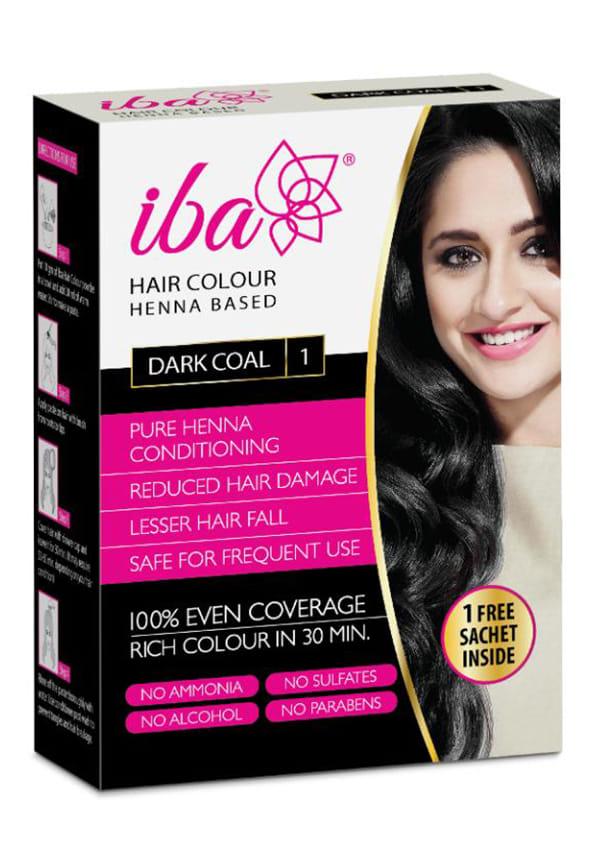
Halal Care Hair Colour
Yes, increased hair fall during monsoon is completely normal. The combination of humidity, temperature changes, and environmental stressors can cause hair fall to increase from the normal 50-100 strands per day to 150-250 strands. This is usually temporary and should return to normal once the season changes. However, if you're losing more than 300 strands daily or notice bald patches, it's worth consulting a dermatologist.
Most monsoon-related hair fall is temporary and the hair does regrow. Since it's usually caused by environmental stress rather than genetic factors, your hair follicles remain healthy and capable of producing new hair. You should start seeing regrowth within 2-3 months after the monsoon season ends. Maintaining a good haircare routine and proper nutrition can help speed up this process.
In India, hair fall typically peaks during monsoon (June-September) and the transition period between seasons. The high humidity during monsoon, combined with pollution and frequent wet-dry cycles, creates the most challenging conditions for hair health. Post-monsoon (October-November) can also see continued hair fall as your hair recovers from the seasonal stress.
Protect your hair by using anti-humidity products, covering your hair when going out in the rain, and ensuring it dries completely after getting wet. Use gentle, sulfate-free shampoos, deep condition weekly, and avoid tight hairstyles that can cause breakage. Keep your scalp clean and dry to prevent fungal infections, and consider using natural oils for extra nourishment.
Watch out for persistent itching, unusual flaking or dandruff, red or inflamed patches on your scalp, a musty or unpleasant odour, and tender or painful areas. If you notice any of these symptoms lasting more than a week despite proper care, it's time to see a dermatologist. Early treatment prevents these infections from becoming more serious or causing permanent hair loss.
Yes, but choose lightweight oils and use them sparingly. Coconut oil, argan oil, or jojoba oil work well because they don't make your hair greasy. Apply oil to the lengths and ends rather than the scalp if you have oily hair. Always ensure your hair is completely dry after oiling to prevent fungal growth.
Absolutely! Hair masks are actually more important during monsoon because your hair needs extra nourishment to combat environmental stress. Use protein masks if your hair feels weak and stretchy, or moisturising masks if it feels dry and brittle. Apply masks once or twice a week, focusing on the mid-lengths and ends of your hair.
Monsoon doesn't have to mean bad hair days every day. With the right understanding of what's happening to your hair and a few strategic changes to your routine, you can actually maintain healthy, manageable hair throughout the rainy season. The key is being proactive rather than reactive — start implementing these changes before the problems become overwhelming.
Remember, consistency matters more than perfection. You don't need to follow every single tip, but finding a routine that works for your hair type and lifestyle will make all the difference. Whether it's switching to a clarifying shampoo, adding a weekly hair mask, or simply being more gentle when handling wet hair, small changes can lead to big improvements.
If you're looking to experiment with different products to find what works best for your hair during monsoon, Smytten offers trial-size versions of many haircare products from trusted brands. It's a smart way to test different formulations and ingredients without committing to full-size bottles — especially helpful when you're trying to figure out your perfect monsoon haircare routine.
