Rain Protection Hair Care FAQ: Your Questions Answered
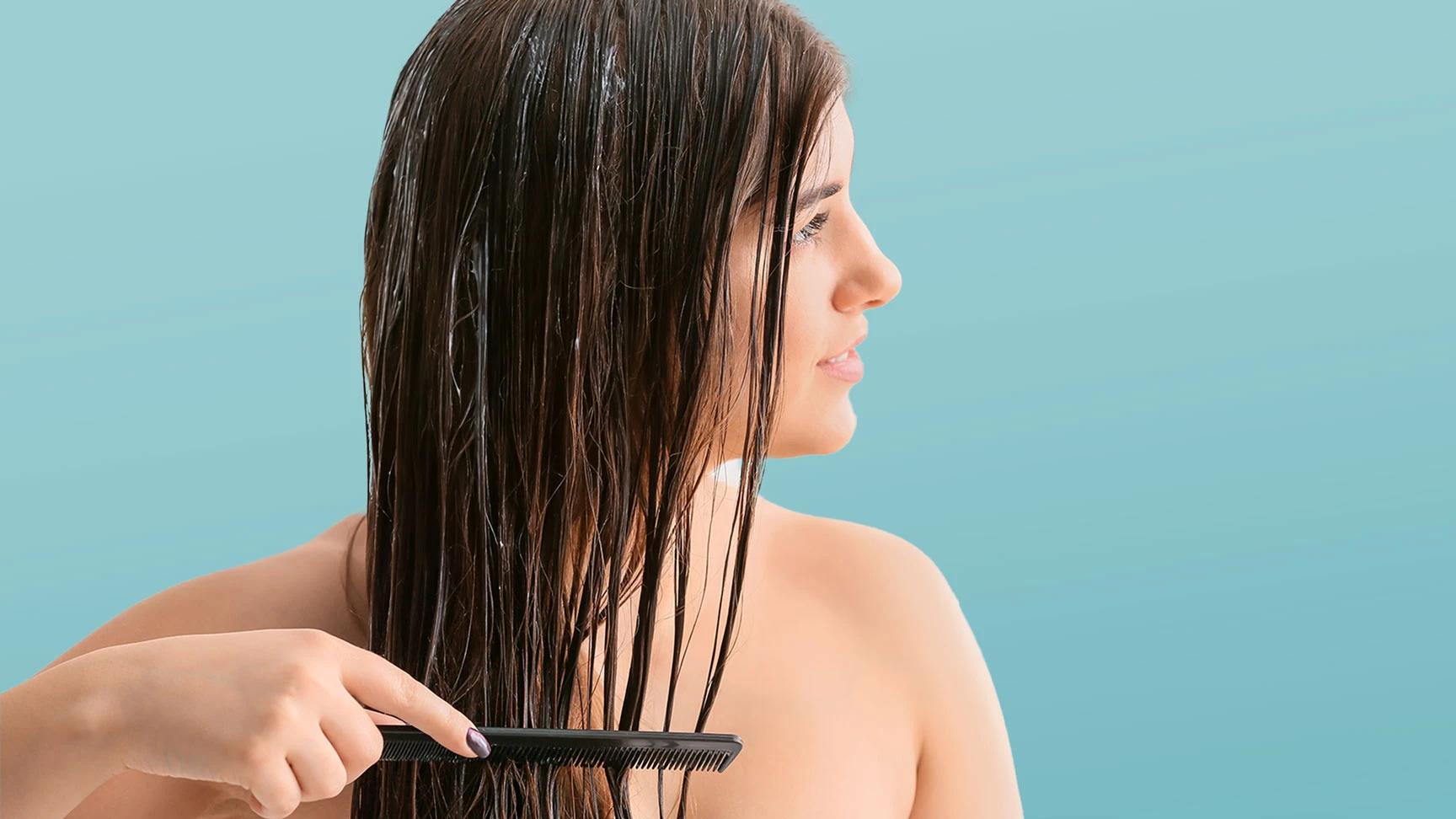

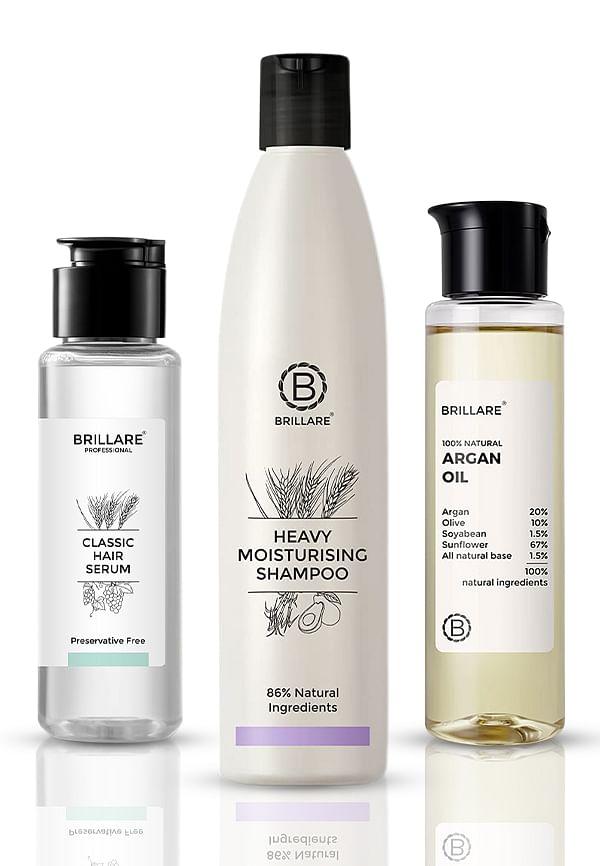
Frizz-Free Hydration Hair Care Kit
Picture this: you've spent ages perfecting your hair, stepped out feeling fab, and then the sky opens up. Five minutes later, you're dealing with frizz that could rival a poodle and hair that's gone completely rogue. Sound familiar? Rain and humidity are basically your hair's arch-nemeses, but here's the thing — with the right know-how, you can actually win this battle. Whether you're dealing with unexpected downpours or living through monsoon season, protecting your hair from moisture doesn't have to be rocket science. Let's dive into everything you need to know about keeping your locks looking gorgeous, no matter what the weather throws at you.
Let's get real about what's actually happening when your hair meets humidity. Your hair cuticles are like tiny scales that either lie flat (good hair day) or lift up (hello, frizz city). When moisture hits, these cuticles swell and lift, creating that dreaded fuzzy texture we all know too well.
Here's where it gets interesting — your hair's porosity plays a massive role in how it reacts to rain. High porosity hair absorbs moisture like a sponge, which sounds good in theory but actually leads to over-saturation and serious frizz. Low porosity hair repels moisture initially but once it gets wet, it takes forever to dry and can become limp and lifeless.
Rain doesn't just mess with your style; it can actually cause long-term damage. When hair swells repeatedly from moisture exposure, the cuticles weaken and start to chip away. This leads to breakage, split ends, and that rough texture that no amount of smoothing serum seems to fix. Plus, if you're constantly touching and manipulating wet hair to "fix" it, you're making the damage worse.
The key to fighting back is understanding that hair rain protection isn't just about keeping water off your hair — it's about creating a barrier that controls how much moisture gets in and how your hair responds to it. Think of it as weatherproofing, but for your locks.
Smart rain protection starts way before you see those dark clouds rolling in. Your best defence is actually what you do 24-48 hours before wet weather hits. This is when you want to deep condition and seal your hair cuticles, creating a protective foundation that'll help you weather the storm.
Start with a protein treatment if your hair feels mushy or overly stretchy — this strengthens the hair shaft so it can better resist moisture damage. Follow up with a heavy moisturising mask to ensure your hair is properly hydrated from within. When your hair is already well-moisturised, it's less likely to absorb excess water from the environment.
Your styling technique matters just as much as your products. Before heading out, apply a leave-in conditioner from mid-length to ends, then layer a humidity-blocking serum or oil on top. The trick is to work in thin layers rather than dumping everything on at once — you want protection, not a greasy mess.
For emergency situations when you get caught in unexpected rain, keep a small bottle of diluted leave-in conditioner in your bag. Mix one part conditioner with three parts water in a spray bottle. A few spritzes can help tame frizz and add moisture back to hair that's been stripped by rain.
Apply leave-in conditioner to damp hair
Seal with anti-humidity serum or lightweight oil
Choose protective styles like braids or low buns
Carry a silk scarf or hood for emergency coverage
Keep travel-size frizz control products handy
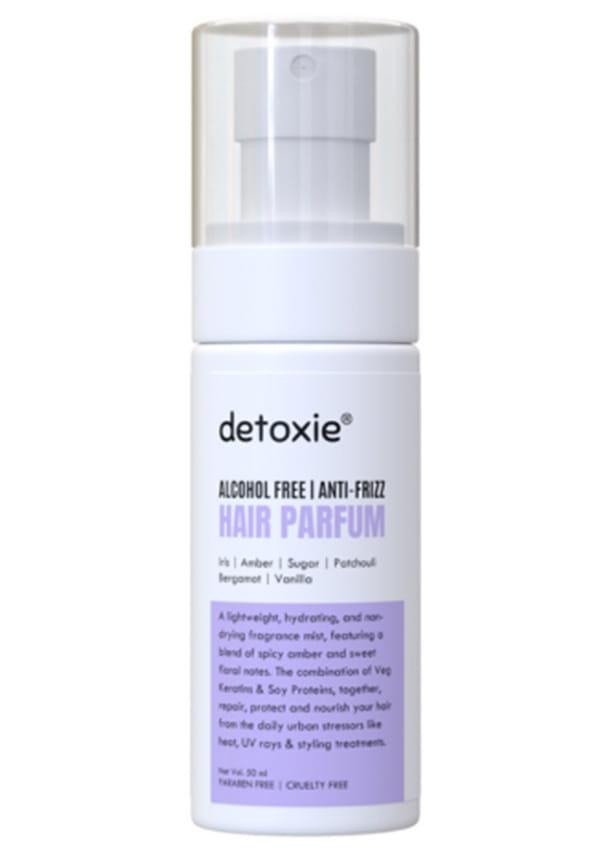
Alcohol Free Anti-Frizz Hair Parfum
Frizz happens when the hydrogen bonds in your hair break and reform in response to moisture. Basically, humidity is constantly telling your hair to change shape, and your hair is way too eager to listen. The solution isn't to completely block moisture (impossible) but to control how your hair responds to it.
Silicones are your best friend here, despite what you might have heard. Dimethicone and cyclopentasiloxane create a flexible film over your hair shaft that allows some moisture in and out while preventing the dramatic swelling that causes frizz. Look for products with these ingredients, especially if you're dealing with high humidity levels.
Natural oils work differently but can be just as effective for humidity hair control. Argan oil and jojoba oil are lightweight enough for daily use and help seal the hair cuticle. Apply a tiny amount to damp hair, focusing on the ends where damage is usually worst.
Here's a game-changing DIY trick: mix equal parts aloe vera gel and your favourite leave-in conditioner. Aloe contains natural film-forming agents that create a protective barrier while adding moisture. This mixture works particularly well for curly and textured hair that needs extra frizz control.
Professional treatments like keratin or smoothing services can provide long-term frizz protection, but they're not necessary for everyone. If you're dealing with severe frizz or chemically damaged hair, these treatments might be worth considering. For most people, a good at-home routine with the right products will do the trick.
Not all hair products are created equal when it comes to rain protection. You want to look for specific ingredients that actually block humidity rather than just adding moisture. Amodimethicone, for example, is a silicone that bonds to damaged areas of your hair, providing targeted protection where you need it most.
Leave-in conditioners with humidity shields are absolute essentials. These typically contain a combination of moisturising ingredients and film-forming agents. Apply them to towel-dried hair for best results — you want your hair slightly damp so the product can penetrate and create an even coating.
Anti-humidity serums are concentrated treatments that pack a serious punch against moisture. A little goes a long way with these products, so start with a pea-sized amount and work it through your hair evenly. Focus on your most frizz-prone areas, which are usually around your hairline and the ends of your hair.
Waterproof styling products might sound extreme, but they're actually brilliant for rainy day hairstyles. These products are designed to maintain hold even when exposed to moisture, so your style stays put instead of falling flat the moment you step outside.
Always apply products to slightly damp hair for better distribution
Work from ends to roots to avoid weighing down your scalp
Use a wide-tooth comb to ensure even coverage
Let each layer dry slightly before applying the next product
Finish with a light mist of hairspray for extra hold
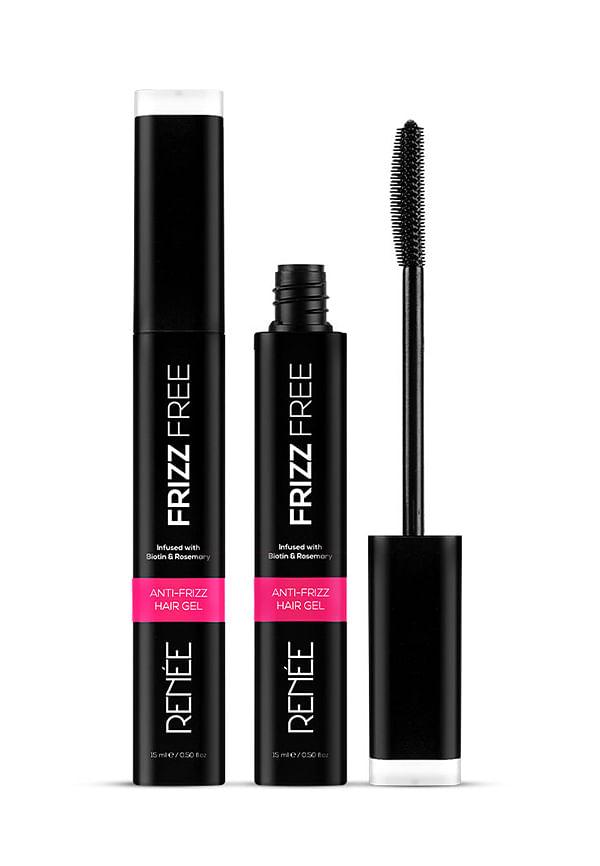
Frizz Free Anti Frizz Hair Gel
The best rainy day hairstyles work with your hair's natural texture rather than fighting against it. Tight, slicked-back styles might look sleek initially, but they're more likely to show every bit of frizz and flyaway once humidity hits. Instead, opt for styles that can handle a bit of texture and movement.
Braids are absolutely brilliant for wet weather because they keep your hair contained while allowing for natural texture. Try a loose side braid or multiple small braids that you can pin up into a casual updo. The key is to braid slightly damp hair with a leave-in conditioner so the style sets properly.
Low buns and chignons are classic for a reason — they protect the majority of your hair from direct moisture exposure while looking polished. Twist your hair loosely and secure with bobby pins, leaving a few face-framing pieces out for a softer look. These pieces will inevitably get a bit frizzy, but it'll look intentional rather than messy.
For those with naturally curly or wavy hair, embrace the texture and go for a wash-and-go style with strong-hold gel or mousse. The trick is to scrunch out the crunch once your hair is completely dry, leaving you with defined, frizz-resistant curls that can handle whatever the weather throws at them.
Got caught in the rain and your hair's gone completely mental? Don't panic. Gently squeeze out excess water with a microfibre towel or cotton t-shirt (never rub), apply a small amount of leave-in conditioner, and twist sections of hair around your finger to encourage your natural curl pattern. Let it air dry if possible, or use a diffuser on low heat.
Here's something that might surprise you: proper hair hydration is actually crucial for rain protection. When your hair is well-moisturised from within, it's less likely to absorb excess moisture from the environment. Think of it like a sponge — a saturated sponge can't absorb much more water.
The trick is finding the right balance. Over-moisturised hair becomes limp and greasy, while under-moisturised hair turns into a frizz magnet. Pay attention to how your hair feels and looks. Properly hydrated hair should feel soft and smooth, with a slight bounce when you scrunch it.
During rainy seasons, adjust your deep conditioning schedule. If you normally deep condition once a week, you might need to bump it up to twice a week, especially if you're frequently getting caught in the rain. Use protein treatments sparingly — maybe once a month — to maintain hair strength without causing brittleness.
Watch out for signs of over-hydration: hair that feels mushy when wet, takes forever to dry, or looks limp and lifeless even when styled. If this sounds like your hair, skip the deep conditioner for a week and focus on protein treatments instead.
Increase deep conditioning frequency during monsoon months
Switch to lighter leave-in products if hair feels weighed down
Use clarifying shampoo weekly to remove product buildup
Incorporate protein treatments to strengthen rain-damaged hair
Adjust your styling routine based on daily humidity levels
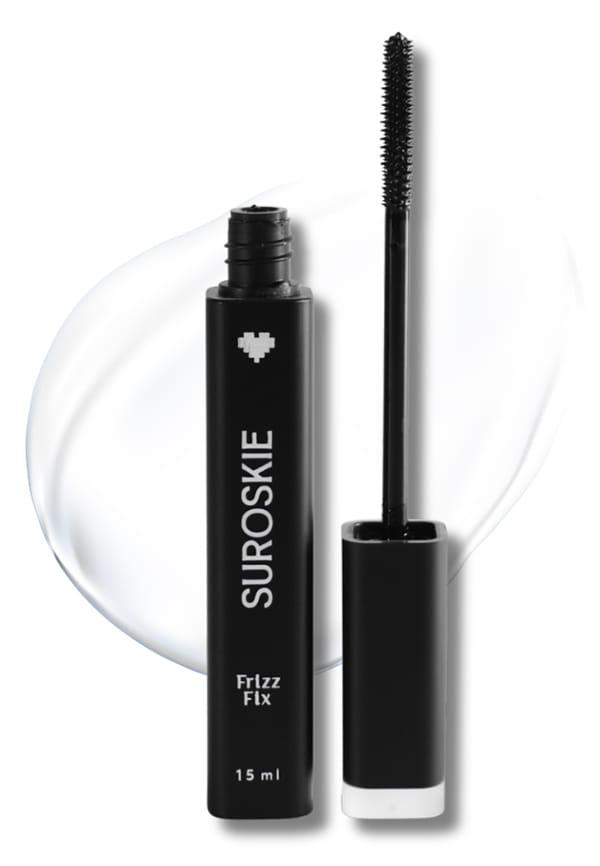
Anti Frizz Hair Stick
Ideally, start your rain protection routine 24-48 hours before expected wet weather. This gives you time to deep condition, apply protective treatments, and let everything set properly. For unexpected rain, a quick application of leave-in conditioner and anti-humidity serum can provide immediate protection.
Regular products might not provide enough protection against humidity and rain. Look for products specifically formulated with humidity-blocking ingredients like silicones or film-forming agents. Your usual moisturiser or styling cream might actually make frizz worse in wet conditions.
Humidity protection focuses on preventing moisture absorption from the air, while rain protection deals with direct water exposure. Rain protection typically requires stronger, more water-resistant formulations. Many products offer both, but check the label to make sure you're getting the right level of protection.
Don't touch wet hair more than necessary. Gently squeeze out excess water, apply a small amount of leave-in conditioner, and either let it air dry or use a diffuser on low heat. Avoid brushing wet hair, which can cause breakage and make frizz worse.
Not necessarily. Some budget-friendly products work just as well as premium options. Focus on the ingredient list rather than the price tag. Look for proven humidity-blocking ingredients like dimethicone or amodimethicone, regardless of brand.
Flexible styles that can handle texture changes work best. Think loose braids, low buns, or natural texture styles with strong-hold products. Avoid styles that require perfect smoothness or precise placement, as these will show every bit of weather-related disruption.
Protecting your hair from rain and humidity isn't about fighting your hair's natural tendencies — it's about working with them smartly. The best approach combines proper preparation, the right products, and realistic styling choices that can handle whatever the weather throws at you.
Remember that consistency matters more than perfection. A simple routine with leave-in conditioner and anti-humidity serum will serve you better than complicated treatments you only remember to use occasionally. Focus on keeping your hair healthy and well-moisturised, and it'll be naturally more resistant to weather-related damage.
The key is finding what works for your specific hair type and lifestyle. What protects fine, straight hair from humidity might be too heavy for thick, curly hair, and vice versa. Don't be afraid to experiment with different products and techniques until you find your perfect rain-day routine.
If you're still figuring out which products work best for your hair type, Smytten's curated selection includes trial-size versions of many humidity-fighting treatments from trusted brands. It's a smart way to test different formulations before committing to full-size products — because finding your perfect rain protection routine shouldn't require a massive investment upfront.
