Rain Damages Hair FAQ: Common Questions Answered
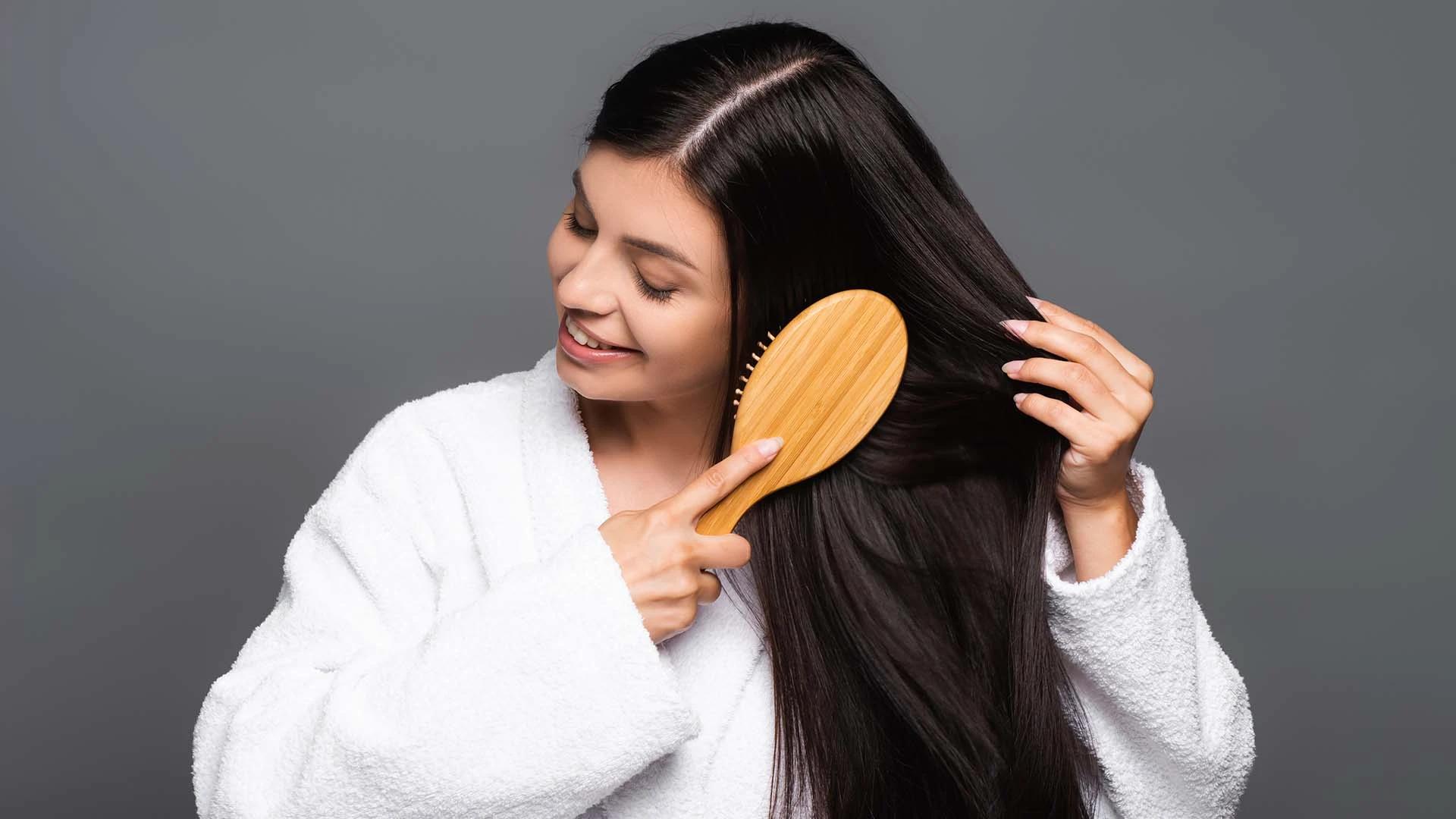

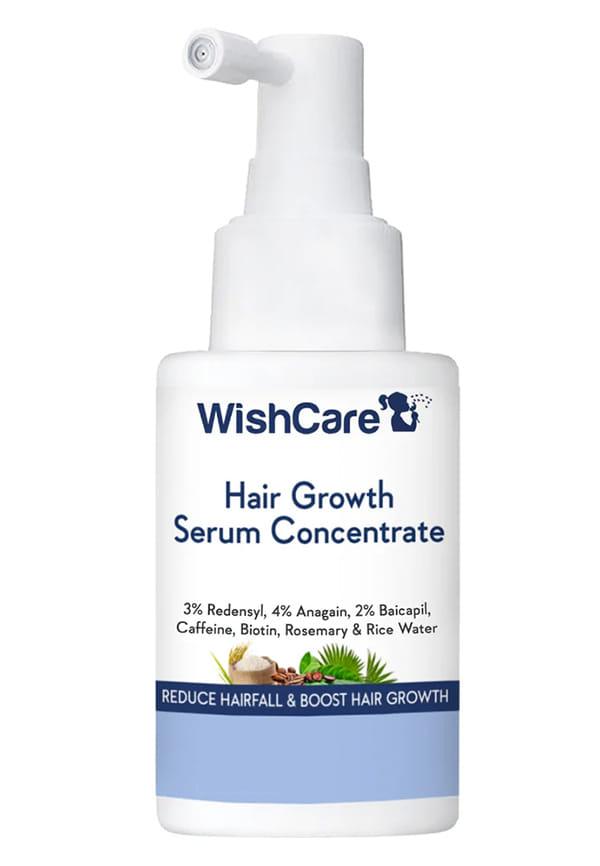
Hair Growth Serum Concentrate
Picture this: you're rushing to work when the skies open up, and by the time you reach shelter, your carefully styled hair looks like you've been through a wind tunnel. Sound familiar? If you've ever wondered why your hair seems to have a personal vendetta against rainy weather, you're not alone. Millions of people struggle with the aftermath of unexpected downpours, from frizz that defies gravity to hair that feels like straw. The truth is, rain doesn't just mess up your style—it can actually damage your hair in ways you might not expect. Let's dive into the science behind how rain damages hair and, more importantly, how you can protect your locks from weather-related chaos.
Real talk—rainwater isn't the pure, natural blessing we often imagine it to be. When water evaporates and forms clouds, it picks up all sorts of atmospheric pollutants on its journey back down to earth. This means that by the time rain reaches your hair, it's carrying a cocktail of chemicals, dust, and even acid that can wreak havoc on your strands.
Unlike the filtered water from your tap, rainwater often has a lower pH level due to atmospheric pollutants. This acidic nature can disrupt your hair's natural pH balance, which typically sits around 4.5 to 5.5. When your hair cuticles encounter this acidic moisture, they can swell and lift, making your strands more vulnerable to damage and creating that rough, tangled texture you feel after getting caught in the rain.
Your hair is made up of about 95% keratin protein, arranged in overlapping scales called cuticles. Think of these like roof tiles protecting the inner cortex of your hair shaft. When rainwater penetrates these cuticles, it can cause them to lift and separate, exposing the delicate inner structure. This is why wet hair is up to three times more fragile than dry hair—the protective barrier is compromised, making breakage and damage much more likely.
Understanding how rain affects your hair is the first step towards better protection. The damage isn't just about looking a bit messy—it's about the long-term health of your strands and scalp.
When your hair gets soaked, it becomes elastic and stretchy. This might sound harmless, but it actually makes your strands incredibly vulnerable to snapping. Combine this with the natural tendency to roughly towel-dry or brush wet hair, and you've got a recipe for breakage. The mechanical stress of dealing with tangled, waterlogged hair often leads to split ends and weakened hair shafts that are prone to future damage.
Here's where things get really interesting. Hair frizz rain creates isn't just about getting wet—it's about the humidity that follows. Your hair acts like a sponge, absorbing moisture from the humid air even after the rain stops. This causes the hair shaft to swell unevenly, creating that dreaded frizzy texture. For those with naturally curly or wavy hair, this moisture imbalance can completely alter your curl pattern, leaving you with unpredictable volume and texture changes.
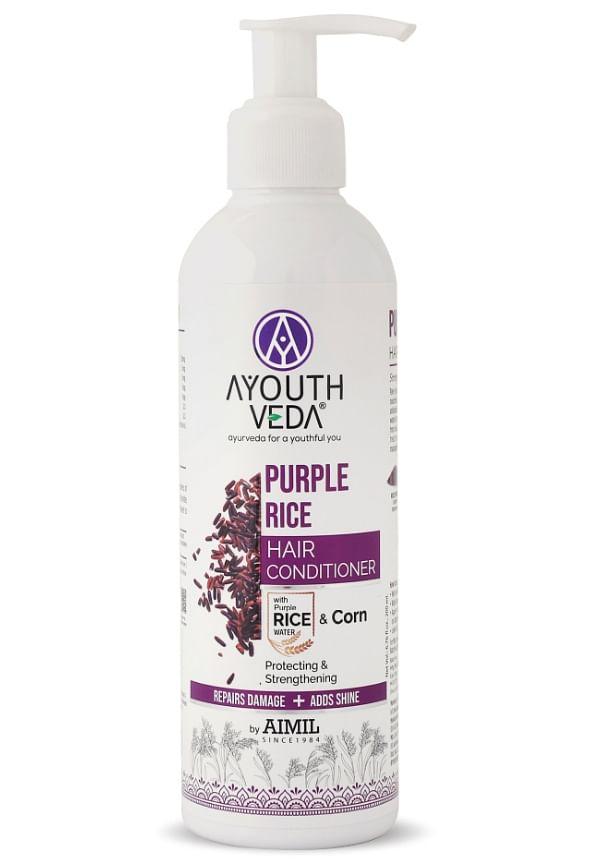
Purple Rice Hair Conditioner
Damp hair problems extend beyond the strands themselves. When your scalp stays moist for extended periods, it creates the perfect breeding ground for bacteria and fungi. This can lead to increased dandruff, scalp irritation, and even disrupted oil production. Your scalp might overcompensate for the moisture by producing excess sebum, or it might become dry and flaky as it tries to restore balance.
The effects of rain on hair aren't just about that one bad hair day—they can accumulate over time, especially if you're frequently exposed to rainy weather without proper protection.
In the short term, you'll notice the obvious signs: frizz, tangling, and difficulty styling. Your hair might feel rough or straw-like, and any heat styling you attempt might not hold as well as usual. These immediate effects are usually reversible with proper care, but they're a warning sign that your hair's protective barrier has been compromised.
The real concern comes with repeated exposure. Over time, frequent encounters with rainwater can lead to progressive weakening of the hair shaft, permanent changes to your hair's porosity, and increased susceptibility to breakage. Colour-treated hair is particularly vulnerable, as the chemical processes used in dyeing already compromise the cuticle layer, making it even more susceptible to rain damage.
The best defence against rain damage is a good offence. Protecting your hair before you step out into unpredictable weather can save you hours of damage control later.
Start with protective styling. Braids, buns, and other updos aren't just practical—they actually reduce the surface area of hair exposed to rain. Apply a leave-in conditioner or hair oil before styling to create a barrier between your strands and the elements. Products containing silicones can be particularly effective at repelling water, though you'll want to clarify your hair regularly to prevent buildup.
If you get caught in unexpected rain, try to minimise the time your hair spends soaking wet. Use an umbrella, hood, or even a plastic bag in emergencies. The key is reducing both the amount of water your hair absorbs and the time it stays damp. If possible, gently squeeze out excess water with a microfibre towel or cotton t-shirt rather than rubbing vigorously.
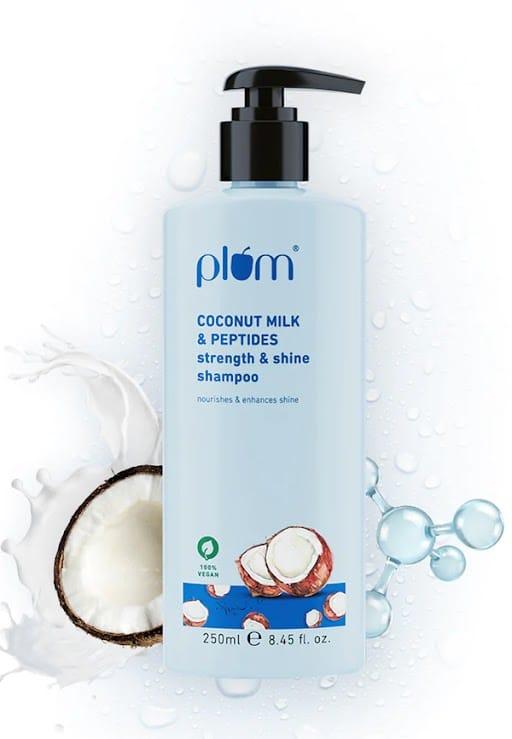
Coconut Milk & Peptides Strength & Shine shampoo | Contains Coconut Milk, Pea Peptide | Enhances Hair's Shine and Strengthens Hair | Paraben-Free| 10
When prevention fails, proper post-rain care can minimise damage and help restore your hair's health and appearance.
As soon as you're indoors, gently remove excess water from your hair. Avoid the temptation to rub with a regular towel—this creates friction that can worsen damage. Instead, press and squeeze with a microfibre towel or cotton t-shirt. If your hair feels particularly rough or tangled, apply a small amount of leave-in conditioner before attempting to detangle with a wide-tooth comb, starting from the ends and working up.
Consider incorporating weekly deep conditioning treatments during rainy seasons. Look for products containing proteins to help rebuild damaged hair structure, as well as moisturising ingredients to restore the moisture balance. A clarifying shampoo once a week can help remove any pollutant buildup from rainwater, followed by an intensive conditioning mask to replenish lost moisture and smooth the cuticle layer.
Successfully managing frizzy hair during rainy weather requires a strategic approach that goes beyond just using the right products—it's about adapting your entire routine to work with, rather than against, the weather.
Anti-humidity formulations are your best friend during rainy seasons. Look for products that contain film-forming polymers or silicones that create a protective barrier around each strand. Lightweight oils like argan or jojoba can provide protection without weighing your hair down, while cream-based leave-in conditioners can help seal the cuticle and prevent moisture from penetrating unevenly.
You might need to wash your hair more frequently during rainy seasons to remove pollutants and buildup, but balance this with extra conditioning to prevent dryness. Consider reducing heat styling, as damaged hair is more susceptible to humidity. Instead, embrace air-drying techniques and protective styles that work with your natural texture rather than fighting against it.
Rainwater itself doesn't directly cause hair loss, but it can contribute to increased breakage, which might make it seem like you're losing more hair. The acidic nature of rainwater can weaken hair strands, making them more prone to snapping. True hair loss occurs at the follicle level and is usually related to genetics, hormones, or medical conditions rather than environmental factors like rain.
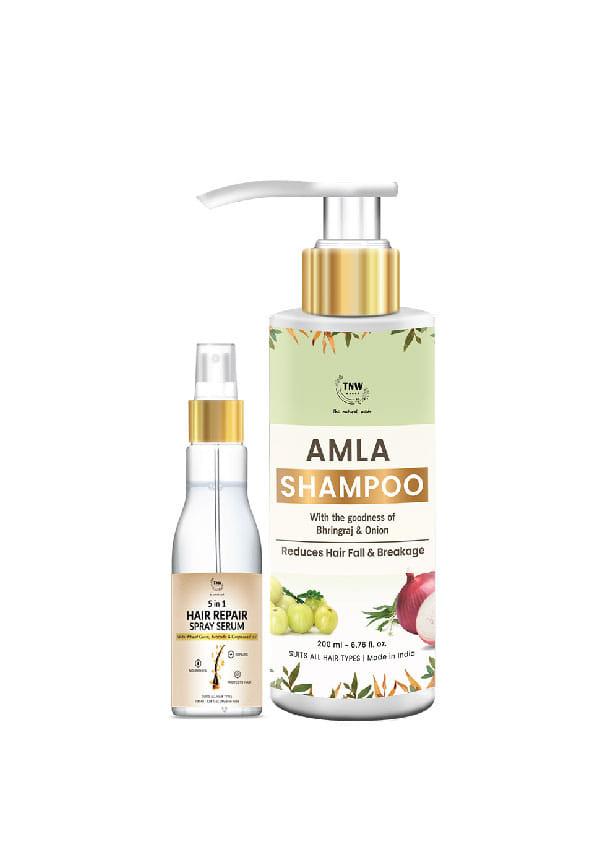
5 In 1 Hair Repair Spray Serum + Amla Shampoo
This is a common myth that needs addressing. While soft water can be gentler on hair than hard water, rainwater today is often contaminated with pollutants that can actually hinder healthy hair growth. Clean, filtered water is always a better choice for washing your hair than rainwater, which may contain chemicals and particles that can damage both your hair and scalp.
It depends on the circumstances. If you've been caught in heavy rain or live in an area with significant air pollution, washing your hair after rain exposure can help remove contaminants. However, if it was just a light drizzle and your hair isn't visibly dirty, you might be able to get away with just rinsing with clean water and applying a leave-in conditioner.
No, rainwater doesn't cause lice. Head lice are parasites that spread through direct head-to-head contact with someone who already has lice. They can't survive in water for extended periods, so getting caught in the rain won't give you lice. However, damp conditions can make existing scalp issues more noticeable or uncomfortable.
While some people believe rainwater is beneficial for skin, modern rainwater often contains pollutants that can irritate both skin and scalp. Your scalp is particularly sensitive, and exposure to acidic rainwater can disrupt its natural pH balance, potentially leading to dryness, irritation, or increased oil production as your scalp tries to compensate.
Creating a routine that protects your hair from weather damage requires thinking ahead and making small adjustments that add up to significant protection over time.
Before the rainy season hits, consider getting a trim to remove any existing damage that could worsen with humidity exposure. Stock up on protective products like leave-in conditioners, anti-humidity serums, and deep conditioning treatments. If you're planning any chemical treatments like colouring or perming, it's better to do them well before or after the rainy season when your hair will be under less environmental stress.
Develop a morning routine that includes protective styling and product application. Keep a small emergency kit with you—a travel-size leave-in conditioner, a microfibre hair wrap, and a wide-tooth comb can be lifesavers when unexpected weather strikes. In the evening, focus on gentle cleansing and moisture restoration to repair any damage from the day's exposure.
Understanding how rain damages hair is the first step towards developing an effective protection strategy. From the chemical composition of rainwater to the long-term effects of humidity hair damage, knowledge empowers you to make better choices for your hair's health. Remember, the goal isn't to avoid all weather—it's to be prepared and know how to minimise damage when exposure is unavoidable.
The key to managing rainy weather hair lies in consistency and the right products for your specific hair type and concerns. Whether you're dealing with immediate frizz or long-term damage prevention, small changes to your routine can make a significant difference. Not sure which products might work best for your hair type and concerns? Smytten offers trial-size versions of many haircare products from trusted brands—a smart way to test different formulations before committing to full-size bottles, especially when you're building a weather-resistant routine that needs to work perfectly for your unique hair needs.
