Quick Scalp Relief FAQ: Your Questions Answered
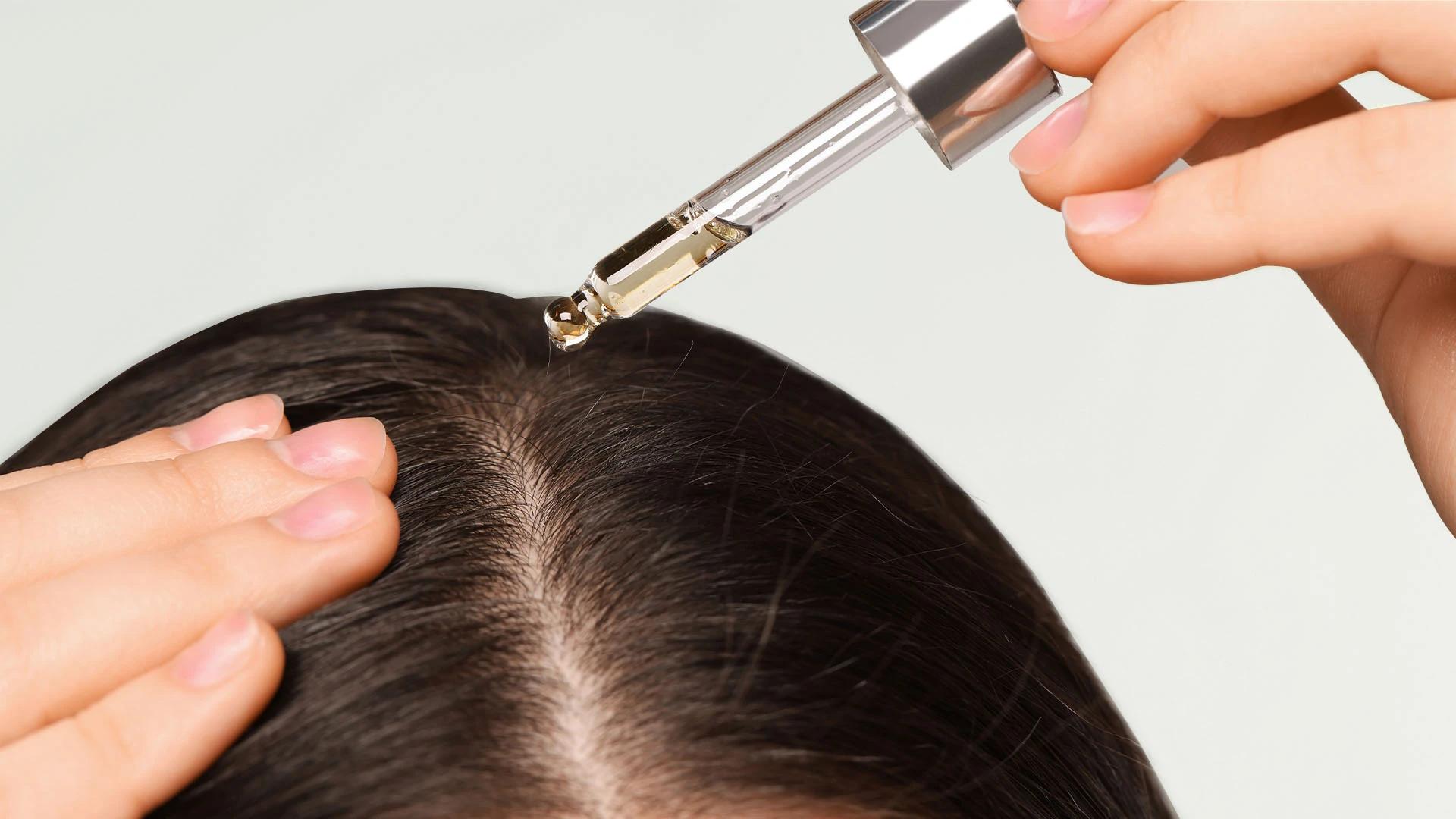

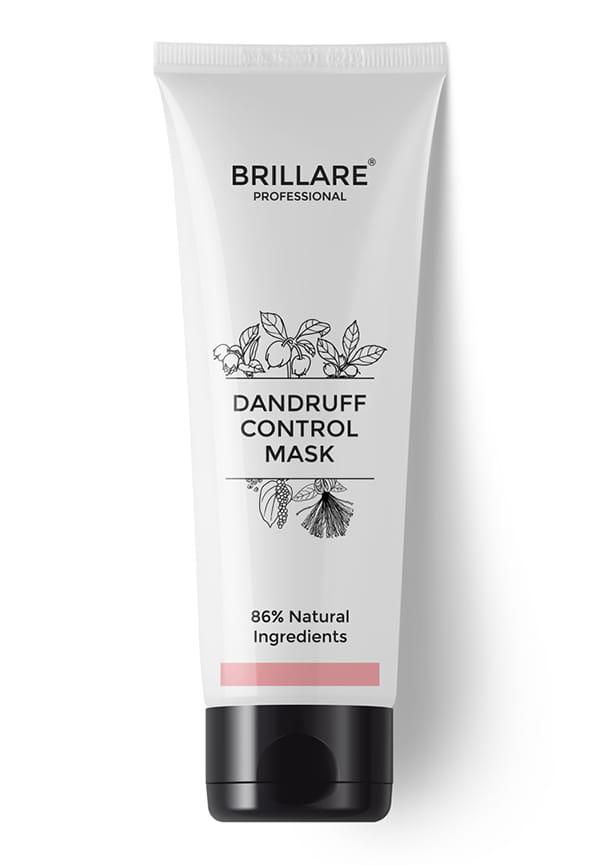
Conditioner For Itchy, Flaky Scalp
You know that moment when your scalp starts acting up at the worst possible time? Maybe it's the persistent itch during an important meeting, or the flaky situation that shows up right before a date. We've all been there, frantically searching for quick scalp relief that actually works. The good news? Most scalp dramas have simple solutions, and you don't need to suffer through another uncomfortable day. Let's dive into the real answers to your most pressing scalp questions.
Your scalp is basically the foundation of your hair game, but it's also surprisingly sensitive. Product buildup from styling gels, dry shampoos, and even your favourite shampoo can create a layer that clogs pores and triggers irritation. Weather changes hit hard too – winter's dry air can leave your scalp feeling tight and flaky, while summer's humidity might ramp up oil production and cause different issues.
Stress plays a bigger role than you might think. When you're overwhelmed, your body produces more cortisol, which can mess with your scalp's natural balance and lead to scalp inflammation. Even simple things like sleeping on rough pillowcases or using water that's too hot can turn your scalp into an irritated mess.
Here's the thing about scalp irritation relief – timing matters. What starts as mild itchiness can escalate into painful inflammation if you ignore it. Your scalp might become more sensitive to products you've used for years, and scratching can create micro-wounds that invite bacteria. Plus, an unhappy scalp often means unhappy hair – you might notice your strands looking dull, feeling dry, or even falling out more than usual.
The connection between scalp care and overall hair wellness is real. Think of your scalp as the soil where your hair grows. When it's healthy and balanced, your hair has the best chance to thrive. When it's irritated or inflamed, even the best hair products can't work their magic properly.
When your scalp is screaming for attention, you need solutions that work fast. These itchy scalp remedies use ingredients you probably already have at home, and they can provide relief within minutes.
Mix one part apple cider vinegar with three parts cool water in a spray bottle or bowl. After shampooing, pour this mixture over your scalp and gently massage it in with your fingertips. Let it sit for about two minutes, then rinse thoroughly with cool water. The acidity helps restore your scalp's natural pH balance, which can calm irritation and reduce itchiness almost immediately.
Grab pure aloe vera gel from your fridge (the cold temperature adds extra soothing power) and apply it directly to irritated areas of your scalp. Gently massage it in and leave it for 10-15 minutes before rinsing. Aloe's anti-inflammatory properties make it perfect for sensitive scalp care, and the cooling sensation provides instant relief.
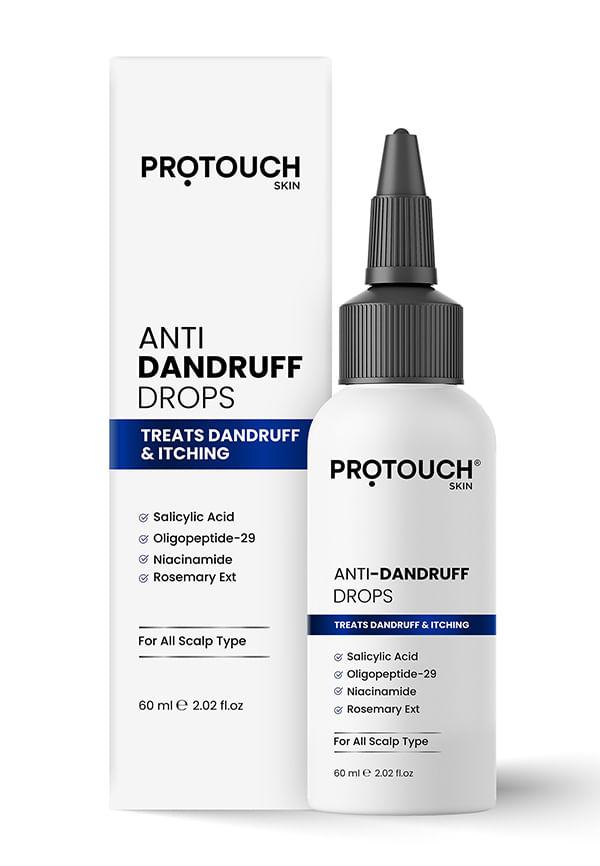
SKIN Anti Dandruff Drops Serum Soothes Itchy, Inflamed Scalp
Mix 2-3 drops of peppermint essential oil with a tablespoon of carrier oil like coconut or jojoba. Massage this mixture into your scalp using circular motions for about 5 minutes. The menthol creates a cooling sensation that can stop itching in its tracks, while the massage boosts circulation to help your scalp heal faster.
Dry scalp feels tight, looks flaky, and can make your hair appear dull. Unlike dandruff (which is often caused by too much oil), dry scalp happens when your skin lacks moisture. The good news is that dry scalp treatment can show results pretty quickly with the right approach.
Warm a small amount of coconut oil between your palms and massage it into your scalp and hair. For quick relief, leave it on for 30 minutes before washing out with a gentle shampoo. For deeper treatment, apply it before bed and wash it out in the morning. Coconut oil penetrates the hair shaft and provides lasting moisture to both your scalp and strands.
Blend half a cup of plain oats into a fine powder, then mix with enough water to form a paste. Apply this to your damp scalp, focusing on dry or irritated areas. Leave it on for 15 minutes before rinsing thoroughly. Oats contain compounds called saponins that gently cleanse while providing moisture and reducing inflammation.
Dilute tea tree oil with a carrier oil (never use it straight) and apply to specific problem areas. Tea tree oil has antimicrobial properties that can address underlying issues causing dryness, while also providing a cooling sensation that soothes irritation.
Dandruff is different from general scalp dryness – it's usually caused by a yeast-like fungus called Malassezia that feeds on scalp oils. This means dandruff control often requires a different approach than basic dry scalp treatment.
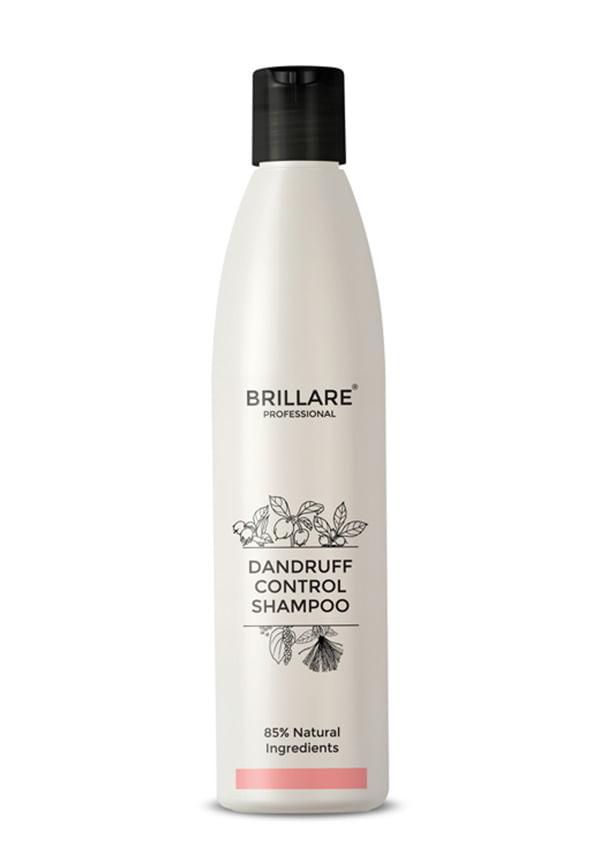
Dandruff Control Shampoo For Itchy, Flaky Scalp
Look for shampoos containing zinc pyrithione, selenium sulfide, or ketoconazole if you're dealing with persistent flakes and itching. Use these 2-3 times per week initially, then reduce frequency as your scalp improves. You can alternate with gentler, soothing scalp solutions to avoid over-drying your hair.
Lemon juice mixed with water can help clarify your scalp and reduce fungal growth. Baking soda works as a gentle exfoliant to remove flakes, while neem oil has antifungal properties that target the root cause of dandruff. These natural options work well for mild cases or as maintenance between stronger treatments.
Quick fixes are great for immediate relief, but building a solid scalp care routine prevents problems from coming back. Think of it as maintenance for your hair's foundation.
Start your day by gently brushing your hair with a natural bristle brush to distribute oils from your scalp down to your ends. Avoid tight hairstyles that pull on your scalp, and choose styling products that won't clog your pores. If you have a sensitive scalp, look for products labelled as gentle or hypoallergenic.
Rotate between different scalp soothing products to address various concerns. Monday might be for clarifying treatments, Wednesday for moisturising masks, and Saturday for gentle exfoliation. Keep track of what works best for your scalp and adjust the frequency based on how your skin responds.
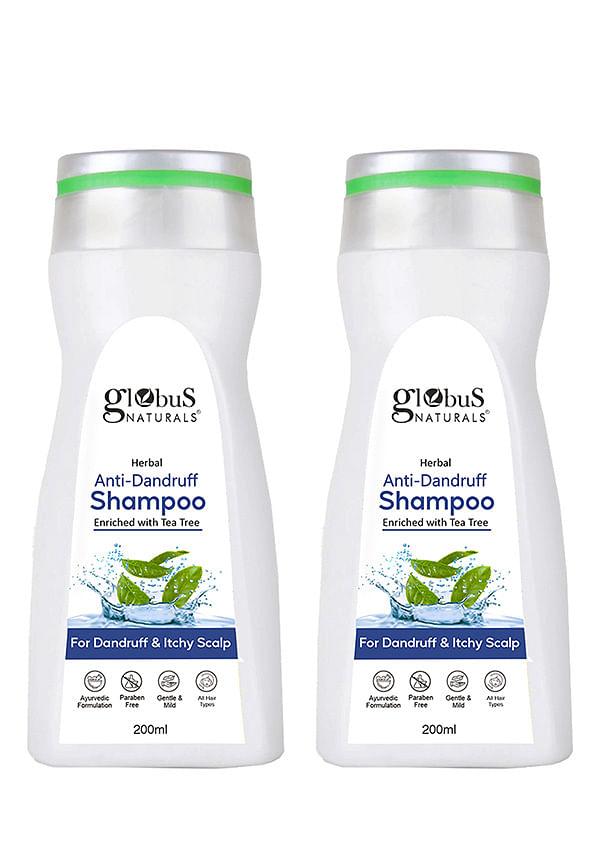
Anti Dandruff Shampoo, For Dandruff and Itchy Scalp
The fastest way to heal your scalp is through combination therapy. Start with immediate relief using cool compresses or aloe vera gel, then address the underlying cause with appropriate treatments. For general irritation, expect improvement within 24-48 hours. More serious conditions like severe scalp inflammation might take a week or two to fully resolve. If you don't see improvement within a few days, or if symptoms worsen, it's worth consulting a dermatologist.
For instant hydration, apply cool aloe vera gel or a mixture of glycerin and water directly to your scalp. Hyaluronic acid serums designed for scalp use can also provide immediate moisture. Follow up with a gentle oil like jojoba or argan oil to lock in hydration. Avoid hot water when washing your hair, as it strips natural oils and can make dryness worse.
Try the ice cube method – wrap an ice cube in a thin cloth and gently press it against itchy areas for 30 seconds at a time. Peppermint oil diluted in a carrier oil provides cooling relief, or you can use a cold aloe vera gel. Avoid scratching, which can worsen irritation and potentially cause infection. If the itching is severe or persistent, antihistamines might help while you address the underlying cause.
Create a bedtime scalp care routine that includes applying a light oil treatment about an hour before sleep. Use silk or satin pillowcases to reduce friction, and keep your bedroom cool to prevent sweating. If itching disrupts your sleep, try a cooling scalp spray with ingredients like menthol or eucalyptus. Some people find that taking a cool shower before bed helps calm an irritated scalp.
While most scalp issues respond well to home treatments, some situations require professional attention. Red flags include severe scalp inflammation that doesn't improve with gentle care, patches of hair loss, persistent bleeding or oozing, or symptoms that interfere with your daily life.
Conditions like seborrheic dermatitis, psoriasis, or fungal infections often need prescription treatments to fully resolve. If you've tried multiple approaches for two weeks without improvement, or if your symptoms are getting worse, it's time to see a dermatologist.
When preparing for your appointment, keep a diary of your symptoms, products you've used, and any potential triggers you've noticed. This information helps your doctor identify the root cause and recommend the most effective treatment plan.
Quick scalp relief is absolutely achievable with the right approach and ingredients. Most scalp issues respond well to gentle, consistent care rather than harsh treatments that can worsen irritation. Remember that your scalp's needs can change with seasons, stress levels, and hormonal fluctuations, so stay flexible with your routine.
The key to maintaining a healthy scalp is understanding what works for your specific concerns and building sustainable habits around scalp care. Whether you're dealing with dryness, itching, or inflammation, there are effective solutions available.
If you're looking to explore different scalp soothing products without committing to full sizes, Smytten offers trial-size versions of many scalp care products from trusted brands. It's a practical way to test what works best for your scalp before investing in larger bottles – because finding your perfect scalp care routine shouldn't involve guesswork.
