Protect Hair from Rainwater: Your FAQ Guide

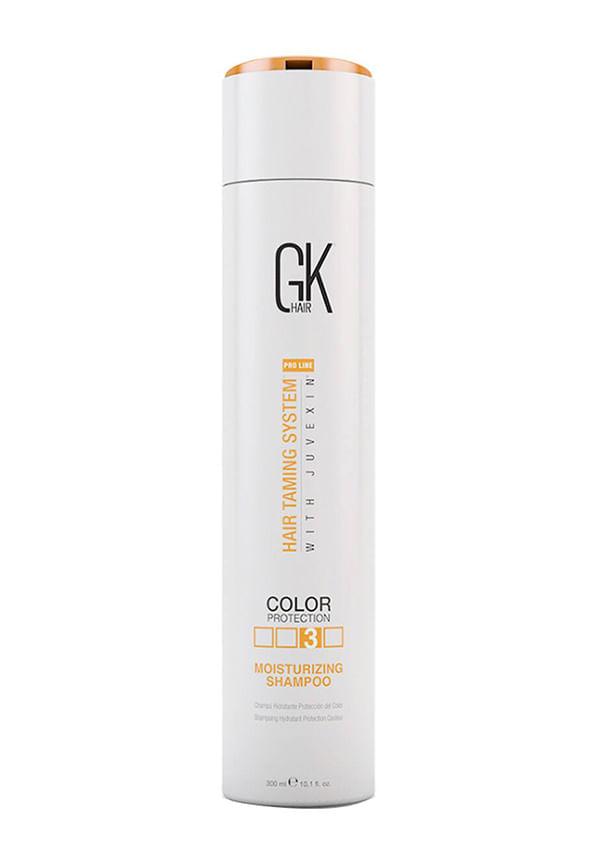
Moisturizing Shampoo Color Protection
You know that sinking feeling when you've just stepped out with perfectly styled hair, only to get caught in an unexpected downpour? One minute you're feeling like the main character, the next you're dealing with frizzy, limp strands that look nothing like what you started with. If you've ever wondered why rainwater seems to have a personal vendetta against your hair, you're not alone. The truth is, rainwater isn't just H2O—especially in urban areas where it picks up pollutants, chemicals, and all sorts of nasties on its way down. Let's dive into everything you need to know about keeping your hair protected, healthy, and looking good even when the weather has other plans.
Real talk—rainwater isn't the pure, natural blessing we sometimes imagine it to be. When rain falls through polluted air, it becomes a cocktail of chemicals, dust, and acidic compounds that can seriously mess with your hair's health. Urban rainwater often has a pH level between 4.2 and 4.4, making it quite acidic compared to the neutral pH your hair actually loves.
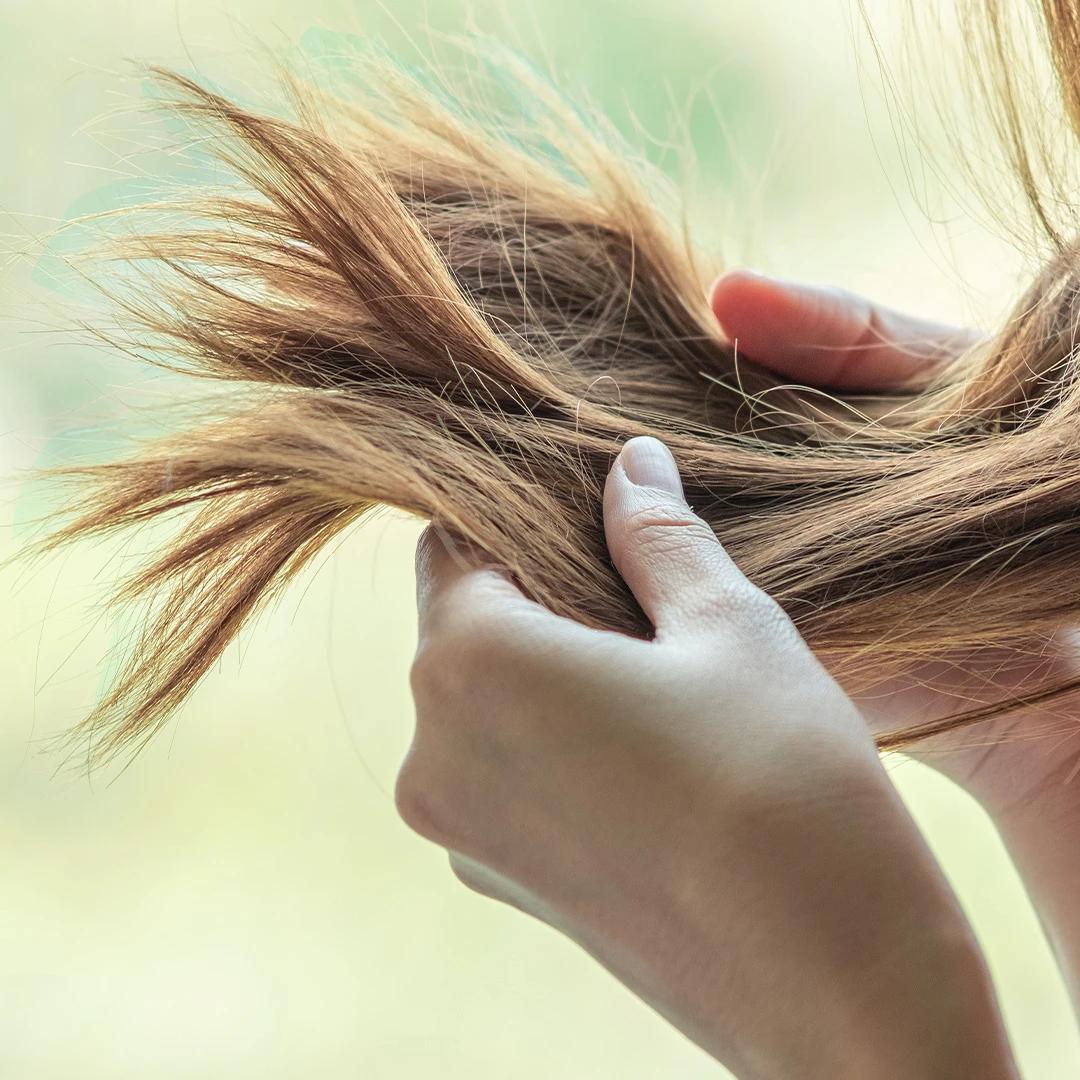
This acidity causes your hair cuticles to lift and become rough, which is why your hair feels tangled and looks dull after getting caught in the rain. The lifted cuticles also make your hair more porous, meaning it absorbs moisture from the humid air around it—hello, instant frizz! Plus, all those pollutants can build up on your scalp and hair shaft, leading to irritation, dullness, and even hair fall over time.
The humidity that comes with rainy weather is another culprit. When there's moisture in the air, your hair tries to balance itself by either absorbing or releasing water. If your hair is naturally dry, it'll soak up that humidity like a sponge, causing it to swell and create that dreaded frizzy texture. On the flip side, if your hair is already well-moisturised, the extra humidity can make it feel heavy and limp.
The best defence against hair damage from rain is being proactive about protection. Think of it like skincare—prevention is always easier than trying to fix damage after it's happened. Your rain hair protection game should start before you even step outside.
Start with a good anti-humidity spray or serum applied to damp hair before styling. These products create a barrier that helps repel moisture and keep your style intact. Look for ingredients like silicones or polymers that form a protective film around each strand.
Sometimes the old-school methods are the most effective. A good umbrella is your first line of defence, but pairing it with a silk or satin scarf can give you extra protection without causing friction damage. Waterproof hats are brilliant too, especially those with wide brims that cover more of your hair.
Got caught without an umbrella? Duck into the nearest shop or covered area and quickly twist your hair into a low bun or braid. This minimises the surface area exposed to rain and humidity. Keep a small bottle of leave-in conditioner or anti-frizz serum in your bag for quick touch-ups.
Having a solid rainy day haircare routine can make all the difference between good hair days and disasters. The key is adapting your usual routine to work with the weather, not against it.
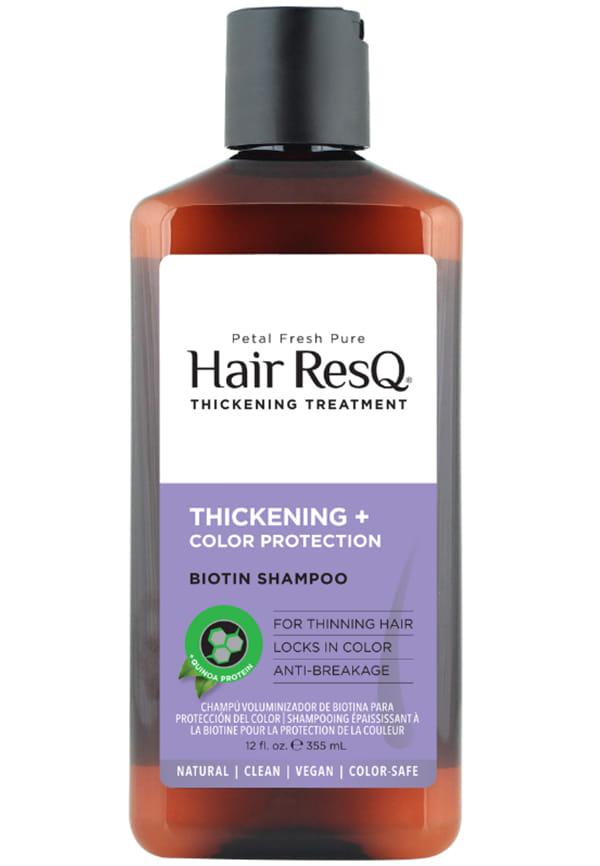
Hair ResQ Thickening Shampoo Color Protection
Start with a clarifying shampoo once or twice a week during monsoon season to remove any pollutant buildup. Follow with a moisturising conditioner, focusing on the mid-lengths and ends. While your hair is still damp, apply a heat protectant and a humidity-blocking serum.
For styling, avoid anything too complicated or structured. Loose braids, low buns, or natural waves work better in humid conditions than pin-straight styles or tight curls that will fall flat anyway. If you must use heat tools, keep the temperature moderate and always use a heat protectant.
If your hair does get wet, resist the urge to rub it vigorously with a towel. Instead, gently squeeze out excess water and pat dry. If you're at home, let it air dry partially before using a blow dryer on a cool setting. This helps prevent further cuticle damage and reduces frizz.
Use a wide-tooth comb to detangle wet hair, starting from the ends and working your way up. Apply a leave-in conditioner or hair oil to damp strands to help seal the cuticles and add moisture back into your hair.
Not all hair products are created equal when it comes to weather protection. During rainy season, you want products that can create a barrier against humidity while still keeping your hair healthy and manageable.
Anti-humidity sprays are your best friend during monsoon. These work by forming a lightweight film over your hair that repels moisture. Look for products with ingredients like amodimethicone or cyclopentasiloxane. Water-resistant serums and leave-in conditioners are also brilliant for creating that protective barrier while adding shine and manageability.
Clarifying shampoos become essential during rainy season to remove pollutant buildup. Use them once or twice a week, followed by a deep conditioning treatment to restore moisture. Dry shampoo is also handy for extending time between washes when your scalp gets oily from humidity.
If you prefer natural solutions, coconut oil or argan oil can create a moisture barrier when applied sparingly to damp hair. A DIY anti-frizz spray made with distilled water, a few drops of essential oil, and a tiny bit of leave-in conditioner can work wonders too.
For a natural clarifying treatment, try an apple cider vinegar rinse once a week. Mix one part ACV with three parts water and pour through your hair after shampooing. This helps remove buildup and restore your hair's natural pH balance.
Frizzy hair in rain is probably one of the most common hair struggles, especially for those with naturally textured or chemically treated hair. The good news is that with the right approach, you can minimise frizz and keep your hair looking smooth even in humid conditions.
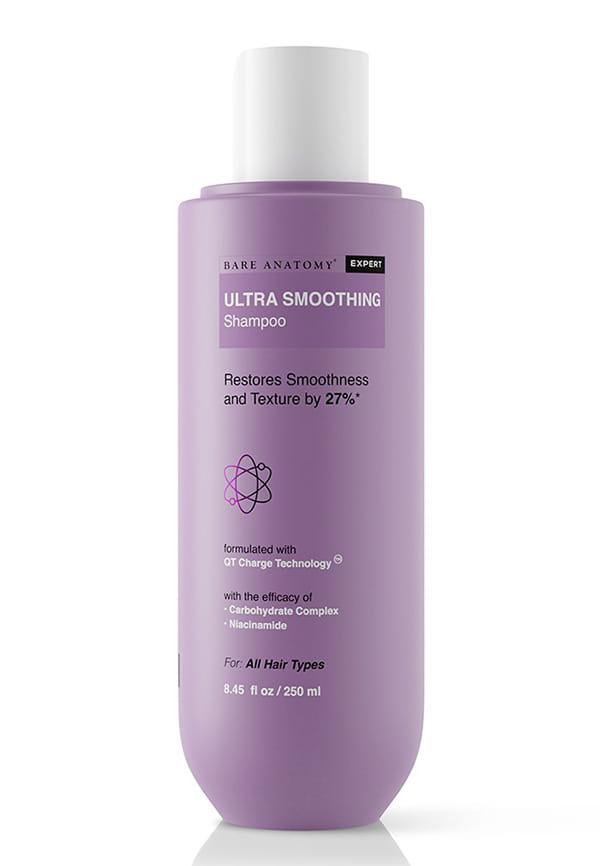
Expert Ultra Smoothing Shampoo To Restore Smoothness, Repair Damaged Hair And Locks In Moisture
The secret to preventing frizzy hair in rain starts with how you dry your hair. Never rub wet hair with a towel—this roughens the cuticles and creates instant frizz. Instead, use a microfibre towel or cotton t-shirt to gently squeeze out excess water.
When blow-drying, use a round brush and direct the airflow down the hair shaft from roots to ends. This helps smooth the cuticles and creates a sleeker finish. Finish with a blast of cool air to seal the cuticles and lock in your style.
Keep a small bottle of diluted leave-in conditioner in your bag for emergency touch-ups. Mix a tiny amount with water in a spray bottle and mist over frizzy areas, then smooth with your hands. A small amount of hair oil on your palms can also help tame flyaways without making your hair greasy.
Protecting your hair during rainy season isn't just about daily damage control—it's about maintaining overall hair health throughout the humid months. This means paying attention to your scalp health and strengthening your hair from within.
The combination of humidity and pollution can create the perfect environment for scalp issues like dandruff or fungal infections. Keep your scalp clean and dry by washing your hair regularly, but not so often that you strip away natural oils. If you notice any itching, flaking, or unusual odour, consider using an antifungal shampoo or seeing a dermatologist.
Make sure to thoroughly dry your scalp after washing, especially if you have thick or long hair. Trapped moisture can lead to bacterial growth and unpleasant smells.
Strong, healthy hair is naturally more resistant to environmental damage. Include protein treatments in your routine once a month to strengthen the hair shaft, and follow up with deep conditioning treatments to maintain moisture balance.
Your diet also plays a role in hair health. Foods rich in omega-3 fatty acids, biotin, and vitamins A, C, and E can help strengthen your hair from the inside out. Stay hydrated too—dehydrated hair is more prone to damage and frizz.
The best way to protect hair from rainwater is to use a combination of physical barriers and protective products. Apply an anti-humidity serum or spray before going out, carry an umbrella, and consider wearing a waterproof hat or scarf. If you get caught in the rain, try to minimise exposure by covering your hair with your hands or ducking under shelter. Keep your hair in protective styles like braids or buns when rain is expected.
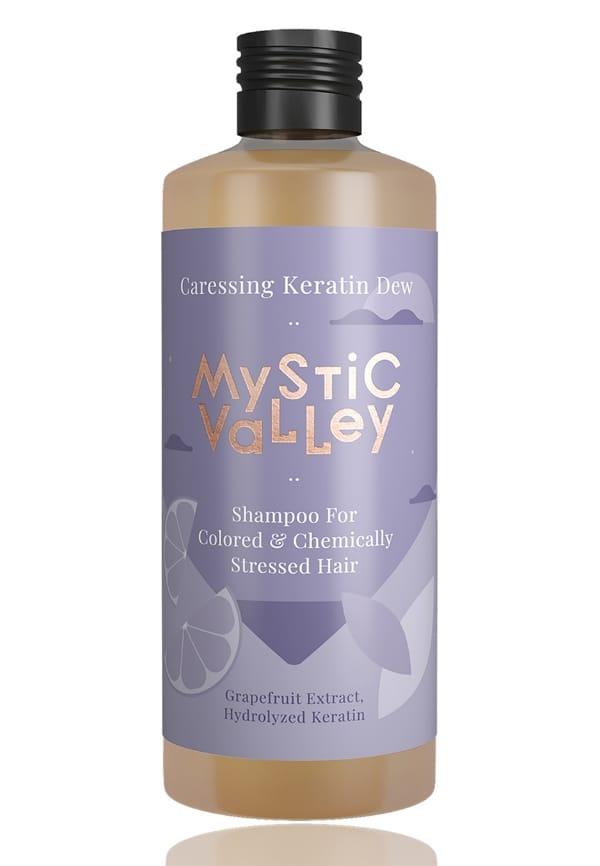
Keratin Protein Enriched Color Protect Shampoo
While you can't make hair completely rainproof, you can significantly increase its resistance to moisture and humidity. Use products with silicones or polymers that create a protective barrier, avoid over-washing which strips natural oils, and maintain healthy hair through regular conditioning treatments. Protective styling and using the right products for your hair type also help create natural resistance to environmental damage.
Rainy season haircare involves adjusting your routine to combat increased humidity and pollution. Use clarifying shampoos weekly to remove buildup, apply anti-humidity products before styling, and focus on keeping your scalp clean and dry. Deep condition regularly to maintain moisture balance, and avoid heat styling when possible. Choose hairstyles that work with humidity rather than fighting against it.
Urban rainwater can be damaging to hair because it's often acidic and contains pollutants, dust, and chemicals picked up from the atmosphere. This acidic water can lift hair cuticles, making hair rough, tangled, and prone to breakage. However, occasional exposure isn't catastrophic—it's the repeated exposure without proper protection and care that causes cumulative damage. Clean rainwater in rural areas is generally less harmful than urban precipitation.
If your hair gets wet in the rain, gently squeeze out excess water without rubbing or pulling. Pat dry with a soft towel or t-shirt, then apply a leave-in conditioner or hair oil to damp strands. Avoid brushing wet hair aggressively—use a wide-tooth comb starting from the ends. Let hair air dry when possible, or use a blow dryer on cool setting. Consider washing your hair later that day if you were caught in heavy, polluted rain.
Humidity itself doesn't cause permanent damage, but the constant swelling and contracting of hair fibres in humid conditions can weaken the hair structure over time. Combined with pollution and improper care, this can lead to increased breakage, dullness, and texture changes. However, with proper protection and care, most humidity-related hair issues are manageable and reversible.
Look for products containing silicones like dimethicone or amodimethicone, which create a protective barrier against moisture. Polymers and film-forming agents are also effective. Natural options include oils like argan or coconut oil, which can help seal the hair cuticle. Avoid products with humectants like glycerin in very humid conditions, as these can actually attract more moisture to your hair.
During rainy season, you might need to wash your hair more frequently due to increased pollution and humidity, but avoid daily washing which can strip natural oils. Most people benefit from washing every 2-3 days during monsoon, using a clarifying shampoo once a week and a moisturising shampoo for regular washes. Adjust based on your hair type—oily hair might need more frequent washing, while dry hair can go longer between washes.
Protecting your hair from rainwater doesn't have to be a constant battle. With the right combination of products, techniques, and habits, you can keep your hair healthy and looking good even during the most humid, rainy days. Remember, it's all about working with your hair's natural tendencies rather than fighting against them.
The key is consistency—make protective measures part of your daily routine during rainy season, and your hair will thank you for it. Whether it's applying that anti-humidity serum before you leave the house or keeping a travel-size leave-in conditioner in your bag, small steps make a big difference.
Not sure which protective products work best for your specific hair type? Smytten offers trial-size versions of many haircare products from trusted brands—a good way to test different formulations before committing to full bottles. After all, finding your perfect rainy day haircare routine might take some experimenting, but once you've got it sorted, you'll never have to worry about unexpected downpours ruining your hair day again.
