Protect Color Treated Hair FAQ: Your Questions Answered

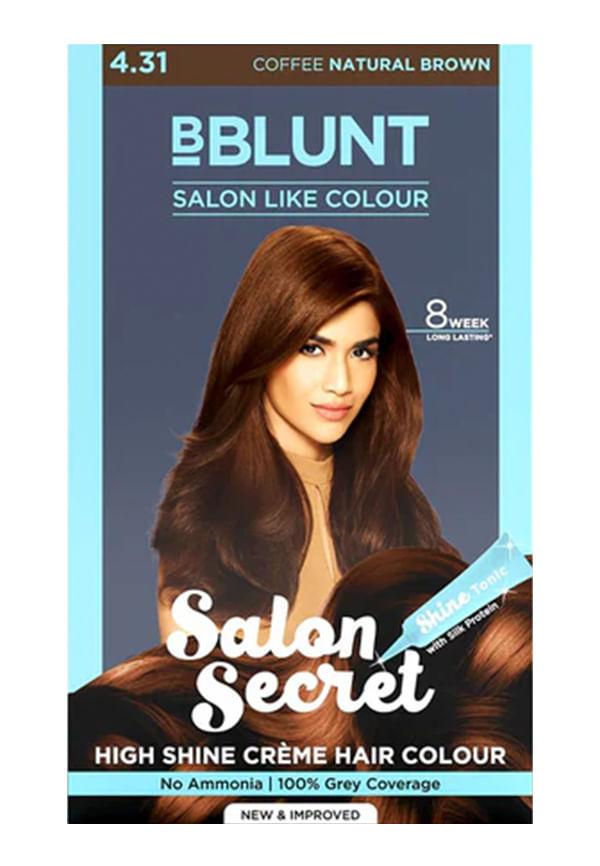
Salon Secret High Shine Conditioning Hair Colour
You've just walked out of the salon with the most gorgeous hair colour you've ever had. Three weeks later? It's looking more like a faded memory than the vibrant shade you fell in love with. Sound familiar? You're definitely not alone in this struggle. Protecting colour treated hair isn't just about using any old shampoo and hoping for the best—it's about understanding what your newly coloured strands actually need to stay brilliant for months, not weeks.
Let's be real—your regular haircare routine just won't cut it anymore. Once you've invested in that perfect shade, your hair needs a completely different level of care. Think of it like switching from basic skincare to a targeted routine when you start getting breakouts. Your coloured hair has specific needs, and the right products can make or break how long that gorgeous colour lasts.
The biggest game-changer? Switching to a sulfate free shampoo for color treated hair. Sulfates are those harsh cleansing agents that create all that lovely lather, but they're also brilliant at stripping away everything—including your expensive hair colour. Look for gentle cleansers like sodium cocoyl isethionate or decyl glucoside instead. These clean your hair without being aggressive about it. pH-balanced formulas are your best friend here too, keeping your hair cuticles sealed and your colour locked in where it belongs.
A color safe conditioner isn't just nice to have—it's absolutely essential. These formulas are specifically designed to seal your hair cuticles and prevent colour molecules from washing away. Look for ingredients like ceramides, amino acids, and natural oils that nourish without weighing your hair down. Hair gloss for color treated hair is worth considering too, especially if you want that fresh-from-the-salon shine between appointments.
UV rays are just as damaging to your hair colour as they are to your skin. A good UV protection spray creates an invisible barrier that prevents your colour from fading in the sun. Leave-in treatments with heat protection are brilliant for daily styling, whilst colour-safe styling products ensure you're not accidentally stripping your shade every time you style your hair.
Here's where most people get it wrong—they think protecting coloured hair means completely changing everything overnight. Actually, it's more about making smart swaps and being a bit more mindful about your routine. The goal is to maintain your colour whilst keeping your hair healthy and manageable. Small changes can make a massive difference in how long your colour stays vibrant.
This might be hard to hear, but washing your hair every day is basically fast-tracking your colour to Fadeville. Try stretching washes to every other day, or even every third day if your hair type allows it. When you do wash, use lukewarm water instead of hot—heat opens up your hair cuticles and lets colour escape. Finish with a cool rinse to seal everything back up. Dry shampoo becomes your new best mate for extending time between washes.
Coloured hair tends to be drier than natural hair, so moisture becomes absolutely crucial. A weekly deep conditioning treatment helps maintain that moisture balance whilst protecting your colour. The key is finding the right balance between protein and moisture—too much protein can make your hair brittle, whilst too little leaves it weak and prone to breakage.
Heat styling isn't completely off-limits, but it does need to be done thoughtfully. Always use a heat protectant, keep temperatures moderate, and try to limit heat styling to a few times per week. Air-drying becomes your friend—try plopping for curly hair or using microfibre towels to reduce friction and frizz.
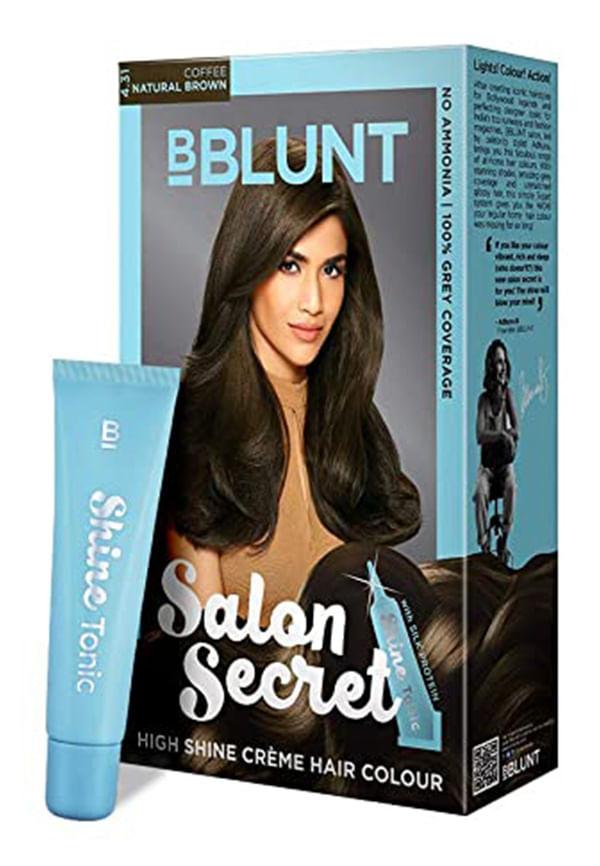
Salon Secret High Shine Crème Hair Colour
The weeks between salon appointments are when your colour maintenance game really matters. This is when you'll see the biggest difference between hair that stays vibrant and hair that fades fast. It's all about being proactive rather than reactive—preventing problems before they start rather than trying to fix them later.
Sun exposure is one of the biggest culprits behind fading hair color. UV rays break down colour molecules, leaving you with dull, brassy tones. Wearing hats, using UV protection sprays, and seeking shade during peak sun hours all help. Swimming pools are another colour killer—chlorine is basically bleach in disguise. If you must swim, wet your hair with clean water first and use a leave-in conditioner to create a barrier.
Knowing when to book your next appointment is crucial for maintaining consistent colour. Most colours need refreshing every 6-8 weeks, but this varies depending on your hair type, colour choice, and how well you maintain it. Root touch-ups can often extend the time between full colour services, saving you both time and money.
Gloss treatments are brilliant for adding shine and vibrancy between full colour services. They're less damaging than permanent colour and can help refresh your shade without the commitment. Toning shampoos help neutralise unwanted tones—purple shampoo for blonde hair, blue for brunettes with orange undertones.
Not all coloured hair is created equal. Your hair's natural texture, thickness, and porosity all affect how colour takes and how it fades. Understanding your specific hair type helps you choose the right products and techniques for your individual needs. What works brilliantly for your friend's fine, straight hair might be completely wrong for your thick, curly strands.
Textured and curly hair has unique needs when it comes to colour protection. These hair types are naturally drier, so moisture becomes even more critical. Look for rich, creamy conditioners and leave-in treatments. Protective styling helps minimise manipulation and colour loss. Co-washing (conditioner-only washing) can be brilliant for maintaining moisture whilst gently cleansing.
Fine hair needs lightweight formulas that won't weigh it down, whilst thick hair can handle richer, more intensive treatments. Fine hair also tends to show colour changes more quickly, so touch-ups might be needed more frequently. Thick hair holds colour longer but might need more intensive treatments to penetrate properly.
Colour treatments can sometimes irritate sensitive scalps. If you experience itching or flaking after colouring, look for gentle, sulfate-free formulas and avoid over-washing. Scalp treatments with soothing ingredients like aloe vera or chamomile can help calm irritation.
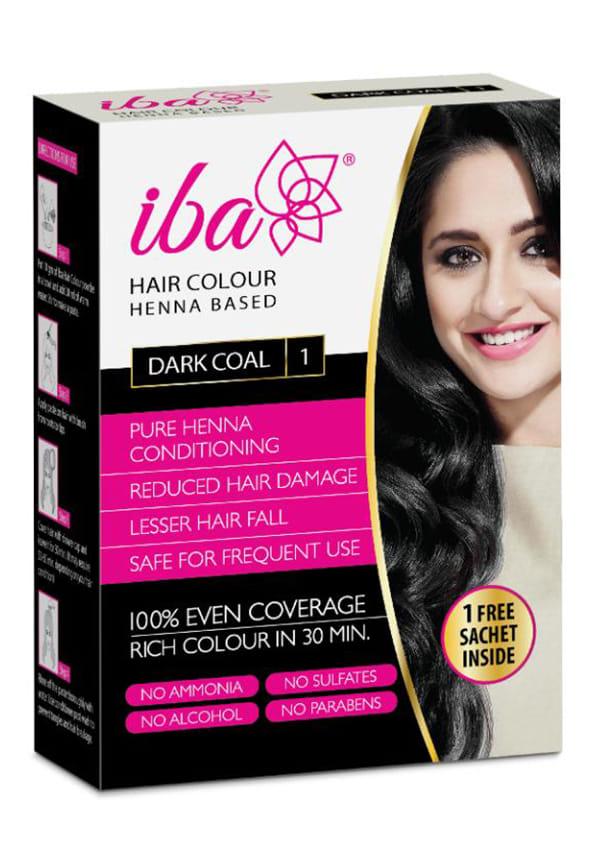
Halal Care Hair Colour
Even with the best intentions and products, colour treated hair can still present challenges. The good news is that most common problems have straightforward solutions. Knowing what to look for and how to address issues early can save your colour and your hair's health.
If your colour is fading faster than expected, it's usually down to one of a few culprits: using the wrong products, washing too frequently, heat damage, or environmental factors. Sometimes it's simply that your hair is more porous than expected and doesn't hold colour as well. A colour-depositing conditioner can help maintain vibrancy between salon visits.
Coloured hair is more vulnerable to dryness and damage because the colouring process opens up the hair cuticle. Regular deep conditioning treatments, protein masks when needed, and gentle handling all help maintain hair health. If your hair feels straw-like or breaks easily, it might be time for a professional treatment.
Brassiness happens when underlying pigments in your hair start showing through as your colour fades. Purple shampoo neutralises yellow tones in blonde hair, whilst blue-based products help with orange tones in brunette hair. Use these products sparingly—once or twice a week is usually enough.
Professional colourists have seen it all when it comes to colour maintenance. Their insider knowledge can help you avoid common mistakes and get the most from your colour investment. These tips come from years of experience helping clients maintain gorgeous colour between appointments.
Most professionals recommend waiting at least 48 hours before washing newly coloured hair. This gives the colour time to fully set. They also suggest investing in salon-quality products—whilst they cost more upfront, they're usually more concentrated and effective than drugstore alternatives. Your colourist can recommend specific products based on your hair type and colour.
Summer requires extra UV protection and moisture, whilst winter calls for more intensive conditioning to combat dry indoor heating. Holiday seasons often mean more styling and social events, so plan touch-ups accordingly. Spring is often the perfect time for a colour refresh after winter's harsh conditions.
You don't need to spend a fortune to protect your colour. Focus your budget on the essentials—a good sulfate-free shampoo and colour-safe conditioner. DIY treatments like coconut oil masks or apple cider vinegar rinses can supplement your routine without breaking the bank. Mix high-end essentials with budget-friendly basics.
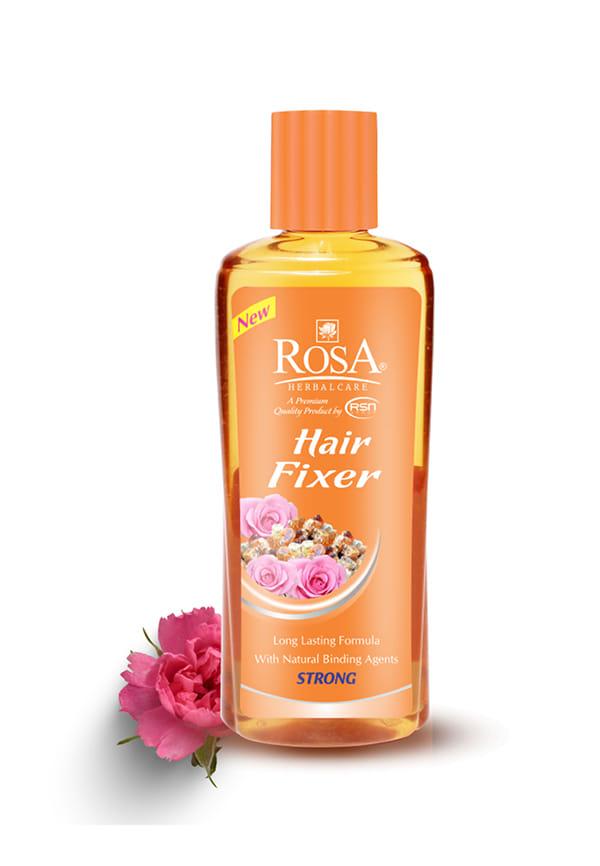
Hair Fixer strong with long lasting I For All skin I Natural & Herbal ingredients I For soft and smooth skin
The best shampoo for colored hair is one that's sulfate-free and pH-balanced. Look for formulas specifically designed for colour protection, with gentle cleansing agents and nourishing ingredients. Brands like Pureology, Redken, and Matrix offer excellent options, though there are also great drugstore alternatives from L'Oréal and Garnier.
Wait at least 48-72 hours before washing your hair after colouring. This gives the colour molecules time to fully penetrate and set in your hair shaft. Washing too soon can cause significant colour loss and reduce the longevity of your new shade.
Whilst you can use regular conditioner, it's not ideal for maintaining your colour. Regular conditioners don't have the specific ingredients needed to seal colour molecules and prevent fading. Color safe conditioner formulas are designed to maintain vibrancy whilst providing moisture.
Deep condition your coloured hair once a week, or twice a week if your hair is particularly dry or damaged. Over-conditioning can weigh your hair down, so pay attention to how your hair responds and adjust accordingly.
Fast fading usually happens due to washing too frequently, using harsh products, heat styling without protection, or sun exposure. Your hair's porosity also plays a role—highly porous hair doesn't hold colour as well as hair with a tighter cuticle.
Avoid swimming for at least a week after colouring, especially in chlorinated pools. If you must swim, wet your hair with clean water first, apply a leave-in conditioner, and wear a swimming cap. Rinse immediately after swimming and use a clarifying treatment if needed.
Use a toning shampoo or treatment designed for your hair colour. Purple shampoo neutralises yellow tones in blonde hair, whilst blue-based products help with orange tones in brunette hair. For severe brassiness, you might need a professional toning treatment.
Heat styling can be done safely with proper precautions. Always use a heat protectant, keep temperatures below 180°C, and limit heat styling to a few times per week. Air-drying when possible helps preserve both your colour and hair health.
Protecting colour treated hair isn't rocket science, but it does require some thoughtful changes to your routine. The investment you make in the right products and techniques pays off in longer-lasting, more vibrant colour. Remember that every hair type is different, so what works for someone else might need tweaking for your specific needs.
The most important changes are switching to sulfate-free products, reducing wash frequency, using cool water, and protecting your hair from heat and UV damage. These simple swaps can dramatically extend the life of your colour whilst keeping your hair healthy and manageable.
If you're looking to experiment with colour-safe products before committing to full-size versions, Smytten offers trial-size options from trusted haircare brands. It's a brilliant way to find your perfect colour protection routine without the guesswork—because finding the right products for your newly coloured hair shouldn't be another expensive experiment.
