Oily Scalp Solutions FAQ: Everything About Hair Grease & Sebum Control

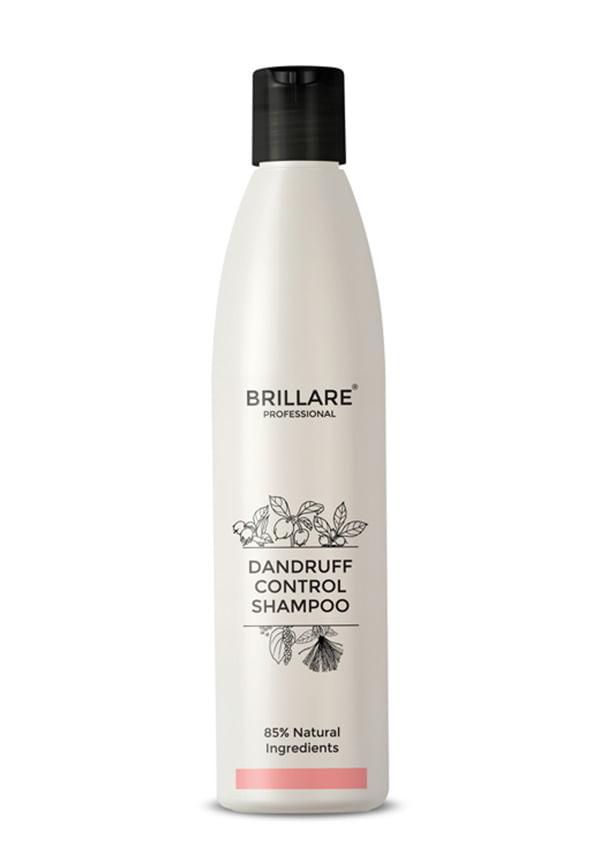
Dandruff Control Shampoo For Itchy, Flaky Scalp
You know that moment when you wash your hair in the morning, and by lunchtime it already looks like you haven't shampooed in days? That greasy, flat-to-your-head situation that makes you want to throw on a hat and call it a day. If this sounds like your daily reality, you're definitely not alone. Millions of people deal with oily scalp issues, and whilst some sebum production is totally normal (your scalp needs those natural oils!), when things go into overdrive, it can feel pretty frustrating. The good news? There are loads of proven oily scalp solutions that can help you get back to feeling confident about your hair game.
Let's be real about what causes that excess oil situation. Your scalp has these tiny sebaceous glands that produce sebum—basically your hair's natural conditioner. When these glands get a bit too enthusiastic about their job, you end up with more oil than your hair can handle. Think of it like having an overzealous friend who keeps refilling your drink when you've barely taken a sip.
Several factors can trigger this overproduction. Hormones are often the main culprit, especially during puberty, pregnancy, or even just your monthly cycle. Your genetics also play a massive role—if your parents dealt with oily hair, there's a good chance you inherited those active sebaceous glands. Environmental factors like humidity, stress levels, and even your diet can influence how much oil your scalp produces.
Sometimes what feels like an oily scalp might actually be product buildup or other scalp concerns. True oily scalp symptoms include hair that looks greasy within 24 hours of washing, roots that feel slick to the touch, and that telltale shine on your scalp. You might also notice your hair falling flat quickly after styling, or experience an itchy scalp from all that excess sebum mixing with dead skin cells.
When sebum production goes into overdrive, it doesn't just affect how your hair looks—it can impact hair follicle health too. Excess oil can clog pores around your hair follicles, potentially leading to scalp irritation, inflammation, or even affecting healthy hair growth. This is why proper sebum control isn't just about appearance; it's about maintaining overall scalp wellness.
Right, let's get into the solutions that can genuinely transform your oily hair situation. The key is understanding that managing sebum production requires a multi-pronged approach—you can't just rely on one magic product to fix everything.
Salicylic acid is brilliant for oily scalp care because it's oil-soluble, meaning it can penetrate through all that sebum to actually clean out your pores. Look for scalp treatments or shampoos with 0.5% to 2% salicylic acid concentration. Apply these treatments directly to your scalp, not your hair lengths, and let them sit for a few minutes before rinsing. This ingredient helps break down trapped sebum and dead skin cells that can make your scalp feel congested.
Here's something that might surprise you: sulfate-free formulas often work better for long-term sebum control than harsh clarifying shampoos. Whilst sulfates can strip away oil temporarily, they can actually trigger your scalp to produce even more sebum to compensate. Look for gentle clarifying shampoos that contain ingredients like tea tree oil, zinc pyrithione, or ketoconazole. These help control oil production without completely stripping your scalp's natural barrier.
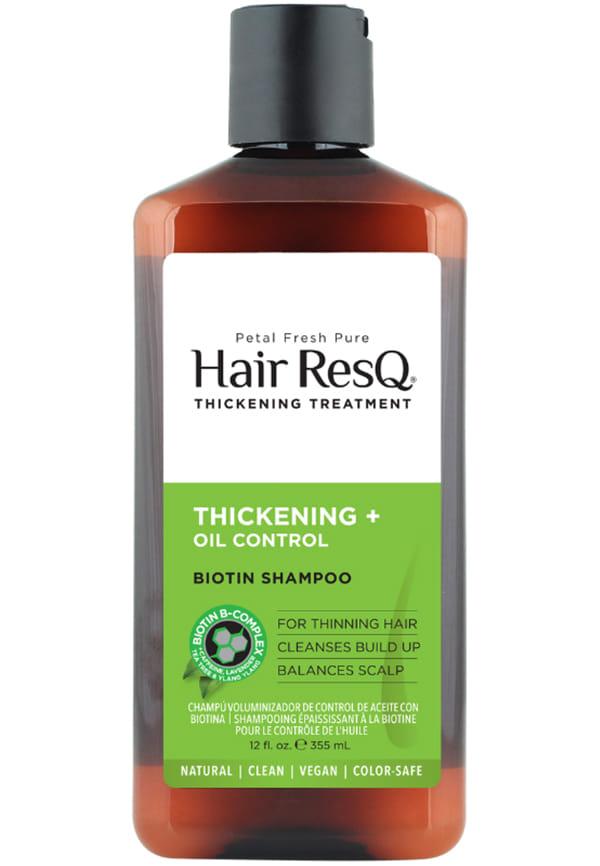
Hair ResQ Thickening Shampoo Oil Control
Lightweight scalp serums containing niacinamide can help regulate sebum production over time. Niacinamide works by reducing the size of your pores and controlling how much oil your sebaceous glands produce. Apply these serums to clean, damp scalp and massage gently. The key is consistency—you won't see overnight results, but after a few weeks of regular use, many people notice significantly less oil production.
Think of a weekly scalp detox as hitting the reset button on your oil production. This isn't about daily maintenance—it's about giving your scalp a deeper clean to remove buildup and create the ideal environment for healthy sebum levels.
Gentle scalp scrubs can help remove dead skin cells and excess sebum that regular shampooing might miss. You can use a commercial scalp scrub or make your own with brown sugar and a carrier oil like jojoba. Massage gently in circular motions, focusing on areas where you notice the most oil buildup. Don't go overboard—once a week is plenty, as over-exfoliation can actually stimulate more oil production.
Your scalp's pH level directly affects sebum production. Apple cider vinegar rinses can help restore the optimal pH balance (around 4.5-5.5) that keeps oil production in check. Mix one part ACV with three parts water, apply to your scalp after shampooing, let it sit for 2-3 minutes, then rinse thoroughly. The acetic acid in ACV also has antimicrobial properties that can help with any scalp irritation.
Whilst we're all for science-backed solutions, some natural remedies have genuine merit for oily scalp treatment. The trick is knowing which ones actually work and how to use them safely.
Tea tree oil has proven antimicrobial and anti-inflammatory properties that can help with oily scalp issues, especially if you're dealing with an itchy scalp alongside the grease. Always dilute tea tree oil—mix 2-3 drops with a tablespoon of carrier oil like coconut or jojoba. Massage into your scalp 30 minutes before shampooing. Do a patch test first, as some people can be sensitive to tea tree oil.
Bentonite clay masks can absorb excess oil and impurities from your scalp without being overly harsh. Mix bentonite clay with water or aloe vera gel to form a paste, apply to your scalp (avoiding hair lengths), and leave for 10-15 minutes before rinsing. Follow with a gentle shampoo and conditioner on your hair ends only.
Sometimes the things we think are helping our oily scalp are actually making the problem worse. Let's talk about some common mistakes that might be sabotaging your sebum control efforts.

Aromablush Intense Repair Hair Oil
One of the biggest mistakes is applying conditioner to your scalp. Conditioners are designed for your hair lengths and ends—putting them on your scalp can clog pores and make oil buildup worse. Similarly, avoid heavy styling products near your roots. Hair oils, leave-in treatments, and thick styling creams should stay on the mid-lengths and ends of your hair.
It seems logical that washing more frequently would help with oily hair, but overwashing can actually trigger your scalp to produce more sebum. When you strip away all the natural oils, your sebaceous glands go into panic mode and start producing even more oil to compensate. Most people with oily scalp do best washing every other day, though you might need to experiment to find your sweet spot.
Sometimes oily scalp issues are a sign of underlying conditions that need professional attention. If you're dealing with persistent scalp problems alongside your oil issues, it might be time to consult a dermatologist.
Seborrheic dermatitis can cause both oily scalp and flaky, irritated skin. This condition requires specific dandruff treatment that goes beyond regular oily scalp solutions. Similarly, if you're noticing hair thinning alongside increased oil production, there could be hormonal factors at play that need medical evaluation.
Your diet, stress levels, and sleep patterns all influence sebum production. High-glycemic foods and dairy can potentially increase oil production in some people. Chronic stress elevates cortisol levels, which can affect your hormones and subsequently your scalp's oil production. Getting adequate sleep helps regulate these hormonal fluctuations.
Oily scalp can't be permanently "cured" since it's largely determined by genetics and hormones. However, it can be effectively managed with consistent scalp care routines, proper product selection, and lifestyle modifications. Most people see significant improvement within 4-6 weeks of starting a targeted routine.
Most people with oily scalp benefit from washing every other day rather than daily. Washing too frequently can trigger rebound oil production, whilst waiting too long allows buildup to accumulate. Start with every other day and adjust based on how your scalp responds.
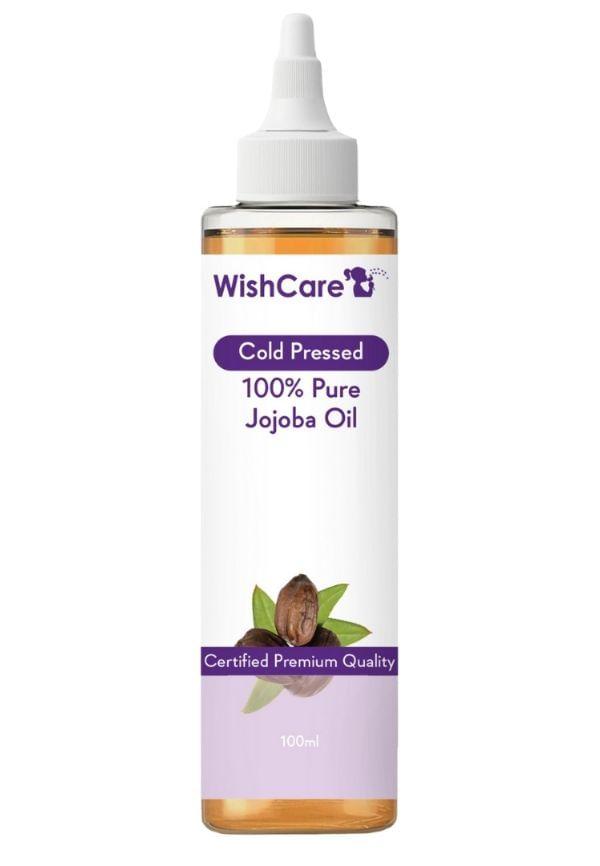
Pure Cold Pressed Natural Unrefined Jojoba Oil
Rapid oil buildup can result from overactive sebaceous glands, using the wrong products, or overwashing. Hormonal fluctuations, genetics, and even the water temperature you use can affect how quickly oil accumulates. Hot water stimulates sebum production, so try washing with lukewarm water instead.
Yes, stress can definitely increase scalp oil production. When you're stressed, your body produces more cortisol, which can stimulate sebaceous glands to produce excess sebum. Managing stress through exercise, meditation, or other relaxation techniques can help regulate oil production.
Some studies suggest that high-glycemic foods (like white bread, sugary snacks) and dairy products might increase sebum production in certain individuals. However, the connection isn't definitive for everyone. If you suspect diet is affecting your scalp, try eliminating potential triggers for a few weeks to see if you notice improvement.
Oily scalp primarily involves excess sebum production, whilst dandruff involves flaking skin that can occur with either oily or dry scalp conditions. You can have both simultaneously—seborrheic dermatitis combines oily scalp with yellowish, greasy flakes. If you're seeing flakes along with oil, you might need specific dandruff treatment products.
Dry shampoo can be helpful for extending time between washes, but it shouldn't replace regular cleansing. Use it sparingly and choose formulas that won't clog pores. Apply only to roots, massage in well, and brush out excess product. Overusing dry shampoo can actually contribute to buildup and make oily scalp worse.
Most people start noticing improvements within 2-4 weeks of consistent treatment, though significant changes often take 6-8 weeks. Your scalp needs time to adjust to new routines and for sebaceous glands to regulate their production. Be patient and consistent with your chosen routine.
Managing oily scalp doesn't have to be a constant battle. The key is understanding that sebum control requires a balanced approach—gentle but effective cleansing, targeted treatments, and patience as your scalp adjusts to new routines. Remember that some oil production is completely normal and healthy; you're just aiming to find that sweet spot where your hair looks fresh without being stripped.
Focus on salicylic acid treatments for deep pore cleansing, sulfate-free clarifying shampoos for regular maintenance, and weekly detox routines to reset your scalp. Avoid common mistakes like overwashing, applying conditioner to your scalp, or using heavy products near your roots. Most importantly, give any new routine at least 6-8 weeks to show results.
If you're curious about trying different scalp care products without committing to full sizes, Smytten offers trial versions of many haircare brands, letting you test what works for your specific scalp needs. With their curated selection and cashback system, you can explore various oily scalp solutions until you find your perfect match—because finding the right products for your hair shouldn't involve guesswork or expensive mistakes.
