Oily Scalp Hair Care FAQ: Your Questions Answered

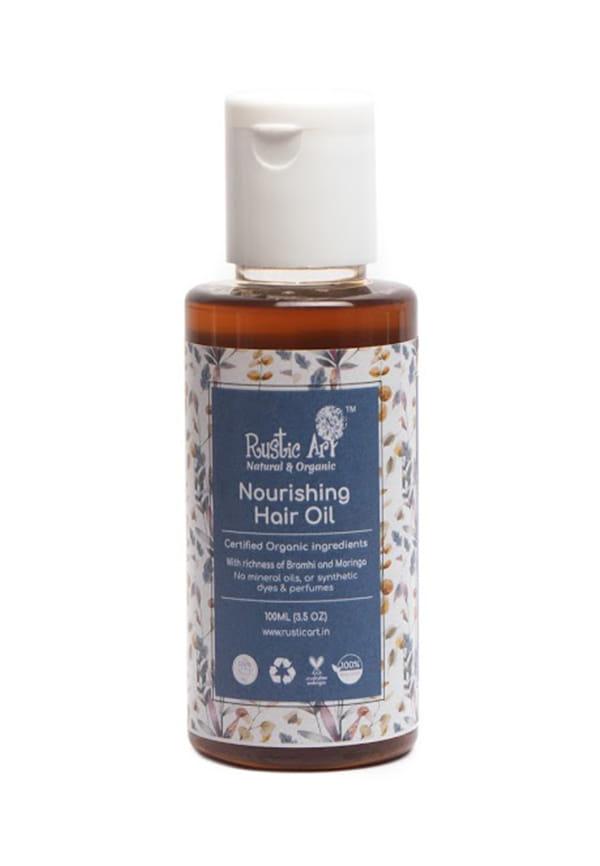
Organic Nourishing Hair Oil
You know that feeling when your hair looks freshly washed in the morning, but by lunchtime it's already looking greasy? If your scalp seems to produce oil faster than you can wash it away, you're definitely not alone. Oily scalp struggles are real, and they can make even the best hair days feel impossible. The good news? Understanding why your scalp produces excess oil—and knowing the right ways to manage it—can completely change your hair game. Let's dive into the most common questions about oily scalp hair care and get you the answers that actually work.
Real talk—your scalp produces oil for good reasons. Sebum (that's the technical name for scalp oil) actually protects your hair and keeps your scalp healthy. But sometimes, your sebaceous glands go into overdrive, and that's when things get tricky.
Genetics play a huge role here. If your parents dealt with oily hair, chances are you might too. Hormonal changes—think puberty, periods, pregnancy, or stress—can also send your oil production into hyperdrive. Even your environment matters. Humid weather, pollution, and excessive heat can all trigger your scalp to produce more oil as a protective response.
Here's something that might surprise you: over-washing can actually make oily scalp worse. When you strip away too much natural oil, your scalp panics and produces even more to compensate. It's like your scalp is saying, "Help! I need more oil!" The same thing happens with harsh products that contain drying alcohols or sulfates that are too aggressive for daily use.
Your diet and lifestyle choices matter too. Foods high in dairy or refined sugars can sometimes trigger increased oil production. Not getting enough sleep, dealing with chronic stress, or not drinking enough water can all throw your scalp's oil balance out of whack.
The key to scalp oil control isn't about eliminating oil completely—it's about finding the right balance. Start with washing frequency. Most people with oily scalps do well washing every other day or every two days. Daily washing might be necessary if you're very active or live in a humid climate, but avoid going overboard.
When you do wash, focus the shampoo on your scalp, not your hair lengths. Massage gently with your fingertips (never your nails) to stimulate circulation without irritating your scalp. Rinse with lukewarm or cool water—hot water can actually stimulate more oil production.
Between washes, try a gentle scalp massage with clean hands. This helps distribute natural oils and can actually help regulate production over time. Avoid touching your hair throughout the day, as the oils from your hands can transfer to your scalp and make things worse.
Finding the best shampoo for oily scalp is all about looking for the right ingredients. Salicylic acid is brilliant for gently exfoliating the scalp and removing buildup. Tea tree oil has natural antimicrobial properties that can help keep your scalp clean without being too harsh. Zinc pyrithione is another winner—it helps control oil production while being gentle enough for regular use.
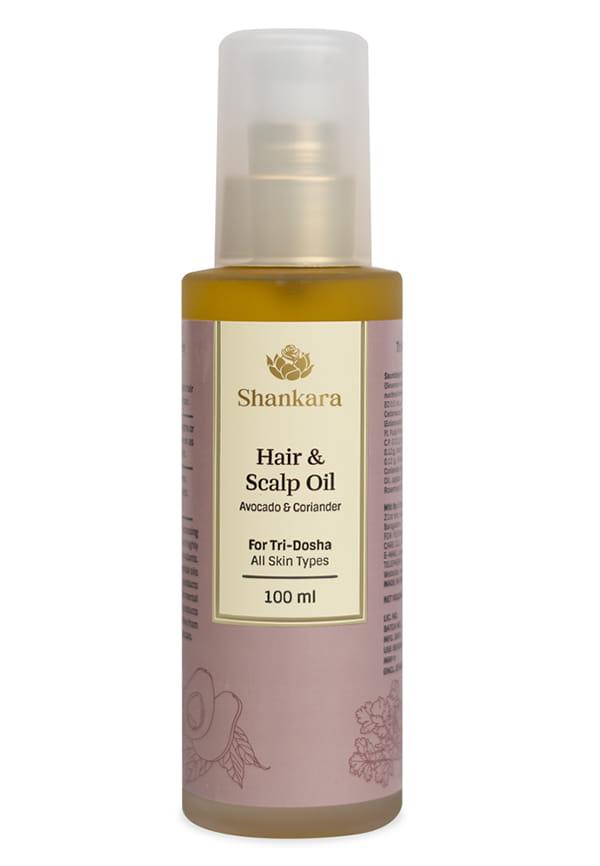
Hair & Scalp Oil
Clay-based shampoos can be worth a try too. Ingredients like bentonite or kaolin clay naturally absorb excess oil without stripping your scalp completely. Look for formulas that mention "balancing" or "clarifying" rather than "deep cleansing," which can sometimes be too aggressive.
Here's the thing about sulfates: they're not automatically bad, but the type matters. Harsh sulfates like sodium lauryl sulfate can be too drying, but gentler ones like sodium laureth sulfate or sodium cocoyl isethionate can effectively cleanse oily scalps without causing irritation.
Clarifying shampoo for oily hair can be helpful, but use it strategically. Once a week is usually enough—think of it as a reset button for your scalp. Using it too often can trigger that rebound oil production we talked about earlier.
If you're into DIY solutions, there are some natural remedies for oily scalp that actually work. Apple cider vinegar rinses are probably the most popular—mix one part ACV with three parts water and use it as a final rinse after shampooing. The acidity helps balance your scalp's pH and can reduce excess oil over time.
Clay masks aren't just for your face. Bentonite or kaolin clay mixed with water makes an excellent weekly scalp treatment. Apply it to damp hair, focusing on the roots, leave for 10-15 minutes, then rinse thoroughly. It's like a detox for your scalp.
Essential oils can be helpful too, but always dilute them properly. Tea tree oil, peppermint, and rosemary all have properties that can help balance oil production. Mix a few drops with a carrier oil like jojoba or add them to your regular shampoo.
Sometimes, home remedies and over-the-counter products aren't enough. If your oily scalp is accompanied by persistent itching, flaking, or hair thinning, it might be time to see a dermatologist. Conditions like seborrheic dermatitis or hormonal imbalances can cause excessive oil production and need professional treatment.
Professional scalp treatments at salons can also be incredibly helpful. These often include deep cleansing, exfoliation, and specialized masks that you can't easily replicate at home. Some salons offer scalp facials that focus specifically on balancing oil production and improving overall scalp health.
For severe cases, dermatologists might prescribe medicated shampoos containing ketoconazole or selenium sulfide. These are stronger than what you'll find in regular stores and can be really effective for stubborn oily scalp issues.
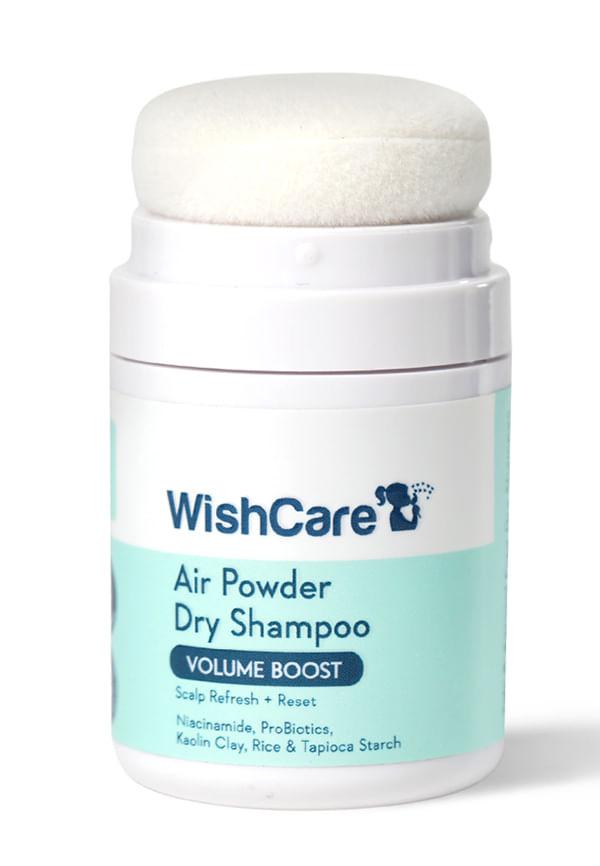
Air Powder Dry Shampoo for Oily Hair & Scalp
Building an effective hair care routine for oily scalp means thinking beyond just shampooing. Start with a gentle, balancing shampoo every other day or as needed. Follow with a lightweight conditioner applied only to your hair lengths—never the roots. Once a week, use a clarifying treatment or natural remedy to reset your scalp.
Your styling routine matters too. Avoid heavy oils, serums, or leave-in treatments near your roots. If you use dry shampoo, choose one that's specifically formulated for oily hair and doesn't contain heavy starches that can build up over time.
Pay attention to your pillowcase—wash it regularly or use a silk or satin one that's less likely to absorb and redistribute oils. And here's a pro tip: if you work out regularly, rinse your scalp with plain water after sweating, even if you're not doing a full wash.
The most effective approach combines proper washing frequency (usually every other day), using the right products with ingredients like salicylic acid or tea tree oil, and avoiding over-washing which can trigger rebound oil production. Focus on scalp-only shampooing, rinse with cool water, and consider weekly clarifying treatments. Lifestyle factors like diet, stress management, and not touching your hair throughout the day also play important roles in controlling excess oil.
Complete oil elimination isn't the goal—your scalp needs some natural oil to stay healthy. Instead, aim for balanced oil production through consistent care routines, appropriate product choices, and patience. Natural remedies like apple cider vinegar rinses, clay masks, and proper shampooing techniques can help regulate oil levels. Remember that it typically takes 4-6 weeks to see significant changes in oil production patterns.
The best approach includes using shampoos with balancing ingredients like zinc pyrithione, salicylic acid, or tea tree oil. Clay-based treatments work excellently for weekly deep cleaning, while lightweight, sulfate-gentle formulas are ideal for regular use. Avoid heavy conditioners on roots, maintain consistent washing schedules, and incorporate scalp massages to improve circulation and oil distribution.
Genetics and hormones are the primary drivers of oily scalp, but environmental factors, stress, diet, and hair care habits significantly influence oil production. Over-washing, using harsh products, hormonal changes during puberty or menstruation, high humidity, and even touching your hair frequently can all contribute to excess sebum production. Understanding your specific triggers helps create more effective management strategies.
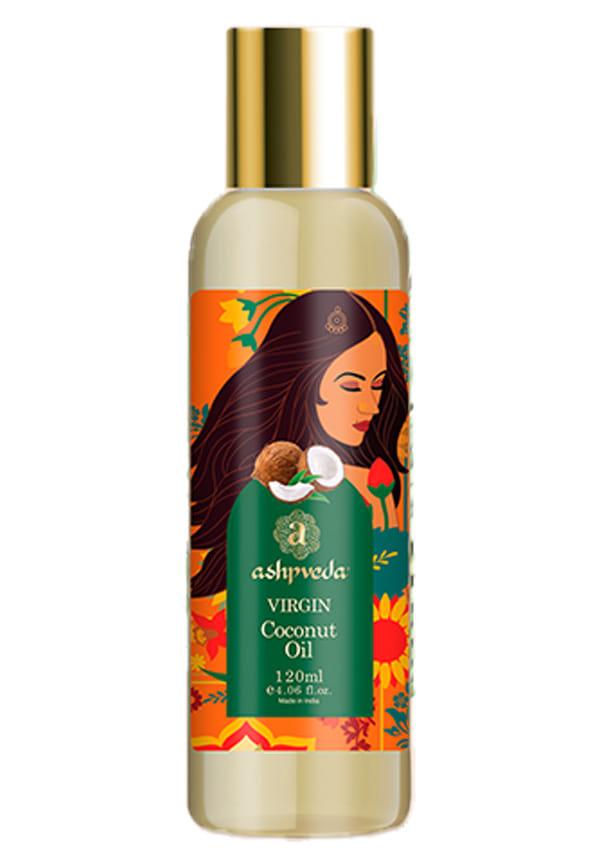
Organic Cold Pressed Virgin Coconut Oil for Hair and Skin | Ayurvedic Herb Enriched Fragrance Oil, Enhancing Scalp Health and Promotes Skin Firmness
Excessive oil can contribute to hair thinning by clogging hair follicles and creating an environment where bacteria thrive, potentially leading to inflammation and weakened hair roots. However, oily scalp alone rarely causes significant hair loss. If you're experiencing both oily scalp and noticeable thinning, it's worth consulting a dermatologist to rule out underlying conditions like androgenetic alopecia or seborrheic dermatitis.
Most people with oily scalps benefit from washing every other day or every two days. Daily washing might be necessary if you're very active, live in humid conditions, or have extremely oily production, but monitor how your scalp responds. Signs you're washing too often include increased oiliness, irritation, or your scalp feeling tight after washing. Signs you're not washing enough include buildup, itching, or oil that doesn't improve with your current routine.
Many natural remedies can be quite effective for managing oily scalp when used consistently and properly. Apple cider vinegar rinses help balance pH, clay masks absorb excess oil, and essential oils like tea tree provide antimicrobial benefits. However, natural doesn't always mean gentle—some remedies can be harsh if used incorrectly. Always patch test first and remember that natural treatments typically take longer to show results than commercial products.
Yes, but apply it strategically. Use a lightweight conditioner only on your hair lengths and ends, avoiding the scalp area completely. Look for formulas labeled "for oily hair" or "weightless" that won't add extra heaviness. Your hair lengths still need moisture and protection, even if your scalp produces excess oil. Skipping conditioner entirely can lead to dry, damaged ends while your roots remain oily.
Managing an oily scalp is definitely achievable with the right approach and a bit of patience. Remember that your scalp's oil production is influenced by everything from genetics to your daily habits, so finding what works for you might take some experimenting. The key is consistency—whether you're using targeted shampoos, trying natural remedies, or adjusting your washing routine.
Focus on balance rather than elimination. Your scalp needs some oil to stay healthy, so the goal is regulation, not complete removal. Pay attention to how your scalp responds to different products and routines, and don't be afraid to adjust your approach as needed. Seasonal changes, stress levels, and hormonal fluctuations can all affect your oil production, so flexibility in your routine is important.
If you're looking to explore different oily scalp hair care products without committing to full sizes, Smytten offers trial-size versions of many sebum control hair products and clarifying shampoos from trusted brands. It's a practical way to test what works for your specific scalp needs before investing in larger bottles—because finding your perfect oily scalp routine shouldn't involve guesswork or expensive mistakes.
