Nutrients for Brittle Hair FAQ: Your Questions Answered

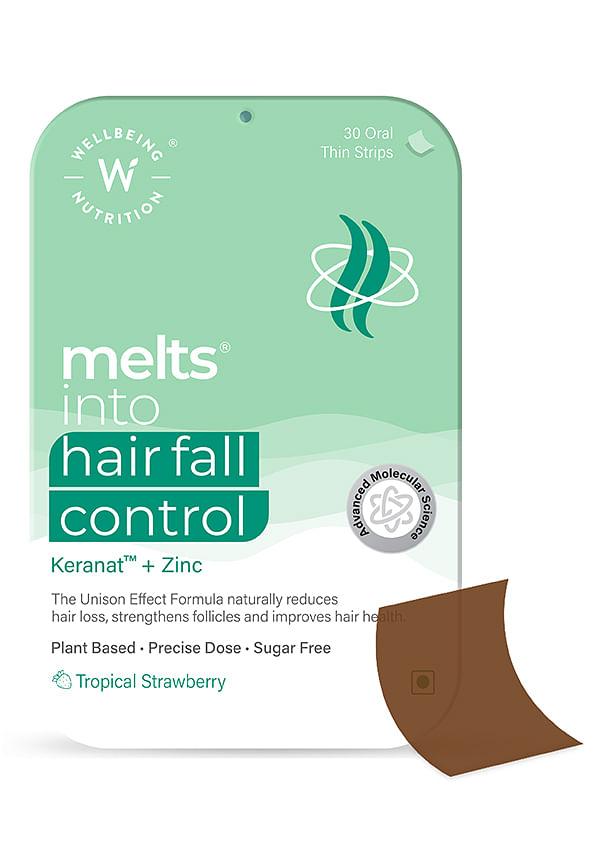 Pack of 30
Melts Hair Fall Control Keranat & Zinc, Hair Loss Support to Improve Hair Anchoring (30 Oral Strips)
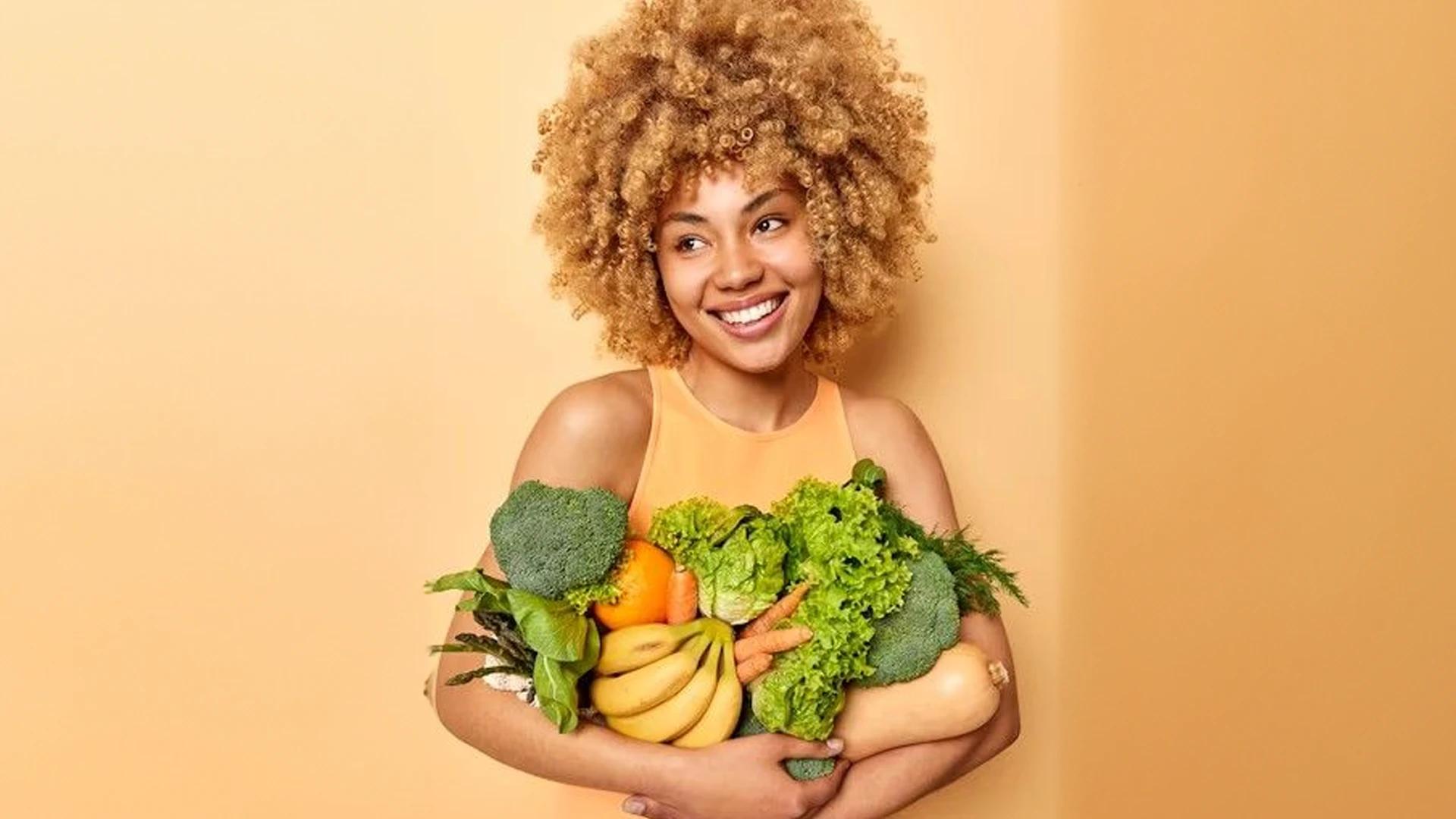
You know that moment when you run your fingers through your hair and it feels like straw? Or when you find broken strands all over your pillow, bathroom counter, and basically everywhere you go? Real talk — brittle hair is one of those things that can make you feel like you've tried everything, yet nothing seems to work. But here's what most people don't realise: the solution might be sitting right in your kitchen. Your hair is basically a reflection of what's happening inside your body, and when it's breaking and snapping, it's often your hair's way of telling you it needs better fuel. Let's dive into the nutrients that can actually turn things around for brittle, breakage-prone hair.
When your hair feels like it might snap if you look at it wrong, your body is probably running low on some key nutrients. Think of hair strengthening vitamins as the building blocks your hair follicles need to create strong, flexible strands instead of brittle ones that break at the first sign of stress.
Biotin (Vitamin B7) is probably the most famous hair vitamin, and for good reason. It helps your body process the proteins that make up your hair shaft. Without enough biotin, your hair can become weak and prone to breakage. You'll find biotin in eggs, nuts, and seeds — basically, nature's way of packaging everything your hair needs in convenient little parcels.
Vitamin D doesn't just help your bones; it's crucial for hair follicle health too. Low vitamin D levels can actually cause hair to become thin and brittle. The tricky bit? Most of us don't get enough sun exposure to make adequate vitamin D, especially if you're spending most of your day indoors.
Vitamin C is your hair's best friend for two reasons: it helps your body absorb iron (which we'll talk about in a sec), and it's essential for collagen production. Collagen gives your hair its strength and elasticity — think of it as the scaffolding that keeps your hair from snapping under pressure.
B-complex vitamins work as a team to keep your hair healthy. B12 helps with red blood cell formation (which carries oxygen to your hair follicles), while folate supports cell division — including the rapid cell division that happens in your hair follicles.
Let's be real — not all hair breakage comes from using the wrong shampoo or brushing too hard. Sometimes, your hair is breaking because your body is missing some crucial nutrients. Understanding these deficiencies can help you target the real problem instead of just treating the symptoms.
Iron deficiency is probably the biggest culprit behind brittle hair, especially for women. Iron helps carry oxygen to your hair follicles, and without enough oxygen, your hair becomes weak and prone to breakage. If you're constantly tired and your hair is breaking, it might be worth getting your iron levels checked.
Protein deficiency is another major player. Your hair is basically made of protein (specifically keratin), so if you're not eating enough protein, your body can't build strong hair strands. This is especially common if you've recently switched to a plant-based diet without properly planning your protein intake.
Zinc deficiency affects how well your hair follicles function. Zinc helps with tissue repair and keeps your hair follicles healthy. Without enough zinc, your hair can become brittle and may even start falling out more than usual.
Omega-3 fatty acids might not be vitamins, but they're crucial for hair health. These healthy fats help keep your hair flexible and shiny. When you're low on omega-3s, your hair can become dry, brittle, and more prone to breakage.
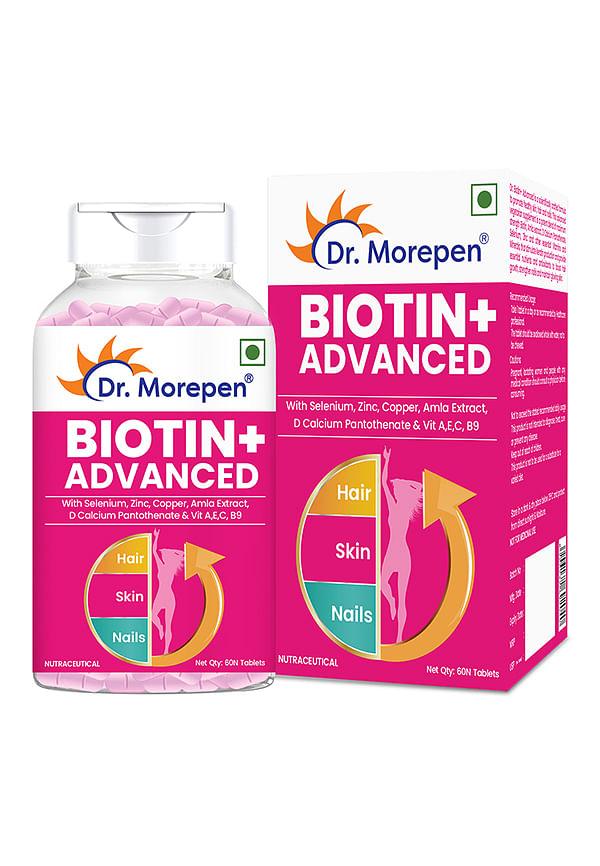 60 Tablet
Biotin+ Advanced Tablets for Hair Growth, Glowing Skin & Healthy Nails with Multivitamins & Natural Extracts - 60 Tablets
The good news? You don't need expensive supplements to get most of these nutrients. Some of the best foods for hair health are probably already in your local grocery store — you just need to know what to look for.
Eggs are basically nature's perfect hair food. They've got biotin, protein, and iron all wrapped up in one convenient package. Plus, they're versatile enough that you won't get bored eating them regularly.
Fatty fish like salmon, mackerel, and sardines are loaded with omega-3 fatty acids and protein. If you're not a fish person, walnuts and flaxseeds can give you some of those same beneficial fats.
Spinach and dark leafy greens are iron powerhouses, plus they've got vitamin A and folate. The vitamin A helps your scalp produce sebum (natural oils), while the folate supports healthy cell division in your hair follicles.
Sweet potatoes are packed with beta-carotene, which your body converts to vitamin A. They're also delicious and way more interesting than taking a supplement.
Creating a diet for strong hair isn't about completely overhauling everything you eat overnight. It's more about making sure you're consistently getting the nutrients your hair needs to grow strong and healthy. Think of it as feeding your hair from the inside out.
Your daily protein needs are probably higher than you think, especially if you're dealing with brittle hair. Aim for about 0.8 to 1 gram of protein per kilogram of body weight. That might sound like a lot, but it's easier than you'd expect when you spread it throughout the day.
For breakfast, try scrambled eggs with spinach, or Greek yogurt with berries and nuts. Lunch could be a quinoa salad with chickpeas and avocado. Dinner might be grilled salmon with sweet potato. See how you can hit multiple hair-healthy nutrients in each meal?
Hydration is often overlooked, but it's crucial for hair health. Dehydrated hair is more prone to breakage, so make sure you're drinking enough water throughout the day. Herbal teas count too, and they can be a nice way to mix things up.
Timing can matter too. Iron is better absorbed when you eat it with vitamin C, so pair your spinach salad with some bell peppers or strawberries. On the flip side, calcium can interfere with iron absorption, so maybe don't have that glass of milk with your iron-rich meal.
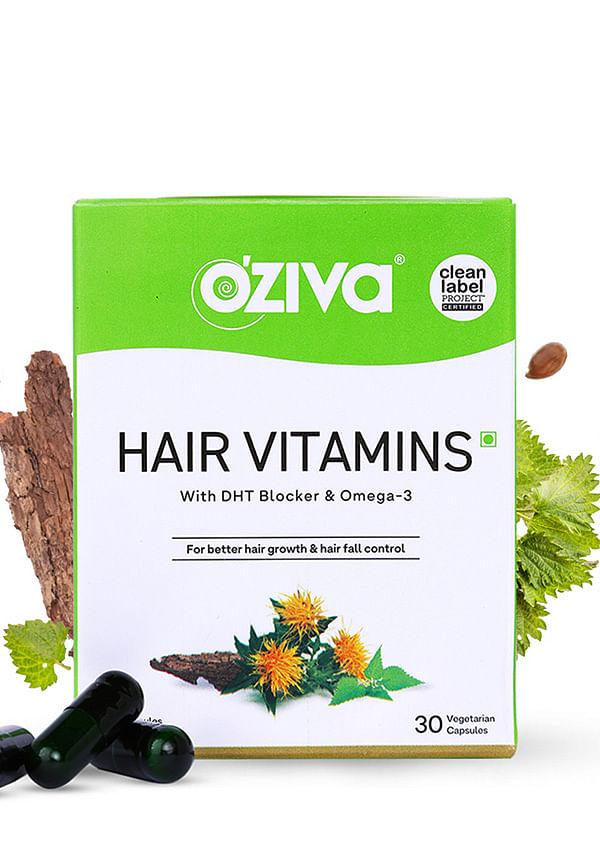 30 Capsules
Hair Vitamins (DHT Blocker & Omega 3), Vegetarian Tablets for Hair Fall Control
Here's where things get a bit nuanced. While whole foods are generally the best way to get your nutrients, sometimes supplements can fill in the gaps — especially if you have specific deficiencies or dietary restrictions.
Hair health supplements can be helpful if you're vegetarian or vegan and struggling to get enough B12 or iron. They're also useful if you live somewhere with limited sun exposure and need extra vitamin D. But here's the thing — more isn't always better. Taking mega-doses of vitamins for dry hair can actually cause problems.
If you're considering supplements, look for ones that provide nutrients in forms your body can actually use. For example, iron bisglycinate is gentler on your stomach than iron sulfate, and methylcobalamin is a more bioavailable form of B12 than cyanocobalamin.
Sometimes what looks like hair loss is actually just excessive breakage from brittle, weak hair. The good news is that hair breakage remedies often involve the same nutrients that promote overall hair health — you're just focusing on strengthening what you've got rather than necessarily growing new hair.
Silica is one nutrient that doesn't get talked about enough. It helps strengthen hair and improve its elasticity. You can find silica in foods like bananas, oats, and brown rice. It's not the most exciting nutrient, but it can make a real difference for brittle hair.
Selenium works as an antioxidant, protecting your hair follicles from damage. Brazil nuts are one of the best sources — just two or three nuts a day can give you all the selenium you need.
The key is consistency. You're not going to see results overnight, but most people start noticing stronger, less brittle hair after about 6-8 weeks of consistently getting the right nutrients. Your hair grows slowly, so it takes time for the healthier hair to grow out and replace the damaged strands.
The best diet for strong hair is one you can actually stick to long-term. There's no point in eating perfectly for two weeks and then going back to your old habits. Instead, focus on making small, sustainable changes that add up over time.
Start by adding one hair-healthy food to each meal. Maybe that's berries in your morning cereal, a handful of nuts as an afternoon snack, or some extra vegetables at dinner. Small changes are more likely to stick than dramatic overhauls.
Meal prep can be your friend here. Cook a big batch of quinoa on Sunday, wash and chop your vegetables, and hard-boil some eggs. Having healthy options ready to go makes it much easier to make good choices when you're busy or tired.
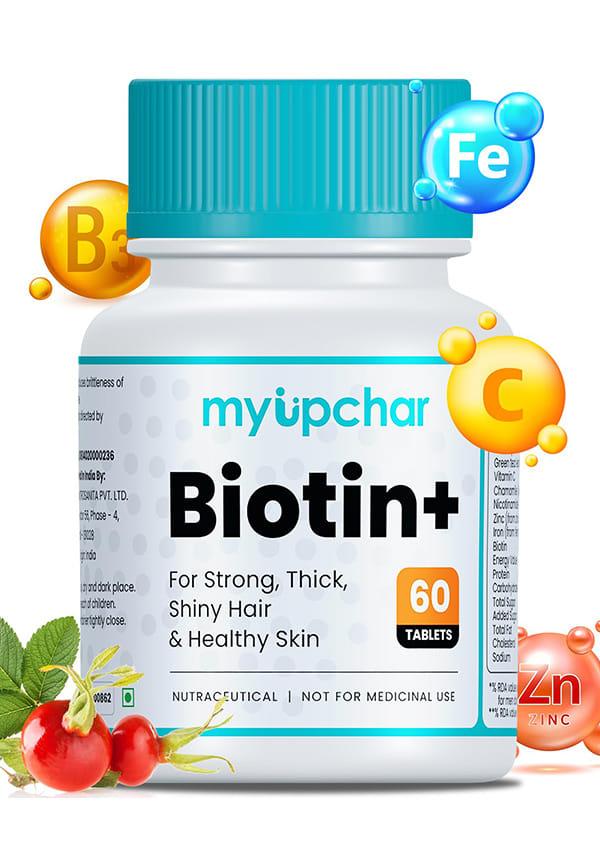 Pack of 60
Ayurveda Biotin+ Tablet | Supplement For Strong & Thick Hair
Most people start noticing less breakage and stronger hair after about 6-8 weeks of consistently getting the right nutrients. Remember, your hair grows slowly (about half an inch per month), so it takes time for the healthier hair to grow out and replace the damaged strands. The first thing you'll probably notice is that your hair feels stronger and breaks less when you're styling it.
Diet can make a huge difference for brittle hair, especially if nutrient deficiencies are part of the problem. However, you'll probably get better results if you combine good nutrition with gentle hair care practices. That means using a wide-tooth comb on wet hair, avoiding excessive heat styling, and using products that don't strip your hair of its natural oils.
Not necessarily. Your body generally absorbs nutrients from whole foods better than from supplements. Plus, whole foods give you a complex mix of nutrients that work together, rather than isolated vitamins. That said, supplements can be helpful if you have specific deficiencies or dietary restrictions. The key is choosing quality supplements and not assuming that more expensive automatically means better.
Hair thinning usually means you're losing more hair than normal, while brittleness means the hair you have is weak and prone to breaking. Sometimes they happen together, but they can have different causes. Brittleness is often related to nutrient deficiencies or damage from styling, while thinning can be related to hormones, genetics, or stress.
Absolutely. Chronic stress can interfere with nutrient absorption and can also cause your body to use up certain nutrients faster. Stress hormones like cortisol can affect hair growth cycles and make existing hair more prone to breakage. This is why some people notice their hair getting worse during stressful periods, even if their diet hasn't changed.
If you're pregnant or breastfeeding, it's really important to talk to your healthcare provider before taking any supplements beyond your prenatal vitamin. Some nutrients that are good for hair can be harmful in large doses during pregnancy. The good news is that prenatal vitamins usually contain many of the nutrients your hair needs anyway.
Brittle hair doesn't have to be something you just live with. Most of the time, it's your hair's way of telling you that your body needs better nutrition. The key nutrients for brittle hair — biotin, iron, protein, omega-3 fatty acids, and vitamins C and D — are all available in delicious, everyday foods. You don't need to completely overhaul your diet overnight; small, consistent changes can make a real difference over time.
Remember, your hair grows slowly, so be patient with the process. Focus on nourishing your body with nutrient-dense foods, stay hydrated, and give your hair the gentle care it deserves. If you're dealing with severe brittleness or suspect you might have nutrient deficiencies, it's worth talking to a healthcare provider who can help you figure out the best approach for your specific situation.
Want to explore hair care products that work alongside good nutrition? Smytten's curated selection includes gentle, nourishing hair care options from trusted brands. Not sure which products might work for your hair type? Trial-size versions of many hair care products are available — a smart way to test what works before committing to full-size bottles.
