Natural Itchy Scalp FAQ: Your Questions Answered

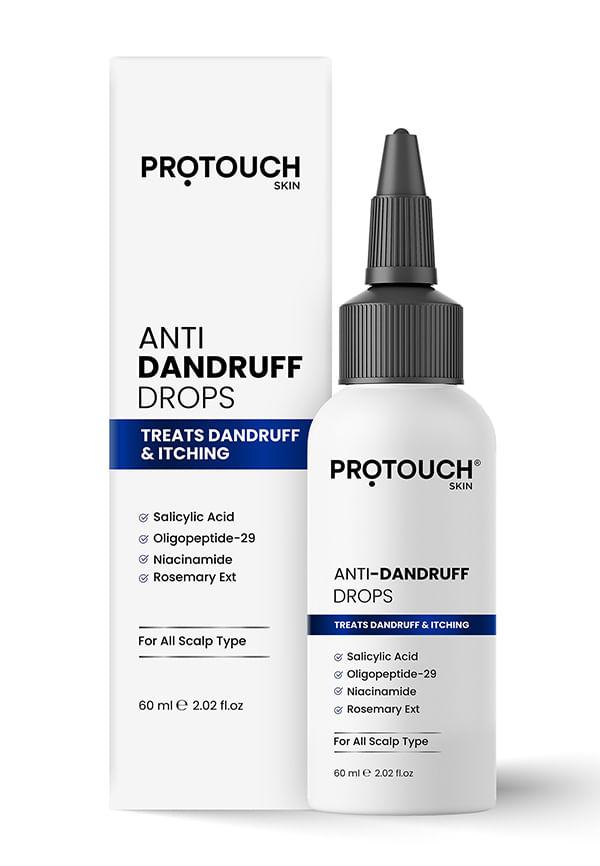
SKIN Anti Dandruff Drops Serum Soothes Itchy, Inflamed Scalp
You know that moment when your scalp starts tingling and you can't stop yourself from scratching? That annoying itch that seems to come out of nowhere and just won't quit? You're definitely not alone in this struggle. An itchy scalp can turn your entire day upside down, making you self-conscious and constantly distracted. Whether it's dryness, product buildup, or something more complex, finding natural solutions that actually work can feel like searching for a needle in a haystack. Let's dive into the most common questions about natural itchy scalp relief and get you some real answers that might just save your sanity.
Real talk – figuring out why your scalp is acting up is half the battle. The causes behind itchy scalp issues are more varied than you might think, and understanding them helps you pick the right natural approach.
Dry scalp is probably the most common culprit. When your scalp doesn't produce enough natural oils, or when harsh products strip away what little moisture you have, your skin gets irritated and starts sending those itch signals. On the flip side, an overly oily scalp can trap dirt and bacteria, leading to inflammation and that familiar scratchy feeling.
Product buildup is another sneaky cause that many people overlook. All those styling products, dry shampoos, and even regular shampoos can accumulate on your scalp over time. This buildup clogs your pores and creates an environment where bacteria and fungi love to hang out, triggering scalp irritation relief needs.
Fungal infections like seborrheic dermatitis or simple dandruff are also major players in the itchy scalp game. These conditions thrive in warm, moist environments and can cause persistent itching along with flaking. Environmental factors like seasonal changes, air conditioning, or heating systems can dry out your scalp, whilst stress and hormonal fluctuations can throw your scalp's natural balance completely off track.
Sometimes, nutritional deficiencies play a role too. Low levels of B vitamins, zinc, or essential fatty acids can affect your scalp health from the inside out, making it more prone to dryness and irritation.
When that itch hits and you need relief right now, there are several natural methods that can provide immediate comfort without reaching for harsh chemicals.
Start with a cool water rinse. Hot water might feel good initially, but it actually strips your scalp of natural oils and can make itching worse. Cool water helps calm inflammation and provides instant soothing relief. Follow this with gentle scalp massage using your fingertips – never your nails. Circular motions help increase blood flow and can temporarily distract your nerves from the itch sensation.
For emergency relief, try applying a cold compress or ice pack wrapped in a thin cloth to the itchiest areas for 10-15 minutes. The cold temperature numbs the area and reduces inflammation that might be contributing to your discomfort.
The most important thing? Resist the urge to scratch. We know it's easier said than done, but scratching can damage your scalp, create micro-wounds that become infected, and actually make the itching worse in the long run. If you absolutely must touch your scalp, try gentle patting instead.
If your itching is accompanied by severe pain, open wounds, or signs of infection like pus or extreme redness, it's time to seek immediate medical attention rather than relying solely on natural remedies.
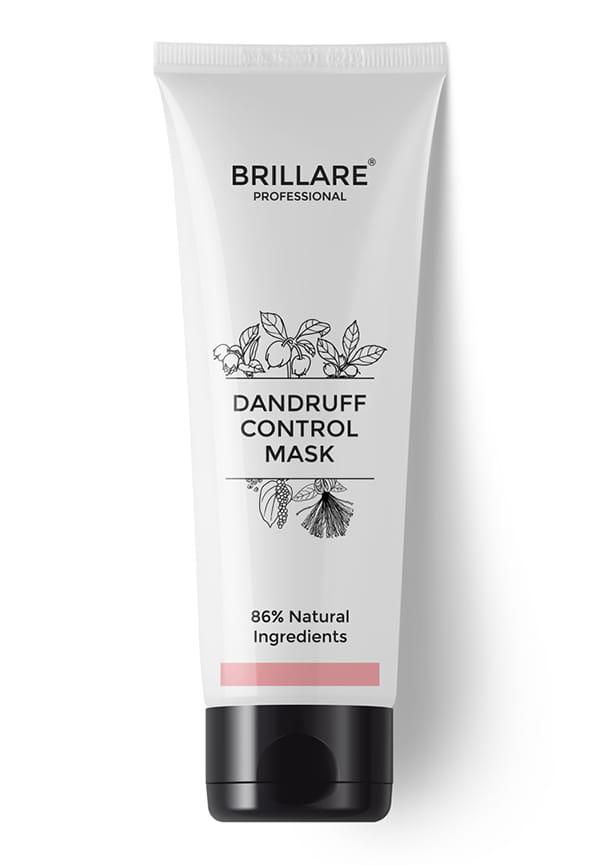
Conditioner For Itchy, Flaky Scalp
Let's get into the natural solutions that have real science backing them up and genuine user success stories.
Apple Cider Vinegar Treatment: This kitchen staple is brilliant for restoring your scalp's natural pH balance. Mix one part apple cider vinegar with three parts water, apply to your scalp, let it sit for 5-10 minutes, then rinse thoroughly. The acetic acid helps break down product buildup whilst its anti-fungal properties tackle any underlying infections.
Coconut Oil for Scalp Relief: Coconut oil contains lauric acid, which has natural anti-inflammatory and antimicrobial properties. Warm a small amount between your palms and massage it into your scalp. Leave it on for at least 30 minutes or overnight if possible. This works particularly well for dry scalp treatment as it provides deep moisturisation.
Tea Tree Oil Solutions: This powerful essential oil is one of the most effective anti-itch scalp products nature offers. Always dilute it – mix 5-10 drops with a carrier oil like coconut or jojoba oil. Tea tree oil's antifungal properties make it excellent for treating dandruff and other fungal-related scalp issues.
Aloe Vera Scalp Treatments: Fresh aloe vera gel provides immediate cooling relief and contains compounds that reduce inflammation. Apply pure aloe vera gel directly to your scalp, leave for 20-30 minutes, then rinse with cool water. It's one of the gentlest soothing scalp solutions available.
If dryness is your main issue, you need treatments that address the root cause rather than just masking symptoms. Natural scalp care for dry conditions focuses on restoring moisture balance and protecting your scalp's natural barrier.
Oatmeal scalp masks are incredibly effective for dry, irritated scalps. Blend rolled oats into a fine powder, mix with enough water to form a paste, and apply to your scalp. Oats contain compounds called avenanthramides that have anti-inflammatory properties and help lock in moisture.
Olive oil deep conditioning treatments work wonders for severely dry scalps. Warm olive oil slightly and massage it into your scalp, focusing on the driest areas. Cover with a shower cap and leave for at least an hour. The vitamin E and healthy fats in olive oil help repair your scalp's moisture barrier.
Honey is a natural humectant, meaning it draws moisture from the air and helps your scalp retain it. Mix raw honey with a little warm water to thin it out, apply to your scalp, and leave for 20 minutes before rinsing thoroughly.
Consider your washing frequency too. Over-washing strips natural oils, whilst under-washing allows buildup that can irritate dry scalp. Most people with dry scalp do best washing 2-3 times per week with gentle, sulphate-free products.
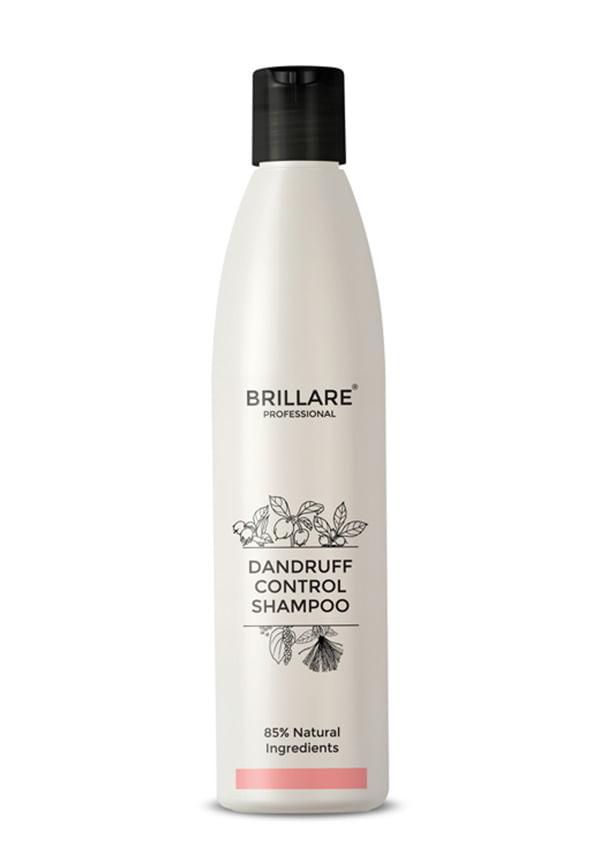
Dandruff Control Shampoo For Itchy, Flaky Scalp
Fungal scalp conditions have specific characteristics that set them apart from simple dryness or irritation. Recognising these signs helps you choose the most effective natural treatments.
Fungal infections typically cause persistent itching that's worse in warm, humid conditions. You might notice yellowish or white flakes that are greasier than regular dandruff, along with red, inflamed patches on your scalp. The itching often intensifies at night, and you might detect a slightly musty or yeasty odour.
For natural antifungal treatment, tea tree oil is your best friend. Its powerful antifungal compounds can tackle many common scalp fungi. Apple cider vinegar also creates an acidic environment that fungi struggle to survive in. Neem oil, though less pleasant-smelling, has potent antifungal properties and can be mixed with carrier oils for easier application.
Scalp inflammation from fungal conditions responds well to anti-inflammatory natural ingredients like turmeric mixed with coconut oil, or fresh aloe vera gel applied regularly.
However, if natural treatments don't show improvement within 2-3 weeks, or if the condition worsens, it's time to consult a dermatologist. Some fungal infections require prescription treatments to fully resolve.
If your scalp reacts to seemingly everything, you need an extra-gentle approach that won't trigger further irritation. Sensitive scalp care requires patience and careful ingredient selection.
Start by identifying your triggers. Common culprits include fragrances, sulphates, parabens, and certain essential oils. Keep a scalp diary noting what products you use and when reactions occur – patterns often emerge that help you pinpoint problem ingredients.
For sensitive scalps, chamomile is incredibly soothing. Brew a strong chamomile tea, let it cool completely, and use it as a final rinse after washing your hair. Chamomile contains anti-inflammatory compounds that calm irritated skin without causing further sensitivity.
Oat milk is another gentle option. Blend oats with water, strain the liquid, and use it as a scalp treatment. It provides moisture without any harsh compounds that might trigger reactions.
Always patch test new treatments on a small area of your scalp before full application. Even natural ingredients can cause reactions in sensitive individuals, so it's better to be cautious.
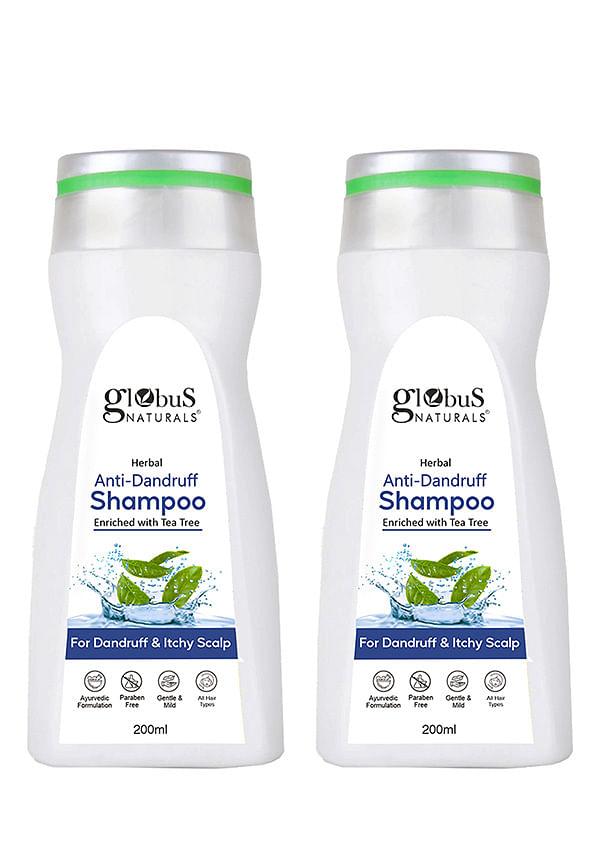
Anti Dandruff Shampoo, For Dandruff and Itchy Scalp
The most effective natural remedies include apple cider vinegar rinses, coconut oil treatments, tea tree oil (properly diluted), and aloe vera gel. Cool water rinses and gentle scalp massage also provide immediate relief. The key is identifying whether your itch stems from dryness, fungal issues, or sensitivity, then choosing treatments accordingly.
Several nutritional deficiencies can contribute to scalp itching, including B vitamins (especially B12 and biotin), zinc, iron, and essential fatty acids. These nutrients are crucial for healthy skin and hair follicle function. If you suspect nutritional deficiencies, consider adding foods rich in these nutrients to your diet or consulting a healthcare provider about supplements.
Most people notice some improvement within 1-2 weeks of consistent use, with significant results typically appearing after 3-4 weeks. However, this varies depending on the underlying cause and severity of your condition. Immediate relief methods like cool rinses and aloe vera work within minutes, whilst deeper treatments like oil therapies show cumulative benefits over time.
Yes, but introduce them gradually to avoid overwhelming your scalp. Safe combinations include coconut oil with tea tree oil, or apple cider vinegar rinses followed by aloe vera treatments. Avoid mixing acidic treatments (like ACV) with alkaline ones simultaneously, and always patch test combinations before full application.
Nighttime itching often intensifies due to increased blood flow when lying down, reduced distractions that make you more aware of sensations, and dry indoor air from heating or cooling systems. Your pillowcase might also harbour allergens or irritants. Try using a humidifier, changing pillowcases frequently, and applying a light natural oil treatment before bed.
Seek professional help if natural remedies don't improve your condition after 3-4 weeks, if you develop open sores or signs of infection, if the itching severely impacts your sleep or daily life, or if you notice sudden hair loss alongside the itching. Persistent, worsening symptoms may indicate conditions that require prescription treatments.
Finding the right natural approach to treating your itchy scalp often involves some trial and error, but the solutions we've covered here address the most common underlying causes. Remember that consistency is key – natural remedies work best when used regularly over time rather than as one-off treatments.
Start with the gentlest options like cool water rinses and aloe vera, then gradually introduce stronger treatments like tea tree oil or apple cider vinegar if needed. Pay attention to how your scalp responds and adjust your routine accordingly.
If you're exploring different scalp care products and want to test what works for your specific concerns, Smytten offers trial-size versions of many scalp treatments and gentle shampoos from trusted brands. It's a practical way to discover what your scalp loves without committing to full-size products that might not suit your needs.
