Natural Hair Growth Oil FAQ: Your Questions Answered

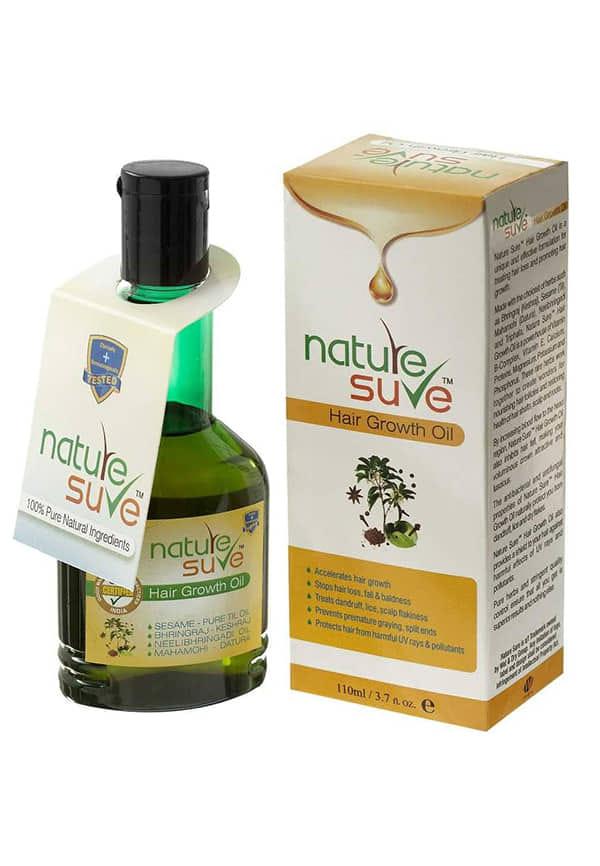
Hair Growth Oil for Darker and Stronger Hair in Men and Women
You've probably been there—standing in the haircare aisle, staring at bottles promising miraculous growth, wondering if natural oils actually work or if it's just another beauty myth. Maybe you've tried a few products that didn't deliver, or perhaps you're tired of harsh chemicals that leave your scalp irritated. The truth is, natural hair growth oils have been used for centuries across cultures, and modern science is finally catching up to validate what our grandmothers always knew. But with so many options and conflicting advice online, it's easy to feel overwhelmed about which oils actually work and how to use them properly.
Natural hair growth oil refers to plant-based oils that contain nutrients and compounds specifically beneficial for hair follicle health and scalp circulation. Unlike synthetic treatments, these oils work by nourishing the scalp environment where hair growth begins, rather than forcing artificial stimulation.
The science behind how these oils work is actually quite fascinating. Your hair follicles need proper blood circulation to receive nutrients and oxygen. Many natural oils contain compounds that act as scalp stimulating oil agents—they dilate blood vessels in the scalp, increasing nutrient delivery to hair roots. For instance, rosemary oil contains rosmarinic acid, which has been shown to improve circulation similarly to minoxidil, a common hair loss medication.
Carrier oils like castor and jojoba work differently. They provide essential fatty acids that strengthen the hair shaft and create a protective barrier around each strand. This prevents breakage and makes existing hair appear thicker and healthier. Essential oils, on the other hand, penetrate deeper into the scalp tissue to stimulate dormant follicles.
Real talk—you won't see overnight miracles. Most people notice reduced hair fall within 4-6 weeks of consistent use, while visible new growth typically appears after 12-16 weeks. This timeline aligns with your hair's natural growth cycle, which can't be rushed but can definitely be optimised.
Not all oils are created equal when it comes to promoting hair growth. Research has identified several standout performers that consistently deliver results for thickness and strength.
Rosemary oil tops the list for good reason. A 2015 study found it performed as well as 2% minoxidil in promoting hair growth after six months of use. The key is its ability to improve cellular metabolism in hair follicles. As a hair thickening oil, rosemary works by extending the growth phase of your hair cycle, meaning each strand grows longer before naturally shedding.
Castor oil deserves its reputation as a hair strengthening oil. Rich in ricinoleic acid, it has anti-inflammatory properties that soothe scalp irritation while its thick consistency coats hair strands to prevent breakage. Many users report that castor oil makes their hair feel noticeably thicker within just a few applications.
Peppermint oil is your go-to for stimulation. Studies show it can increase the number of hair follicles and promote deeper follicles, leading to thicker hair overall. The cooling sensation you feel isn't just refreshing—it's evidence of increased blood flow to your scalp.
Traditional ayurvedic hair oil formulations have stood the test of time for good reason. Bhringraj oil, often called the "king of herbs" for hair, contains compounds that may help reverse premature greying while strengthening roots. Amla oil provides vitamin C and antioxidants that protect follicles from environmental damage.
Onion oil might sound unusual, but its high sulphur content supports keratin production—the protein that makes up your hair. Many people find onion-based oils particularly effective for areas of thinning or slow growth.
Your hair type significantly impacts which natural hair growth oil will work best for you. Fine hair responds well to lighter oils like jojoba or grapeseed that won't weigh strands down. These oils absorb quickly and provide nourishment without leaving residue.
Thick or coarse hair can handle heavier oils like castor or coconut oil. These provide intense moisture and protection that thicker hair textures often need. If you have an oily scalp, stick to lighter oils and focus application on mid-lengths and ends rather than roots.
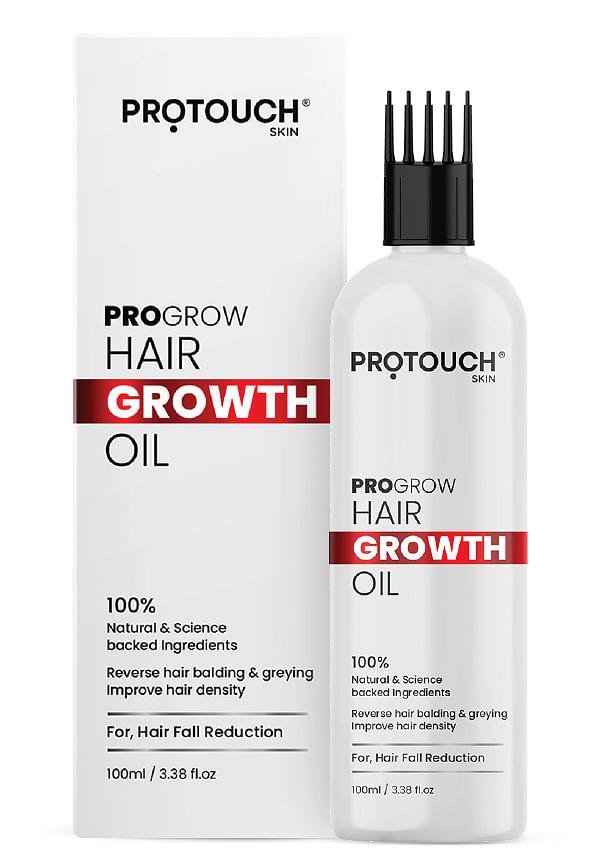
Profrow Hair Growth Oil
For those dealing with dandruff or scalp sensitivity, tea tree oil mixed with a carrier oil works as both a dandruff control oil and growth stimulant. Its antifungal properties address the root cause of flaking while promoting a healthy scalp environment for growth.
Many people find success mixing different oils to target multiple concerns. A popular combination is rosemary oil for growth stimulation mixed with castor oil for thickness and argan oil for shine and protection. Start with small amounts to see how your scalp responds before increasing application.
How you apply your chosen oil matters just as much as which oil you choose. The most effective method is pre-wash treatment, where you apply oil to dry hair and scalp 30 minutes to 2 hours before shampooing.
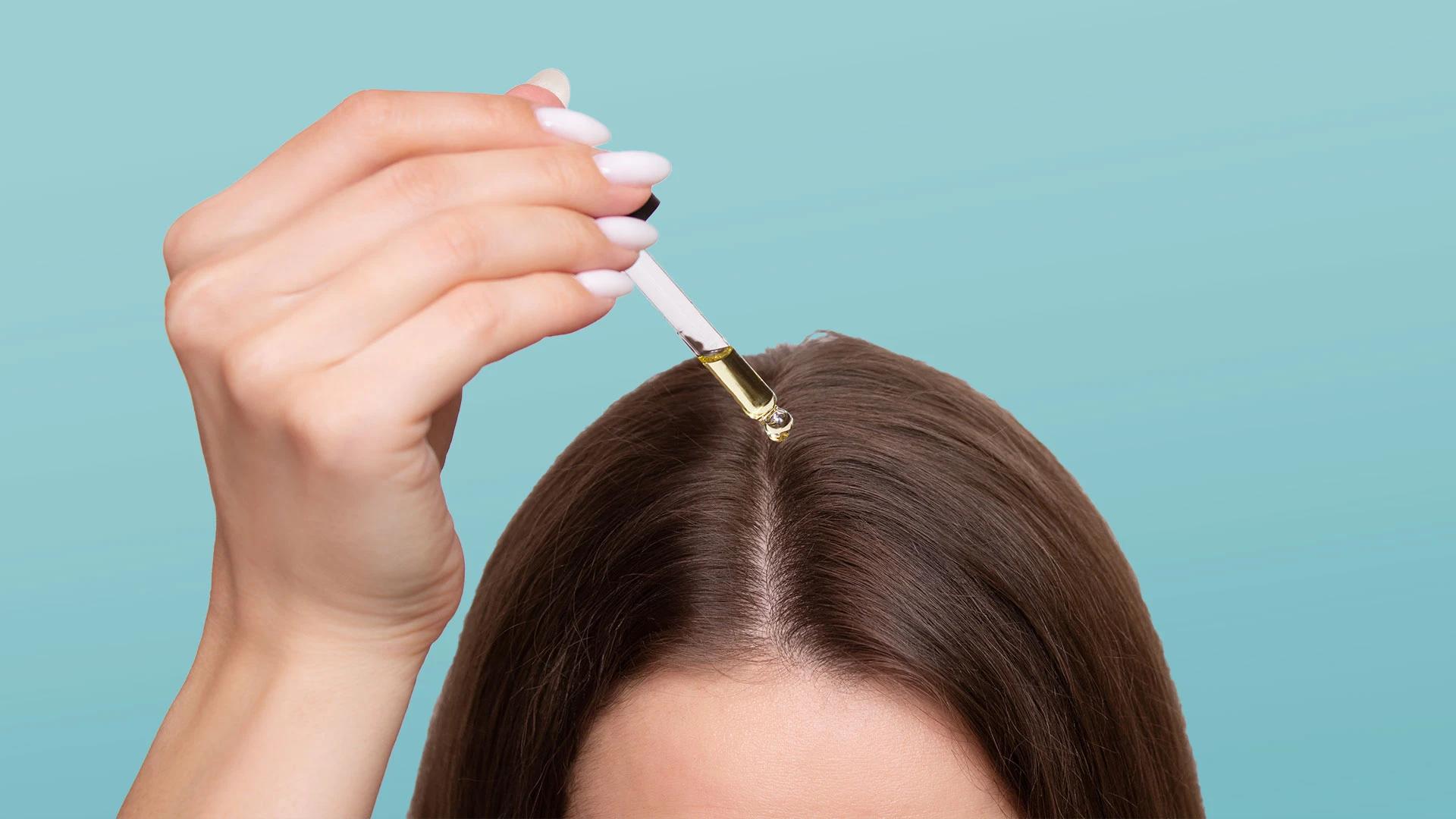
Start by sectioning your hair to ensure even distribution. Apply the oil directly to your scalp using your fingertips or a dropper bottle, then gently massage in circular motions for 2-3 minutes. This massage is crucial—it helps the oil penetrate while stimulating blood flow to follicles.
For overnight treatments, use slightly less oil to avoid excessive greasiness. Cover your pillow with an old towel or use a silk pillowcase that's easier to wash. Some people prefer to apply hair growth serum formulations during the day, as these tend to be lighter and less greasy than pure oils.
Frequency matters too. Most scalps respond best to oil treatments 2-3 times per week. Daily application can lead to product buildup and may actually slow growth by clogging follicles.
Don't apply oil only to your hair strands—the scalp is where growth happens. Also, avoid using too much oil, which can be difficult to wash out and may irritate sensitive scalps. Always dilute essential oils with carrier oils, as they're too concentrated to use alone.
Different hair concerns require targeted approaches with specific oil combinations. If you're dealing with significant hair loss, focus on oils with proven follicle-stimulating properties like rosemary and peppermint. These work as effective hair loss treatment oil options when used consistently.
For damaged hair that breaks easily, prioritise hair repair oil blends containing argan, jojoba, and sweet almond oil. These provide deep conditioning while strengthening the hair shaft to prevent future breakage.
Scalp issues like dandruff require oils with antifungal properties. Tea tree oil mixed with coconut oil creates an effective dandruff control oil that addresses flaking while promoting growth. Neem oil is another traditional option that's particularly effective for persistent scalp problems.
As we age, hair naturally becomes thinner and grows more slowly. Oils rich in antioxidants like amla and rosemary can help counteract some of these changes by protecting follicles from oxidative stress. Regular scalp massage with these oils may help maintain hair density over time.
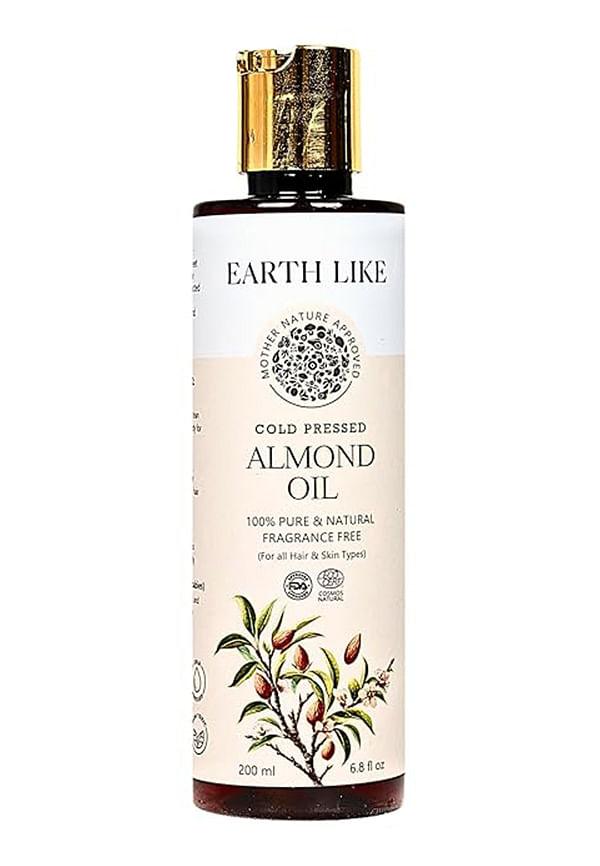
Pure Cold Pressed Almond Oil for Hair Growth, Skin Hydration & Nourishment
Creating your own organic hair oil blends allows you to customise ingredients for your specific needs while saving money. A basic growth-stimulating blend combines 2 tablespoons castor oil, 1 tablespoon jojoba oil, and 5-6 drops rosemary essential oil.
For an ayurvedic-inspired mixture, try combining equal parts coconut oil and sesame oil as your base, then add a few drops of bhringraj oil and amla oil. This traditional combination has been used for centuries to promote thick, healthy hair.
A repair-focused blend might include argan oil, sweet almond oil, and a few drops of lavender essential oil for its soothing properties. Store homemade blends in dark glass bottles away from heat and light to maintain potency.
Homemade oil blends typically last 6-12 months when stored properly. Add a few drops of vitamin E oil to extend shelf life naturally. Always label your blends with ingredients and date of creation.
Understanding realistic timelines helps set proper expectations for your natural hair care journey. Most people notice reduced hair fall within the first month of consistent use. This is often the first sign that your chosen oil is working.
Improved hair texture and shine typically appear within 6-8 weeks. Your existing hair will feel stronger and look healthier as the oils repair damage and provide ongoing protection.
New growth becomes visible around the 12-16 week mark. This aligns with your hair's natural growth cycle, which can't be dramatically accelerated but can be optimised for better quality growth.
Some people see faster results, while others may need up to 6 months to notice significant changes. Factors like age, overall health, hormonal balance, and consistency of use all impact how quickly you'll see results.
Take photos from the same angles in similar lighting every 4 weeks to track changes. Many improvements are gradual and easier to notice in photos than day-to-day observation. Keep notes about which oils you're using and any changes in application routine.
Rosemary oil consistently ranks as the most effective natural hair growth oil based on scientific studies. It performs comparably to minoxidil in clinical trials and works by improving blood circulation to hair follicles. For best results, dilute 3-5 drops in a tablespoon of carrier oil like jojoba or castor oil before applying to your scalp.
Most people notice reduced hair fall within 4-6 weeks of consistent use, while visible new growth typically appears after 12-16 weeks. This timeline aligns with your hair's natural growth cycle. Improved texture and shine often become apparent within 6-8 weeks of regular application.
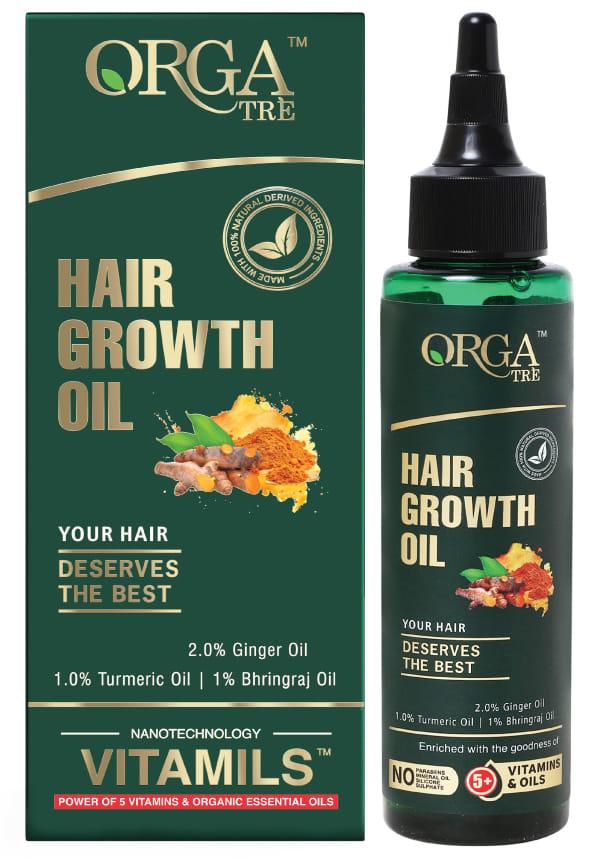
Hair Growth Oil
Using natural hair growth oil 2-3 times per week is optimal for most people. Daily application can lead to product buildup on your scalp, which may actually hinder growth by clogging follicles. If you have very dry hair or scalp, you might benefit from more frequent application, but start slowly and observe how your scalp responds.
Apply natural hair growth oils to slightly damp hair for better absorption. Completely wet hair can dilute the oil and reduce its effectiveness, while bone-dry hair may not absorb the oil as well. Lightly towel-dried hair provides the ideal condition for oil penetration.
Natural hair growth oils are generally safe, but some people may experience allergic reactions or scalp sensitivity. Always perform a patch test before using a new oil by applying a small amount to your inner wrist and waiting 24 hours. Essential oils should never be used undiluted, as they can cause irritation or burns.
Yes, combining different oils often enhances their benefits. Popular combinations include rosemary oil for stimulation with castor oil for thickness, or argan oil for repair with peppermint oil for circulation. Start with small batches to test how your scalp responds to the combination before making larger quantities.
Natural hair growth oils can benefit all hair types, but the specific oil and application method should be tailored to your hair's needs. Fine hair responds well to lighter oils like jojoba or grapeseed, while thick or coarse hair can handle heavier oils like castor or coconut oil. Those with oily scalps should focus application on mid-lengths and ends rather than roots.
For shoulder-length hair, use approximately 1-2 teaspoons of oil per application. Focus most of the oil on your scalp rather than the hair strands, as that's where growth occurs. You should have enough oil to massage your entire scalp without dripping, but not so much that your hair feels saturated.
Natural hair growth oils can complement medical treatments but may not be sufficient for severe hair loss conditions like androgenetic alopecia. They work well for general thinning, breakage, and maintaining scalp health. If you're experiencing significant hair loss, consult a dermatologist to determine if you need medical intervention alongside natural treatments.
Hair growth oils typically contain specific ingredients known to stimulate follicles and improve scalp circulation, such as rosemary, peppermint, or bhringraj. Regular hair oils focus primarily on moisturising and protecting existing hair strands. Growth-focused formulations often include essential oils that provide active compounds for follicle stimulation.
Natural hair growth oils offer a gentle yet effective approach to improving hair health and promoting growth. The key to success lies in choosing the right oil for your hair type, applying it correctly, and maintaining consistency over several months. Rosemary oil leads the pack for scientifically-proven growth benefits, while castor oil excels at adding thickness and strength.
Remember that natural solutions work with your body's processes rather than forcing rapid changes. This means patience is essential, but the results tend to be sustainable and come with additional benefits like improved scalp health and hair texture.
Whether you choose to purchase ready-made formulations or create your own blends, focus on quality ingredients and proper application techniques. Your scalp and hair will thank you for the gentle, nourishing approach that natural oils provide. Not sure which specific formulation might work best for your hair concerns? Smytten offers trial-size versions of many natural hair care products—a smart way to test different oils and find your perfect match before investing in full-size bottles.
