Monsoon Itchy Scalp FAQ: Causes & Remedies Answered

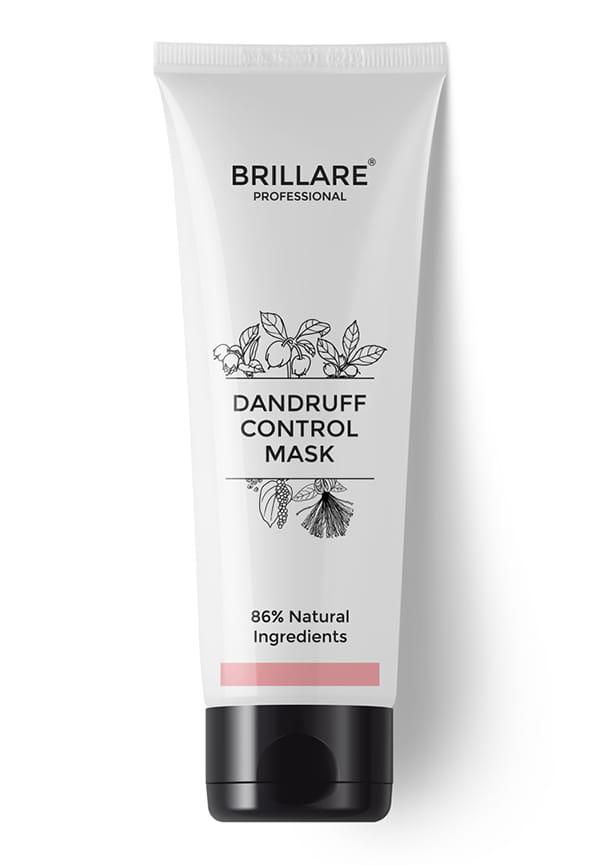
Conditioner For Itchy, Flaky Scalp
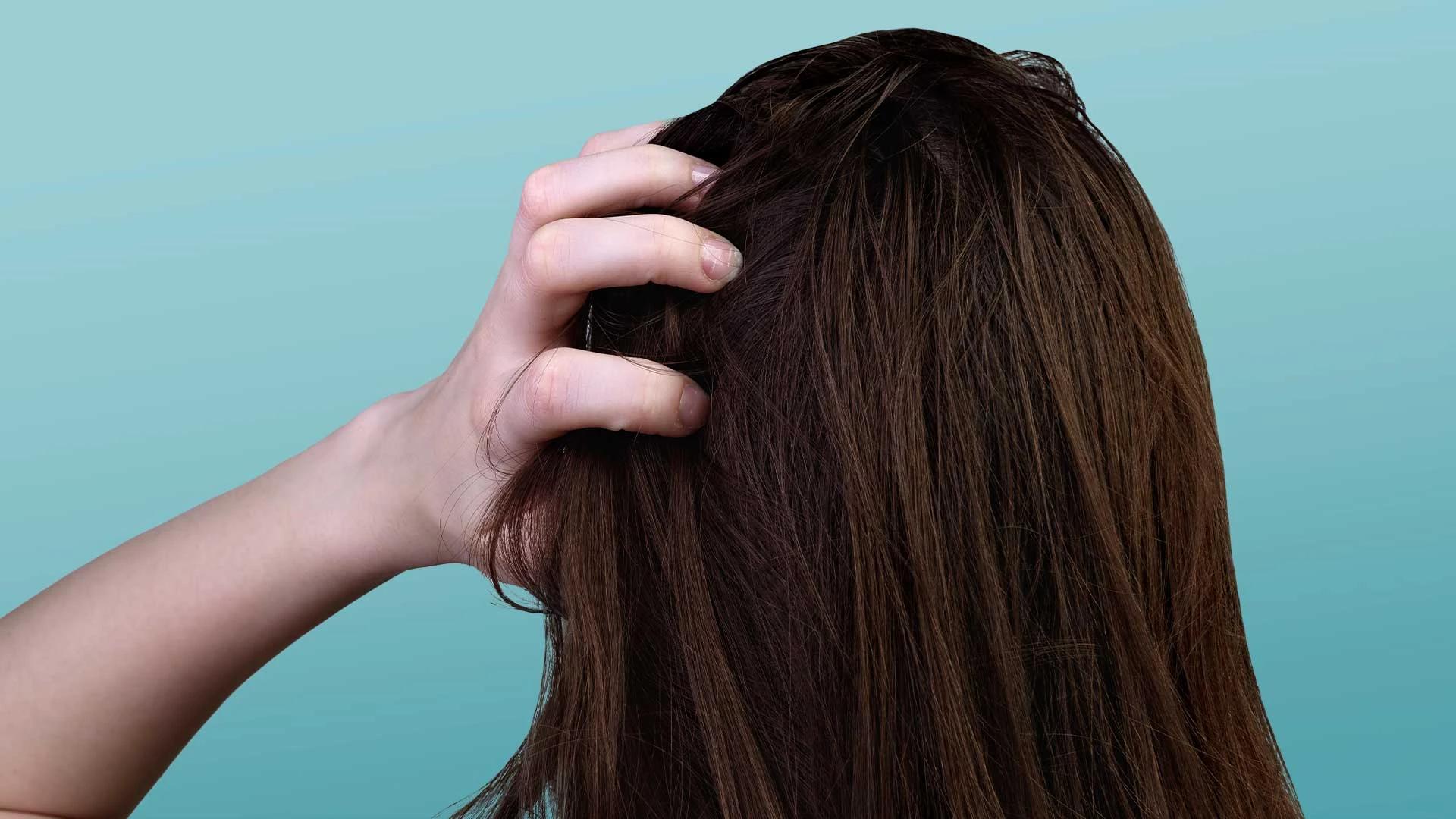
Picture this: you're caught in an unexpected downpour, and by the time you reach home, your scalp feels like it's hosting its own little rebellion. The itching starts subtle, then becomes impossible to ignore. Sound familiar? You're definitely not alone in this monsoon struggle. The combination of humidity, pollution, and constant moisture creates the perfect storm for scalp irritation, leaving many of us scratching our heads—quite literally.
Monsoon season brings its own set of challenges for scalp health. The increased humidity disrupts your scalp's natural balance, whilst polluted rainwater and trapped moisture create an environment where bacteria and fungi absolutely thrive. But here's the thing—understanding why this happens is your first step towards finding real relief.
Let's get real about what's actually happening up there during the rainy months. Your scalp isn't just being dramatic—there are genuine scientific reasons why monsoons turn your head into an itchy mess. The high humidity levels during this season create an environment that's basically a five-star resort for unwanted microorganisms.
When humidity levels spike above 60%, your scalp's microbiome gets thrown completely off balance. The natural oils and moisture levels that usually keep things harmonious suddenly go haywire. This disruption allows harmful bacteria and fungi, particularly Malassezia globosa, to multiply faster than you can say "monsoon madness." These little troublemakers feed on the excess sebum your scalp produces in response to the humid conditions, creating byproducts that irritate your skin and trigger that relentless itching.
Monsoon air isn't just humid—it's often loaded with pollutants that get trapped in the moisture. When this contaminated air settles on your scalp, it creates a cocktail of irritants that your skin really doesn't appreciate. Add to this the fact that rainwater in urban areas often contains pollutants and chemicals, and you've got a recipe for scalp chaos.
Temperature fluctuations during monsoons also play their part. Your scalp constantly adjusts to changing conditions, which can make it more sensitive and reactive than usual. This heightened sensitivity means even mild irritants that wouldn't normally bother you can suddenly become major problems.
Seborrheic dermatitis loves monsoon season. This condition thrives in warm, humid environments and shows up as red, scaly patches that itch like crazy. Dandruff also tends to have a field day during the rainy months, with flakes becoming more noticeable and persistent. Then there are the scalp infections—both fungal and bacterial—that take advantage of the moisture-rich environment to set up camp on your head.
When your scalp is driving you up the wall with itching, you need solutions that work fast. The good news is there are several tried-and-tested methods that can provide quick relief without requiring a trip to the chemist.
Cool water is your immediate best friend. Rinse your scalp with cool (not cold) water to instantly calm inflammation and wash away irritants. The temperature helps constrict blood vessels, reducing the inflammatory response that's causing the itch. Follow this with a gentle pat-dry using a clean towel—no aggressive rubbing that could worsen the irritation.
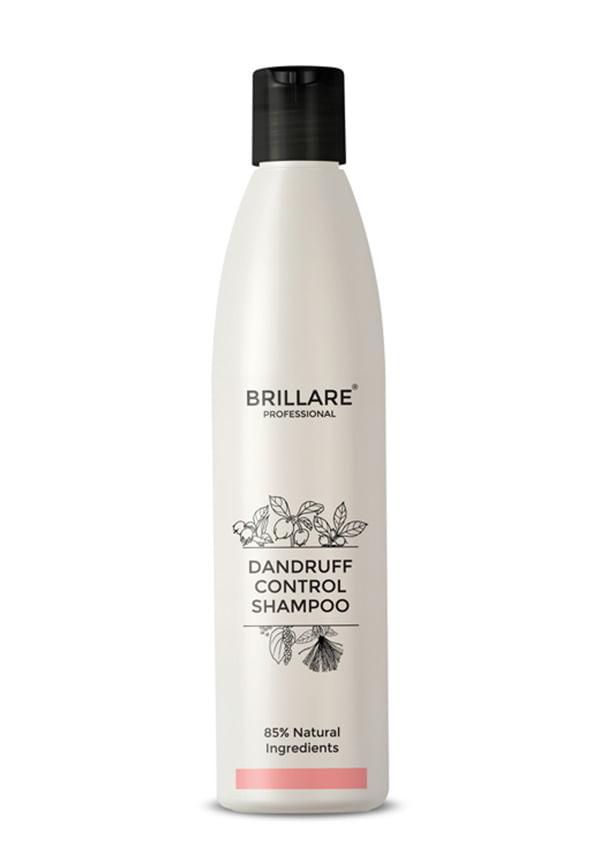
Dandruff Control Shampoo For Itchy, Flaky Scalp
Apple cider vinegar works wonders as a spot treatment. Mix one part ACV with three parts water and apply directly to the itchy areas using a cotton pad. The acetic acid helps restore your scalp's natural pH balance whilst its antimicrobial properties tackle any bacterial overgrowth. Leave it on for 10-15 minutes before rinsing thoroughly.
Tea tree oil is like a superhero for fungal issues. Its antifungal and antibacterial properties make it particularly effective against monsoon-related scalp problems. Mix 5-10 drops with a carrier oil like coconut or jojoba, massage into your scalp, and leave for 30 minutes before washing out. Never use tea tree oil undiluted—it's potent stuff that can cause more irritation if not properly diluted.
Aloe vera gel provides instant cooling relief whilst its anti-inflammatory compounds help reduce redness and swelling. Fresh aloe gel works best, but if you're using store-bought, make sure it's 99% pure aloe without added fragrances or alcohol. Apply directly to affected areas and let it work its magic for 20-30 minutes.
Neem has been used for centuries to treat scalp issues, and science backs up its effectiveness. Make a paste using neem powder and water, apply to your scalp, and leave for 20 minutes. Neem's antibacterial and antifungal properties help tackle the root cause of monsoon scalp irritation.
Sometimes natural remedies aren't enough, especially if you're dealing with a persistent fungal infection. Anti-fungal shampoos containing ketoconazole, selenium sulfide, or zinc pyrithione can be game-changers for stubborn cases. Use these 2-3 times a week during monsoon season, but don't overdo it—they can be drying if used too frequently.
Prevention really is better than cure when it comes to monsoon scalp issues. Building a solid routine that accounts for the season's challenges can save you from weeks of itchy misery.
Your post-rain protocol should be non-negotiable. As soon as you get home after being caught in the rain, rinse your hair with clean water to remove pollutants and excess moisture. Don't let contaminated rainwater sit on your scalp for hours—that's basically an invitation for bacteria to throw a party.
Proper drying technique is crucial during humid weather. Never sleep with wet or damp hair, as this creates the perfect breeding ground for fungi. Use a blow dryer on a cool setting if needed, or ensure your hair is completely air-dried before hitting the pillow. Change your pillowcases more frequently during monsoon season to prevent bacterial buildup.
Protective styling becomes your best friend during monsoons. Loose braids, buns, or ponytails keep hair off your neck and reduce moisture retention. Avoid tight styles that can trap sweat and create additional irritation. Choose hairstyles that allow air circulation around your scalp.
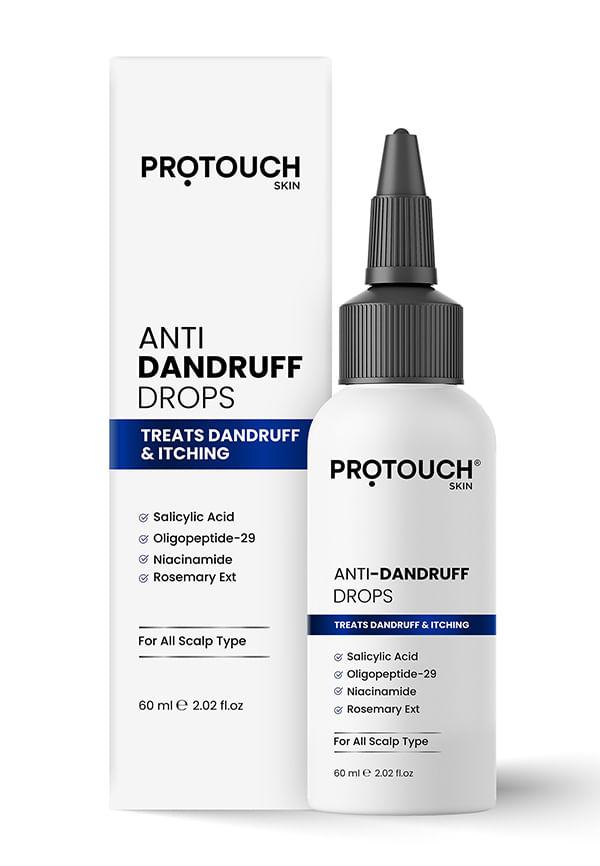
SKIN Anti Dandruff Drops Serum Soothes Itchy, Inflamed Scalp
Product selection matters more than you might think. Heavy oils and leave-in treatments can trap moisture and create problems during humid weather. Opt for lightweight, water-based products that won't weigh your hair down or create a barrier that prevents your scalp from breathing.
Incorporate a weekly deep cleansing routine using a clarifying shampoo to remove buildup from humidity, pollution, and styling products. Follow with a scalp massage using your fingertips (not nails) to improve circulation and help distribute natural oils evenly.
Sometimes DIY remedies aren't enough, and that's perfectly okay. Knowing when to seek professional help can save you from prolonged discomfort and prevent minor issues from becoming major problems.
Anti-dandruff shampoos with different active ingredients target various causes of scalp irritation. Zinc pyrithione works well for general dandruff and mild fungal issues. Coal tar shampoos are effective for more stubborn cases but can be drying. Salicylic acid helps remove flaky buildup whilst exfoliating the scalp gently.
Combination therapy often works better than relying on a single product. You might use an antifungal shampoo twice a week and a gentle, moisturising shampoo on other days to maintain balance without over-drying your scalp.
If your scalp irritation persists for more than two weeks despite consistent treatment, it's time to see a professional. Red flags include severe redness, open sores, hair loss, or spreading of the irritated area. These could indicate a more serious infection that requires prescription treatment.
Dermatologists can perform proper diagnosis through scalp examination and sometimes fungal cultures to identify the exact cause of your problems. They can prescribe stronger antifungal medications, topical steroids for severe inflammation, or antibiotics if bacterial infection is present.
Most cases of monsoon-related scalp irritation improve within 1-2 weeks with consistent treatment. Mild cases might see relief in just a few days, whilst more severe fungal infections can take 3-4 weeks to completely resolve. The key is consistency—stick to your treatment routine even after symptoms improve to prevent recurrence.
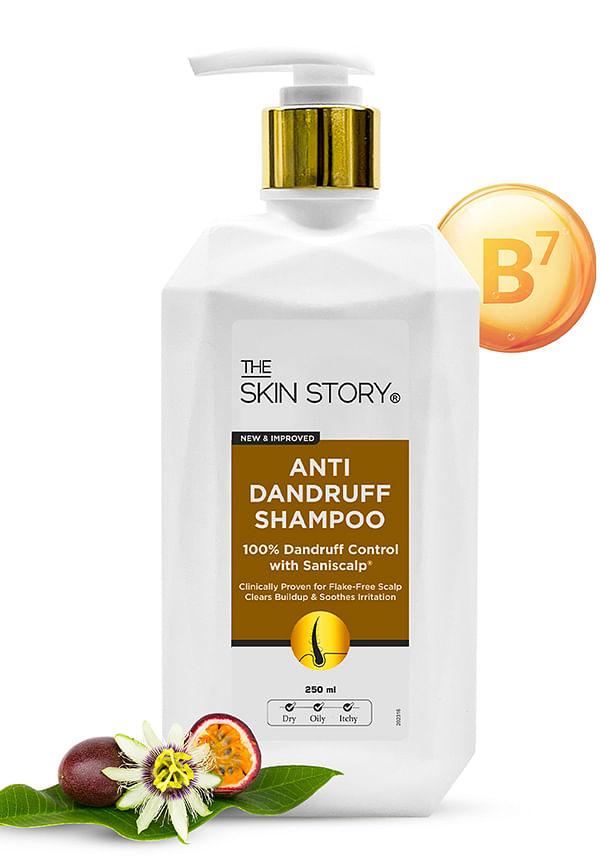
Anti Dandruff Shampoo For Oily Dry Itchy Scalp With Saniscalp
Absolutely. Wet hair creates a warm, moist environment against your scalp for 6-8 hours, which is exactly what fungi and bacteria need to multiply rapidly. During monsoon season when humidity is already high, this practice significantly increases your risk of developing scalp infections, dandruff, and persistent itching.
Nighttime itching often intensifies because there are fewer distractions, making you more aware of the sensation. Additionally, lying down increases blood flow to your scalp, which can worsen inflammation. The warmth from your pillow and bedding can also aggravate fungal conditions that thrive in warm environments.
Not necessarily. The effectiveness depends on the active ingredients, not the price tag. A budget-friendly shampoo with 2% ketoconazole can be just as effective as a premium brand with the same concentration. Focus on finding products with proven active ingredients rather than fancy packaging or marketing claims.
Yes, certain dietary adjustments can support scalp health. Reducing sugar and refined carbs can help control fungal overgrowth, as these organisms feed on sugar. Including anti-inflammatory foods like fatty fish, leafy greens, and nuts can help reduce overall inflammation. Staying well-hydrated also helps maintain healthy skin and scalp function.
Exercise caution with acidic or alkaline home remedies on irritated skin. Lemon juice can be too harsh for already inflamed scalps and might worsen irritation. Baking soda can disrupt your scalp's natural pH balance. Stick to gentler options like aloe vera, diluted apple cider vinegar, or tea tree oil when dealing with active irritation.
Monsoon itchy scalp doesn't have to ruin your rainy season vibes. Understanding that humidity, pollution, and moisture create the perfect storm for scalp issues helps you tackle the problem at its source. Quick relief comes from cool water rinses, natural remedies like tea tree oil and aloe vera, and proper scalp hygiene practices.
Prevention really is your best strategy—keep your scalp clean and dry, avoid sleeping with wet hair, and adjust your haircare routine for the humid conditions. When over-the-counter solutions aren't cutting it, don't hesitate to consult a dermatologist for professional guidance.
The key to beating monsoon scalp woes lies in consistency and patience. Most treatments need time to work, so stick with your chosen routine for at least two weeks before switching strategies. With the right approach, you can keep your scalp comfortable and healthy throughout the rainy season. Not sure which scalp treatment might work best for your specific concerns? Smytten offers trial-size versions of many scalp care products from trusted brands—a smart way to test different solutions before committing to full-size bottles.
