Monsoon Haircare FAQ: Your Questions Answered


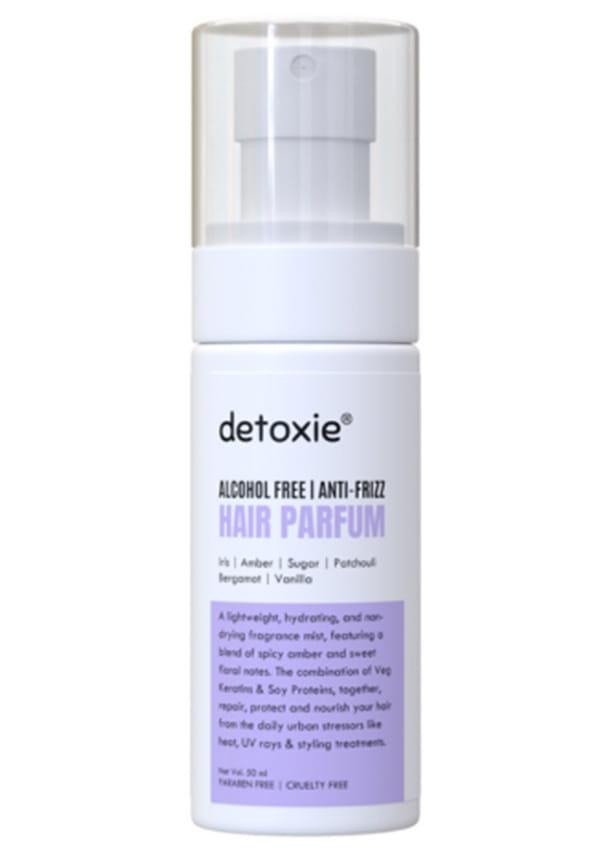
Alcohol Free Anti-Frizz Hair Parfum
Picture this: you step out with perfectly styled hair, and within minutes of Mumbai's monsoon humidity hitting, you're left with a frizzy mess that looks like you've been electrocuted. Sound familiar? You're definitely not alone in this struggle. The rainy season brings its own set of hair challenges that can leave even the most confident of us feeling defeated. From unexpected hair fall to that stubborn oiliness that seems impossible to control, monsoon weather can turn your hair routine upside down. But here's the thing—with the right approach and some smart tips for monsoon hair, you can actually keep your locks looking fab all season long.
Let's get real about what's actually happening to your hair during those humid months. When the air is loaded with moisture, your hair cuticles open up like tiny umbrellas trying to absorb all that extra humidity. This is why your usually manageable hair suddenly turns into a frizzy nightmare the moment you step outside.
The science behind it is pretty straightforward—your hair is essentially a sponge. During monsoon, the increased moisture in the air causes your hair shaft to swell, disrupting its natural structure. This leads to that dreaded frizz, makes your hair more prone to tangling, and can even affect how your styling products work. Plus, the constant dampness creates the perfect breeding ground for scalp infections and dandruff.
But it's not just the humidity that's the villain here. Rainwater often contains pollutants and chemicals that can strip your hair of its natural oils, leaving it dry and brittle. The frequent wetting and drying cycle also weakens your hair strands, making them more susceptible to breakage. Understanding these factors is the first step in creating an effective monsoon haircare strategy.
Hair fall during monsoon isn't just in your head—it's a real thing that happens to most people. The combination of humidity, scalp infections, and weakened hair strands creates the perfect storm for increased shedding. But don't panic; there are proven ways to keep this under control.
Your scalp needs extra attention during monsoon because all that moisture can lead to fungal infections and clogged pores. Washing your hair more frequently than usual isn't just okay—it's necessary. Aim for every alternate day if you have oily hair, or every two days if your hair tends to be on the drier side.
Choose a gentle, sulfate-free shampoo that won't strip your hair of its natural oils while still getting rid of all the grime and excess sebum. After washing, make sure your hair is completely dry before stepping out or going to bed. Damp hair is a breeding ground for bacteria and fungi.
Heavy oils during monsoon? Not your best friend. Switch to lighter options like argan oil or jojoba oil that won't weigh your hair down or make your scalp feel greasy. If you're someone who loves overnight oiling, consider doing it just once a week during monsoon instead of your usual routine.
Pre-wash oiling for 30 minutes before shampooing can be more effective during humid weather. This gives you the nourishment benefits without the heaviness that can attract more dirt and pollution.
Wet hair is fragile hair, and during monsoon, your strands are already dealing with extra stress. Use a wide-tooth comb to detangle, starting from the ends and working your way up. Never brush wet hair aggressively—this is a one-way ticket to breakage city.
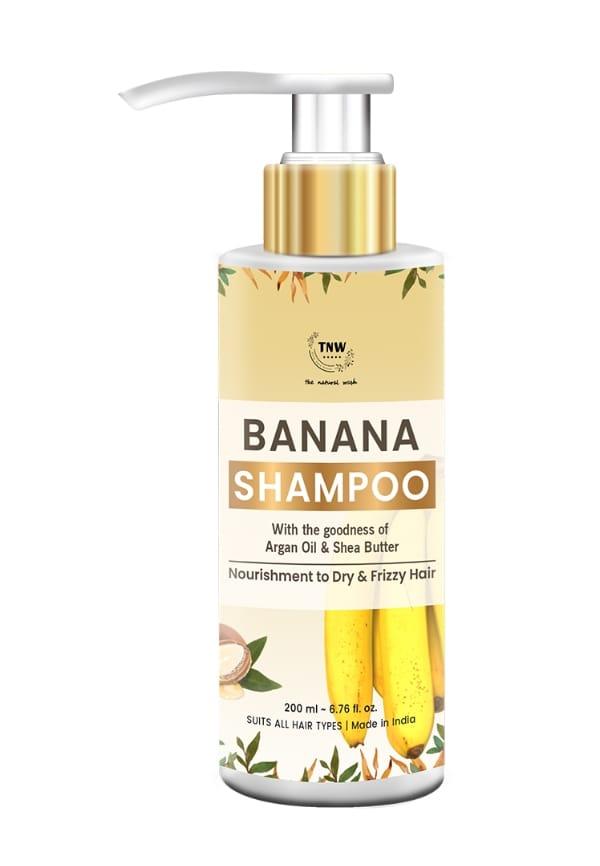
Banana Shampoo for Frizz | AntiFrizz Shampoo for All Hair Types | Banana Shampoo for Manageable Hair200ml
Tight ponytails and buns might seem like the obvious solution to humidity hair, but they can actually cause more damage. Opt for loose braids or gentle hair ties that won't pull on your strands.
Creating a solid haircare routine for monsoon doesn't mean overhauling everything you know about hair care. It's about making smart adjustments that work with the weather, not against it.
Start your day with slightly damp hair rather than completely wet hair. This gives you better control over styling and reduces the shock your hair experiences when it hits the humid air outside. Apply a lightweight leave-in conditioner or anti-humidity serum from mid-length to ends—avoid the roots unless you want to look like you haven't washed your hair in days.
Protective styling is your friend during monsoon. Think loose braids, low buns, or even a stylish headband that keeps your hair off your face while looking put-together. The goal is to minimise your hair's exposure to humidity while still looking fab.
Got caught in an unexpected downpour? Don't just let your hair air-dry in its soaked state. Gently squeeze out excess water with a microfiber towel (regular towels can cause frizz), then apply a small amount of leave-in treatment. If you're at home, use a blow dryer on cool setting to speed up the drying process.
If you can't wash your hair immediately after getting drenched, at least rinse it with clean water to remove any pollutants from the rainwater. This simple step can prevent a lot of damage and scalp issues.
Your hair has been through a lot during the day, so evening is the time to show it some love. A weekly deep conditioning treatment becomes non-negotiable during monsoon. Look for masks that contain ingredients like keratin, argan oil, or shea butter—these help repair damage and create a protective barrier against humidity.
Before bed, make sure your hair is completely dry. Sleeping with damp hair can lead to fungal infections and that musty smell that's impossible to get rid of. If your hair takes forever to dry, invest in a good ionic hair dryer—it's worth every penny.
Frizzy hair solutions during monsoon aren't about fighting your hair's natural texture—they're about working with it smartly. The key is understanding that your hair is trying to absorb moisture from the air, so you need to give it the right kind of moisture first.
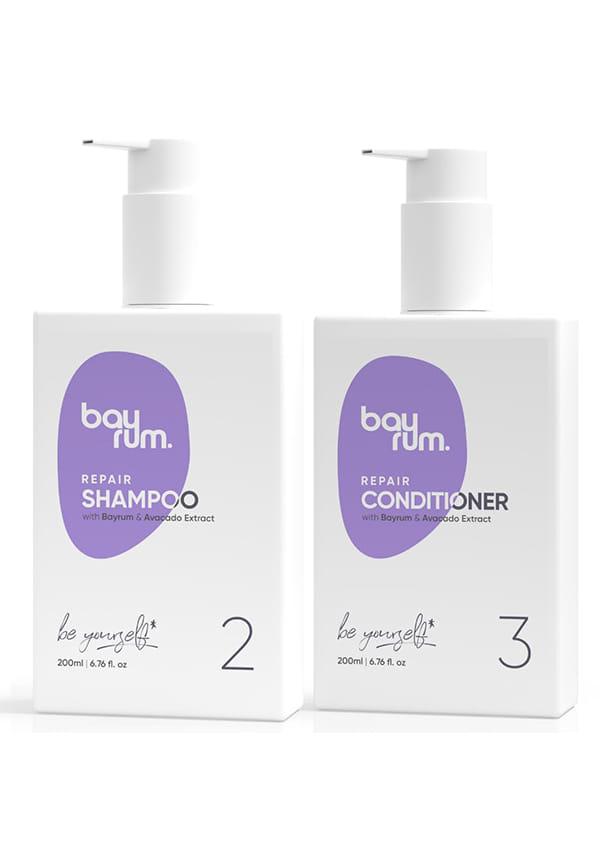
Hair Repair Shampoo & Conditioner Combo For Dry, Frizzy And Curly Hair
Heavy creams and thick conditioners might work in winter, but monsoon calls for lightweight formulas that won't weigh your hair down. Look for products with humectants like glycerin, but make sure they're balanced with proteins and oils that seal the hair cuticle.
Anti-humidity serums and sprays can be game-changers, but use them sparingly. A little goes a long way, and too much product can actually attract more moisture and dirt. Apply these products to damp hair for better distribution and effectiveness.
Sometimes the best frizzy hair solutions are sitting right in your kitchen. A weekly hair mask made with yogurt and honey can help balance your scalp's pH while providing moisture that doesn't feel heavy. Aloe vera gel mixed with a few drops of essential oil makes an excellent leave-in treatment for humid weather.
Rice water rinses have gained popularity for good reason—they contain amino acids that help smooth the hair cuticle and reduce frizz. Use it once a week as a final rinse after shampooing and conditioning.
Using heat tools during monsoon is like fighting a losing battle. The moment you step outside, all that straightening or curling effort gets undone by humidity. Instead, embrace no-heat styling methods that work with your hair's natural texture.
Braiding slightly damp hair overnight can give you beautiful waves without any heat damage. Twist-outs, pin curls, and rag curls are other heat-free options that can give you gorgeous styles that actually hold up in humid weather.
An oily scalp during monsoon is incredibly common, but the solution isn't to wash your hair five times a day. Overwashing can actually trigger your scalp to produce even more oil as it tries to compensate for what's being stripped away.
The trick is finding the right balance for your hair type. If you have naturally oily hair, washing every other day with a clarifying shampoo can help control excess sebum without causing dryness. For those with combination hair (oily roots, dry ends), focus the shampoo on your scalp and let it rinse through the lengths naturally.
Dry shampoo can be your best friend on non-wash days, but choose one that's specifically formulated for humid weather. Some dry shampoos can actually make your hair feel stickier in high humidity, so it's worth trying a few to find your perfect match.
Lifestyle factors also play a huge role in scalp oiliness during monsoon. Stress, poor diet, and lack of sleep can all contribute to increased oil production. Make sure you're drinking enough water and eating foods rich in omega-3 fatty acids to support healthy hair from the inside out.
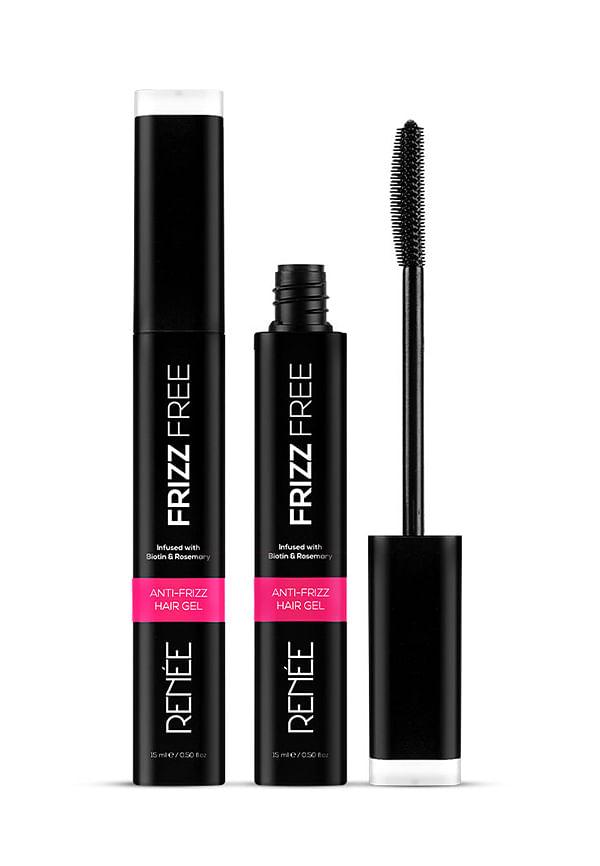
Frizz Free Anti Frizz Hair Gel
This depends on your hair type and lifestyle. If you have oily hair or live in a highly polluted area, washing every alternate day is ideal. For dry or chemically treated hair, every 2-3 days should be sufficient. The key is to keep your scalp clean without stripping your hair of its natural oils. Pay attention to how your hair feels and adjust accordingly—some people might need daily washing during peak monsoon months.
Absolutely! Natural methods can be very effective for controlling monsoon hair fall. Regular scalp massages with lightweight oils like coconut or argan oil improve blood circulation and strengthen hair roots. Eating a protein-rich diet with plenty of vitamins A, C, and E supports hair health from within. Onion juice, though smelly, has been proven to promote hair growth when applied to the scalp twice a week. Green tea rinses can also help reduce hair fall due to their antioxidant properties.
Air drying is ideal, but it's not always practical during monsoon when humidity levels are sky-high. If you must use a blow dryer, use it on the cool setting and keep it moving to prevent heat damage. Microfiber towels are gentler than regular towels for squeezing out excess water. Never rub your hair vigorously with a towel—this causes frizz and breakage. Instead, gently press and squeeze sections of your hair to remove moisture.
Not necessarily, but you should definitely switch to lighter oils and change your application method. Heavy oils like castor oil or thick coconut oil can make your hair feel greasy and attract more dirt during humid weather. Instead, try argan oil, jojoba oil, or grapeseed oil in small quantities. Apply oil to damp hair rather than dry hair for better absorption, and consider pre-wash treatments instead of overnight oiling.
If you get caught in unexpected rain, cover your hair with a scarf, umbrella, or even a plastic bag if that's all you have. Once you're indoors, gently squeeze out excess water and apply a leave-in conditioner to prevent tangling. If possible, rinse your hair with clean water to remove pollutants from rainwater. Don't tie wet hair tightly or brush it aggressively—wait until it's at least 80% dry before detangling.
Look for lightweight moisturising ingredients like hyaluronic acid, glycerin, and aloe vera that hydrate without weighing hair down. Proteins like keratin and silk amino acids help strengthen hair and smooth the cuticle. Anti-humidity ingredients such as cyclomethicone and dimethicone create a protective barrier against moisture. Avoid heavy butters and oils in leave-in products, and steer clear of alcohol-based products that can dry out your hair.
Yes, increased hair fall during monsoon is completely normal and affects most people. The combination of humidity, scalp infections, and seasonal changes can temporarily increase hair shedding. However, if you're losing more than 100-150 strands per day or notice bald patches, it's worth consulting a dermatologist. Most monsoon-related hair fall is temporary and improves once the weather changes and you adjust your hair care routine.
Monsoon haircare doesn't have to be a constant battle against the elements. With the right approach and some smart adjustments to your routine, you can actually have great hair days even when the humidity is through the roof. Remember, it's all about working with your hair's natural tendencies rather than fighting against them.
The key takeaways for surviving monsoon season with your hair intact are pretty straightforward: keep your scalp clean and dry, choose lightweight products that won't weigh your hair down, and embrace protective styling that minimises exposure to humidity. Don't forget that what works for your friend might not work for you—hair is incredibly personal, and finding your perfect monsoon routine might take some experimenting.
Whether you're dealing with unexpected frizz, stubborn oiliness, or increased hair fall, there are solutions that can help you maintain healthy, manageable hair throughout the rainy season. The most important thing is to be patient with your hair and consistent with your care routine. Not sure which products might work best for your specific hair concerns? Smytten offers trial-size versions of many monsoon-friendly haircare products—a smart way to test what works for your hair before investing in full-size bottles.
