Monsoon Hair Loss Reasons FAQ: Understanding Hair Fall in the Rainy Season

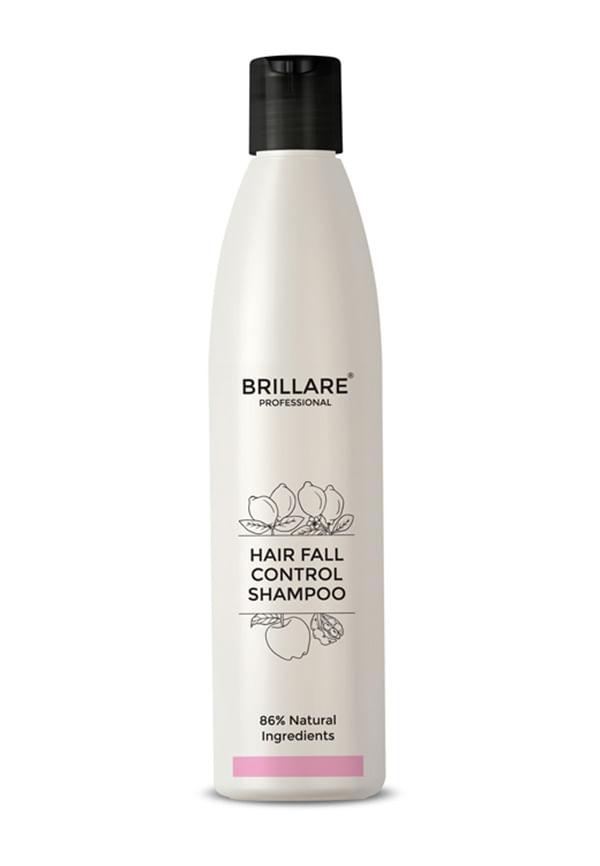
Shampoo To Reduce Seasonal Hair Fall
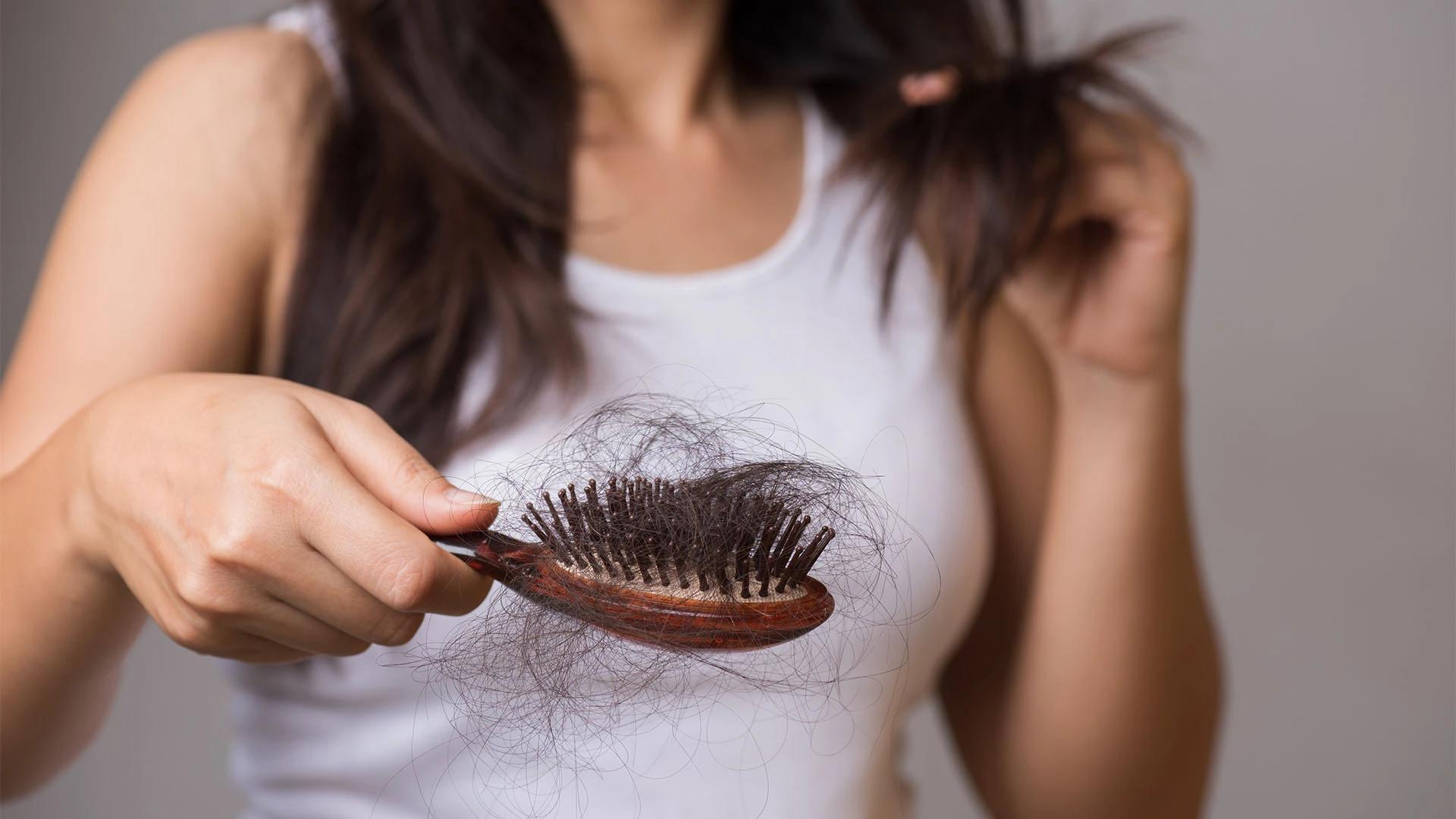
Picture this: you wake up after a particularly humid monsoon night, and your pillow looks like a crime scene of fallen hair strands. Your shower drain is clogged more often than usual, and every time you run your fingers through your hair, you're left holding what feels like half your head. Sound familiar? You're definitely not alone in this rainy season struggle.
The monsoon brings relief from scorching summer heat, but it also brings a whole host of hair problems that can leave you feeling frustrated and worried. From increased hair fall to stubborn scalp issues, the rainy season seems to have it out for our locks. But here's the thing – understanding why this happens is the first step to tackling it head-on.
Let's get real about what's actually happening to your hair during monsoon season. The increased hair fall during monsoon isn't just in your head – it's a genuine phenomenon that affects millions of people across India every year. Research shows that hair fall can increase by up to 30% during the rainy season compared to other times of the year.
Your hair naturally goes through growth cycles, but monsoon conditions create the perfect storm for accelerated hair loss. The combination of high humidity, fluctuating temperatures, and increased moisture exposure disrupts your hair's natural balance. Think of it like this: your hair follicles are basically tiny ecosystems, and monsoon weather throws that ecosystem completely off balance.
Normal hair shedding involves losing about 50-100 strands per day. But during monsoon, you might notice excessive hair fall monsoon patterns where you're losing significantly more. This happens because the hair shaft becomes weaker, the scalp environment changes, and your hair's natural protective barriers get compromised.
The main monsoon hair loss reasons include humidity-induced swelling of hair strands, increased scalp infections, overactive oil glands, and weakened hair roots due to constant moisture exposure. Each of these factors works together to create what feels like a hair fall nightmare, but understanding them helps you fight back effectively.
Here's where things get interesting from a scientific perspective. Humidity and hair loss are more connected than you might think. When the air is loaded with moisture – which is basically monsoon season in a nutshell – your hair absorbs that moisture like a sponge.
Hair strands are made up of protein structures that can expand and contract based on moisture levels. During high humidity, your hair shaft swells as it absorbs water from the environment. This constant swelling and contracting weakens the hair structure, making it more prone to breakage and fall. It's like repeatedly stretching a rubber band – eventually, it loses its strength and snaps.
The hydrogen bonds in your hair also get disrupted by excess moisture, which is why you experience monsoon hair thinning. These bonds are crucial for maintaining hair strength and structure. When they're constantly being broken and reformed due to humidity changes, your hair becomes fragile and more likely to fall out.
Atmospheric pressure changes during monsoon season also affect blood circulation to your scalp. Poor circulation means fewer nutrients reaching your hair follicles, which can contribute to weakened hair growth and increased shedding. Your scalp basically becomes a less hospitable environment for healthy hair growth.
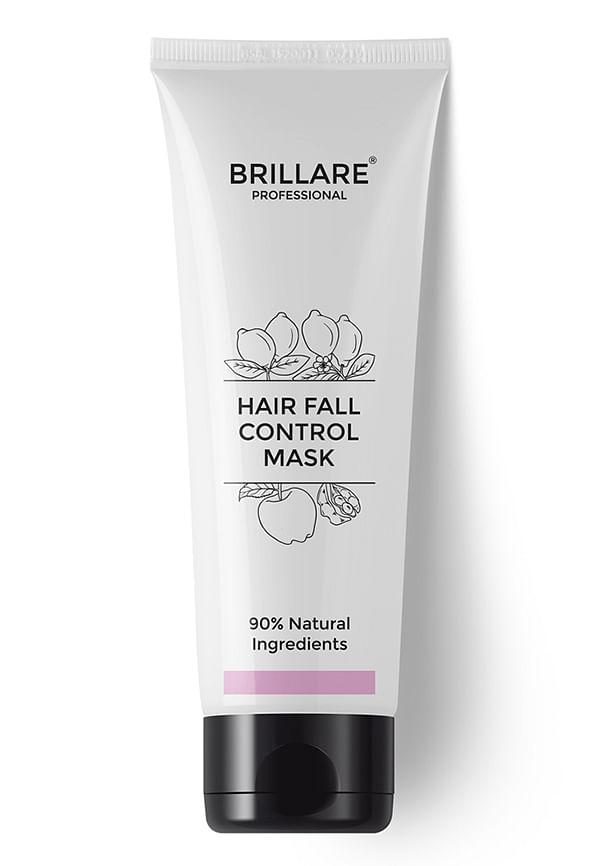
Conditioner To Reduce Seasonal Hair Fall
Now that we've covered the science, let's dive into the specific causes of hair loss in rainy season that you're probably dealing with right now. These factors often work together, creating a cascade effect that leads to noticeable hair problems during monsoon.
Monsoon season is basically party time for bacteria and fungi on your scalp. The warm, moist environment creates perfect breeding conditions for microorganisms that can cause scalp infections monsoon hair issues. Dandruff becomes more stubborn, and you might notice increased itching or flaking.
Fungal infections like seborrheic dermatitis become more common during rainy season because fungi thrive in humid conditions. These infections can inflame hair follicles, leading to hair fall and sometimes even temporary bald patches. The constant scratching from itchy scalp conditions also contributes to mechanical hair breakage.
Your sebaceous glands go into overdrive during monsoon, leading to oily scalp hair loss problems. The humidity tricks your scalp into thinking it needs to produce more oil to protect itself, but this backfires spectacularly. Excess oil mixes with dirt, sweat, and dead skin cells to create a cocktail that clogs your hair follicles.
Clogged follicles can't support healthy hair growth, and existing hair becomes weaker at the roots. This is why you might notice your hair feeling greasier faster during monsoon, even if you're washing it regularly. The oil buildup also creates an environment where harmful bacteria can flourish, adding to your hair woes.
Hair breakage monsoon issues are incredibly common because moisture makes your hair more fragile. When hair absorbs excess moisture, it becomes more elastic but also more prone to snapping. This is especially noticeable if you have chemically treated or damaged hair to begin with.
Frizzy hair monsoon problems also contribute to breakage because tangled, frizzy hair is more likely to break when you're brushing or styling it. The constant battle against humidity can lead to over-manipulation of your hair, causing mechanical damage that results in breakage and apparent hair loss.
The dramatic increase in hair fall during monsoon happens because multiple factors hit your hair simultaneously. High humidity weakens hair structure, increased scalp infections disrupt follicle health, and excess oil production clogs pores. Your hair is essentially under attack from all sides. Normal monsoon hair loss can range from 100-150 strands per day, but if you're losing significantly more or noticing bald patches, it's worth consulting a dermatologist.
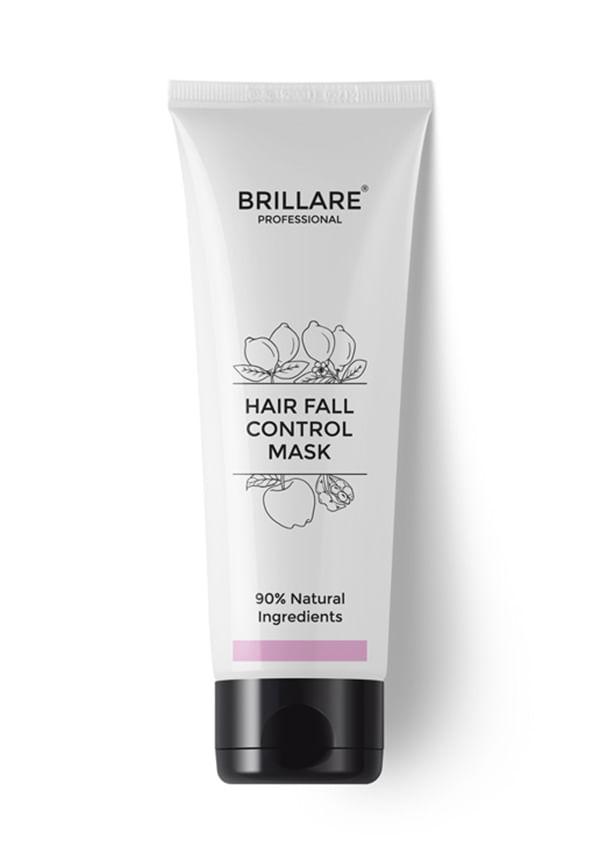
Hair Fall Control Mask To Reduce Seasonal Hair Fall
Most monsoon-related hair fall is temporary and will regrow naturally once the season ends and you address the underlying causes. Hair has a natural growth cycle, and seasonal shedding typically resolves within 2-3 months after monsoon ends. However, if the hair loss was caused by scalp infections or severe follicle damage, regrowth might take longer and may require targeted treatment.
In India, hair fall typically peaks during monsoon season (June to September) due to high humidity and increased scalp infections. However, the transition periods between seasons – particularly post-monsoon (October-November) and pre-summer (March-April) – also see increased shedding as your hair adjusts to changing environmental conditions. Coastal areas experience more prolonged humidity-related hair issues compared to drier inland regions.
Monsoon hair loss is typically more sudden and seasonal compared to genetic or hormonal hair loss patterns. It often affects the entire scalp rather than specific areas, and you'll usually notice other symptoms like increased oiliness, dandruff, or scalp irritation. The good news is that seasonal hair loss is usually reversible with proper care.
Monsoon hair fall typically lasts throughout the rainy season and can continue for 4-6 weeks after humidity levels normalise. The duration depends on your hair's condition before monsoon, how well you maintain your hair care routine, and whether you develop any scalp infections that need treatment.
Recognising the signs of monsoon-related hair problems early can help you take action before things get worse. Excessive hair fall monsoon symptoms go beyond just seeing more hair in your brush or on your pillow.
Visual signs include noticeably thinner ponytails, wider hair partings, and more scalp visibility when your hair is styled. You might also notice that your hair feels different – less voluminous, greasier faster, or more prone to tangling. Hair problems during monsoon often come with scalp symptoms too, like increased itching, flaking, or even small bumps or irritation.
Warning signs that require professional attention include sudden bald patches, severe scalp inflammation, hair loss accompanied by pain or burning sensations, and hair fall that doesn't improve even with proper care. If you're losing more than 150-200 strands per day consistently, or if the hair loss continues well after monsoon season ends, it's time to consult a dermatologist.
Keep track of your hair loss patterns by doing a simple pull test – gently tug a small section of hair. If more than 2-3 strands come out easily, you might be experiencing excessive shedding. Also, pay attention to the texture and appearance of fallen hair. Broken hair pieces with uneven ends indicate breakage, while hair with white bulbs at the root suggests natural shedding.
The best defence against monsoon hair loss is a good offence. Start preparing your hair before the rainy season hits by strengthening your hair and scalp health. Deep conditioning treatments, protein masks, and scalp massages can help fortify your hair against upcoming humidity challenges.
During monsoon, adjust your hair care routine to combat the specific challenges of the season. Wash your hair more frequently if you have an oily scalp – every other day might be necessary instead of twice a week. Use a clarifying shampoo once a week to remove buildup, but follow up with a moisturising conditioner to prevent over-drying.
Natural remedies can be incredibly effective for monsoon hair care. Neem oil has antifungal properties that help combat scalp infections. Tea tree oil mixed with a carrier oil can reduce excess oil production and fight bacteria. Aloe vera gel soothes irritated scalps and provides moisture without weighing hair down.
Diet plays a crucial role in hair health during challenging seasons. Increase your intake of protein, iron, and vitamins B and D. Foods like eggs, leafy greens, nuts, and fish support hair strength from the inside out. Stay hydrated and consider supplements if your diet lacks essential nutrients.
Protect your hair from direct rain exposure by using umbrellas or scarves. When your hair does get wet, don't leave it damp for extended periods as this encourages bacterial growth. Gentle towel drying and air drying when possible are better than aggressive rubbing or high-heat styling.
Once monsoon season ends, your hair needs time and care to recover from the seasonal stress. Post-monsoon is actually an excellent time to focus on rebuilding hair strength and addressing any damage that occurred during the rainy months.
Start with a thorough scalp detox to remove any lingering buildup or residual effects from increased oil production. Use gentle exfoliating treatments or clarifying shampoos to reset your scalp environment. Follow this with intensive conditioning treatments to restore moisture balance and repair any damage to hair strands.
Consider this recovery period as an investment in your hair's future resilience. Regular protein treatments can help rebuild hair strength, while scalp massages improve circulation and encourage healthy regrowth. This is also a good time to trim any damaged ends and start fresh with healthier hair.
Create a seasonal hair care calendar to prepare for next year's monsoon. Start strengthening treatments a month before rainy season begins, maintain consistent care during monsoon, and focus on recovery afterwards. This cyclical approach helps your hair become more resilient to seasonal challenges over time.
Monsoon hair loss might feel overwhelming when you're in the thick of it, but remember that it's largely temporary and manageable with the right approach. Understanding the science behind why your hair behaves differently during rainy season empowers you to take targeted action rather than just hoping for the best.
The key is consistency in your hair care routine and patience with the recovery process. Your hair didn't become problematic overnight, and it won't recover overnight either. But with proper care, most people see significant improvement within a few weeks of implementing targeted monsoon hair care strategies.
If you're looking to experiment with different hair care products to find what works best for your monsoon hair challenges, Smytten's curated selection includes trial-size versions of many haircare products from trusted brands. It's a practical way to test different formulations and ingredients without committing to full-size bottles – especially helpful when you're trying to figure out what your hair needs during this tricky season.
