Monsoon Hair Care Tips FAQ: Your Questions Answered

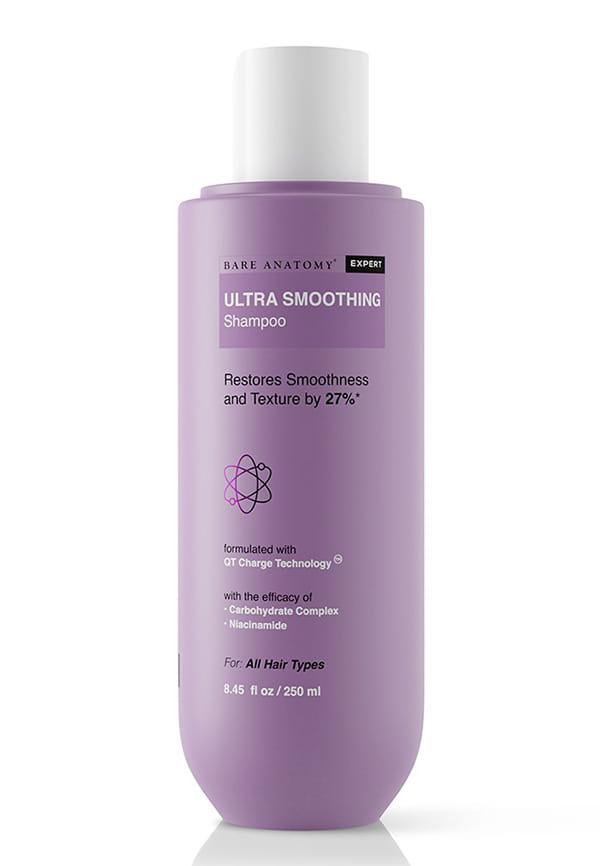
Expert Ultra Smoothing Shampoo To Restore Smoothness, Repair Damaged Hair And Locks In Moisture
Let's be real — monsoon season is basically your hair's villain origin story. One minute you're stepping out with perfectly styled locks, and the next you're dealing with a frizzy, oily, or limp mess that seems impossible to tame. The humidity hits different, the unexpected downpours catch you off guard, and suddenly your usual haircare routine feels completely useless. If you've been wondering why your hair seems to have a personal vendetta against rainy weather, you're definitely not alone. From increased hair fall to that stubborn frizz that no amount of serum seems to fix, monsoon brings its own unique set of challenges that need proper solutions.
Understanding what's actually happening to your hair during monsoon can help you tackle the problems more effectively. The combination of high humidity, polluted rainwater, and sudden temperature changes creates the perfect storm for hair disasters.
When humidity levels spike to 80-90% during monsoon, your hair becomes a moisture magnet. The hair shaft absorbs this excess moisture, causing it to swell and making the cuticles lift. This is why your hair feels rougher and looks frizzier on humid days. The hydrogen bonds in your hair also become unstable, which explains why your carefully styled hair falls flat or becomes unmanageable within minutes of stepping outside.
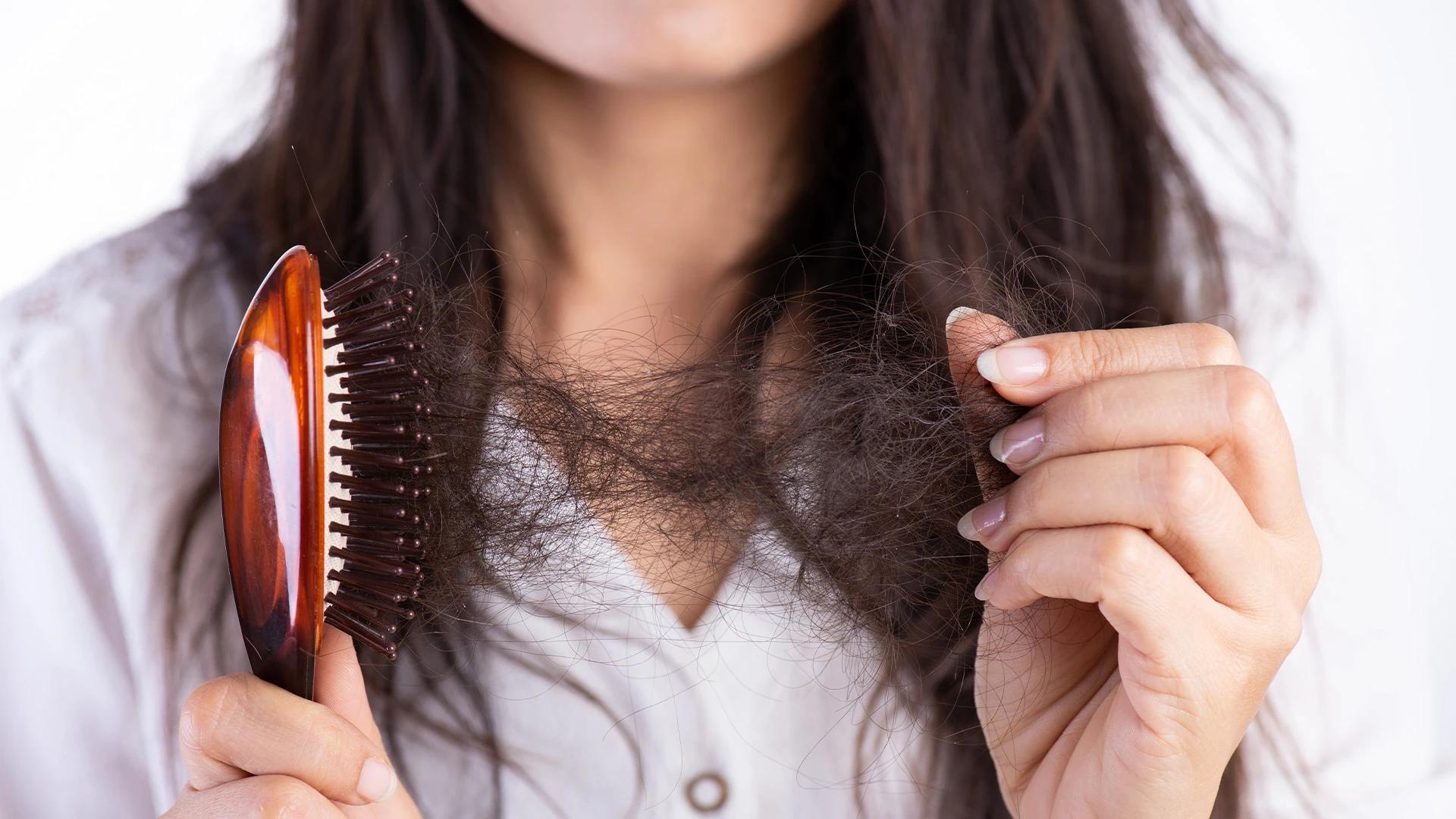
Monsoon hair problems are pretty universal, but they hit everyone differently. Excessive frizz tops the list — your hair literally drinks up moisture from the air and rebels against any styling attempts. Hair fall monsoon season brings is another major concern, as the combination of humidity and scalp infections weakens hair follicles. Then there's the oily scalp monsoon weather triggers, where your scalp overproduces sebum to compensate for the moisture imbalance. Some people also deal with dry hair monsoon paradox, where the ends become parched while the scalp gets greasy.
Your regular haircare routine needs a serious upgrade during monsoon. Think of it as switching from summer clothes to winter gear — you need different strategies for different weather conditions.
Here's something most people don't realise — rainwater isn't the pure, natural cleanser it used to be. Modern rainwater is acidic and loaded with pollutants that can seriously damage your hair. The pH imbalance strips your hair's natural oils and leaves it vulnerable to breakage. Always carry an umbrella, use a silk scarf, or invest in a good raincoat with a hood. If your hair does get wet, rinse it with clean water as soon as possible to remove any pollutants.
Daily washing during monsoon is a trap many people fall into, thinking it'll keep their hair clean. Actually, over-washing strips your scalp's natural oils, causing it to produce even more sebum to compensate. Stick to washing 2-3 times a week with a sulfate-free, mild shampoo. Focus the shampoo on your scalp rather than the lengths, and always follow up with a lightweight conditioner on the mid-lengths and ends.
Hair fall during monsoon isn't just about the weather — it's about how the humidity affects your scalp health and hair structure. The good news is that most monsoon-related hair fall is temporary and manageable with the right approach.
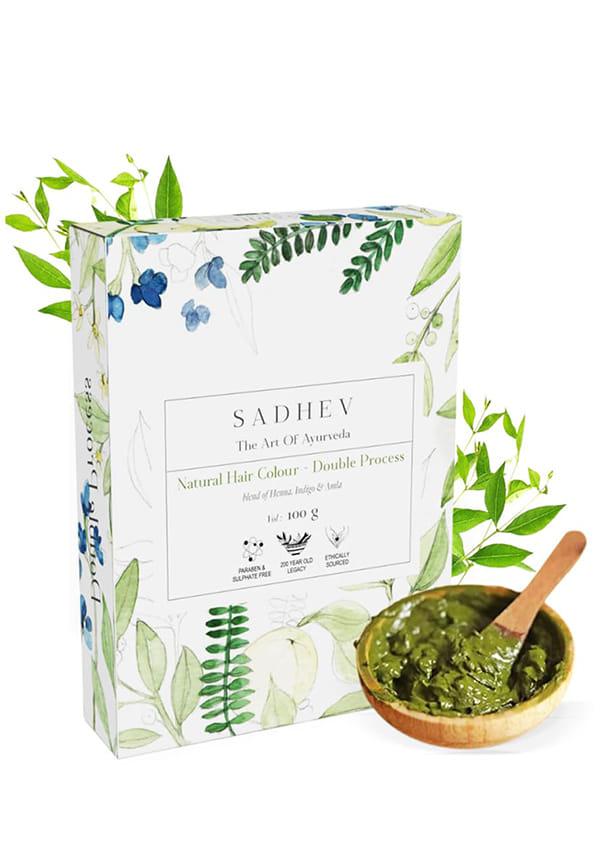
Natural Hair Colour - Single Process - Henna, Indigo & Amla 100gm
Oiling your hair is crucial during monsoon, but the timing matters. Skip the overnight oil treatments — they attract dust and create a breeding ground for fungal infections in humid weather. Instead, apply oil 30 minutes before washing. Coconut oil works brilliantly for most hair types, while almond oil is perfect for fine hair, and olive oil suits thick, coarse hair. Massage gently into your scalp to improve blood circulation, but don't go overboard.
Wet hair is at its most vulnerable state, and aggressive brushing can cause serious breakage. Always use a wide-toothed comb and start detangling from the ends, working your way up to the roots. A microfiber towel is worth investing in — it absorbs moisture without creating friction that damages your hair cuticles. Regular terry cloth towels can actually make frizz worse.
Frizzy hair monsoon season brings can feel impossible to manage, but it's all about working with your hair's natural texture rather than fighting against it. The key is maintaining the right moisture balance without weighing your hair down.
Heavy creams and oils will make your hair look greasy in humid weather. Instead, opt for lightweight leave-in conditioners or anti-frizz serums that contain silicones — they create a protective barrier against humidity. Apply these products only to the mid-lengths and ends, avoiding the roots. Look for ingredients like glycerin and hyaluronic acid that help maintain moisture balance without heaviness.
Using heat tools during monsoon is basically pointless — the humidity will undo all your hard work within minutes. Embrace air-drying techniques instead. For wavy or curly hair, try the plopping method with a cotton t-shirt. For straight hair, apply a heat protectant even when air-drying, as it provides humidity protection too.
An oily scalp monsoon season brings is one of the most frustrating issues because it seems to get worse no matter what you do. The trick is finding the right balance between cleansing and not over-stripping your scalp.
Your scalp produces more oil during monsoon as a protective mechanism against humidity and pollutants. Clay-based treatments once a week can help absorb excess oil without being too harsh. Bentonite clay or multani mitti mixed with rose water makes an excellent scalp mask. For in-between wash days, dry shampoo can be a lifesaver, but use it sparingly to avoid product buildup.
The combination of humidity and oil creates the perfect environment for fungal infections. Always ensure your scalp is completely dry after washing — use a blow dryer on cool setting if needed. Look for shampoos with antifungal ingredients like tea tree oil, neem, or zinc pyrithione. If you notice persistent itching, flaking, or any unusual scalp conditions, don't hesitate to consult a dermatologist.
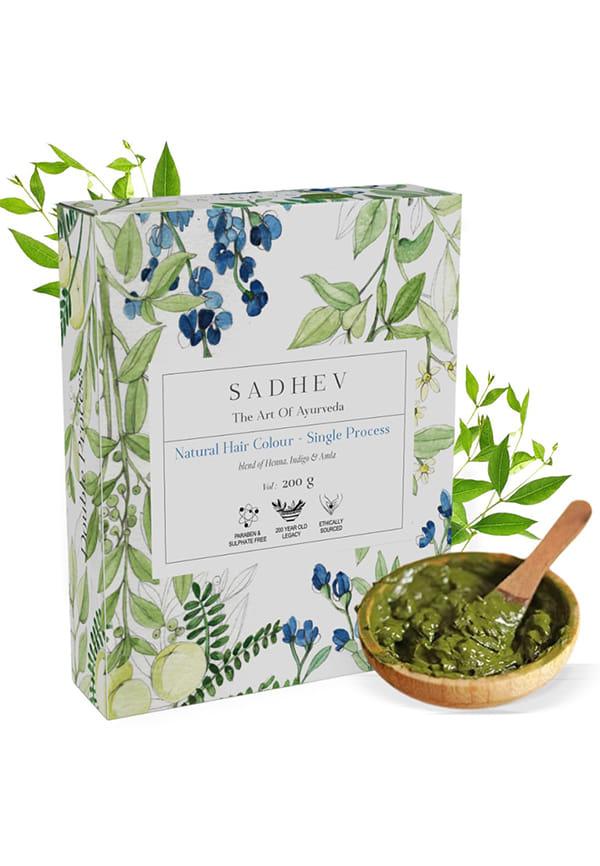
Natural Hair Colour - Single Process - Henna, Indigo & Amla 200gm
Sometimes the best monsoon hair solutions are sitting right in your kitchen. These natural treatments can complement your regular haircare routine without breaking the bank.
An egg and honey mask provides protein to strengthen hair weakened by humidity. Mix one egg with two tablespoons of honey and apply to damp hair for 20 minutes before shampooing. For oily scalps, a yogurt and lemon mask works wonders — the lactic acid in yogurt gently exfoliates while lemon balances oil production. Aloe vera gel straight from the plant is brilliant for frizz control and adds moisture without heaviness.
Apple cider vinegar rinse helps balance your scalp's pH and removes product buildup that's common during humid weather. Mix two tablespoons with a cup of water and use as a final rinse. Green tea rinse is packed with antioxidants that promote hair growth and can help with hair fall monsoon brings. Rice water treatment has gained popularity for good reason — it strengthens hair and adds shine without weighing it down.
Not all hair types react the same way to monsoon weather. Your haircare during monsoon should be tailored to your specific hair texture and concerns for the best results.
Curly hair actually has an advantage during monsoon — the humidity can enhance your natural texture if you work with it properly. The plopping technique using a cotton t-shirt helps define curls without creating frizz. Choose gel over cream products as they provide better hold in humid conditions. A satin pillowcase reduces friction while you sleep, preventing morning frizz.
Fine hair gets weighed down easily during monsoon, making it look flat and lifeless. Use volumising products that won't add heaviness — mousse works better than cream-based products. Avoid applying conditioner to your roots, and consider root-lifting techniques like blow-drying with your head upside down. Skip heavy oils and opt for lightweight hair oils instead.
Thick hair needs more moisture during monsoon to prevent dryness and frizz. Deep conditioning treatments once a week are essential, but make sure to rinse thoroughly to avoid buildup. Section your hair when applying products to ensure even distribution. Your hair will take longer to dry in humid weather, so plan accordingly and avoid going to bed with damp hair.
Most hair types benefit from washing 2-3 times per week during monsoon season. If you have very oily hair, you might need to wash every other day, while dry or chemically treated hair can go with washing just 1-2 times weekly. The key is listening to your scalp and adjusting accordingly.
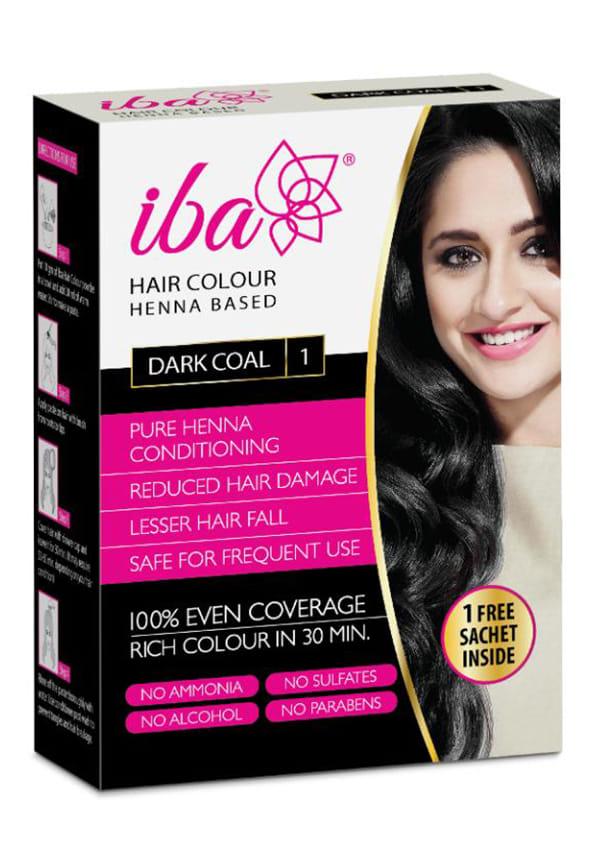
Halal Care Hair Colour
Choose sulfate-free, mild shampoos with antifungal properties during monsoon. Look for ingredients like tea tree oil, neem, or zinc pyrithione that help maintain scalp health. Avoid clarifying shampoos unless you have significant product buildup, as they can be too stripping for regular use.
Humidity levels of 80-90% during monsoon cause your hair to absorb excess moisture from the air. This makes the hair shaft swell and cuticles lift, creating that frizzy, unmanageable texture. The hydrogen bonds in your hair also become unstable in high humidity.
Use natural oils for pre-wash treatments, apply DIY masks weekly using kitchen ingredients, avoid heat styling tools, and always keep your hair covered during rain. Natural rinses like apple cider vinegar or green tea can also help maintain scalp health.
No, overnight oiling during monsoon isn't recommended. The combination of oil and humidity attracts dust and creates an environment for fungal growth. Limit oil treatments to 30 minutes before washing for the best results.
Focus on gentle handling of wet hair, use pre-wash oil treatments, maintain scalp hygiene, and ensure your hair is completely dry before styling. Regular scalp massages improve blood circulation, which can help reduce hair fall.
Air-drying is ideal, but if you must use heat, opt for the cool setting on your blow dryer. Use a microfiber towel to gently squeeze out excess water, and never rub your hair vigorously with a regular towel as this causes frizz and breakage.
Your hair's needs change with the weather, so your products should too. Switch to lighter formulations during monsoon — lightweight leave-in conditioners instead of heavy creams, and gel-based products instead of oil-based ones for styling.
Monsoon haircare is all about adapting your routine to work with the weather rather than against it. The high humidity, polluted rainwater, and sudden temperature changes require a different approach than your regular haircare routine. Focus on gentle cleansing, lightweight moisture, and protection from environmental damage. Remember that most monsoon hair problems are temporary and manageable with the right techniques and products. Whether you're dealing with frizzy hair, oily scalp, or increased hair fall, the key is consistency and patience. Not sure which products might work best for your specific hair concerns? Smytten offers trial-size versions of many haircare products from trusted brands — a smart way to test what works for your hair before committing to full-size bottles.
