Monsoon Hair Care FAQ: Your Questions Answered


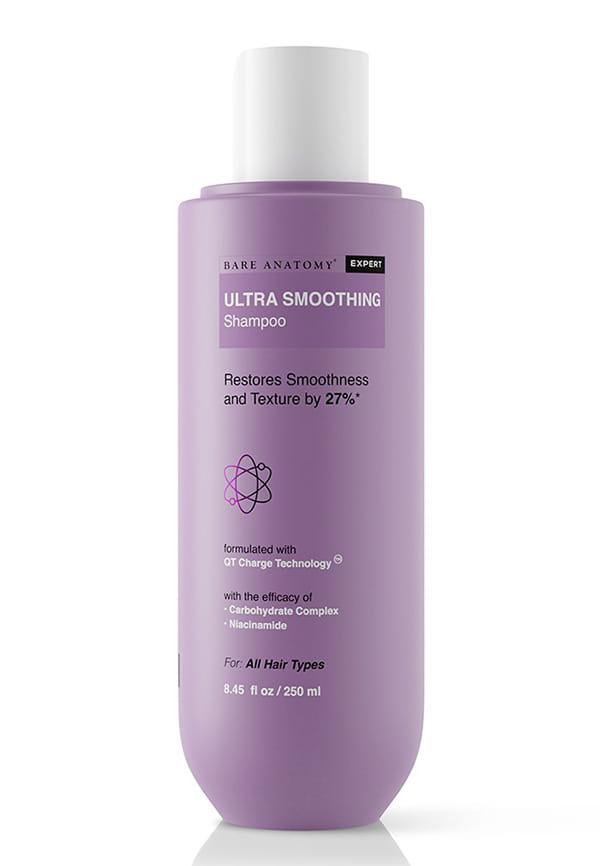
Expert Ultra Smoothing Shampoo To Restore Smoothness, Repair Damaged Hair And Locks In Moisture
The first drops of monsoon rain hit your window, and you know what's coming next—your hair's about to have a complete meltdown. One day it's frizzy beyond recognition, the next it's flat and greasy, and don't even get us started on the hair fall situation. If you've been wondering whether your hair will ever survive another rainy season, you're definitely not alone. The good news? With the right approach and some solid monsoon hair care tips, you can actually keep your hair looking decent (and maybe even great) through all that humidity.
Let's be real—monsoon season is basically your hair's worst enemy. The moment humidity levels spike, your hair structure changes completely. When there's excess moisture in the air, your hair shaft swells up, which breaks down the bonds that keep your hair smooth and manageable. This is why you wake up looking like you've been electrocuted, even when you went to bed with perfectly styled hair.
Hair problems during monsoon aren't just about bad hair days though. The constant dampness creates the perfect breeding ground for scalp infections, while the humidity makes your sebaceous glands work overtime, leading to that greasy scalp situation nobody wants. Plus, the atmospheric pressure changes during monsoons can actually weaken your hair follicles, which explains why you're finding more hair in your brush than usual.
In India, monsoon hair issues get even more intense because of our specific climate patterns. The combination of high humidity, sudden temperature drops, and pollution creates a triple threat for your hair. Your scalp produces more oil to protect itself from the moisture, but this excess oil mixed with environmental pollutants can clog your hair follicles and lead to increased hair fall.
The signs that your hair needs extra monsoon care are pretty obvious—persistent frizz that no amount of serum seems to tame, hair that feels limp and lifeless, an itchy or flaky scalp, and definitely more hair coming out when you wash or brush. If you're ticking multiple boxes here, it's time to switch up your routine.
Frizz control for monsoon hair starts way before you even think about styling. The key is creating a protective barrier that keeps excess moisture from penetrating your hair shaft while still maintaining the right level of hydration. Think of it like waterproofing your hair—you want to keep the bad moisture out while locking the good moisture in.
Oiling your hair before washing becomes absolutely crucial during monsoons, but the timing and technique matter more than you think. Apply coconut, sesame, or almond oil to your scalp and hair about 30 minutes before washing—not hours before like you might do in other seasons. The goal is to create a protective layer without letting the oil sit long enough to attract more dirt and pollution.
Here's where most people get it wrong—they either wash too much or too little during monsoons. For most hair types, washing every alternate day works best during rainy season. If you have very oily hair, daily washing with a gentle shampoo is fine, but if your hair is dry or chemically treated, stick to 2-3 times a week max. Use lukewarm water instead of hot water, which can strip your hair of natural oils and make frizz worse.
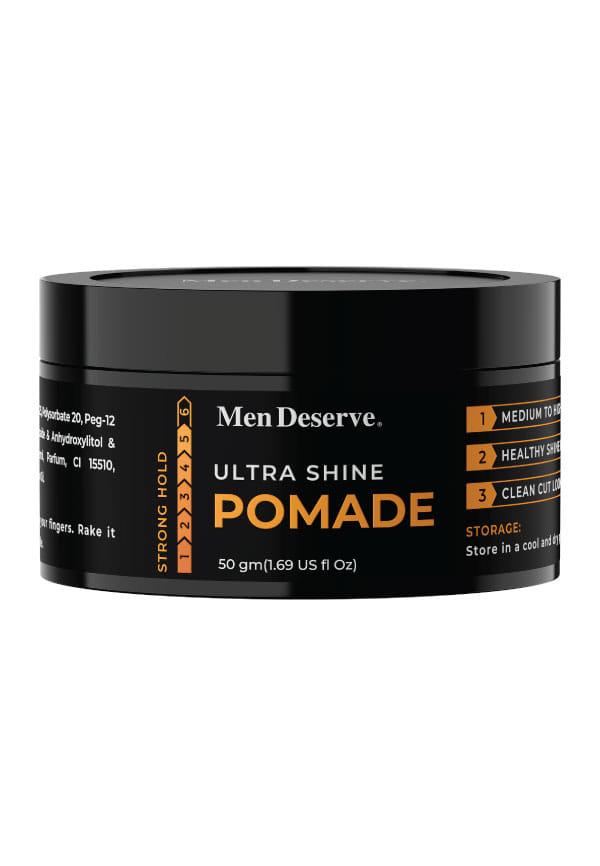
Hair Styling Ultra Shine Pomade for Strong Hold and Wet Look Hairstyle
Never, and we mean never, step out with damp hair during monsoons. Wet hair is more vulnerable to damage, and the extra moisture will just make frizz worse. If you don't have time for a full blow-dry, at least get your roots completely dry. Use a microfibre towel or cotton t-shirt to gently squeeze out excess water—regular towels can rough up your hair cuticles and create more frizz.
Preventing hair fall in monsoon requires a multi-pronged approach because the causes are varied. The increased humidity affects your scalp's pH balance, making it more alkaline, which can weaken hair follicles. At the same time, the constant dampness can lead to fungal infections that directly impact hair growth.
Your scalp needs to breathe, especially during monsoons. Make sure you're not using heavy products that can clog pores, and consider using a clarifying shampoo once a week to remove buildup. Dealing with oily scalp in monsoon means finding the right balance—you need to control excess oil without over-cleansing, which can trigger even more oil production.
Hair strengthening for humid weather involves both internal and external care. Protein treatments become essential during monsoons because the humidity can break down the protein structure in your hair. Use a protein mask once a week, but follow it up with a moisturising treatment to prevent your hair from becoming brittle. Deep conditioning treatments help seal the hair cuticle, creating a barrier against humidity.
Don't underestimate the power of nutrition during monsoon season. Your hair needs extra support to deal with environmental stress, so load up on biotin, iron, and omega-3 fatty acids. Also, try to keep stress levels in check—monsoon season can be emotionally draining for many people, and stress directly impacts hair health.
An oily scalp during monsoons is basically inevitable, but managing it doesn't have to be a nightmare. The trick is understanding that your scalp is producing more oil as a protective mechanism against the humidity. Fighting this natural process too aggressively will only make things worse.
For keeping hair healthy in rainy season with an oily scalp, focus on gentle, frequent cleansing rather than harsh, infrequent washing. Use a shampoo with salicylic acid or tea tree oil to help control oil production without completely stripping your scalp. Clay masks once a week can help absorb excess oil and remove impurities, but don't overdo it—your scalp still needs some natural oils to stay healthy.
Product selection becomes crucial when dealing with oily scalp conditions. Avoid heavy creams and oils near your roots, and look for lightweight, water-based products instead. Dry shampoo can be your best friend on days when you can't wash your hair, but use it sparingly and make sure to brush it out completely.
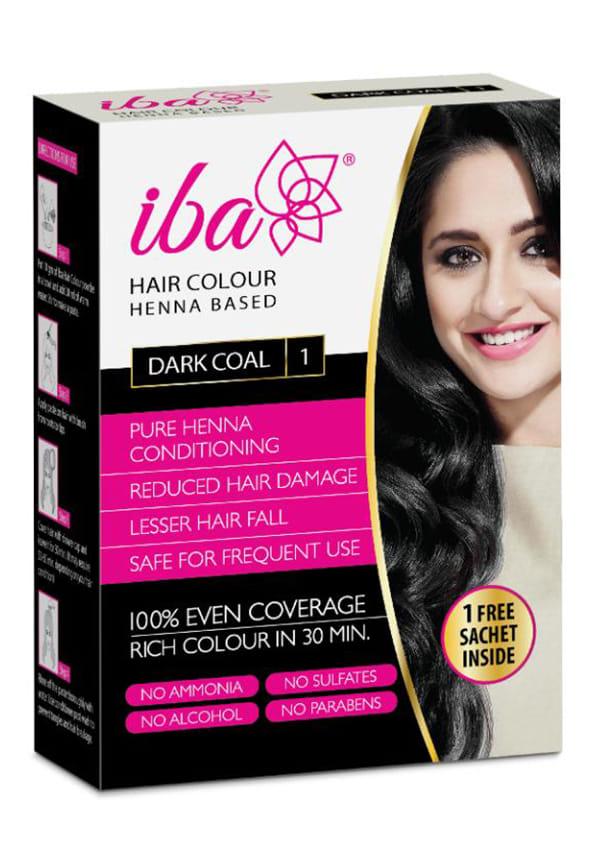
Halal Care Hair Colour
Sometimes the best solutions are sitting right in your kitchen. Natural remedies for monsoon hair can be incredibly effective, especially when you're dealing with scalp sensitivity from all the humidity and product buildup.
Fenugreek seeds soaked overnight and ground into a paste make an excellent protein treatment for monsoon-damaged hair. Mix it with yogurt for added moisture and apply it as a mask once a week. Neem leaves have antifungal properties that can help prevent scalp infections common during monsoons—boil them in water and use the cooled liquid as a final rinse.
Green tea isn't just good for drinking—it makes an excellent rinse for oily hair during monsoons. The antioxidants help control oil production while adding shine. Hibiscus flowers and curry leaves can be boiled together to create a strengthening rinse that helps prevent hair fall. Apple cider vinegar diluted in water helps restore your scalp's pH balance, which often gets disrupted during humid weather.
Sometimes home care isn't enough, especially if you're dealing with severe monsoon hair damage. Monsoon hair spa treatments can provide intensive repair that's hard to achieve at home. Keratin treatments, for instance, can help seal your hair cuticles and provide long-lasting frizz control throughout the rainy season.
Scalp detox therapies are particularly beneficial during monsoons because they can remove deep-seated buildup that regular shampooing might miss. These treatments often include steam therapy and specialised masks that can reset your scalp health. Protein reconstruction treatments can help repair damage caused by humidity and environmental stress.
When choosing professional treatments, consider your hair's current condition and your budget. A good salon consultation can help you determine whether you need intensive repair or just maintenance treatments. Remember that professional treatments work best when combined with a solid home care routine.
Start with a gentle cleansing routine using lukewarm water and a mild shampoo every alternate day. Always apply a leave-in conditioner to damp hair, focusing on mid-lengths and ends. Keep your scalp dry and clean, avoid heavy styling products, and never step out with wet hair. Regular oiling 30 minutes before washing helps create a protective barrier against humidity.
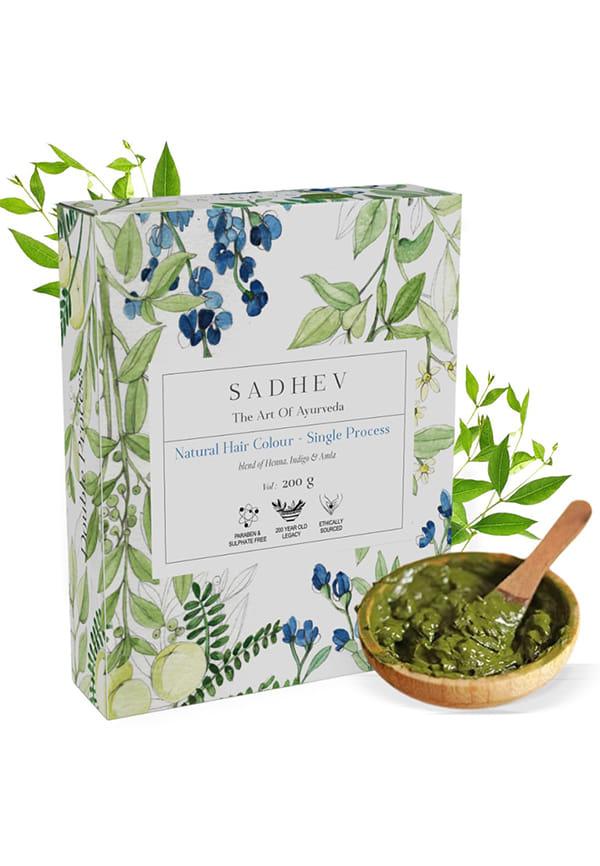
Natural Hair Colour - Single Process - Henna, Indigo & Amla 200gm
On particularly humid or rainy days, opt for protective hairstyles like braids, buns, or ponytails that keep your hair contained and prevent frizz. Use anti-humidity serums or leave-in treatments before styling. If you get caught in the rain, gently blot your hair with a microfibre towel and avoid touching it until it's completely dry.
This depends on your hair type and scalp condition. For normal to oily hair, washing every alternate day works well. If you have very oily hair or an active lifestyle, daily washing with a gentle shampoo is fine. For dry or chemically treated hair, limit washing to 2-3 times per week and focus on keeping the scalp clean while moisturising the lengths.
Look for shampoos with clarifying ingredients like salicylic acid or tea tree oil if you have an oily scalp. For frizzy hair, choose shampoos with moisturising ingredients like argan oil or shea butter. Avoid sulfate-heavy shampoos that can strip your hair of natural oils. Anti-dandruff shampoos with zinc pyrithione can help if you're dealing with scalp issues.
Yes, monsoon season can increase hair fall due to several factors. High humidity weakens hair follicles, excess moisture can lead to scalp infections, and atmospheric pressure changes affect hair growth cycles. The combination of pollution and humidity also creates an environment where hair becomes more fragile and prone to breakage.
Indian monsoons require specific strategies due to high pollution levels and intense humidity. Use a clarifying shampoo weekly to remove pollution buildup, apply anti-humidity serums before stepping out, and consider protective hairstyles during peak monsoon months. Regular scalp massages with antifungal oils like neem or tea tree can prevent common monsoon scalp issues.
Monsoon hair care doesn't have to be a losing battle. With the right combination of gentle cleansing, protective styling, and targeted treatments, you can actually maintain healthy, manageable hair throughout the rainy season. The key is being consistent with your routine and adjusting your approach based on how your hair responds to the changing weather.
Remember that what works for your friend might not work for you—hair care during rainy season is highly individual. Pay attention to how your hair and scalp react to different products and techniques, and don't be afraid to switch things up if something isn't working. Whether you prefer natural remedies or professional treatments, the most important thing is finding a routine you can stick to consistently.
If you're still figuring out which products work best for your monsoon hair concerns, Smytten's curated selection of haircare brands offers trial-size versions of many popular products. This way, you can test different formulations and find your perfect monsoon hair routine without committing to full-size bottles—especially helpful when you're trying to navigate the tricky world of humidity-proof haircare.
