Managing Wet Hair FAQ: Your Questions Answered

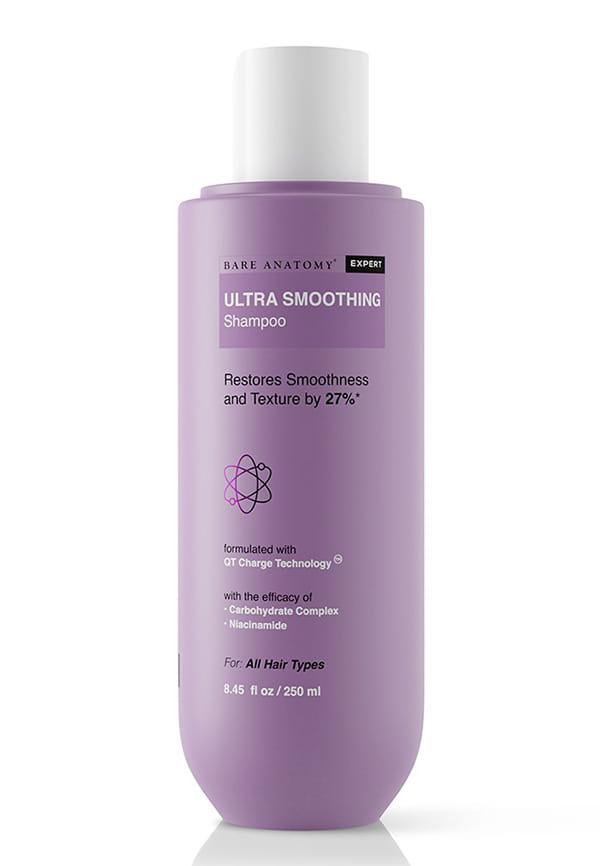
Expert Ultra Smoothing Shampoo To Restore Smoothness, Repair Damaged Hair And Locks In Moisture
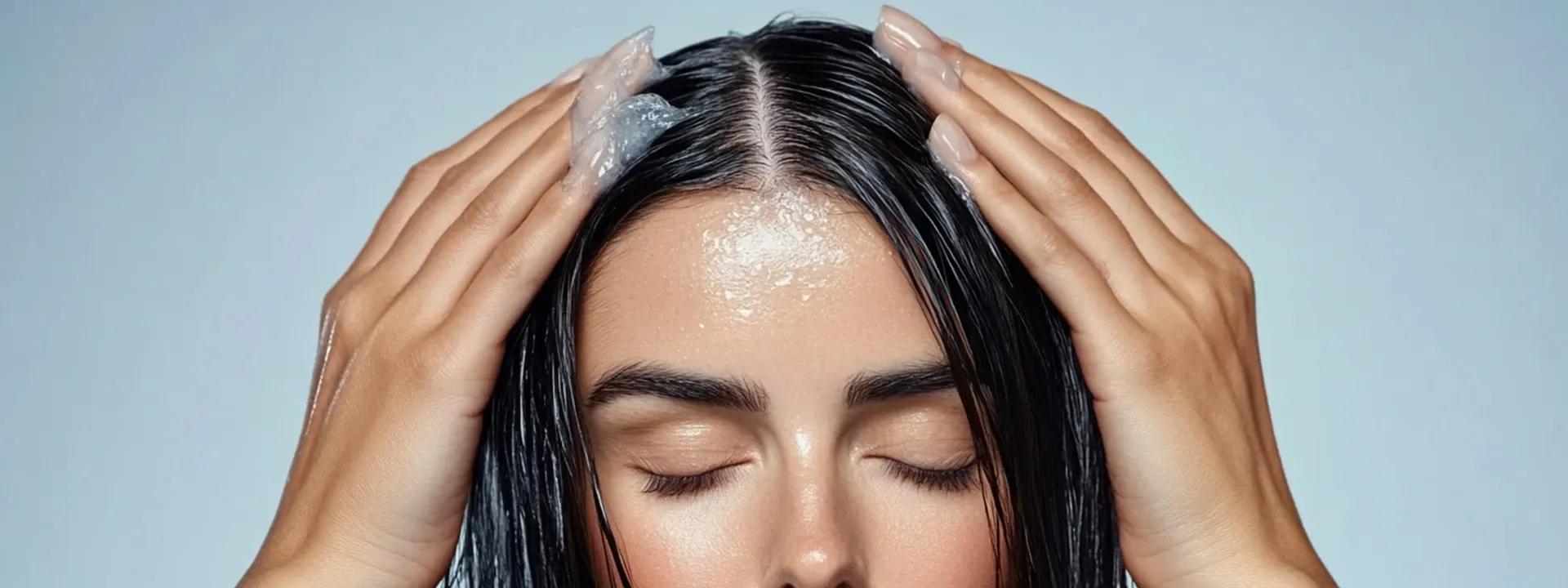
Picture this: you've just stepped out of the shower, hair dripping wet, and you're about to make one of the biggest haircare mistakes without even realising it. Most of us treat wet hair like it's just a slightly damp version of dry hair, but here's the thing — wet hair is actually at its most vulnerable state. When your strands are saturated with water, they're up to three times more prone to breakage than when dry. The hair cuticle swells, protein bonds weaken, and what seems like a simple towel dry can actually cause lasting damage. If you've ever wondered why your hair feels weaker, looks frizzier, or breaks more easily, your wet hair routine might be the culprit. Let's dive into the most common questions about managing wet hair and get you the answers that'll actually make a difference.
When water penetrates your hair shaft, it doesn't just sit on the surface — it actually changes the entire structure of your strands. The hair cuticle, which normally lies flat like overlapping roof tiles, swells and lifts when wet. This creates a rougher surface that's more prone to tangling and friction damage. At the same time, the hydrogen bonds that give your hair its strength temporarily weaken, making each strand more elastic and fragile.
This is why wet hair care isn't just about getting your hair dry — it's about protecting those vulnerable strands during their most delicate state. The way you handle your hair in those first few minutes after washing can determine whether you're building stronger, healthier hair or unknowingly causing damage that accumulates over time.
Research shows that wet hair can stretch up to 30% of its original length before breaking, compared to just 20% when dry. This increased elasticity might sound like a good thing, but it actually means your hair is more susceptible to permanent damage from even gentle manipulation.
Your choice of towel can make or break your wet hair care routine — literally. Traditional cotton towels, with their rough texture and looped fibres, create friction that can lift the hair cuticle and cause frizz. The solution? Switching to a microfibre towel or even better, using a cotton t-shirt.
Microfibre towels are designed with ultra-fine fibres that are much gentler on wet hair. They absorb water more efficiently than cotton while creating less friction against the hair cuticle. The smooth surface helps maintain your hair's natural texture and reduces the risk of breakage during the drying process.
Here's a game-changer that costs nothing: use an old cotton t-shirt instead of a towel. The smooth, flat weave of cotton t-shirts creates minimal friction while still absorbing excess water. Simply lay the t-shirt flat, flip your hair into it, and gently squeeze or wrap without rubbing.
If you have curly or wavy hair, plopping might become your new best friend. This technique involves wrapping your wet hair in a t-shirt or microfibre towel in a way that supports your natural curl pattern while absorbing excess moisture. It's particularly effective for avoiding frizz and maintaining curl definition.
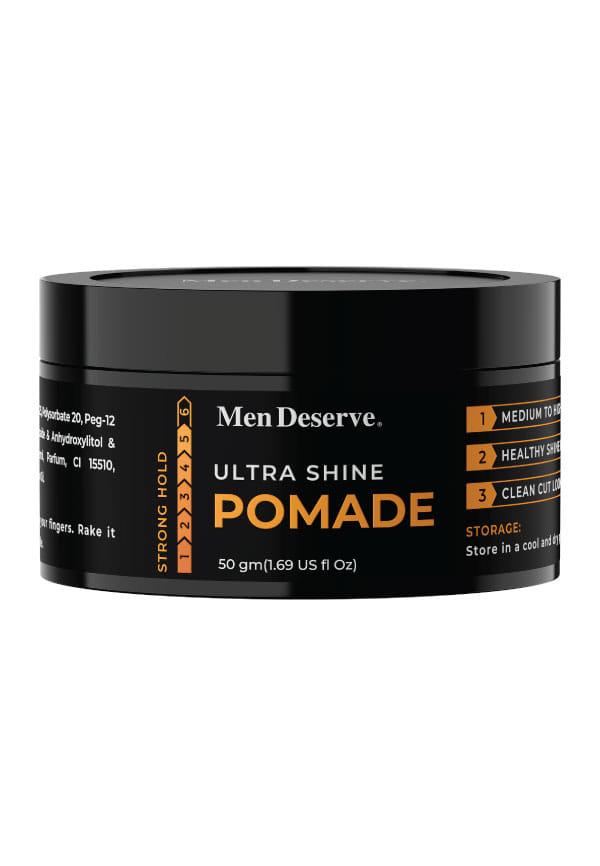
Hair Styling Ultra Shine Pomade for Strong Hold and Wet Look Hairstyle
Detangling wet hair is where most people go wrong. The instinct is to brush from roots to ends, but this approach can cause significant breakage when your hair is in its most vulnerable state. Instead, always start detangling from the ends and work your way up in small sections.
The key is using the right tools and technique. A wide-tooth comb or a brush specifically designed for wet hair will glide through your strands with minimal pulling. Apply a leave-in conditioner or detangling spray before you start — this creates slip that allows the comb to move through your hair more easily.
Don't try to detangle all your hair at once. Divide it into manageable sections — usually four to six sections work well for most hair types. This prevents you from pulling on already-detangled sections while working on stubborn knots.
The products you use on wet hair can either support your strands during their vulnerable state or add to the damage. Leave-in conditioners are non-negotiable — they provide a protective barrier and add moisture that helps prevent breakage during styling.
Look for products containing ceramides, which help seal the hair cuticle, or amino acids that temporarily strengthen the hair shaft. Natural oils like argan or jojoba can also provide protection, but use them sparingly to avoid weighing your hair down.
If you plan to use any heat styling tools, applying a heat protectant to damp hair is crucial. These products create a barrier that helps prevent moisture loss and thermal damage. Apply them evenly through your hair before any heat styling for maximum protection.
Frizz often starts with how you handle wet hair. When the hair cuticle is lifted due to moisture, any rough handling can cause it to remain raised, leading to that fuzzy, unmanageable texture. The solution is gentle handling at every step of your routine.
Instead of rubbing your hair with a towel, gently squeeze or press the towel against your hair to absorb water. Avoid brushing wet hair unless absolutely necessary, and when you do, use the gentlest technique possible. Even the way you apply products matters — distribute them with your fingers or a wide-tooth comb rather than vigorous rubbing.
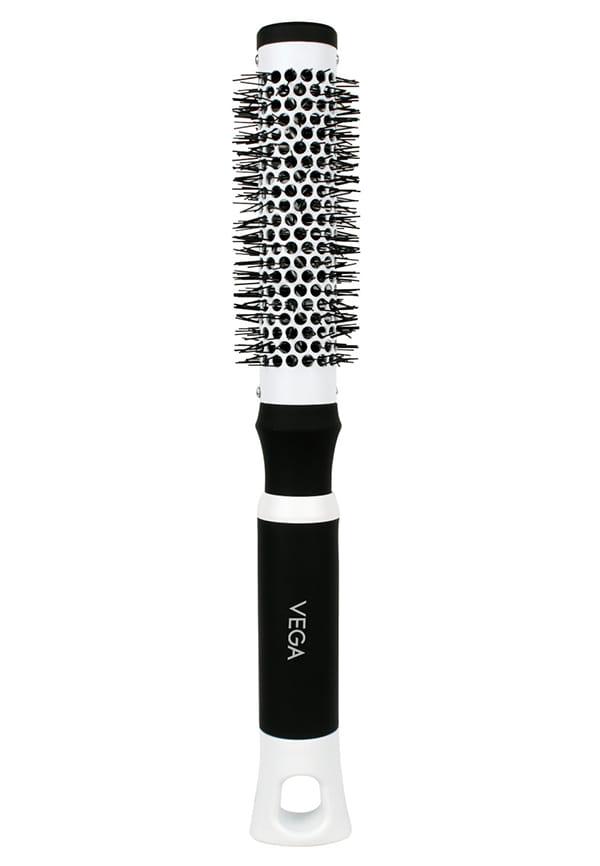
Hot Curl Hair Brushfor Hair Styling, Drying, Healthy Hair and Add Volume, Small (H1-PR S)
Humidity plays a huge role in how your wet hair behaves as it dries. In high-humidity environments, hair takes longer to dry and is more prone to frizz. Using anti-humidity products or protective styles can help manage this challenge.
Your scalp health is just as important as your hair health, especially when dealing with wet hair. A damp scalp environment can promote bacterial or fungal growth if not properly managed. This is why thorough but gentle drying is essential, particularly around the hairline and nape of the neck.
Gentle scalp massage while shampooing can improve circulation and help remove buildup, but avoid aggressive scrubbing that can irritate the skin. Proper rinsing is equally important — leftover product residue can cause scalp irritation and affect how your hair dries.
Watch for persistent itching, flaking, or unusual odours that might indicate scalp health issues related to improper wet hair care. These problems often develop gradually and can be prevented with proper drying techniques.
The ideal moisture level for styling depends on your hair type and the styling method you're using. For heat styling, hair should be about 80% dry to prevent damage from steam formation. For air-drying styles, you can apply products to damp hair immediately after towel drying. Fine hair typically needs to be drier before styling, while thick or coarse hair can handle more moisture during the styling process.
Sleeping with completely wet hair isn't ideal, but sometimes it's unavoidable. If you must sleep with damp hair, use a silk or satin pillowcase to reduce friction, and consider protective styles like a loose braid or silk scarf. Never sleep with soaking wet hair as this can lead to scalp issues and increased breakage from friction against your pillow.
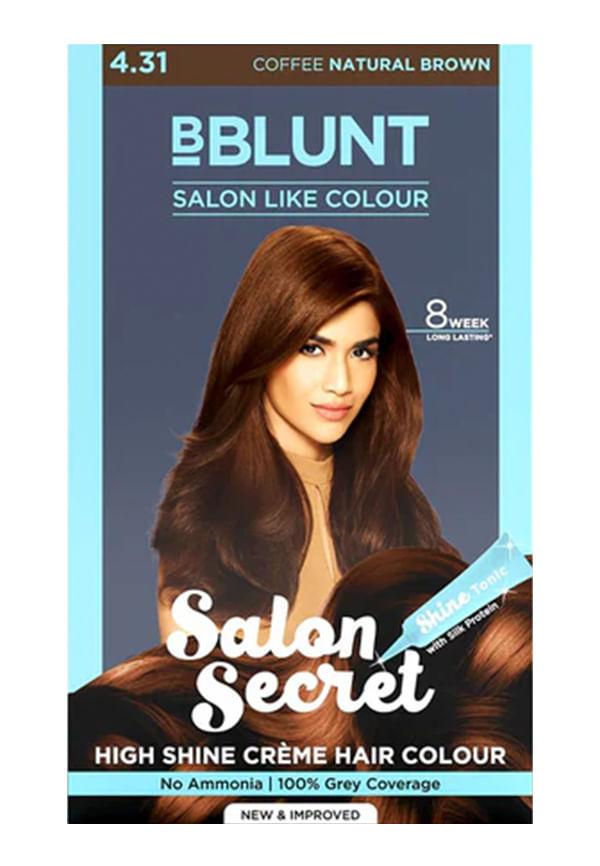
Salon Secret High Shine Conditioning Hair Colour
Several techniques can help accelerate natural drying. Start with gentle towel or t-shirt drying to remove excess water, then apply lightweight leave-in products that don't weigh hair down. Loosely braiding damp hair or using clips to create airflow around your scalp can also help. Some people find that ionic hair dryers on cool settings provide faster drying without heat damage.
Washing frequency depends on your hair type, scalp condition, and lifestyle. Generally, fine or oily hair might need washing every other day, while thick, dry, or chemically treated hair can often go 3-4 days between washes. The key is finding a balance that keeps your scalp healthy without over-manipulating your hair in its wet state.
Absolutely. Natural ingredients like aloe vera gel can provide slip for easier detangling, while diluted apple cider vinegar can help smooth the hair cuticle. Coconut oil applied sparingly to damp ends can provide protection, though it's important not to overuse it. Even simple techniques like using a cotton t-shirt instead of a towel are natural ways to improve your wet hair care routine.
Wet hair appears smoother because water temporarily fills in gaps in the hair cuticle and weighs down frizz. As hair dries, the cuticle can lift again, especially if it's damaged, revealing the true condition of your hair. This is often a sign that your hair needs moisture, protein treatments, or gentler handling during the drying process.
Immediate tangling usually indicates that your hair needs more moisture or that you're using products that don't work well with your hair type. Try using a deeper conditioning treatment, switching to a more moisturising shampoo, or applying a leave-in conditioner before detangling. Sometimes the issue is water quality — hard water can make hair more prone to tangling.
For most hair types, a wide-tooth comb is gentler on wet hair than a brush. However, brushes specifically designed for wet hair, with flexible bristles that bend rather than pull, can also work well. The key is choosing tools that glide through your hair without catching or pulling on knots.
Managing wet hair properly isn't just about getting it dry — it's about protecting your hair during its most vulnerable state. The techniques you use in those first few minutes after washing can make the difference between healthy, strong hair and hair that's prone to breakage and frizz. Remember that gentle handling, the right tools, and appropriate products are your best allies in maintaining hair health.
Start with small changes like switching to a microfibre towel or t-shirt for drying, and gradually incorporate other techniques as they become habits. Your hair will thank you with improved strength, shine, and manageability over time. Not sure which wet hair products might work best for your specific hair type? Smytten offers trial-size versions of many haircare products — a smart way to test different formulations before committing to full bottles.
