Manage Frizzy Hair FAQ: Your Questions Answered

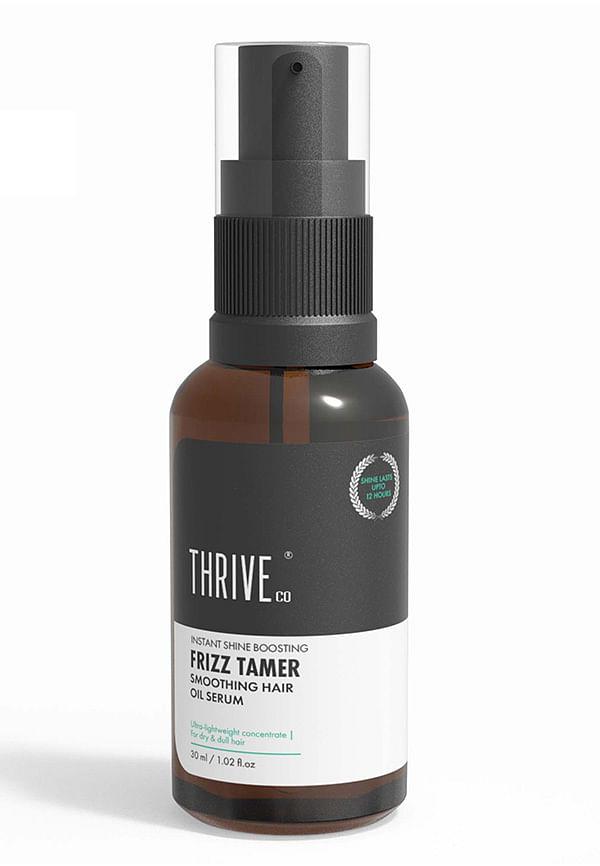
Frizz Tamer Smoothening Hair Oil
You know that moment when you catch your reflection and your hair looks like you've been wrestling with a hairdryer in a windstorm? Yeah, we've all been there. Frizzy hair has this magical ability to turn a good hair day into a 'throw it in a bun and hope for the best' situation. But here's the thing – managing frizzy hair doesn't have to feel like solving a Rubik's cube blindfolded. Whether you're dealing with humidity-induced chaos or just naturally textured hair that has its own agenda, the right knowledge can be your game-changer.
Let's get real about what's actually happening up there. Frizzy hair is basically your hair's way of saying 'I'm thirsty and my protective layer is having a moment.' When your hair cuticles – those tiny scales that cover each strand – get damaged or lifted, moisture escapes and humidity sneaks in. It's like having a leaky umbrella in a rainstorm.
The usual suspects behind this hair drama include heat styling without protection, chemical treatments that strip your hair's natural oils, and even something as simple as rubbing your hair with a rough towel. Environmental factors play a huge role too – humidity is basically frizz's best friend, while pollution and UV rays can damage your hair's protective barrier over time.
Sometimes it's just genetics doing their thing. If your parents dealt with frizzy hair, chances are you inherited those lovely textured strands. And here's something that might surprise you – over-washing can actually make frizz worse by stripping away the natural oils that keep your hair smooth and manageable.
Managing frizzy hair starts with rethinking your daily routine. Small changes in how you wash, dry, and handle your hair can make a massive difference in taming frizzy hair and achieving smoother results.
Hot water might feel amazing, but it's not doing your frizzy hair any favours. Lukewarm water opens your cuticles just enough to clean without causing damage, while a cold rinse at the end seals everything back down. Think of it as closing the windows before a storm – you're locking moisture in and keeping humidity out.
That fluffy terry cloth towel? It's basically sandpaper for your hair cuticles. Switch to a microfiber towel or even an old cotton t-shirt for gentler drying. The smoother surface reduces friction and helps prevent frizz from forming in the first place. If you're air drying, scrunch out excess water gently rather than rubbing vigorously.
Not all anti frizz products are created equal, and knowing which ingredients actually work can save you from a bathroom cabinet full of disappointments. The key is finding products that address your specific type of frizz and hair texture.
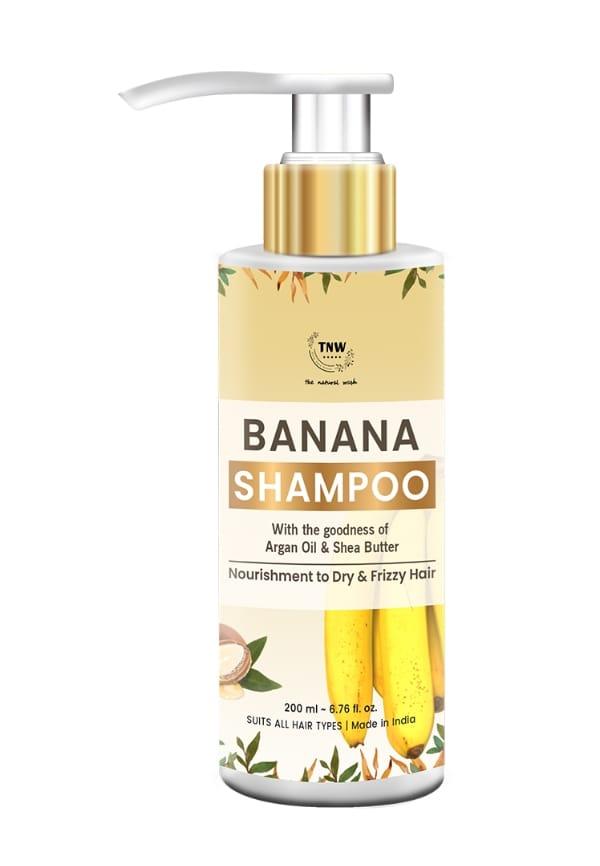
Banana Shampoo for Frizz | AntiFrizz Shampoo for All Hair Types | Banana Shampoo for Manageable Hair200ml
A good hair serum for frizz can be your secret weapon, especially one with silicones that create a protective barrier around each strand. Look for ingredients like dimethicone or cyclopentasiloxane – they sound scary but they're actually brilliant at smoothing your hair cuticles. Apply these products to damp hair, focusing on mid-lengths to ends where frizz tends to be most stubborn.
Weekly deep conditioning treatments are like a spa day for your hair. Ingredients like keratin, argan oil, and shea butter work to fill in gaps in damaged cuticles and provide long-lasting moisture. The trick is consistency – one treatment won't transform your hair, but regular use absolutely will.
Sometimes you need frizzy hair solutions that work right now, not next week. These smooth hair tips are perfect for those 'running late but need to look human' moments we all have.
A tiny amount of hair oil or serum smoothed over your palms and gently pressed onto frizzy areas can work wonders. Don't rub it in – just press and smooth. For emergency situations, a damp brush can help redistribute your hair's natural oils and tame flyaways without adding product.
Hair accessories are your friend here too. A sleek low bun, a textured braid, or even a stylish headband can turn frizz into a deliberate style choice. Sometimes the best solution is working with your hair's natural texture rather than fighting against it.
Your kitchen might hold some surprisingly effective solutions for dry frizzy hair. These natural treatments won't give you salon-level results overnight, but they're gentle, affordable, and actually quite effective when used consistently.
Apple cider vinegar rinses help balance your scalp's pH and smooth your hair cuticles. Mix one part vinegar with three parts water and use it as a final rinse after shampooing. The smell disappears once your hair dries, leaving you with noticeably smoother strands.
Coconut oil treatments work brilliantly for dry, frizzy hair, but the key is using just enough to nourish without weighing your hair down. Apply it to damp hair, leave for 30 minutes, then shampoo as usual.
Avocado and honey masks provide intense moisture – mash half an avocado with a tablespoon of honey, apply to damp hair, and leave for 20 minutes. The natural fats and humectants work together to smooth and hydrate your strands.
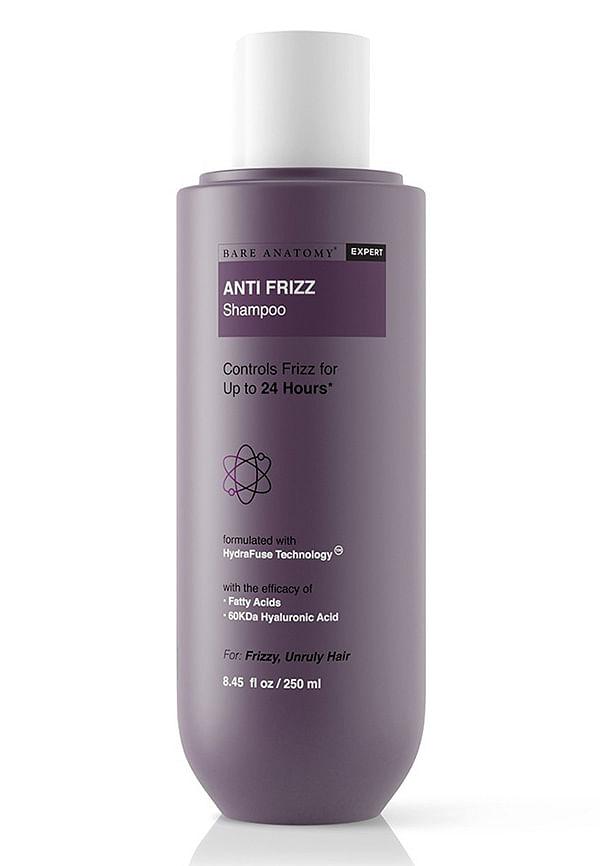
Expert Anti-Frizz Shampoo Tames Frizz For Up To 24 Hours
Sometimes DIY solutions and drugstore products aren't enough, especially if you're dealing with severely damaged or chemically treated hair. Professional treatments can provide longer-lasting results, but they come with their own considerations.
Keratin treatments and Brazilian blowouts can dramatically reduce frizz for 3-6 months, but they're not suitable for everyone. These treatments work by coating your hair with proteins that smooth the cuticle, but they often contain formaldehyde or similar chemicals that some people prefer to avoid.
If your hair is severely damaged from chemical processing, heat styling, or environmental factors, a professional assessment can help determine the best course of action. Sometimes what looks like frizz is actually breakage or severe dryness that needs targeted treatment.
Achieving truly frizz free hair often requires looking beyond just products and treatments. Your overall lifestyle, diet, and daily habits all play a role in your hair's health and manageability.
Silk or satin pillowcases reduce friction while you sleep, preventing your hair from getting roughed up overnight. If you're not ready to invest in new bedding, a silk hair wrap or bonnet works just as well and costs much less.
Your hair reflects your overall health, so staying hydrated and eating a balanced diet rich in omega-3 fatty acids, biotin, and vitamins A and E can improve your hair's texture over time. It's not a quick fix, but it's foundational for healthy hair growth.
Humidity hair solutions include using anti-humidity sprays before heading out and avoiding touching your hair throughout the day. Your hands transfer oils and moisture that can disrupt your hair's cuticle pattern and create frizz.
Anti Frizz Hair Stick
Most people with frizzy hair benefit from washing every 2-3 days rather than daily. Over-washing strips natural oils that help keep frizz under control. If your scalp gets oily quickly, try using a gentle, sulfate-free shampoo and focus on cleansing your scalp rather than the lengths of your hair.
While you can't permanently change your hair's natural texture, you can significantly improve its manageability with consistent care. Regular deep conditioning, protective styling, and using the right products for your hair type can make frizz much less noticeable and easier to manage long-term.
Always detangle when your hair is damp and has some slip from conditioner or leave-in treatment. Start from the ends and work your way up using a wide-tooth comb or detangling brush. Never brush frizzy hair when it's completely dry – this just creates more frizz and potential breakage.
Humidity protection starts with well-moisturised hair – hydrated hair is less likely to absorb moisture from the air. Use anti-humidity products, avoid touching your hair, and consider protective styles like braids or buns when the weather forecast shows high humidity levels.
Regular trims every 6-8 weeks help prevent split ends from travelling up the hair shaft and creating more frizz. If your ends are particularly damaged or frizzy, a trim can immediately improve your hair's overall appearance and make styling much easier.
Price doesn't always equal effectiveness when it comes to haircare for frizzy hair. Some drugstore products work brilliantly, while some expensive ones might not suit your particular hair type. The key is finding products with the right ingredients for your specific needs rather than focusing solely on price point.
Managing frizzy hair is definitely achievable with the right approach and a bit of patience. The most important thing to remember is that consistency beats perfection – small daily changes in how you care for your hair will give you better results than sporadic intensive treatments.
Focus on gentle handling, proper hydration, and protecting your hair from damage rather than trying to fight against its natural texture. Your hair's unique characteristics aren't something to fix – they're something to work with and enhance.
Finding the right products can feel overwhelming with so many options available, but Smytten's curated selection of haircare brands makes it easier to discover what actually works for your hair type. Not sure which anti-frizz serum or leave-in treatment will suit your hair? Smytten also offers trial-size versions of many of these products – a smart way to test different formulations before committing to full-size bottles.
