Low vs Mid Taper Fade: Expert Insights Revealed

Cylindrical Large Hair Claw Clips For Women Hair Strong Hold
Very Nice Product
 5
5“very nice product thanks to sanfe”
Very Nice Product
5“very nice product thanks to sanfe”
Very Nice Product
5“very nice product thanks to sanfe”
Choosing between a low taper fade vs mid taper fade can feel like picking your favourite child—both look brilliant, but each brings something different to the table. Whether you're after that clean, professional vibe or something with a bit more edge, understanding these two popular fade haircut styles will help you nail your next barber visit. Let's break down everything you need to know about these men's taper fade options, from where they sit on your head to how they'll fit into your daily routine.
Before we dive into the low taper fade vs mid taper fade debate, let's get clear on what makes a taper fade haircut different from your standard fade. Think of a taper fade as the sophisticated cousin of the regular fade—it gradually transitions from longer hair on top to shorter hair at the sides and back, but with more finesse and subtlety.
The magic happens in how smoothly the hair length changes. Unlike a traditional fade that can be quite dramatic, taper fades offer a gentler gradient that works brilliantly for both boardroom meetings and weekend brunches. This versatility is exactly why types of fade haircuts like these have become absolute staples in modern grooming.
Real talk—taper fades have exploded in popularity because they're the perfect middle ground. They're sharp enough to look intentional but subtle enough to work in conservative environments. Plus, they complement virtually every hair type and face shape when done right.
The beauty of haircut taper styles lies in their chameleon-like nature. Slick your hair back with some pomade, and you're ready for that important presentation. Tousle it up with a bit of texture paste, and you're weekend-ready. It's this flexibility that makes taper fades worth obsessing over.
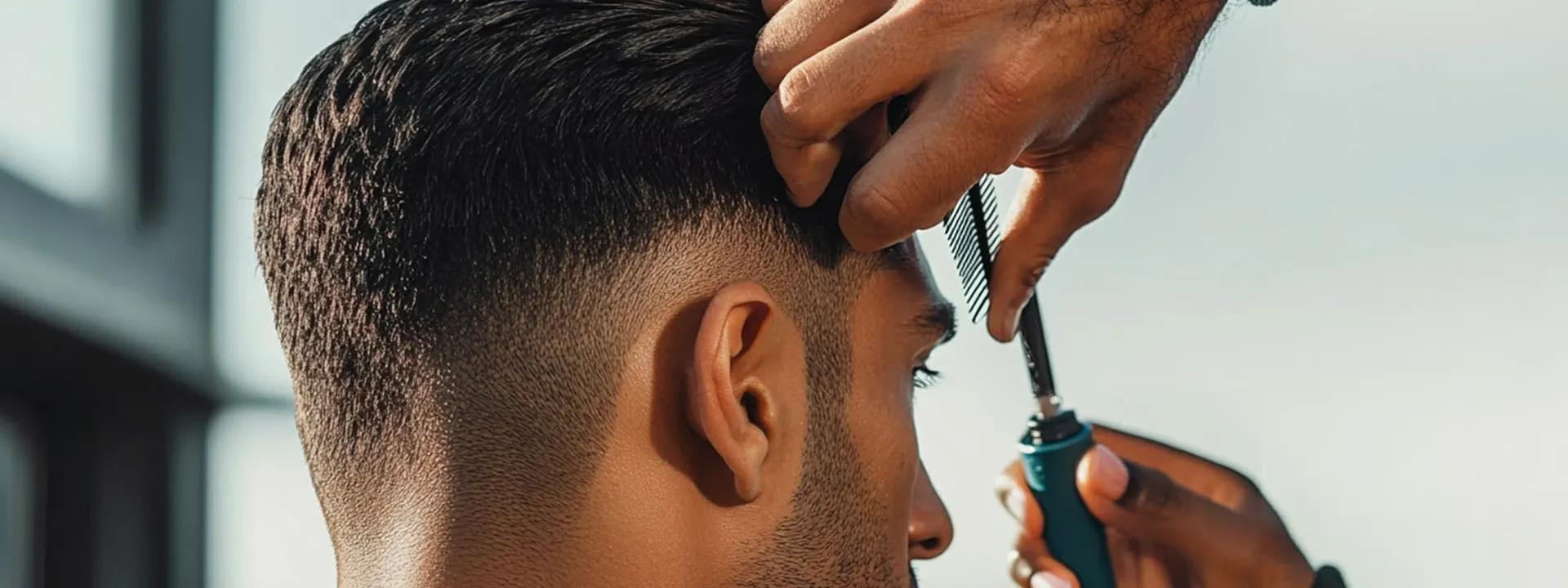
The low taper fade is like that friend who's effortlessly cool without trying too hard. Starting just above your ears and around the neckline, this low fade haircut keeps things understated while still looking incredibly polished.
What makes the low taper fade special is its restraint. The fade begins lower on your head, which means you keep more length on the sides. This creates a clean, professional look that's perfect for guys who want to look sharp without making a statement.
Hair types: Brilliant for straight, wavy, and curly hair. The lower starting point means your natural texture gets to shine through while still looking neat.
Face shapes: Particularly flattering for round and square faces as it doesn't add extra height or width. Oval faces can absolutely rock this too—lucky you.
The styling options are endless. Try a classic side-swept look for the office, go for a brushed-back style for evening events, or add some texture on top for a more relaxed vibe. The key is that the subtle fade won't compete with whatever you do up top.
You'll want to visit your barber weekly to keep that crisp line. The good news? Because it's more subtle, you can sometimes stretch it to 10 days if you're using the right haircare products to keep everything looking fresh.
The mid taper fade is your perfect middle child—not too conservative, not too bold, but absolutely spot-on for most situations. Starting around temple level, this mid fade haircut offers more contrast than its low counterpart while still maintaining that professional edge.
This fade hits that sweet spot where you get noticeable definition without going full dramatic. It's like the Goldilocks of fade haircut styles—just right for guys who want something with a bit more personality than a low fade but aren't ready to commit to a high fade.
StyleMe Fashion Tapes For Women
Very Nice Product
5“very very nice product love it thank you”
Very Nice Product
5“very very nice product love it thank you”
Very Nice Product
5“very very nice product love it thank you”
Starting point: Beginning at temple level gives you that perfect balance of contrast and subtlety.
Universal appeal: Works brilliantly across all hair textures—from pin-straight to tight curls.
The mid taper fade is incredibly forgiving. It adds just enough height to elongate rounder faces while providing structure for longer face shapes. If you're unsure about your face shape, this might just be your safest bet.
Whether you prefer a short crop or medium-length styling, the mid fade provides the perfect foundation. The contrast level means your top styling really pops without looking overdone.
Plan for bi-weekly touch-ups. The more defined contrast means it's slightly more noticeable when it grows out, but the trade-off is that sharp, clean look that photographs beautifully.
Now for the main event—breaking down the low taper fade vs mid taper fade debate with some proper analysis. Both are fantastic options, but understanding their differences will help you pick your perfect match.
The height difference might seem small, but it creates completely different vibes. Think of it like choosing between a subtle highlight and a more dramatic one—both look great, but they serve different purposes.
Low taper fade: Creates a gentle, almost seamless transition that's all about sophistication.
Mid taper fade: Offers more definition and contrast, making it slightly more eye-catching.
Both work brilliantly in professional settings, but the low fade edges ahead for ultra-conservative environments. The mid fade is perfect for creative industries or anywhere personal expression is welcomed.
The mid fade wins here. The extra contrast gives you more styling options and makes whatever you do on top look more intentional. The low fade is more subtle but equally versatile in its own way.
Consider your lifestyle honestly. The low fade is slightly more forgiving if you occasionally miss a barber appointment. The mid fade requires more consistent upkeep to maintain that sharp look.
Rectangle Large Hair Claw Clips For Women Hair Strong Hold
Good Quality, Expensive
5“acche hai kafi quality wise lakin baki se mehnga hai”
Good Quality, Expensive
5“acche hai kafi quality wise lakin baki se mehnga hai”
Firm, Nice Grip
4“holds my hair very firmly nice grip it has”
Your natural hair texture plays a huge role in how these types of fade haircuts will look and behave. Let's break down what works best for different hair types, because one size definitely doesn't fit all when it comes to men's taper fade styles.
Understanding how your hair grows and behaves will help you choose between a low taper fade vs mid taper fade and ensure you're working with your natural texture rather than against it.
Straight hair shows off the clean lines of both fades beautifully. The low taper fade creates an incredibly polished look, while the mid fade adds just enough contrast to prevent your hair from looking flat.
Curly hair and taper fades are a match made in heaven. The mid fade particularly shines here, as the contrast helps define your curl pattern. The key is finding a barber who understands how to blend curly hair properly.
Fine hair benefits from the mid fade's extra contrast—it creates the illusion of more density. Thick hair can handle either option, but the low fade might be more manageable for daily styling.
Everyone's hair grows differently. If you have strong cowlicks or unusual growth patterns, discuss these with your barber. Sometimes a slight adjustment in fade placement can make all the difference.
Choosing between a low taper fade vs mid taper fade ultimately comes down to your personal style, lifestyle, and what you're comfortable maintaining. Both are brilliant options that can transform your look, but the right choice depends on several key factors.
Think about your daily routine, work environment, and how much time you want to spend on styling. These practical considerations matter just as much as how the cut looks in the mirror.
Work environment: Ultra-conservative? Go low. Creative or flexible dress code? Mid fade might be your pick.
Maintenance time: Honest assessment—can you commit to regular touch-ups? The mid fade demands slightly more attention.
Are you after that understated elegance or something with a bit more edge? The low fade whispers sophistication, while the mid fade speaks with a bit more confidence.
Factor in long-term costs. More frequent touch-ups mean more visits to your barber. It's not just about the initial cut—think about the ongoing investment.
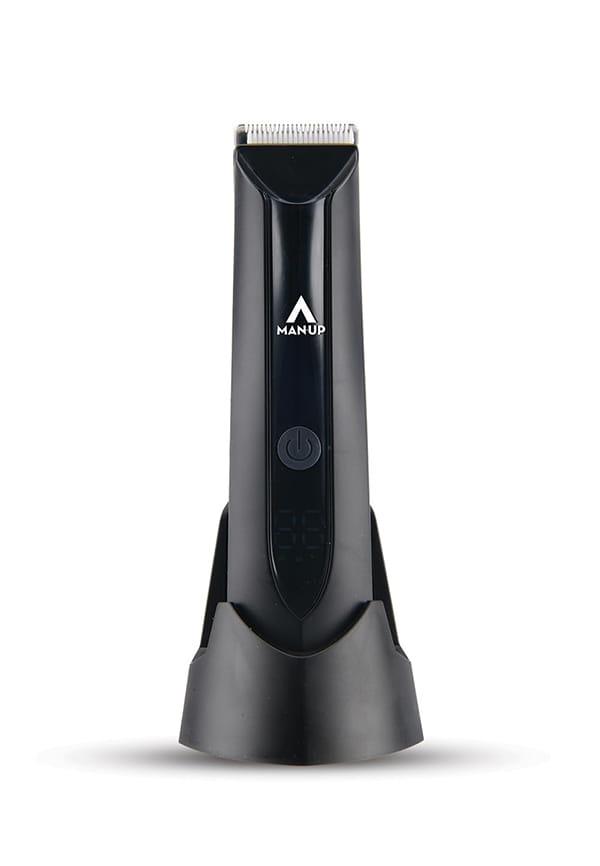
Man-Up Waterproof Trimmer for Men
When exploring different haircare products to maintain your new fade, platforms like Smytten make it easier to discover what works for your specific hair type. With curated trial packs from trusted grooming brands, you can experiment with different styling products without committing to full-size purchases. This approach helps you find the perfect products to keep your taper fade looking sharp between barber visits.
Neither is objectively better—it depends on your personal style and lifestyle. The low taper fade offers subtle sophistication perfect for conservative environments, while the mid taper fade provides more contrast and styling versatility. Consider your work environment, maintenance commitment, and personal preferences when choosing.
Both work brilliantly in professional environments. The low fade edges ahead in ultra-conservative workplaces due to its subtlety, but the mid fade is perfectly appropriate for most professional settings and offers more styling flexibility.
A taper fade offers a more gradual, subtle transition from long to short hair, while a regular fade can be more dramatic. Taper fades maintain more length on the sides and create a gentler gradient, making them more versatile for different occasions.
Yes, low taper fades work well with straight, wavy, and curly hair. The lower starting point allows your natural texture to shine through while maintaining a clean, polished appearance. The key is finding a skilled barber who understands your specific hair type.
Low taper fades typically need weekly touch-ups, though you might stretch to 10 days with proper styling products. Mid taper fades usually require bi-weekly maintenance to keep that sharp contrast looking fresh.
Absolutely! These fade styles aren't gender-specific and can look fantastic on anyone. Women often pair taper fades with longer hair on top for a modern, edgy look that's both professional and stylish.
The difference lies in where the fade begins: low fades start just above the ears, mid fades begin around temple level, and high fades start near the top of the head. Each offers different levels of contrast and styling possibilities.
Use quality styling products suited to your hair type, keep the neckline tidy with careful trimming, and maintain your hair's health with proper washing and conditioning. Regular styling helps maintain the shape between professional touch-ups.
The low taper fade vs mid taper fade debate doesn't have a wrong answer—both are brilliant choices that can elevate your look when executed properly. The low fade offers understated elegance perfect for those who prefer subtle sophistication, while the mid fade provides that ideal balance of contrast and versatility.
Your perfect choice depends on your lifestyle, hair type, and personal style goals. Consider your work environment, maintenance commitment, and how you like to style your hair daily. Remember, a great haircut is one that makes you feel confident and fits seamlessly into your routine.
Whether you choose the subtle charm of a low taper fade or the balanced appeal of a mid taper fade, investing in quality haircare products will help maintain that fresh-from-the-barber look. With platforms like Smytten offering trial-sized grooming products from trusted brands, you can discover the perfect styling products for your new cut without the commitment of full-size purchases. After all, why settle for 'maybe' when you can try different products and find exactly what works for your hair?
