Keratin for Frizzy Hair FAQ: Your Questions Answered

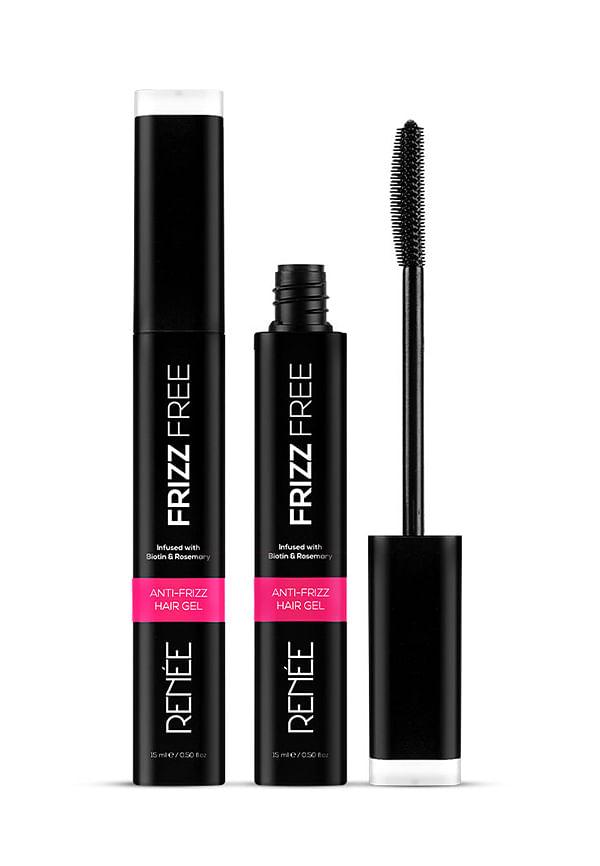
Frizz Free Anti Frizz Hair Gel
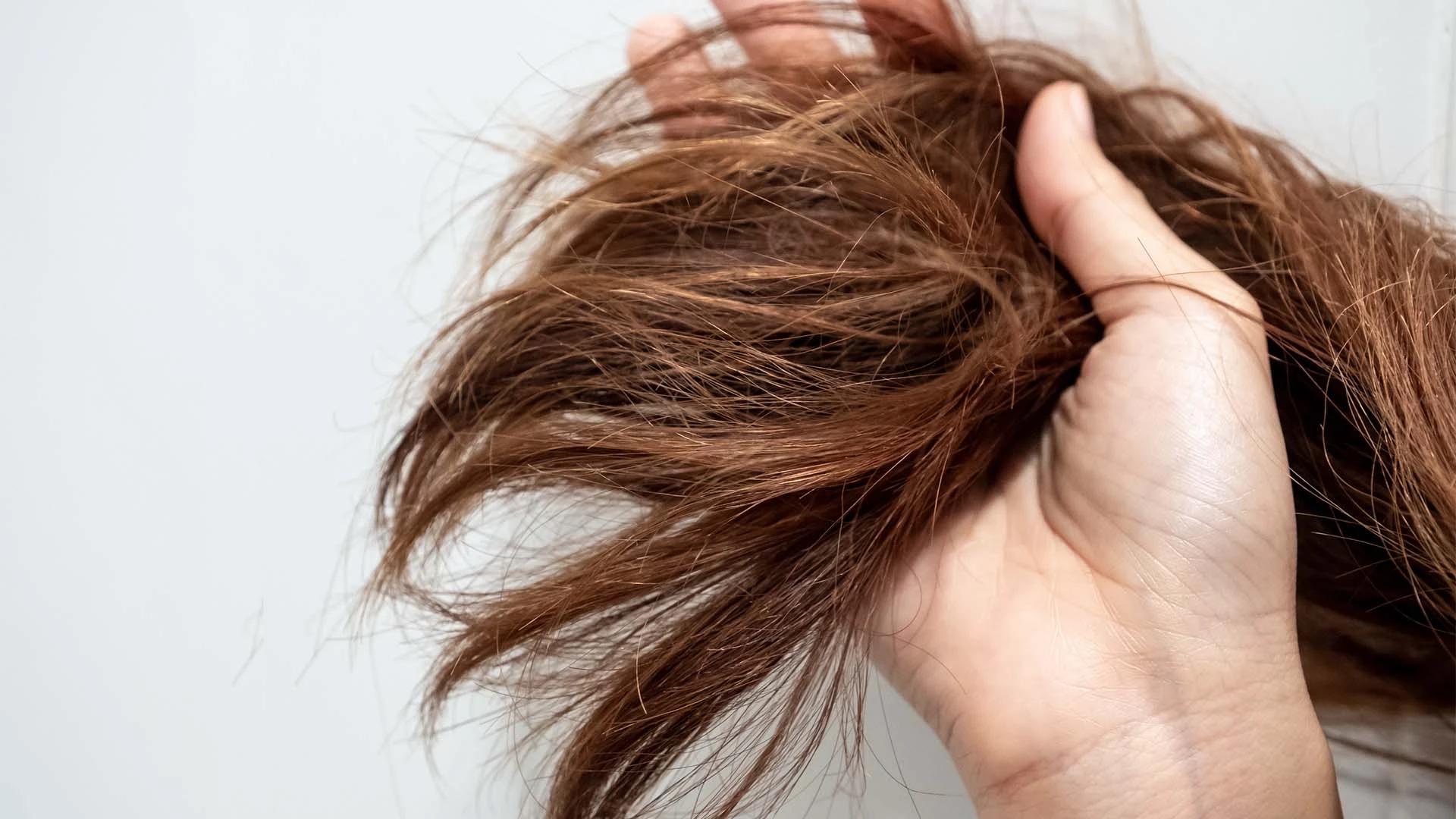
Picture this: you've just spent twenty minutes wrestling with your hair, trying every trick in the book to tame the frizz, only to step outside and watch it puff up like a lion's mane the moment humidity hits. Sound familiar? If you're tired of battling unruly, frizzy hair that seems to have a mind of its own, you've probably heard whispers about keratin treatments. But with so much conflicting information floating around, it's hard to know what's actually true. Let's cut through the noise and get real about keratin for frizzy hair—what it does, how it works, and whether it's worth your time and money.
Keratin is essentially the building block of your hair—a natural protein that makes up about 95% of each strand. Think of it as your hair's structural foundation. When your hair gets damaged from heat styling, chemical treatments, or just everyday wear and tear, tiny gaps form in the hair shaft. These gaps let moisture in and out unpredictably, which is exactly what causes that dreaded frizz.
A keratin treatment works by filling in those microscopic gaps with protein, creating a smoother surface that reflects light better and keeps humidity from wreaking havoc on your strands. The process involves applying a keratin solution to your hair, then sealing it in with heat. This creates a protective barrier around each strand, making your hair more resistant to moisture and environmental factors that trigger frizz.
The magic happens at the cuticle level. When your hair cuticles are damaged or raised, they catch light unevenly and let moisture penetrate inconsistently. Hair smoothing treatments with keratin help flatten these cuticles, creating that coveted smooth, shiny finish that looks effortlessly polished.
Not all keratin treatments are created equal. Professional salon treatments typically use higher concentrations of active ingredients and require heat sealing for maximum effectiveness. At-home options like keratin shampoo systems and anti-frizz serums offer gentler, more gradual results that you can maintain yourself.
Professional keratin treatments are the heavy hitters of the frizzy hair solutions world. These typically involve a multi-step process where your stylist applies a keratin solution section by section, then blow-dries and flat-irons your hair to seal everything in. The whole process can take anywhere from two to four hours, depending on your hair length and texture.
The results? Most people see an 80-90% reduction in frizz that lasts anywhere from three to six months. Your blow-dry time gets cut in half, and your hair becomes significantly more manageable. But here's the catch—professional treatments can cost anywhere from ₹8,000 to ₹25,000, and you'll need to follow strict aftercare rules for the first 72 hours.
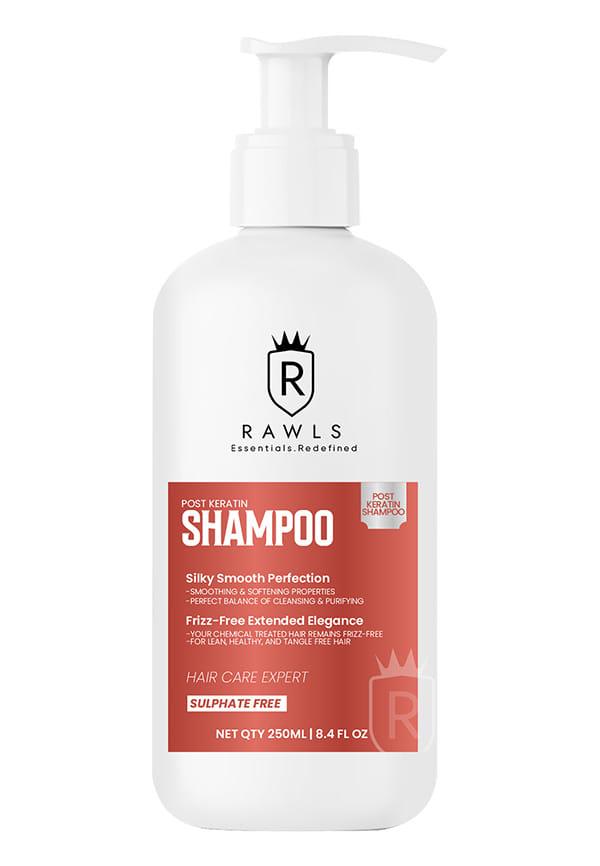
Post Keratin Hair Shampoo for Frizzy Hair
If salon treatments aren't in your budget or timeline, at-home keratin products can still make a real difference. Keratin shampoo and conditioner systems work gradually to rebuild your hair's protein structure over time. While they won't give you the dramatic overnight transformation of a salon treatment, they're perfect for maintaining smoother hair or addressing mild to moderate frizz.
Anti-frizz serums and leave-in treatments containing keratin are your daily defence against humidity. These products work on the surface level, temporarily smoothing your cuticles and adding a protective layer that lasts until your next wash.
Let's get a bit nerdy about how keratin actually repairs damaged hair. When your hair is healthy, the cuticle layers lie flat like overlapping roof tiles. Damage from heat, chemicals, or environmental factors causes these layers to lift and crack, creating those microscopic gaps we mentioned earlier.
Keratin molecules are small enough to penetrate these gaps and essentially fill them in. Once sealed with heat, these proteins bond with your existing hair structure, creating a smoother, stronger strand. This is why keratin works particularly well as a damaged hair treatment—it's literally rebuilding what's been broken down.
The key difference between keratin and other smoothing treatments is that keratin works with your hair's natural structure rather than permanently altering it. Chemical relaxers, for example, break down the bonds in your hair to permanently straighten it. Keratin treatments maintain your hair's natural texture while reducing frizz and adding shine.
Here's something crucial that many people don't realise: traditional keratin treatments often contained formaldehyde, which helped the treatment last longer but came with serious health risks. Modern formaldehyde-free formulations use alternative aldehydes or completely different chemistry to achieve similar results without the toxic fumes.
Absolutely, keratin can be a game-changer for frizzy hair. It works by filling in the microscopic gaps in damaged hair shafts and creating a protective barrier against humidity. Most people see a significant reduction in frizz within days of treatment, with results lasting several months. However, the effectiveness depends on your hair type, the severity of damage, and whether you choose professional or at-home treatments. Fine, porous hair typically responds better than thick, coarse hair.
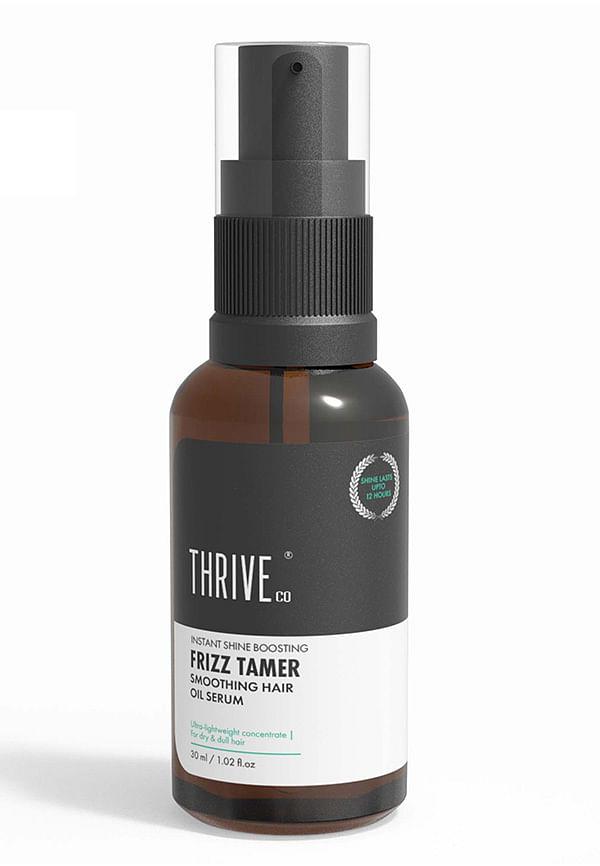
Frizz Tamer Smoothening Hair Oil
The main drawbacks include the cost (professional treatments can be expensive), time commitment (both for the initial treatment and aftercare), and potential for hair to become too straight if you have naturally curly hair. Some people also experience scalp irritation from the chemicals, and you'll need to avoid washing your hair for 48-72 hours after treatment. Additionally, the results are temporary, so you'll need regular touch-ups to maintain the smooth finish.
This depends on your goals. Keratin treatments will reduce frizz in curly hair without completely eliminating your natural curl pattern, but they will loosen your curls somewhat. If you love your curls and just want to reduce frizz, look for lighter keratin treatments or at-home products that focus on smoothing rather than straightening. Many people with curly hair find that keratin helps their curls look more defined and less chaotic.
The best treatment depends on your hair type, budget, and lifestyle. For severe frizz and damaged hair, professional keratin treatments offer the most dramatic results. For mild to moderate frizz, at-home keratin products or regular deep conditioning treatments might be sufficient. Other effective options include protein treatments, hair masks with natural oils, and using the right combination of shampoo and styling products designed for your specific hair type.
Professional keratin treatments typically last 3-6 months, depending on your hair type, how often you wash your hair, and what products you use. Fine hair tends to lose the treatment faster than thick hair. At-home keratin products provide more temporary results that last until your next wash, but with consistent use, you can maintain smoother hair over time.
Not immediately. Most professional keratin treatments require you to avoid washing your hair for 48-72 hours to allow the treatment to fully set. During this time, you also can't use hair ties, clips, or anything that might create dents in your hair. After the waiting period, you'll need to use sulfate-free shampoo to avoid stripping the treatment.
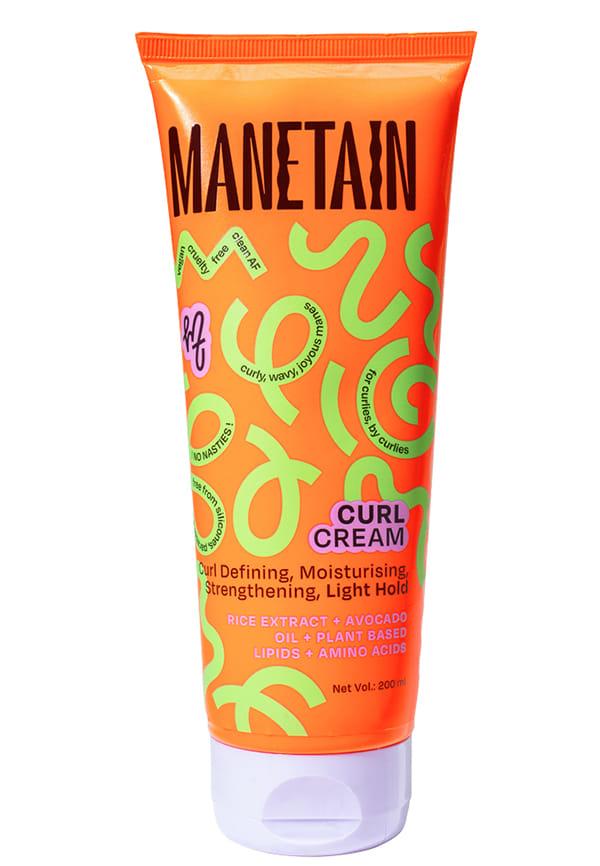
Frizz Control Curl Cream
Yes, keratin treatments can actually be beneficial for damaged hair because they help fill in gaps in the hair shaft and add a protective layer. However, if your hair is severely damaged or over-processed, it's worth consulting with a professional first. Some hair might be too fragile for the heat styling required during treatment application.
Professional salon treatments in India typically range from ₹8,000 to ₹25,000, depending on your hair length, the salon's location, and the specific product used. At-home keratin treatments and maintenance products are much more affordable, usually ranging from ₹500 to ₹3,000 for a complete system.
Getting the most out of your keratin treatment starts before you even book your appointment. If you're going the professional route, avoid washing your hair for 24 hours beforehand—this helps the treatment penetrate better. Make sure your hair is relatively healthy to begin with; if it's severely damaged, consider doing some repair treatments first.
After your treatment, the aftercare is crucial. Those first 72 hours are make-or-break for how long your results will last. Keep your hair completely dry, avoid ponytails or clips, and sleep on a silk pillowcase to prevent creasing. Once you can wash again, invest in a good sulfate-free shampoo and conditioner system.
For at-home treatments, consistency is key. Use keratin-infused products regularly rather than sporadically, and always follow up with a good heat protectant if you're using styling tools. Weekly deep conditioning masks can help maintain the protein balance in your hair and extend your results.
Not all keratin treatments are created equal, and some can actually damage your hair if done incorrectly. Avoid any salon that can't tell you exactly what products they're using or seems unclear about the process. If you're doing an at-home treatment, patch test first and never leave products on longer than recommended.
Keratin treatments can be incredibly effective for managing frizzy hair, but they're not a one-size-fits-all solution. Professional treatments offer the most dramatic results but require a significant time and money investment. At-home options provide gentler, more gradual improvements that work well for maintenance or mild frizz issues.
The key to success with any keratin treatment is understanding your hair type, choosing the right product or service for your needs, and following proper aftercare. Whether you go professional or DIY, keratin can help you achieve smoother, more manageable hair that actually behaves the way you want it to.
If you're curious about trying keratin products but don't want to commit to full-size bottles right away, exploring trial-size options can be a smart way to test what works for your hair. Smytten offers trial-size versions of many keratin-infused products—a practical approach to finding your perfect frizz-fighting formula before investing in the full-size versions.
