Itchy Scalp Relief Remedies FAQ: Causes & Solutions


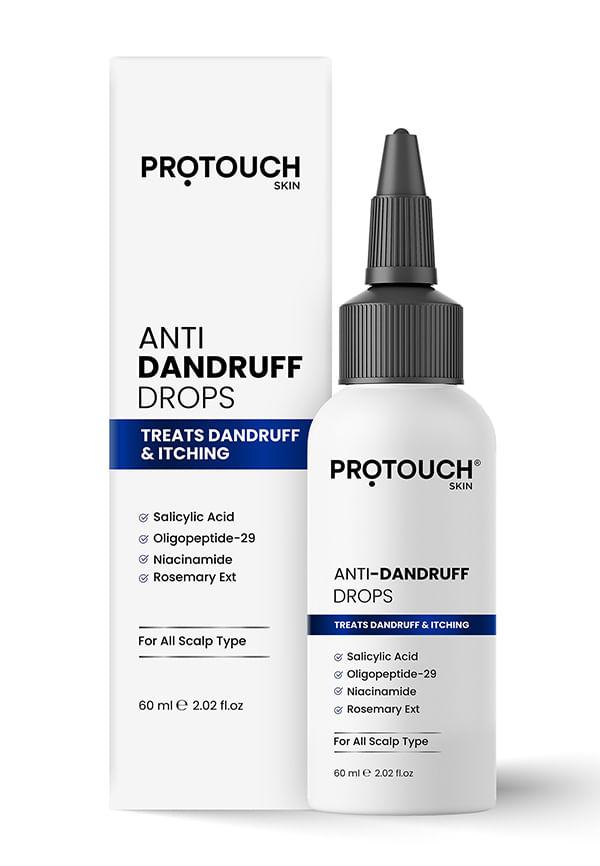
SKIN Anti Dandruff Drops Serum Soothes Itchy, Inflamed Scalp
You know that moment when your scalp starts itching in the middle of an important meeting? Or when you're lying in bed, and suddenly your head feels like it's on fire with irritation? Real talk – an itchy scalp is one of those things that can completely derail your day. Whether it's a dry patch acting up, dandruff making itself known, or just general sensitivity, scalp itch is surprisingly common and absolutely fixable. The good news? There are loads of effective remedies that actually work, from quick fixes you can try right now to long-term solutions that'll keep your scalp happy and healthy.
Before diving into solutions, let's figure out what's going on up there. Scalp itch treatment starts with understanding the root cause, because what works for dandruff might not help with sensitivity from harsh products. Think of it like detective work – once you know the culprit, you can target it properly.
Seborrheic dermatitis is probably the most common troublemaker. It's basically your scalp's way of saying it's inflamed and irritated, often showing up as flaky, oily patches that itch like crazy. Then there's good old dandruff – those white flakes that love to make an appearance on dark clothing. Psoriasis and eczema can also affect your scalp, creating thick, scaly patches that feel tight and itchy.
Sometimes it's not a medical condition at all. Dry weather can leave your scalp feeling parched and irritated. Over-washing strips away natural oils, whilst under-washing lets product buildup and oils accumulate. Even stress can trigger scalp sensitivity – your body's funny like that.
When your scalp's driving you mad and you need relief fast, these natural scalp relief methods can help within minutes. No need to wait for a pharmacy run or special ingredients – most of these soothing scalp solutions use things you probably already have.
Cold water is your friend here. Rinse your scalp with cool (not freezing) water to calm inflammation instantly. You can also wrap an ice pack in a thin towel and gently press it against the itchiest spots for 5-10 minutes. The cold numbs the itch and reduces any swelling.
Fresh aloe vera gel straight from the plant works wonders. If you don't have a plant, look for pure aloe gel without added fragrances or alcohol. Massage it gently into your scalp and let it sit for 15-20 minutes before rinsing. It's cooling, anti-inflammatory, and surprisingly effective.
When you need something stronger than a quick fix, these dry scalp remedies and healthy scalp remedies have been helping people for ages. They're gentle enough for regular use but powerful enough to tackle stubborn itchiness.
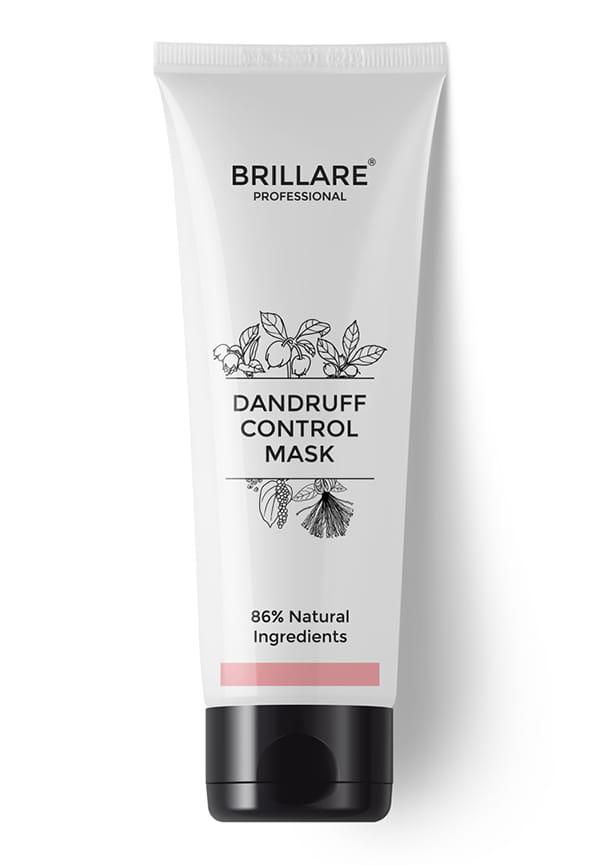
Conditioner For Itchy, Flaky Scalp
Coconut oil isn't just trendy – it's genuinely antimicrobial and moisturising. Warm a small amount between your palms and massage it into your scalp before bed. Wrap your hair in a silk scarf or use an old pillowcase, then shampoo it out in the morning. Tea tree oil is brilliant for fungal issues, but always dilute it – mix 3-4 drops with a tablespoon of carrier oil like jojoba or olive oil.
Apple cider vinegar might smell a bit funky, but it's ace at balancing your scalp's pH. Mix one part ACV with three parts water, pour it over your scalp after shampooing, massage gently, then rinse. Baking soda makes a gentle exfoliating paste when mixed with water – perfect for removing buildup that might be causing irritation.
Neem leaves have been used in India for centuries to treat scalp issues. Boil a handful of fresh neem leaves in water, let it cool, then use as a final rinse. Fenugreek seeds soaked overnight and ground into a paste make an excellent scalp mask – they're anti-inflammatory and surprisingly soothing.
Not all shampoos are created equal, especially when you're dealing with scalp sensitivity. The right itchy scalp shampoo can make the difference between constant irritation and genuine relief. Here's what to look for and what to avoid.
Ketoconazole is brilliant for fungal issues – it's antifungal and available over-the-counter in many formulations. Selenium sulfide works well for seborrheic dermatitis and stubborn dandruff. For sensitive scalp care, look for zinc pyrithione, which is gentler but still effective for dandruff control.
Sulfate-free formulas are worth the investment if your scalp's easily irritated. They clean without stripping natural oils. Fragrance-free options eliminate one potential irritant, and pH-balanced formulas (around 5.5) work with your scalp's natural acidity rather than against it.
Don't just slap it on and rinse – medicated shampoos need contact time to work. Massage gently into your scalp and let it sit for 3-5 minutes before rinsing. Start with 2-3 times a week and adjust based on how your scalp responds.
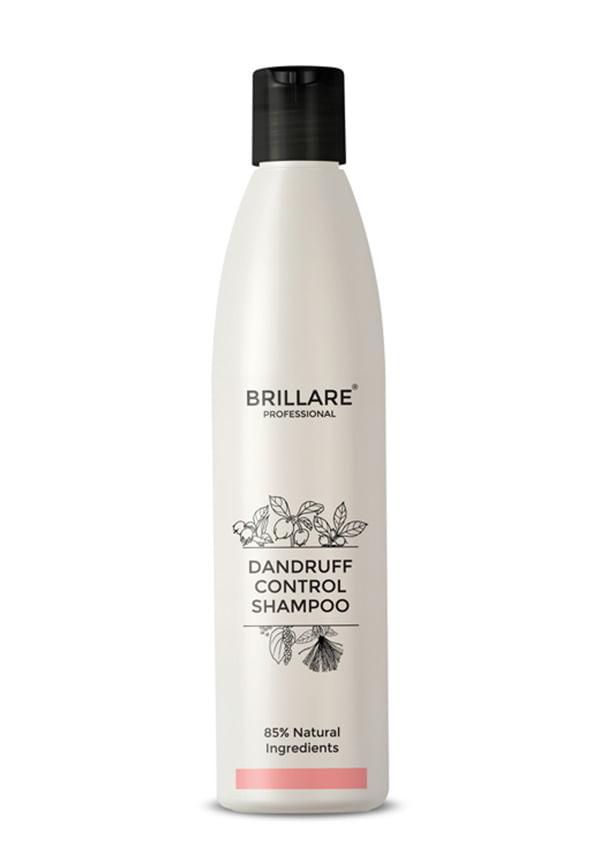
Dandruff Control Shampoo For Itchy, Flaky Scalp
Quick fixes are great, but lasting relief comes from consistent scalp care tips and habits. Think of it as building a routine that keeps problems from starting in the first place.
Most people either wash too much or too little. Oily scalps might need daily washing, whilst dry or chemically-treated hair often does better with 2-3 washes per week. Use lukewarm water – hot water strips oils and can worsen irritation. When you do wash, focus the shampoo on your scalp, not the lengths of your hair.
Stress genuinely affects your scalp health, so finding ways to manage it – whether that's exercise, meditation, or just better sleep – can reduce flare-ups. Your diet matters too. Omega-3 fatty acids from fish or flaxseeds support skin health, including your scalp.
Your scalp needs protection from UV rays just like the rest of your skin. Wear a hat in strong sun or use a scalp-specific SPF spray. In dry weather, consider using a humidifier in your bedroom to prevent overnight moisture loss.
Sometimes home remedies aren't enough, and that's completely normal. Knowing when to see a dermatologist can save you weeks of frustration and prevent minor issues from becoming major problems.
If your scalp itch persists despite trying multiple treatments for 2-3 weeks, it's time for professional help. Hair loss accompanying the itching, signs of infection like pus or severe redness, or rashes spreading beyond your scalp all warrant a doctor's visit.
Dermatologists have access to prescription-strength treatments that aren't available over-the-counter. They can also properly diagnose conditions like psoriasis or severe seborrheic dermatitis that need specific treatment approaches.
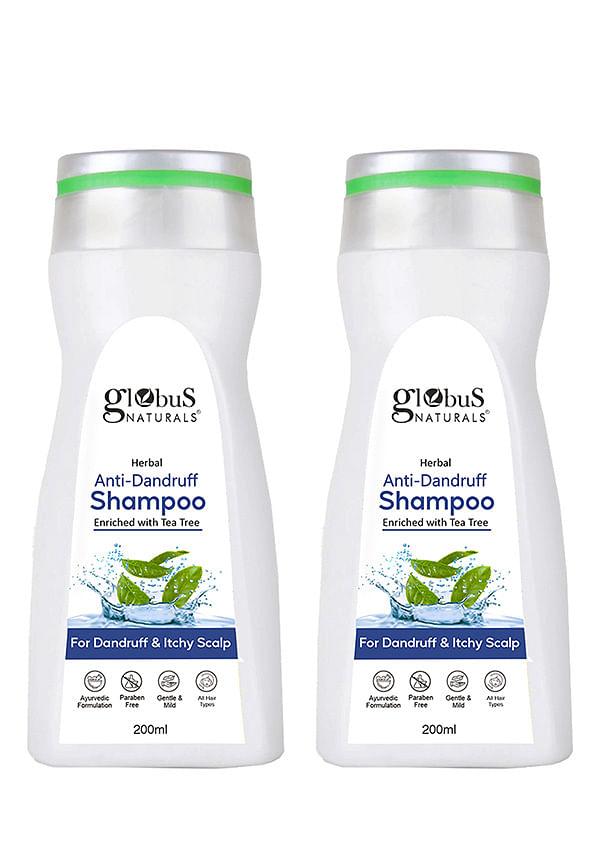
Anti Dandruff Shampoo, For Dandruff and Itchy Scalp
For instant relief, try a cool water rinse followed by aloe vera gel applied directly to the irritated areas. An ice pack wrapped in a thin towel can also provide immediate numbing relief. Peppermint oil diluted in a carrier oil creates a cooling sensation that interrupts the itch cycle. These methods work by reducing inflammation and temporarily numbing nerve endings that signal itchiness.
Long-term relief requires identifying and addressing the underlying cause. Start with a gentle, sulfate-free shampoo and wash with lukewarm water. Incorporate weekly oil treatments using coconut or jojoba oil. Avoid scratching, which worsens inflammation, and consider stress management techniques since stress can trigger scalp sensitivity. If the problem persists, switching to a medicated shampoo with zinc pyrithione or selenium sulfide often helps.
Yes, coconut oil can be very effective for itchy scalp relief. Its antimicrobial properties help fight fungal infections that often cause scalp irritation, whilst its moisturising effects combat dryness. Apply warm coconut oil to your scalp, massage gently, and leave for at least 30 minutes or overnight before washing out. The lauric acid in coconut oil has proven antifungal and antibacterial properties that target common scalp irritants.
Start with an apple cider vinegar rinse (1 part ACV to 3 parts water) after shampooing to balance pH levels. Tea tree oil diluted in a carrier oil works well for fungal issues – use 3-4 drops per tablespoon of carrier oil. Oatmeal paste made with ground oats and water soothes inflammation when applied as a 15-minute mask. Consistency is key – use these remedies 2-3 times per week for best results.
Nighttime scalp itching often intensifies due to increased blood flow when lying down, which can heighten sensitivity. Your pillowcase might harbour allergens, bacteria, or product residue that irritates your scalp. Dry indoor air from heating or air conditioning can worsen the problem. Try switching to silk or bamboo pillowcases, use a humidifier, and avoid applying heavy products before bed.
Neem leaves boiled in water and used as a final rinse have powerful antifungal properties. Fenugreek seeds soaked overnight and ground into a paste make an excellent anti-inflammatory scalp mask. Curry leaves boiled in coconut oil create a nourishing treatment that's been used traditionally for scalp health. Amla (Indian gooseberry) juice mixed with lemon juice helps balance scalp pH and provides vitamin C for healing.
Dealing with an itchy scalp doesn't have to be a constant battle. Whether you're facing dry scalp issues, dandruff, or general sensitivity, there are effective solutions that actually work. Start with identifying potential triggers – harsh products, overwashing, or underlying conditions – then choose remedies that match your specific situation. Natural options like coconut oil, aloe vera, and apple cider vinegar can provide genuine relief, whilst the right shampoo makes a huge difference for ongoing management.
Remember that consistency matters more than perfection. A gentle routine with the right products will serve you better than constantly switching between harsh treatments. If home remedies aren't cutting it after a few weeks, don't hesitate to see a dermatologist – some conditions need professional treatment to resolve properly.
Looking to try different scalp care products without committing to full sizes? Smytten offers trial-size versions of many scalp-soothing shampoos and treatments from trusted brands, letting you test what works for your specific needs before investing in larger bottles.
