How to Use Rice Water to Stop Hair Fall Naturally


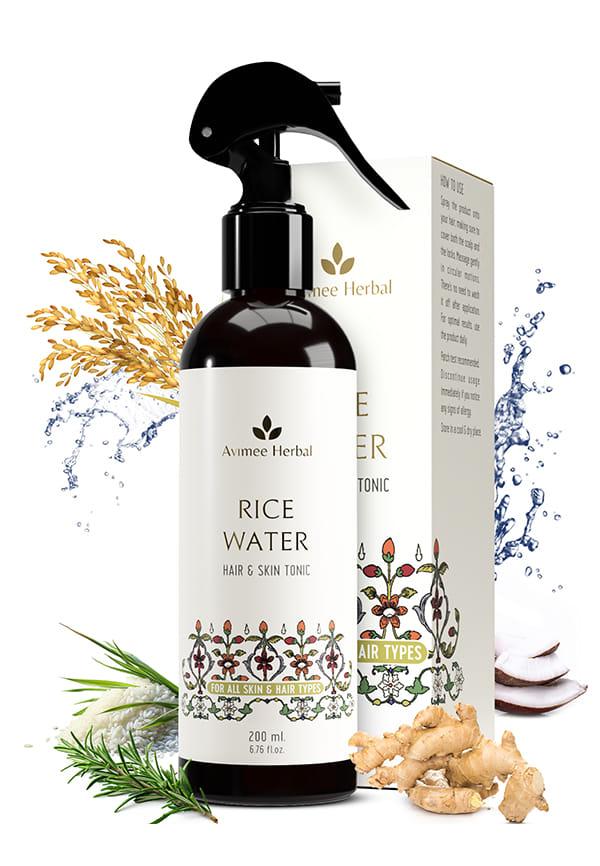 200 ml
Rice Water for Hair Health
Hair fall can feel like a proper nightmare, especially when you're watching strands pile up in your brush every morning. But here's the thing—sometimes the best solutions are hiding in your kitchen cupboard. Rice water for hair fall has been Asia's best-kept secret for centuries, and now it's having its moment worldwide. This simple, natural remedy might just be the game-changer your hair routine needs. Let's dive into how this humble ingredient can help you say goodbye to excessive hair fall and hello to stronger, healthier strands.
Rice water is literally the starchy liquid left behind after cooking or soaking rice. Sounds basic, right? But this cloudy water is packed with nutrients that your hair absolutely loves. For centuries, women in China, Japan, and Southeast Asia have used rice water as their go-to hair treatment, and there's solid science backing up why it works so well.
The magic lies in what rice water contains. We're talking amino acids, proteins, vitamins B and E, plus minerals like magnesium and zinc. But the real star? Inositol—a carbohydrate that helps repair damaged hair and protects it from future breakage. When you apply rice water to your hair, these nutrients get to work strengthening your hair shaft and improving elasticity, which means less snapping and fewer strands ending up on your pillow.
Here's where it gets interesting. You can use rice water straight up, or let it ferment for 24-48 hours. Fermented rice water for hair is considered more potent because the fermentation process increases the nutrient concentration and lowers the pH, making it gentler on your scalp whilst boosting its strengthening properties.
Let's get real about what rice water benefits for hair actually are. This isn't just another trend—there's proper research showing how rice water can transform your hair health from the inside out.
The amino acids in rice water work like tiny building blocks, filling in gaps in damaged hair cuticles. Think of it as giving your hair a protein treatment, but naturally. The starch creates a protective coating around each strand, which reduces friction and prevents breakage during styling and brushing.
Rice water's protein content helps rebuild weak spots in your hair structure. When hair lacks protein, it becomes stretchy and prone to snapping. Regular rice water treatments can help restore that strength.
The starch coating acts like a shield, protecting your hair cuticles from environmental damage and rough handling. Less damage means fewer split ends and stronger hair overall.
Healthy hair should be able to stretch slightly without breaking. Rice water for hair breakage works by improving this elasticity, making your strands more resilient to daily wear and tear.
Unlike harsh chemical treatments, rice water smooths your hair cuticles naturally, leaving your hair softer and more manageable without weighing it down.
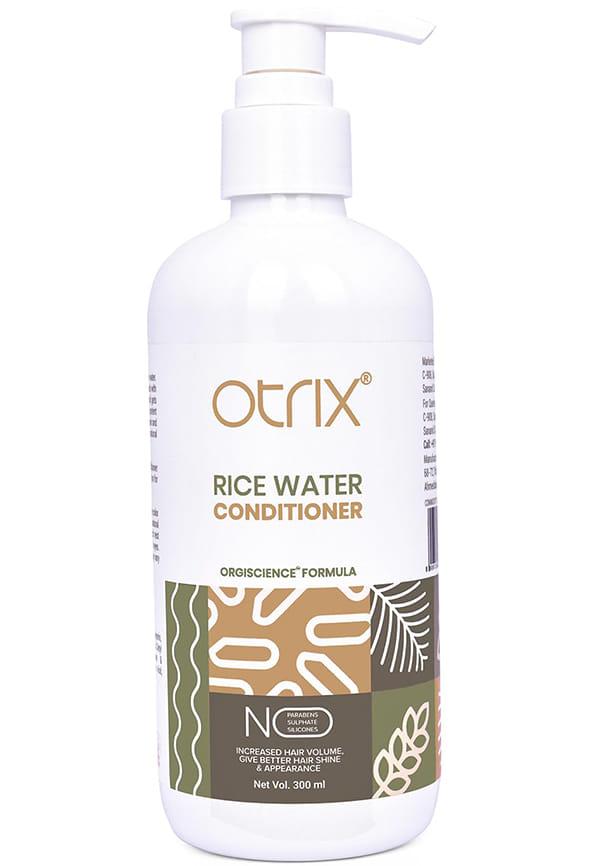 300 ml
Rice Water Conditioner
Ready to whip up your own DIY rice water for hair? There are three main methods, each with its own benefits. Pick the one that fits your schedule and patience level.
This is your go-to when you need rice water fast. Rinse half a cup of uncooked rice until the water runs clear. Add it to 2-3 cups of water and let it soak for 30 minutes. Strain the rice and you're done. White rice works best, but brown rice is fine too.
Boil rice in twice the amount of water you'd normally use. Once the rice is cooked, strain the excess water—that's your rice water. This method gives you a more concentrated formula, so dilute it with plain water before using.
Start with either soaking or boiling method, then let your rice water sit at room temperature for 24-48 hours until it smells slightly sour. This fermentation process creates the most nutrient-rich version. Store it in the fridge and use within 3 days.
Now for the fun part—actually using your rice water. The key is getting your technique right to maximise the benefits whilst avoiding any potential issues.
Start with freshly washed hair. Use your regular shampoo first, then skip the conditioner for now. You want your hair clean but ready to absorb all those lovely nutrients from the rice water.
Always do a patch test first, especially if you have sensitive skin. Apply a small amount of rice water to your inner elbow and wait 24 hours to check for any reactions.
Pour the rice water over your damp hair, making sure to saturate from roots to tips. Gently massage your scalp for 2-3 minutes—this helps with absorption and stimulates blood flow. Leave it on for 10-20 minutes, then rinse thoroughly with cool water.
Start with once a week and see how your hair responds. Some people can handle twice weekly applications, whilst others find once a week is plenty. Listen to your hair—if it starts feeling stiff or dry, dial back the frequency.
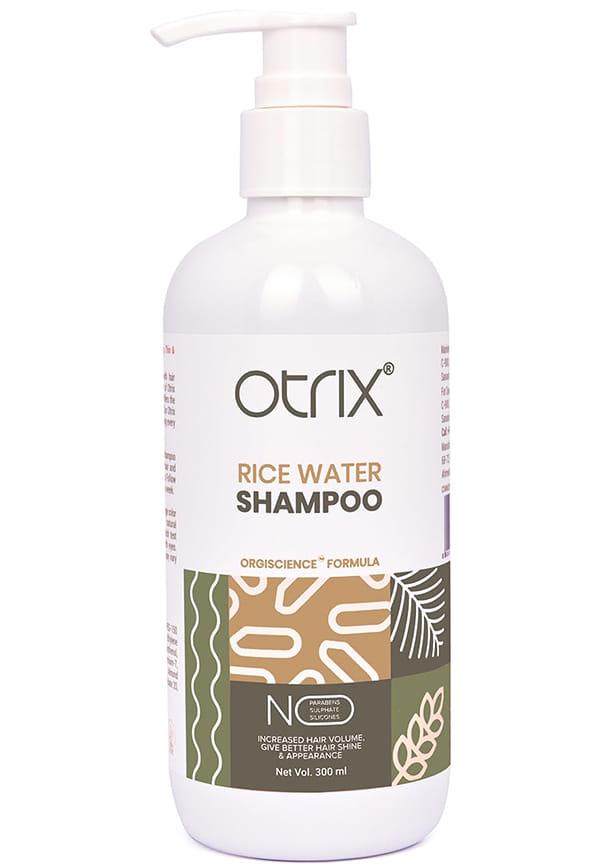 300 ml
Rice Water Shampoo
Let's set realistic expectations here. Rice water hair growth isn't going to happen overnight, despite what some social media posts might claim. Real results take time and consistency.
In the first couple of weeks, you might notice your hair feels stronger and looks shinier. By week three or four, you should see less hair in your brush and fewer strands on your pillow. The real magic happens around the 2-3 month mark when you start noticing actual length retention and possibly new growth.
Week 1-2: Hair feels stronger and more manageable. Week 3-4: Noticeable reduction in breakage and improved texture. Month 1-3: Significant decrease in hair fall and better overall hair health.
Ignore any claims about dramatic rice water for hair growth in 7 days. Hair growth is a slow process, and whilst rice water can help create the right conditions for healthy growth, it's not a miracle cure. Focus on the strengthening benefits and reduced breakage—that's where you'll see real results.
Rice water is generally safe for most people, but like any natural hair remedies, it's not right for everyone. Some hair types can actually react poorly to too much protein, which is what rice water essentially provides.
If you have low-porosity hair, you might find rice water sits on top of your strands rather than penetrating them. This can lead to buildup and make your hair feel stiff or brittle. Similarly, if your hair is already protein-heavy, adding more through rice water treatments might cause more harm than good.
People with protein-sensitive hair should be cautious. Signs include hair that feels stiff, brittle, or breaks easily after protein treatments. Those with certain scalp conditions like eczema should also patch test carefully.
Protein buildup is the main concern. If your hair starts feeling rough or breaking more than usual, take a break from rice water and focus on moisturising treatments instead.
Want to get the most out of your rice water treatments? Here are some insider tips that can make all the difference to your results.
First, don't overdo it. More isn't always better with rice water. Stick to your schedule and resist the urge to use it daily. Your hair needs balance—protein from rice water, but also moisture from other treatments.
Try adding a few drops of essential oils like rosemary or lavender to your rice water. These can boost circulation and add extra nourishment. You can also alternate rice water treatments with deep conditioning masks to maintain the protein-moisture balance.
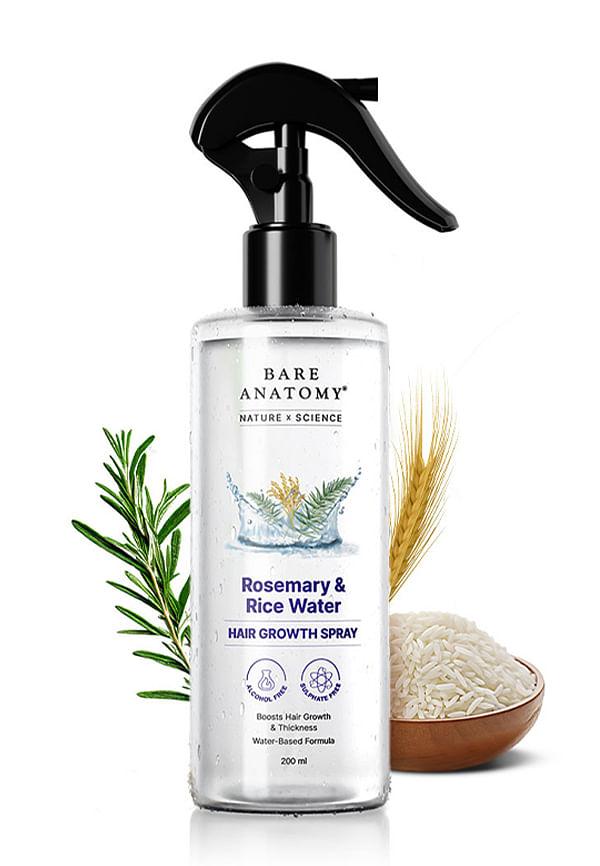 200 ml
Rosemary Water Spray for Hair Growth with Rice water, 100% Natural Extract
Using rice water too frequently is the biggest mistake. Another common error is not diluting concentrated rice water properly, which can lead to protein overload. Always rinse thoroughly—leaving rice water residue can cause buildup.
When exploring natural hair loss treatment options, platforms like Smytten make it easier to discover and try professional haircare products alongside your DIY treatments. With curated trial packs from trusted brands, you can experiment with different approaches to find what works best for your hair type without committing to full-size products.
Keep rice water on your hair for 10-20 minutes maximum. Leaving it longer won't increase benefits and might lead to protein buildup or dryness.
Yes, rice water can help reduce hair fall by strengthening hair strands and improving elasticity. The amino acids and proteins help repair damage that leads to breakage.
Apply rice water to clean, damp hair after shampooing. Massage gently into scalp and hair, leave for 10-20 minutes, then rinse thoroughly with cool water.
Potential side effects include protein buildup, hair stiffness, and scalp irritation in sensitive individuals. Always patch test and avoid overuse.
Rice water should complement, not replace, your regular haircare routine. Continue using moisturising conditioners and treatments to maintain balance.
Start with once weekly and adjust based on your hair's response. Most people find 1-2 times per week optimal, but this varies by hair type and condition.
Rice water for hair fall is definitely worth a try, especially if you're looking for natural ways to strengthen your hair and reduce breakage. The key is consistency, patience, and listening to what your hair needs. Remember, everyone's hair is different, so what works amazingly for your mate might need tweaking for you.
Start slow, pay attention to how your hair responds, and don't expect overnight miracles. With regular use and proper technique, rice water could become your new favourite hair treatment. And if you're curious about exploring other haircare options, Smytten's trial packs let you discover professional treatments that might complement your rice water routine perfectly. After all, why settle for maybe when you can try it all and find what truly works for your hair?
