How to Use Natural Ingredients for Healthier Hair

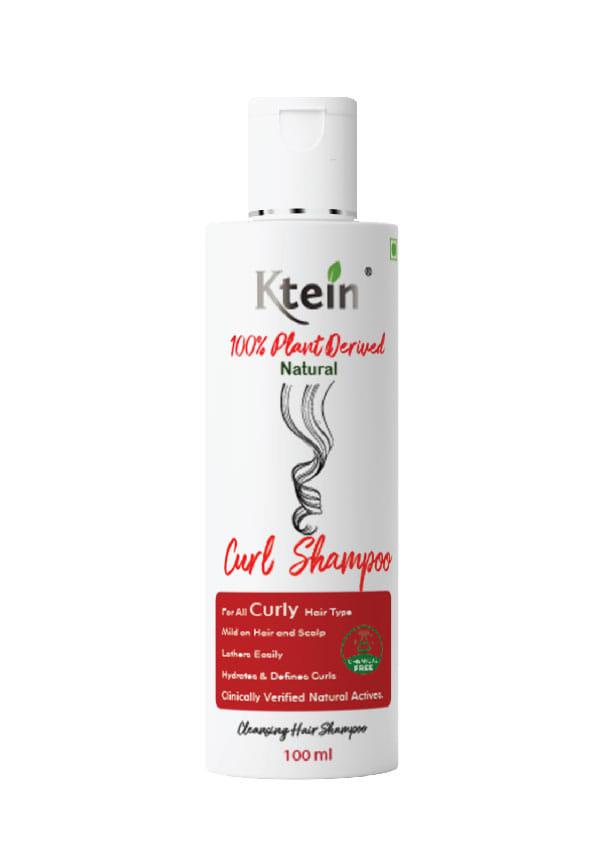 100 ml
Natural 100% Plant Derived Curl Shampoo
Your hair has been through a lot lately, hasn't it? Between heat styling, pollution, and those chemical-heavy products promising miracles, your strands might be crying out for something gentler. Here's the thing—nature has been perfecting haircare ingredients long before laboratories started mixing synthetic formulas. From ancient Ayurvedic traditions to modern scientific research, natural ingredients for hair have proven their worth time and again. Whether you're dealing with thinning hair, a cranky scalp, or just want that glossy, healthy look, plant-based solutions might just be your hair's new best friend.
Let's be real—your hair follicles weren't designed to process synthetic chemicals that sound like they belong in a chemistry textbook. Natural haircare ingredients work with your hair's biology rather than against it. Unlike harsh chemicals that strip away natural oils and disrupt your scalp's pH balance, organic hair products tend to nourish and support your hair's natural processes.
The science is pretty compelling too. Studies show that many plant-based compounds contain bioactive molecules that can penetrate the hair shaft more effectively than their synthetic counterparts. These natural compounds often come with built-in protective properties—antioxidants, vitamins, and minerals that your hair actually recognises and can use.
Non-toxic hair products also mean you're avoiding potentially harmful ingredients like sulphates, parabens, and silicones that can build up over time. Your scalp is skin, after all, and what you put on it gets absorbed. Natural ingredients typically offer gentler cleansing and conditioning without the long-term damage that some synthetic ingredients can cause.
If you're looking to boost hair growth or add some thickness to your strands, certain natural ingredients have serious scientific backing. These hair growth ingredients work by stimulating blood circulation, providing essential nutrients, or creating optimal conditions for healthy follicle function.
Rosemary oil is basically the superstar of natural hair growth. Clinical studies have shown it can improve hair growth by up to 44% when used consistently. The secret lies in its ability to improve circulation and its anti-inflammatory properties.
Castor oil contains ricinoleic acid, which helps stimulate hair follicles and may even help with regrowth in areas of thinning. It's thick and rich, making it perfect for overnight treatments.
Peppermint oil creates a cooling sensation that indicates increased blood flow to your scalp. Research shows it can actually increase follicle depth, which translates to stronger, thicker hair growth.
Saw palmetto works by blocking DHT (dihydrotestosterone), the hormone responsible for pattern hair loss. It's like a natural alternative to some prescription treatments, but gentler on your system.
Fenugreek seeds are packed with iron and protein—two things your hair absolutely needs for strength and growth. You can grind them into a paste or soak them overnight for a nutrient-rich treatment.
Amla (Indian gooseberry) is loaded with vitamin C and antioxidants that support your hair's growth cycle. It's been used in traditional Indian haircare for centuries, and modern research backs up its effectiveness.
Sometimes your hair doesn't need growth stimulation—it needs some serious TLC. These healthy hair ingredients focus on strengthening what you've got and keeping it properly moisturised and protected from damage.
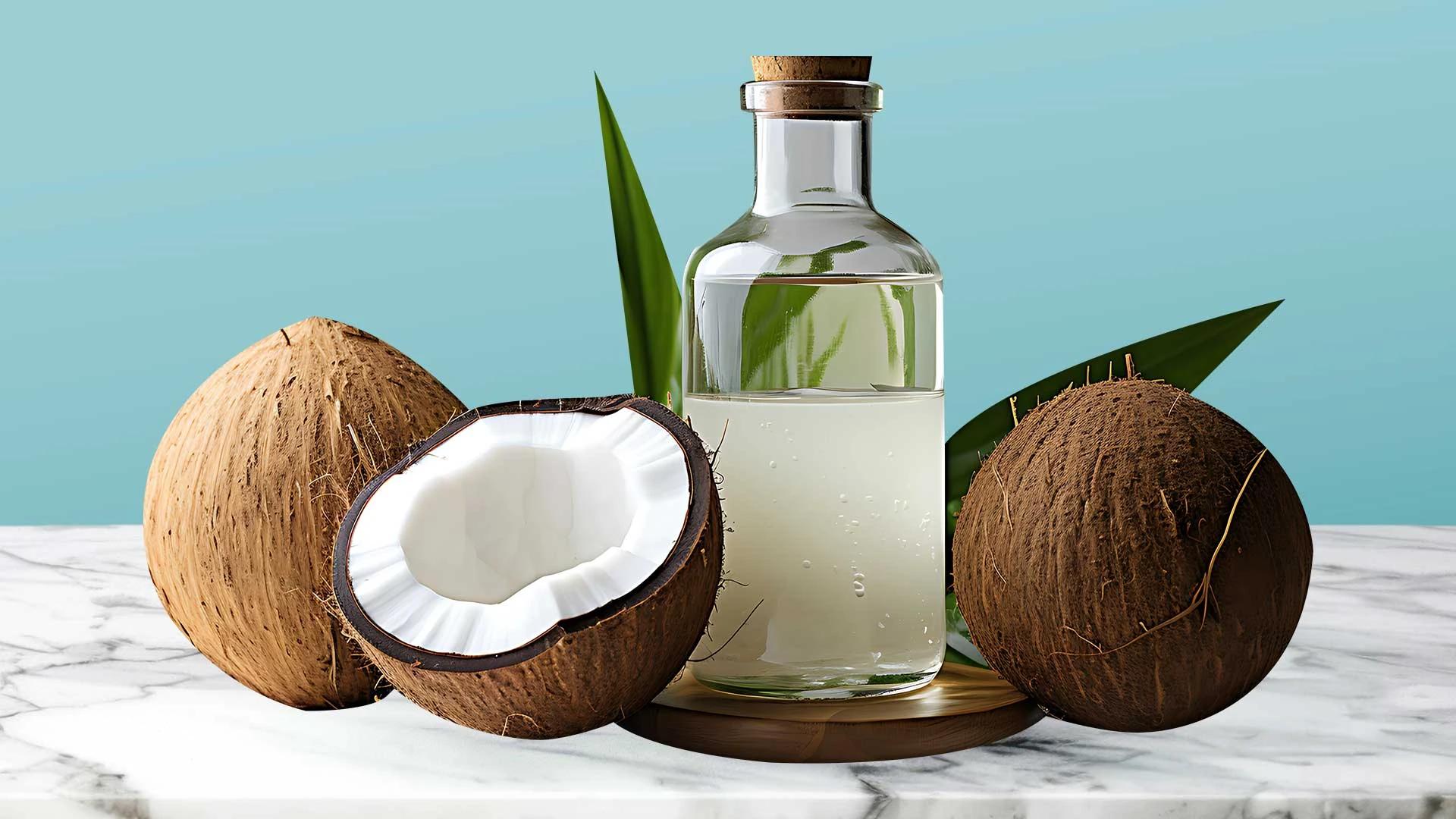
Coconut oil is unique because its molecular structure allows it to actually penetrate the hair shaft rather than just sitting on top. This means it can prevent protein loss and provide deep conditioning from the inside out.
Argan oil is rich in vitamin E and fatty acids that add shine and improve elasticity. It's particularly good for damaged or chemically treated hair that needs some extra love.
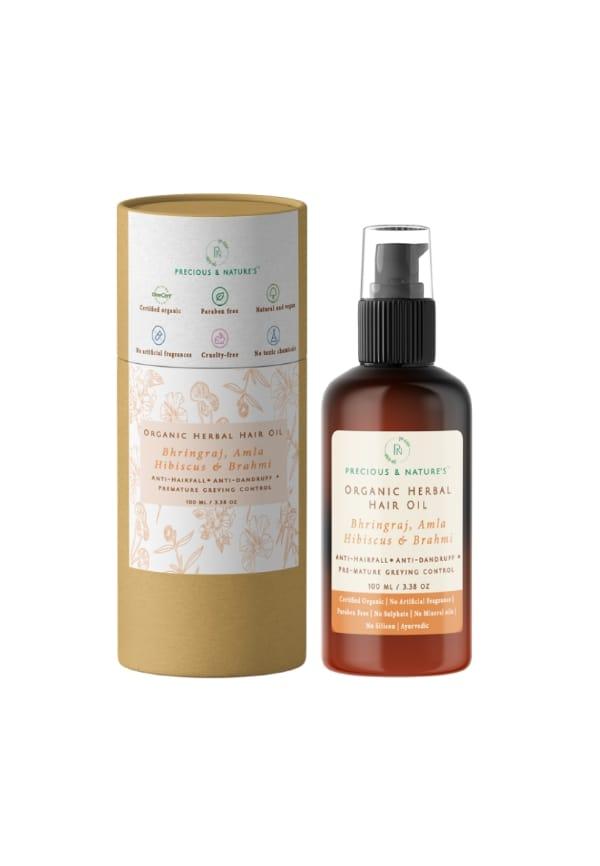 100 ml
Organic and Herbal Hair Oil
Jojoba oil technically isn't an oil—it's a wax ester that closely mimics your scalp's natural sebum. This makes it perfect for balancing moisture without weighing your hair down.
Aloe vera soothes irritated scalps and helps balance pH levels. Its gel-like consistency makes it perfect for leave-in treatments, especially if you have sensitive skin.
Avocado contains natural proteins and healthy fats that can help repair damaged hair cuticles. Mash it up for a DIY mask that leaves your hair incredibly soft.
Honey is a natural humectant, meaning it draws moisture from the air into your hair. It also has antimicrobial properties that can help keep your scalp healthy.
Your scalp is where the magic happens, so keeping it healthy is crucial for good hair growth. These scalp health ingredients address common issues like dandruff, irritation, and poor circulation that can interfere with healthy hair growth.
Tea tree oil is brilliant for controlling the yeast (Malassezia) that often causes dandruff. Just a few drops mixed with a carrier oil can make a huge difference in scalp health.
Neem has been used in traditional Ayurvedic medicine for centuries to treat various scalp conditions. Its antifungal and antibacterial properties make it excellent for maintaining scalp health.
Apple cider vinegar helps restore your scalp's natural pH and removes product buildup that can clog follicles. Dilute it well—it's quite acidic on its own.
Ginger stimulates blood flow to your scalp, which means more nutrients reach your hair follicles. You can use fresh ginger juice or ginger essential oil (properly diluted).
Cayenne pepper contains capsaicin, which enhances circulation and nutrient delivery to follicles. Use it sparingly—a little goes a long way.
Green tea contains caffeine, which can stimulate hair follicles and may help extend the growth phase of your hair cycle.
Ready to get your hands dirty? These DIY hair masks let you customise treatments based on exactly what your hair needs. The best part is you probably already have most of these ingredients in your kitchen.
Egg masks provide a complete amino acid profile that can help repair damaged hair. Mix one egg with a tablespoon of olive oil for extra moisture.
Yoghurt and honey treatments combine probiotics with moisture-binding properties. This combo is particularly good for dry, damaged hair that needs both protein and hydration.
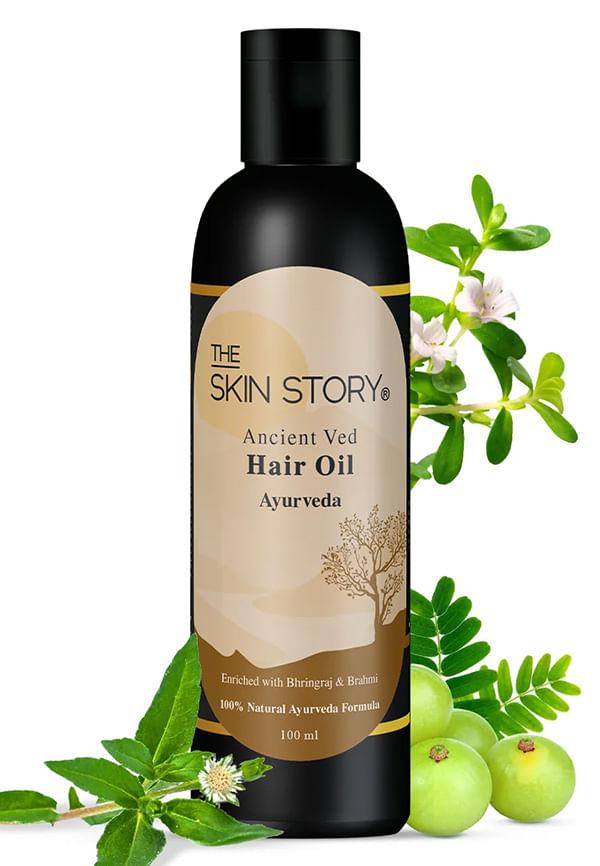 100 ml
Ancient Ved Hair Growth Oil Enriched With Bhringraj & Brahmi| 100% Natural Ayurveda Formula
Rice water rinses contain inositol, which helps improve hair elasticity and reduces surface friction. Save the water from cooking rice—it's that simple.
Banana and olive oil masks are rich in potassium and provide intense moisture. Mash a ripe banana with two tablespoons of olive oil for a nourishing treatment.
Coconut milk treatments offer natural proteins and vitamins in a lightweight formula that won't weigh your hair down.
Beetroot juice contains nitrates that can improve circulation to your scalp. Mix it with a carrier oil to avoid staining.
Using natural ingredients isn't just about slapping them on your hair and hoping for the best. The application method can make or break your results, and different hair types need different approaches.
For fine hair, stick to lightweight oils like jojoba or grapeseed, and always dilute essential oils properly. Too much product can weigh down fine strands and make them look greasy.
If you have thick or coarse hair, you can handle heavier oils like castor or coconut oil, and you'll likely need longer treatment times for the ingredients to penetrate properly.
Curly hair benefits from leave-in treatments and protective styling during treatment periods. The curl pattern can make it harder for natural oils to travel down the hair shaft, so focus on the ends.
Pre-shampoo treatments work best when left on for 30-60 minutes. This gives the ingredients time to penetrate without over-processing your hair.
For overnight treatments, stick to gentler ingredients like aloe vera or diluted oils. Avoid anything too acidic or stimulating that might irritate your scalp while you sleep.
Weekly maintenance routines tend to work better than daily treatments. Your hair needs time to respond to natural ingredients, so consistency beats intensity.
Natural doesn't automatically mean safe for everyone. Some people are allergic to certain plants, and essential oils can cause irritation if not used properly. A little caution goes a long way in preventing problems.
Always dilute essential oils properly—most should be mixed with a carrier oil at a ratio of 2-3 drops per tablespoon of carrier oil. Using them undiluted can cause burns or severe irritation.
Patch testing is crucial, especially if you have sensitive skin. Apply a small amount of your mixture to the inside of your wrist and wait 24 hours to check for reactions.
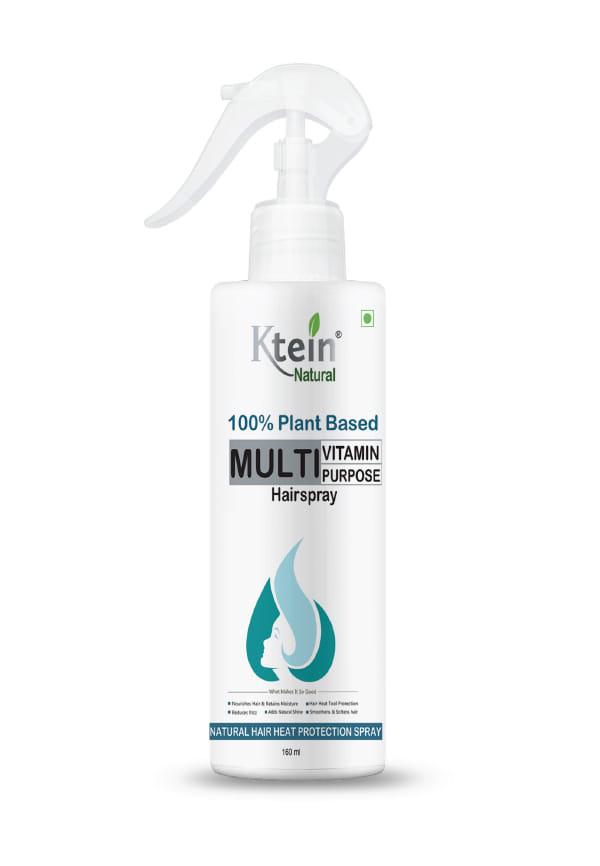 160 ml
100% Natural Plant Based Multi Vitamin Purpose Hairspray
If you have existing scalp conditions like eczema or psoriasis, introduce new ingredients slowly and consider consulting a dermatologist first.
If you're experiencing persistent hair loss or scalp issues, natural remedies might not be enough. Sometimes underlying health conditions need medical attention.
Severe allergic reactions to natural ingredients require immediate medical care. Stop using any product that causes burning, severe itching, or swelling.
If you're already using medical treatments for hair loss, check with your doctor before adding herbal treatments to avoid potential interactions.
Speaking of discovering what works for your hair, platforms like Smytten make it easier to explore different haircare ingredients without committing to full-size products. With over 1,500 trusted brands and the ability to try up to 8 minis for just ₹249, you can experiment with various organic hair products and plant-based formulations to find what your hair truly loves.
Rosemary oil has the strongest scientific evidence for hair growth, with studies showing it's as effective as minoxidil for androgenetic alopecia. It works by improving circulation and reducing inflammation around hair follicles.
Most people notice improvements in hair texture and scalp health within 2-4 weeks of consistent use. However, significant growth and thickness changes typically appear after 8-12 weeks, as this aligns with your hair's natural growth cycle.
When used properly, natural ingredients are generally safer than synthetic alternatives. However, overuse of protein treatments can make hair brittle, and undiluted essential oils can cause scalp irritation or chemical burns.
Tea tree oil, neem, and apple cider vinegar are most effective for dandruff control due to their antifungal properties and ability to balance scalp pH. Always dilute these ingredients properly before use.
Yes, but application methods and concentrations should be adjusted based on your hair's porosity, texture, and scalp sensitivity. Fine hair needs lighter formulations, while coarse hair can handle richer treatments.
Natural ingredients for hair offer a gentler, more sustainable approach to haircare that actually works with your hair's biology. From growth-stimulating rosemary oil to nourishing coconut treatments, these plant-based solutions have centuries of traditional use backed by modern scientific research. The key is finding the right combination for your specific hair type and concerns, then being consistent with your routine.
Remember, healthy hair is a marathon, not a sprint. Natural ingredients work gradually but effectively, building strength and vitality over time rather than providing quick fixes that might damage your hair in the long run. Whether you're dealing with thinning, dryness, or scalp issues, there's likely a natural solution worth trying. With Smytten's trial platform, you can explore various herbal hair treatments and organic formulations from trusted brands, making it easier than ever to discover what truly works for your unique hair needs. After all, why settle for 'maybe' when you can try it all and find your perfect natural haircare routine?
