How to Use Herbs for Faster Hair Growth


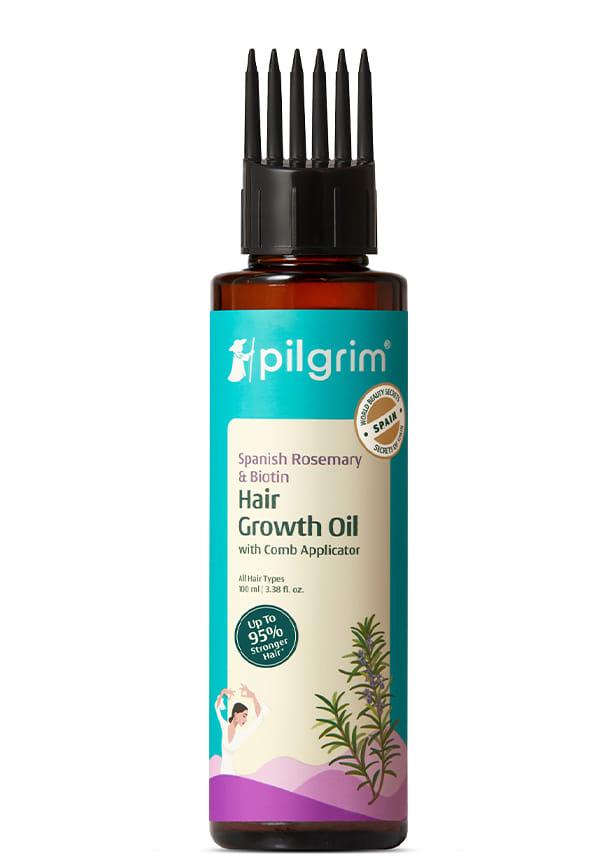 100 ml
Spanish Rosemary & Biotin Hair Growth Oil
Let's be real—we've all been there. Staring at our hairline in the mirror, wondering if our hair is growing at the pace of a sleepy snail. While the beauty aisles are packed with promises of miracle growth serums, sometimes the best solutions have been hiding in nature all along. Herbs for hair growth aren't just trendy wellness content—they're backed by centuries of traditional use and increasingly, modern science too. From ancient Ayurvedic wisdom to clinical studies, these natural powerhouses can genuinely transform your hair game. Ready to discover how plants can become your hair's new best mates?
Here's the thing about natural hair growth—it's not magic, it's biology. Your hair follows a specific growth cycle: anagen (active growth), catagen (transition), and telogen (resting). Most herbs for hair growth work by extending that anagen phase, boosting blood circulation to your scalp, or providing essential nutrients that your follicles are craving.
The secret lies in the active compounds these herbs contain. Flavonoids act as antioxidants, protecting your follicles from damage. Essential oils like menthol and cineole increase blood flow, delivering more nutrients to your roots. Some herbs even contain natural DHT blockers—that's the hormone responsible for pattern hair loss. Clinical studies have shown that certain herbs can be just as effective as conventional treatments, minus the harsh side effects.
Not all best herbs for hair are created equal. Some have centuries of traditional backing, others have modern research to prove their worth. Let's break down the real MVPs of the herbal hair world.
Bhringraj tops the list of ayurvedic herbs for hair for good reason. Known as the "king of hair herbs," this little green powerhouse contains compounds that can literally wake up dormant follicles. Mix bhringraj powder with coconut oil for a weekly treatment that your scalp will thank you for.
Amla is basically vitamin C in plant form. This Indian gooseberry strengthens hair shafts, prevents premature greying, and gives your scalp the antioxidant boost it needs. Fresh amla juice mixed with lemon makes an excellent scalp treatment.
Fenugreek seeds are protein powerhouses. Soak them overnight, grind into a paste, and you've got yourself a natural hair thickening treatment. The iron content helps combat hair loss, while the proteins rebuild damaged strands.
Rosemary isn't just for your Sunday roast—it's one of the most scientifically proven hair growth herbs. Studies show rosemary oil performs as well as minoxidil for stimulating growth. The carnosic acid in rosemary improves nerve growth and circulation.
Peppermint oil creates that tingly sensation for a reason. The menthol increases blood flow to your scalp, potentially increasing the number of follicles and their depth. Just remember to dilute it properly—neat peppermint oil can be quite intense.
Horsetail is rich in silica, which strengthens hair and improves its elasticity. This herb is particularly brilliant for those dealing with brittle, breaking hair that just won't seem to grow past a certain length.
Hibiscus flowers contain amino acids that nourish hair and alpha hydroxy acids that naturally exfoliate the scalp. Blend fresh hibiscus petals with coconut oil for a treatment that promotes both growth and shine.
Ginseng is an adaptogen that helps your body manage stress—and stressed bodies don't grow healthy hair. The ginsenosides in ginseng can prolong the anagen phase of hair growth.
Aloe vera isn't just for sunburns. Its proteolytic enzymes repair dead skin cells on the scalp, creating an optimal environment for hair growth. Plus, it's incredibly soothing if you're dealing with scalp irritation.
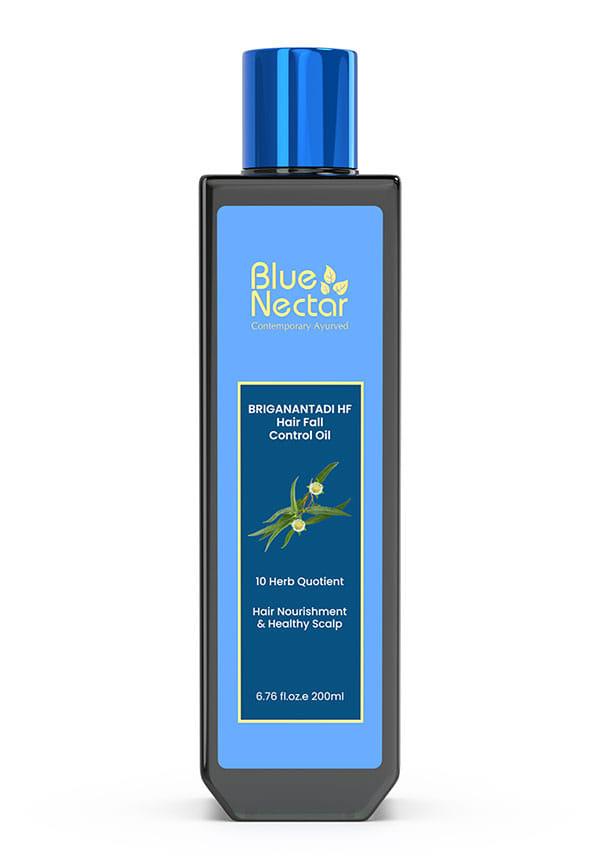 192 g
192 gBriganantadi Hair Fall control and Healthy Scalp Hair Oil 10 Herbs
Knowing which herbal hair remedies work is only half the battle. The real magic happens in how you prepare and apply them. Get this bit right, and you'll see much better results.
Oil infusions are probably the easiest way to harness the power of hair thickening herbs. For hot infusion, gently heat your carrier oil (coconut, jojoba, or castor work brilliantly) and add dried herbs. Keep the temperature low—you want to extract the goodness without destroying the delicate compounds.
Cold infusion takes longer but preserves heat-sensitive compounds. Simply mix your herbs with oil and let them sit in a sunny spot for 2-4 weeks, shaking occasionally. Strain through cheesecloth and store in a dark glass bottle.
Pro tip: Coconut oil is excellent for dry hair, jojoba mimics your natural sebum, and castor oil is particularly good for thinning areas.
Fresh herb pastes deliver concentrated nutrients directly to your scalp. Grind fresh herbs with just enough water to form a paste, or use herb powders mixed with yoghurt or aloe vera gel. Apply to damp hair, focusing on the scalp and roots.
Timing matters—leave masks on for 20-30 minutes for optimal absorption. Any longer and you risk over-processing, especially with potent herbs like neem or tea tree.
Herbal rinses are brilliant for regular maintenance. Brew strong herbal teas, let them cool, and use as a final rinse after shampooing. Rosemary and nettle teas are particularly effective for this.
The pH of your rinse matters too. Most herbs create slightly acidic rinses, which help seal the hair cuticle and add shine while delivering growth-promoting compounds.
Different hair concerns need different approaches. Let's match the right hair loss herbs to your specific situation.
If you're dealing with hair loss, focus on herbs for healthy hair that block DHT or improve circulation. Saw palmetto, pumpkin seed oil, and nettle are your best friends here. These herbs contain compounds that can inhibit the enzyme that converts testosterone to DHT.
Combine these with circulation boosters like rosemary and peppermint for a comprehensive approach. The goal is to create an environment where existing follicles can thrive and dormant ones can reactivate.
When your hair grows slowly or breaks easily, you need protein and mineral support. Fenugreek and amla provide proteins and iron, while horsetail delivers silica for strength. These herbal hair growth treatments work from the inside out, literally rebuilding your hair structure.
Kelp and other seaweeds are also excellent sources of minerals that support healthy growth. They're particularly rich in iodine, which supports thyroid function—and healthy thyroid function is crucial for hair growth.
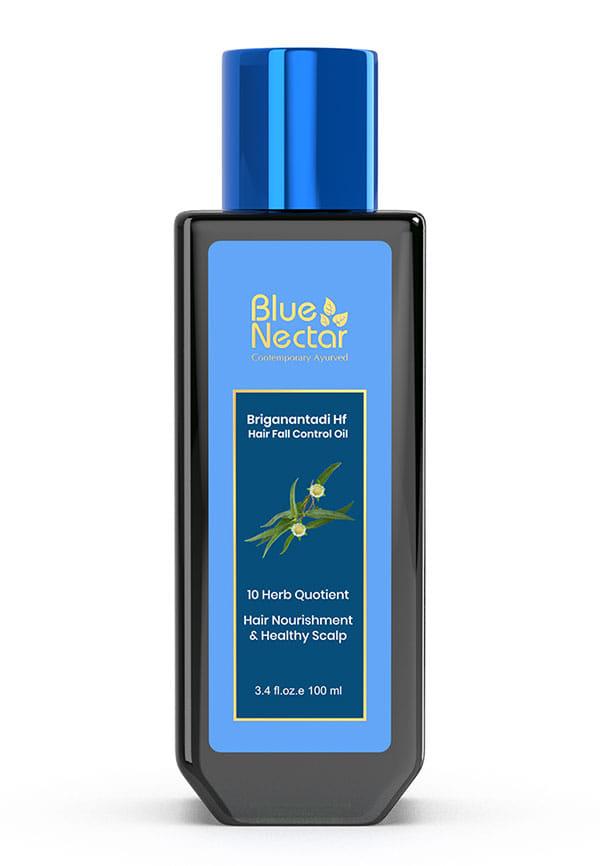 100 g
100 gBriganantadi Hair Fall control and Healthy Scalp Hair Oil 10 Herbs
Sometimes the scalp environment is the real culprit behind slow growth. Anti-inflammatory herbs like turmeric and calendula can soothe irritated scalps, while antifungal treatments like neem and tea tree address underlying scalp conditions.
A healthy scalp is the foundation for healthy hair growth. If you're dealing with dandruff, excess oil, or sensitivity, address these issues first with appropriate herbs.
Ready to promote hair growth naturally? Here's a simple week-long protocol to get you started with herbal treatments.
Days 1-2: Start with scalp preparation. Use a gentle clarifying treatment with apple cider vinegar and water (1:3 ratio) to remove product buildup. This creates a clean slate for your herbal treatments to work effectively.
Days 3-4: Apply your first herbal oil treatment. Choose one herb to start with—rosemary oil is brilliant for beginners. Mix 5-10 drops with a tablespoon of carrier oil, massage into your scalp, and leave for at least 30 minutes before washing.
Days 5-6: Continue with your chosen treatment while monitoring how your scalp responds. Some people experience slight tingling with herbs like peppermint—this is normal. However, any burning or severe irritation means you should discontinue use.
Day 7: Assess how your scalp feels and looks. Is it less oily or dry than before? Any changes in texture? Use this information to adjust your routine for the following week.
For the first month, stick to 2-3 treatments per week. Consistency trumps intensity when it comes to herbal hair care. Many people see improvements in scalp health within 2-4 weeks, with noticeable growth changes appearing after 8-12 weeks of regular use.
While herbal hair growth treatments are generally safer than chemical alternatives, they're still potent substances that deserve respect. Always patch test new herbs on a small area of skin 24-48 hours before full application.
Pregnant or breastfeeding women should avoid certain herbs like rosemary in large quantities, sage, and peppermint. When in doubt, consult your healthcare provider—especially if you're taking medications that might interact with herbal compounds.
Essential oil herbs need proper dilution. A good rule of thumb is 5-10 drops per tablespoon of carrier oil for scalp treatments. Neat essential oils can cause chemical burns, so always dilute them properly.
Watch for signs of allergic reactions: excessive redness, swelling, or persistent irritation. If you experience any of these, discontinue use immediately and rinse thoroughly with cool water.
Here's the truth—herbs work best when they're part of a holistic approach to hair health. Your natural hair growth journey isn't just about what you put on your scalp; it's about supporting your body's overall ability to grow healthy hair.
Nutrition plays a huge role. Iron, protein, and B vitamins are crucial for hair growth, so make sure your diet includes plenty of leafy greens, lean proteins, and whole grains. Herbs work much better when your body has the raw materials it needs to build healthy hair.
Scalp massage enhances the absorption of herbal treatments while improving circulation. Spend 5-10 minutes massaging your scalp when applying treatments—your follicles will thank you for the extra attention.
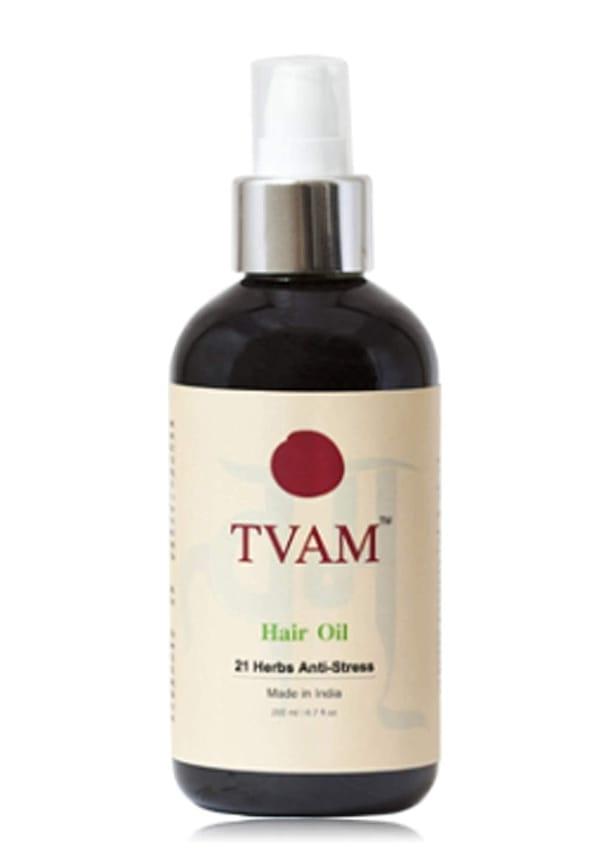 200 ml
Hair Oil - 21 Herbs Anti-Stress
Sleep and stress management are often overlooked but crucial factors. Chronic stress can push hair follicles into the resting phase prematurely, while poor sleep disrupts the hormones needed for healthy growth. Consider adaptogenic herbs like ashwagandha or ginseng if stress is a major factor in your life.
Seasonal adjustments can also help. Your scalp might need more moisture in winter or lighter treatments in humid summer months. Pay attention to how your hair responds to different conditions and adjust accordingly.
While you're exploring these natural solutions, platforms like Smytten make it easier to discover and try new haircare products that complement your herbal routine. With over 1,500 trusted brands and the ability to try products before committing to full sizes, you can experiment with different combinations without the usual financial risk. After all, finding the perfect haircare routine often involves trying multiple products to see what works best with your natural treatments.
Rosemary is scientifically proven as one of the most effective herbs for hair growth, with studies showing it performs as well as minoxidil. Bhringraj, known as the "king of hair herbs" in Ayurveda, is equally powerful for comprehensive hair treatment.
Bhringraj (Eclipta prostrata) is traditionally called the "king of hair herbs" due to its exceptional ability to promote growth, prevent premature greying, and strengthen hair follicles.
Fenugreek leaves are particularly effective for faster hair growth as they provide essential proteins and iron. They condition the scalp, reduce dryness, and encourage new strand regeneration when used in hair masks or rinses.
Several plants can help regrow hair, including rosemary, peppermint, and pumpkin seed oil. These herbs work by stimulating blood circulation, blocking DHT, and providing nutrients essential for follicle regeneration.
Most people see initial improvements in hair texture and scalp health within 2-4 weeks, with noticeable growth increases typically appearing after 8-12 weeks of consistent use.
Yes, many herbs work synergistically together. However, start with one herb to see how your scalp responds, then gradually introduce others. Popular combinations include rosemary with peppermint or bhringraj with amla.
Most herbal treatments are gentle enough for coloured hair, but some herbs like henna can affect colour. Always patch test and research how specific herbs might interact with your hair colour or recent chemical treatments.
The journey to healthier, faster-growing hair doesn't have to involve harsh chemicals or expensive treatments. These time-tested herbs offer a gentle yet effective approach to achieving your hair goals. Whether you're dealing with thinning hair, slow growth, or just want to improve your hair's overall health, there's likely an herbal solution that's worth a try.
Remember, consistency is key with herbal treatments. Unlike chemical solutions that might show quick but temporary results, herbs work gradually to improve your scalp health and hair growth from the ground up. Give your chosen herbs at least 8-12 weeks to show their full potential.
As you explore these natural solutions, don't forget that modern haircare products can complement your herbal routine beautifully. Smytten's platform makes it incredibly easy to discover new products that might work alongside your natural treatments. With trial packs from over 1,500 trusted brands, you can experiment with different shampoos, conditioners, and treatments to find what works best with your herbal regimen—all without the commitment of full-size purchases. After all, why settle for 'maybe' when you can try it all and find your perfect haircare combination?
