How to Use Hair Oil for Growth & Shine: A Simple Guide
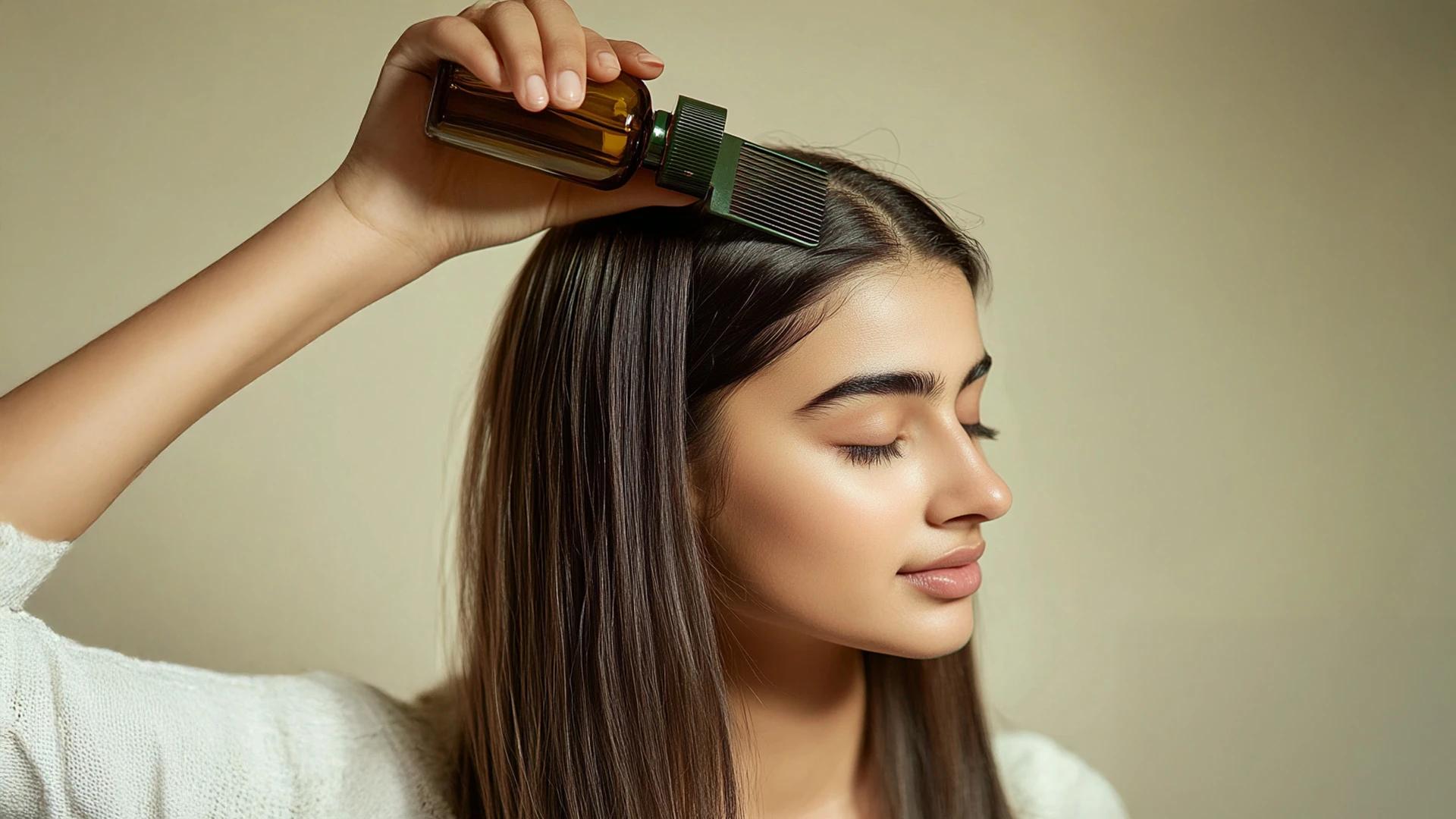

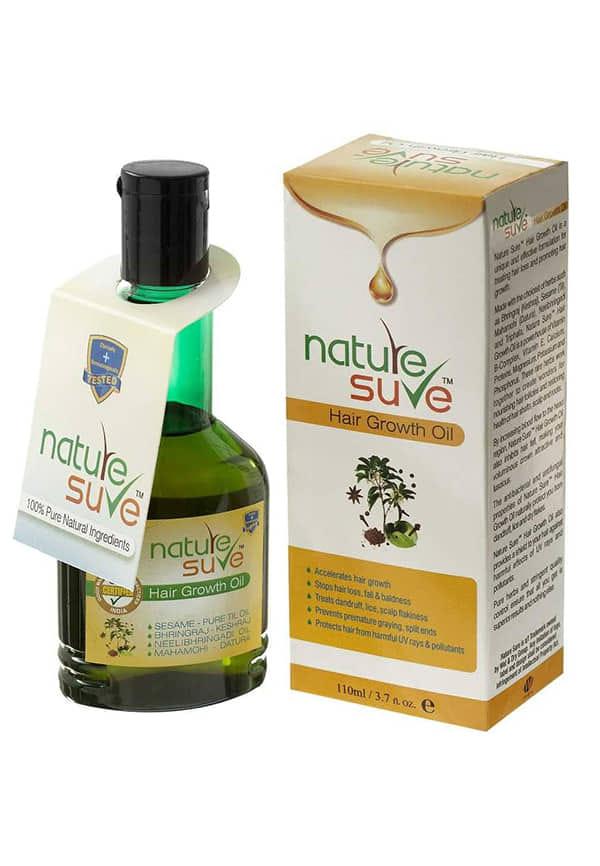
Hair Growth Oil for Darker and Stronger Hair in Men and Women
You know that moment when you're scrolling through hair tutorials and everyone's talking about oiling their hair, but you're sitting there wondering if you're doing it completely wrong? Same. One day you're slathering oil everywhere hoping for Rapunzel vibes, the next you're dealing with greasy roots that won't budge. Real talk—learning how to use hair oil properly isn't just about slapping it on and hoping for the best. It's about understanding your hair's actual needs and working with them, not against them.
Let's start with the science bit (but make it simple). Hair oil benefits go way beyond just making your strands look shiny. When you apply oil correctly, it creates a protective barrier that locks in moisture, reduces friction between hair strands, and can even help strengthen your hair shaft over time. Think of it as giving your hair a proper drink of water, then sealing it in so it doesn't evaporate.
Your scalp produces natural oils called sebum, but sometimes it needs a helping hand—especially if you're dealing with dryness, frequent washing, or heat styling. The right hair oil application can supplement what your scalp naturally does, filling in the gaps where your hair needs extra protection. But here's where most people mess up: they think more oil equals better results. Spoiler alert—it doesn't.
The key is understanding that different parts of your hair need different amounts of attention. Your scalp might benefit from a stimulating massage with oil to boost circulation, whilst your ends probably need moisture-sealing protection. Getting the technique right means your hair actually absorbs the good stuff instead of just sitting there looking greasy.
Not all oils are created equal, and finding the best hair oil for your specific needs is like finding the perfect jeans—it takes some trial and error. Let's break down the main players and what they're actually good for.
Coconut oil is probably the most talked-about option, and for good reason. It's one of the few oils that can actually penetrate the hair shaft rather than just sitting on top. This makes it brilliant for damaged or chemically treated hair that needs some serious TLC. However, if you have fine or low-porosity hair, coconut oil might be too heavy and leave you looking like you haven't washed your hair in weeks.
Argan oil is your middle-ground friend—light enough for most hair types but still packed with vitamin E and fatty acids. It's particularly good if you're looking for shine without the weight. Jojoba oil is technically a wax, not an oil, which means it mimics your scalp's natural sebum really well. This makes it perfect for people with oily scalps who still want to use hair oil without making things worse.
For those focused on hair oil for hair growth, castor oil is often the go-to choice. It's thick, rich in ricinoleic acid, and many people swear by its ability to stimulate hair follicles. Just remember—it's heavy stuff, so a little goes a very long way. Natural hair oil blends often combine several of these ingredients to give you multiple benefits in one bottle, which can be worth exploring if you're not sure where to start.
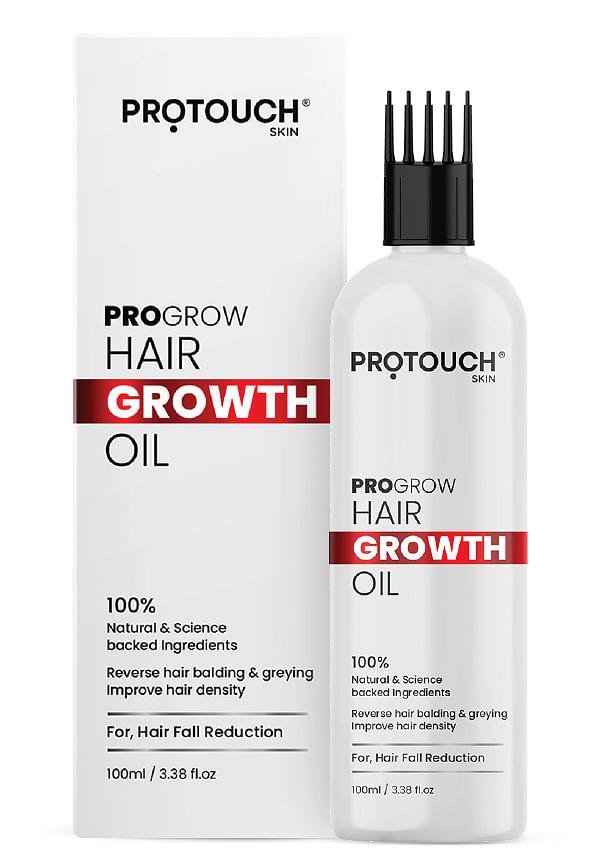
Profrow Hair Growth Oil
Right, let's get into the actual how-to bit. There are two main ways to use hair oil, and which one you choose depends on what you're trying to achieve and how much time you've got.
This is your deep conditioning approach, perfect for when your hair needs some serious moisture or you're trying to boost growth. Start by sectioning your hair into manageable parts—think four to six sections depending on how thick your hair is. Warm a small amount of oil between your palms (cold oil doesn't penetrate as well), then work it through each section from roots to tips.
Here's where the scalp massage with oil becomes important. Use your fingertips (not your nails) to massage in small circular motions for about five to ten minutes. This isn't just relaxing—it actually increases blood flow to your hair follicles, which can help with growth and overall scalp health. You can leave the oil in for anywhere from one hour to overnight, depending on how much time you have and how dry your hair is.
This method is all about protection and styling. After washing and conditioning, gently towel-dry your hair until it's damp but not dripping. Take just a few drops of oil—seriously, start with less than you think you need—and warm it between your palms. Focus on the mid-lengths and ends of your hair, avoiding the roots unless you have a very dry scalp.
The key here is working with damp hair. When your hair is slightly wet, the oil can help seal in that moisture rather than just sitting on top of dry strands. This method is particularly good for hair oil for dry hair, as it creates a protective barrier against environmental damage throughout the day.
Your hair oil routine should fit your lifestyle, not the other way around. If you're someone who washes their hair every day, a heavy pre-shampoo treatment might not be practical. Instead, you might benefit from a light post-wash application a few times a week.
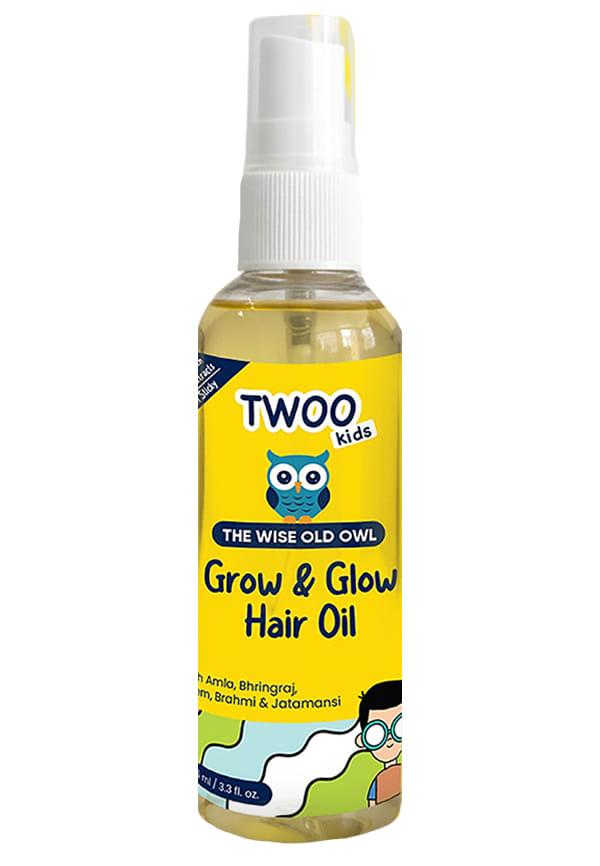
Grow & Glow Hair Oil
For most people, using hair oil two to three times a week works well. You might do a deeper treatment once a week (the pre-shampoo method) and lighter applications on the days when you're styling your hair. Pay attention to how your hair responds—if it's looking greasy or weighed down, you're probably using too much or applying it too frequently.
Seasonal changes matter too. Your hair might need more oil during winter when the air is dry and heating systems are running constantly. In summer, you might find that lighter applications work better, especially if you're spending time in chlorinated pools or salty ocean water.
Let's talk about the mistakes that pretty much everyone makes when they're starting out with hair oils. The biggest one? Using way too much. When you see those Instagram tutorials where people are literally pouring oil onto their hair, remember that they're probably washing it out immediately after filming. In real life, start with a few drops and build up if needed.
Another common mistake is applying oil to soaking wet hair. While damp hair is good, dripping wet hair will just dilute the oil and make it less effective. Your hair should be towel-dried enough that it's not leaving wet patches on your shirt.
Timing matters too. If you're doing a pre-shampoo treatment, don't leave heavy oils in for days thinking it'll work better. This can actually clog your hair follicles and make your scalp unhappy. Overnight is usually the maximum for most people, and even then, you might want to sleep on an old pillowcase.
The proper way depends on your hair type and goals. For deep conditioning, apply oil to dry hair before shampooing, massage into scalp, and leave for 1-2 hours. For daily protection, apply a few drops to damp hair after washing, focusing on mid-lengths and ends. Always start with less oil than you think you need.
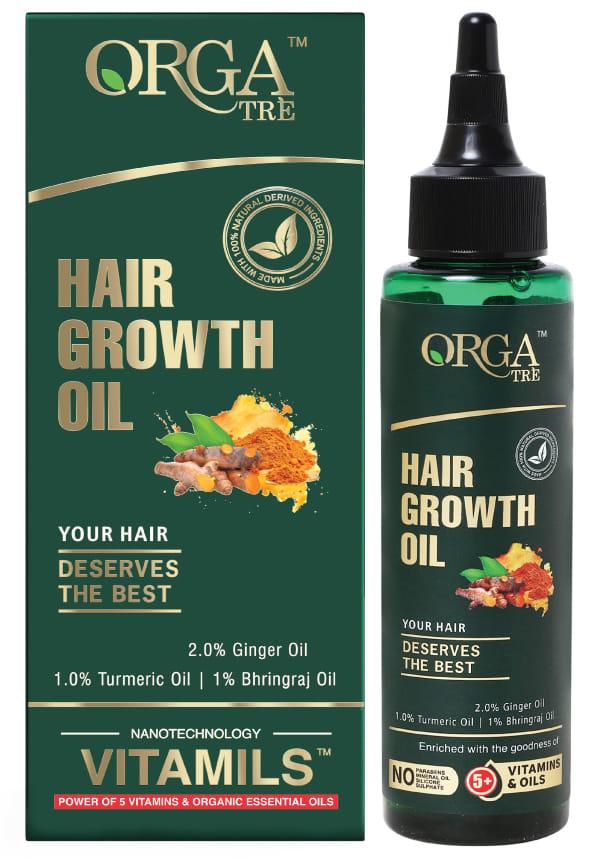
Hair Growth Oil
It depends on the method. For pre-shampoo treatments, apply to dry hair for better penetration. For styling and protection, apply to damp (not soaking wet) hair to help seal in moisture. Avoid applying oil to completely wet hair as it won't absorb properly.
For deep treatments, apply 1-2 hours before washing or overnight. For daily use, apply after washing on damp hair. Most people benefit from using hair oil 2-3 times per week. Listen to your hair—if it looks greasy, reduce frequency or amount.
Pre-shampoo treatments should be washed out with shampoo after 1-2 hours or overnight. Post-wash applications are meant to be left in as a leave-in treatment. The key is using the right amount—if your hair looks greasy, you've used too much.
After showering, gently towel-dry hair until damp. Take 2-3 drops of oil, warm between palms, and apply to mid-lengths and ends. Avoid roots unless you have a very dry scalp. Comb through with a wide-tooth comb for even distribution.
Learning how to use hair oil effectively is all about understanding your hair's unique needs and finding the right balance. Whether you're using oil for growth, moisture, or protection, the key is starting small and being consistent. Remember that hair oil benefits come from proper application, not from drowning your hair in product.
The best approach is to experiment with different hair oil ingredients and application methods until you find what works for your hair type and lifestyle. Some days you might need a deep conditioning treatment, other days just a light protective layer. Your hair oil routine should evolve with your hair's changing needs throughout the seasons and different life stages.
If you're still figuring out which oils work best for your hair, Smytten's curated selection includes trial-size versions of many popular hair oils from trusted brands. It's a smart way to test different formulations and find your perfect match before committing to full-size bottles—because why settle for maybe when you can try it all?
