How to Use Conditioner for Hair Volume: A Lightweight Guide


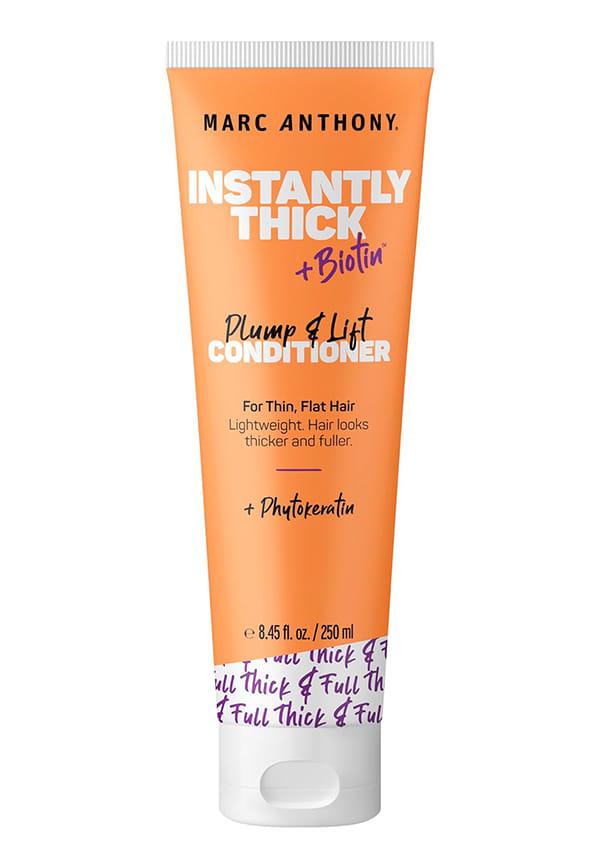 250 ml
Instantly Thick Plump & Lift Conditioner
You know that moment when you're blow-drying your hair, hoping for some serious bounce, but it just falls flat the second you step outside? Yeah, we've all been there. The thing is, most of us think conditioner is the enemy of volume — but that's where we've got it all wrong. The right conditioner for hair volume can actually be your secret weapon for fuller, bouncier hair that doesn't look weighed down or greasy.
Let's be real: fine hair has its own rulebook, and traditional heavy conditioners just don't make the cut. But skip conditioning altogether? That's a recipe for tangled, damaged strands that definitely won't give you the volume you're after. The trick is knowing which formulas work with your hair, not against it.
Think of volumizing conditioner as the lighter, smarter cousin of regular conditioner. While traditional formulas focus on deep moisture and smoothing, a good volumizing conditioner is all about creating lift and body without the weight. The science behind it is actually pretty clever — these formulas use lightweight proteins like rice protein and wheat protein that coat each hair strand, making it appear thicker and fuller.
Here's where it gets interesting: hair thickening conditioner works by temporarily plumping up the hair shaft. Ingredients like hydrolyzed proteins slip into the tiny gaps in your hair cuticle, filling them out and creating the appearance of thicker strands. Meanwhile, polymers in the formula create a fine film around each hair that adds body without that heavy, coated feeling you get from regular conditioners.
The key difference between volumizing and regular conditioners lies in their molecular weight. Lightweight conditioner formulas use smaller molecules that penetrate the hair shaft quickly, delivering moisture where it's needed without sitting on top of the hair. This means your strands get the hydration they need while maintaining that airy, bouncy texture that makes hair look fuller.
What makes these formulas so effective is their ability to work with your hair's natural structure rather than against it. Instead of smoothing down the cuticle completely (which can make fine hair look flat), they create just enough texture and grip to help your hair hold volume and movement throughout the day.
Not all conditioners are created equal, especially when you're dealing with fine or thin hair. The best conditioner for volume typically falls into the protein-based category rather than the moisture-heavy formulas that work well for thick, coarse hair. These formulas focus on strengthening and plumping rather than just smoothing and softening.
Protein-based conditioners are your best friend here. Look for ingredients like rice protein, wheat protein, and biotin — these work to temporarily thicken each strand from the inside out. Rice protein is particularly brilliant because it's lightweight yet effective, adding body without any heaviness. Wheat protein works similarly but also helps improve hair elasticity, which means your volume will last longer.
On the flip side, you'll want to avoid conditioners loaded with heavy oils, thick silicones, and rich butters. Ingredients like coconut oil, shea butter, and dimethicone might sound luxurious, but they're volume killers for fine hair. These ingredients are fantastic for dry, damaged, or coarse hair, but they'll weigh down fine strands faster than you can say 'flat hair day.'
Texture matters too. Lightweight conditioner formulas often have a more liquid consistency compared to the thick, creamy textures of traditional conditioners. Some even come in spray or foam formats that make it easier to control how much product you're using. The goal is to find something that feels almost weightless when you apply it but still gives your hair the slip it needs for easy detangling.
Rice protein and wheat protein are the MVPs of volume-boosting conditioners. Biotin adds strength, while coconut water provides lightweight moisture. Aloe vera is another winner — it hydrates without heaviness and actually helps create a bit of texture that can enhance volume.
The way you apply your conditioner can make or break your volume game. Most people just slap it on from roots to ends, but that's exactly how you end up with flat, lifeless hair. The technique matters just as much as the product itself, and getting it right can be the difference between bouncy, full-looking hair and strands that fall flat before you've even finished styling.
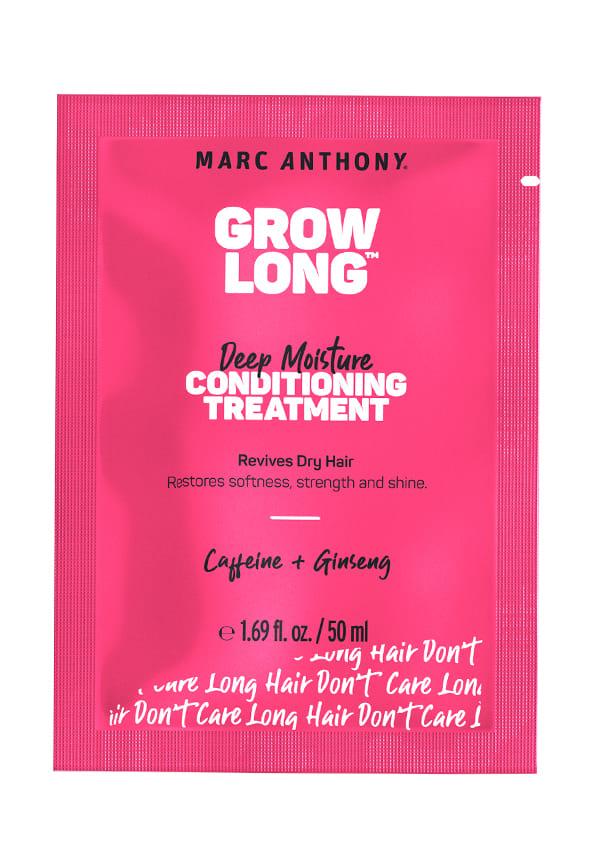 50 ml
50 mlStrenghtening Grow Long Super Fast Conditioning Treatment
Start with proper shampooing — this sets the foundation for everything that follows. Use a volumizing or clarifying shampoo to remove any buildup that might weigh your hair down. Focus the shampoo on your scalp and roots, where oil and product residue tend to accumulate. Rinse thoroughly with lukewarm water, making sure there's no shampoo residue left behind.
Now for the crucial part: conditioner application. This is where most people go wrong. Apply your root lifting conditioner only from mid-length to ends — never, ever put conditioner on your roots or scalp. Your scalp produces natural oils that provide moisture to the first few inches of your hair, so adding conditioner there just creates unnecessary weight and greasiness.
Use about a coin-sized amount for shoulder-length hair, adjusting based on your hair length and thickness. Work it through gently with your fingers or a wide-tooth comb, making sure every strand from mid-length down gets coverage. Leave it on for 2-3 minutes — any longer and you risk over-conditioning, which can weigh hair down.
The rinsing technique is just as important as the application. Use cool water for the final rinse — this helps seal the hair cuticle and locks in the volume-boosting benefits. Cool water also prevents the hair shaft from swelling too much, which can make fine hair look limp and lifeless.
After rinsing, gently squeeze out excess water with your hands. Pat your hair with a microfibre towel rather than rubbing vigorously — this prevents damage and helps maintain the volume-enhancing effects of your conditioner.
Understanding what goes into a body building conditioner can help you make smarter choices when you're scanning ingredient lists. The best formulas combine volume-boosting proteins with lightweight moisturisers and clever polymers that create lift without weight. It's like having a personal hair architect working to build structure and body into every strand.
Volume-boosting proteins are the backbone of any good hair plumping conditioner. Rice protein is particularly effective because it has a small molecular structure that can penetrate the hair shaft easily. Once inside, it swells slightly, creating the appearance of thicker, fuller hair. Wheat protein works similarly but also helps improve hair's elasticity and strength, which means your volume will hold up better throughout the day.
Keratin is another protein powerhouse, but it needs to be used in the right concentration. Too much can actually make hair stiff and brittle, while the right amount helps fill in gaps in damaged hair cuticles, creating smoother, fuller-looking strands. Hydrolyzed proteins are often the best choice because they've been broken down into smaller molecules that can penetrate more effectively.
Lightweight moisturisers are crucial for keeping hair healthy without adding weight. Coconut water is brilliant here — it provides hydration and electrolytes that help maintain hair health, but it's so light that it won't weigh down fine strands. Aloe vera is another winner, offering moisture plus a bit of natural texture that can actually enhance volume.
Volumizing polymers are the secret sauce in many effective formulas. These create a fine, flexible film around each hair strand that adds body and helps hair hold its shape. The best polymers are designed to be humidity-resistant, which means your volume won't disappear the moment you step outside on a humid day.
The pH level of your conditioner affects how your hair cuticle behaves. Slightly acidic formulas (pH 4.5-5.5) help keep the cuticle sealed, which can actually enhance volume by preventing hair from absorbing too much moisture from the environment.
Even with the right conditioner for thin hair, it's easy to sabotage your volume goals with poor application techniques or product choices. The most common mistake? Using way too much product. Fine hair needs much less conditioner than thick hair, but most people use the same amount regardless of their hair type. This leads to over-conditioning, which weighs hair down and can make it look greasy even when it's clean.
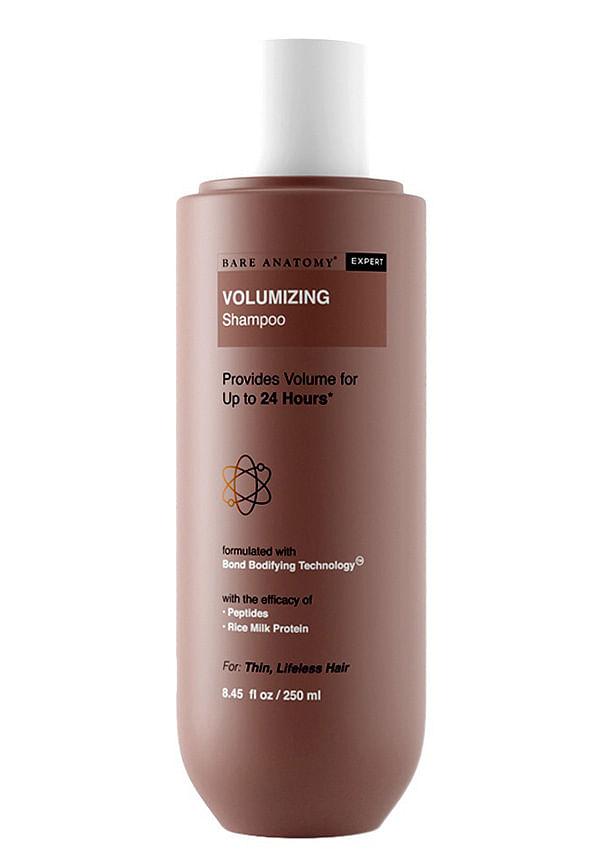 250 ml
Expert Volumizing Hair Shampoo For Thicker, Fuller And Healthy Hair
Another volume killer is applying conditioner to your roots and scalp. This seems logical — after all, shouldn't all your hair get the same treatment? But your scalp produces natural oils that travel down the first few inches of your hair shaft. Adding conditioner to this area just creates unnecessary weight and can make your roots look flat and oily.
Product buildup is a sneaky volume destroyer that builds up over time. If you're using multiple hair volume products without regular clarifying, residue accumulates on your hair shaft, making it heavier and less responsive to styling. This is especially problematic with silicone-heavy products that can create an invisible coating on your hair.
Using the wrong conditioner type for your hair's porosity level is another common issue. High-porosity hair (damaged or chemically treated) can absorb too much product, leading to over-conditioning and limpness. Low-porosity hair might not absorb enough, leaving product sitting on the surface and weighing hair down.
Skipping clarifying treatments is a mistake many people make when they're focused on maintaining moisture. But fine hair needs regular clarification to remove buildup and reset the hair's natural texture. Without this step, even the best volumizing products won't work effectively.
Your hair feels limp and lifeless even after washing, takes longer to dry than usual, or looks greasy despite being clean. These are all signs that you might be using too much product or conditioning too frequently.
Professional stylists have some clever tricks for getting the most out of your volumizing conditioner routine. One technique that works particularly well is the layering method — using your conditioner as a base and then adding a lightweight volumizing spray or mousse while your hair is still damp. This creates multiple layers of volume-boosting ingredients without overwhelming fine strands.
Timing your blow-drying can also make a huge difference. Some stylists recommend starting to blow-dry while your conditioner is still in your hair for the last minute of processing time. This helps set the volume-boosting ingredients while adding heat-activated lift. Just make sure to rinse thoroughly afterward to avoid any residue.
Weekly treatments need a different approach than daily conditioning. Once a week, you might use a slightly richer formula to address any dryness or damage, but follow it up with a clarifying shampoo the next time you wash to prevent buildup. This gives your hair the deep conditioning it needs without compromising your daily volume routine.
Seasonal adjustments are crucial for maintaining consistent volume. Humidity can make fine hair absorb moisture from the air, leading to limpness and loss of body. In humid weather, you might need to use even lighter formulas or reduce conditioning frequency. In dry weather, you can often get away with slightly richer products without losing volume.
Hair type customisation is key — fine hair, thin hair, and damaged hair all have different needs, even when the goal is volume. Fine hair (individual strands are narrow) needs lightweight proteins and minimal moisture. Thin hair (fewer strands overall) benefits from thickening ingredients and root-lifting formulas. Damaged hair needs a balance of repair and volume, which can be trickier to achieve.
Try the 'scrunching' method: apply conditioner to damp hair, then gently scrunch upward while it processes. This helps create natural texture and movement that enhances volume when you style.
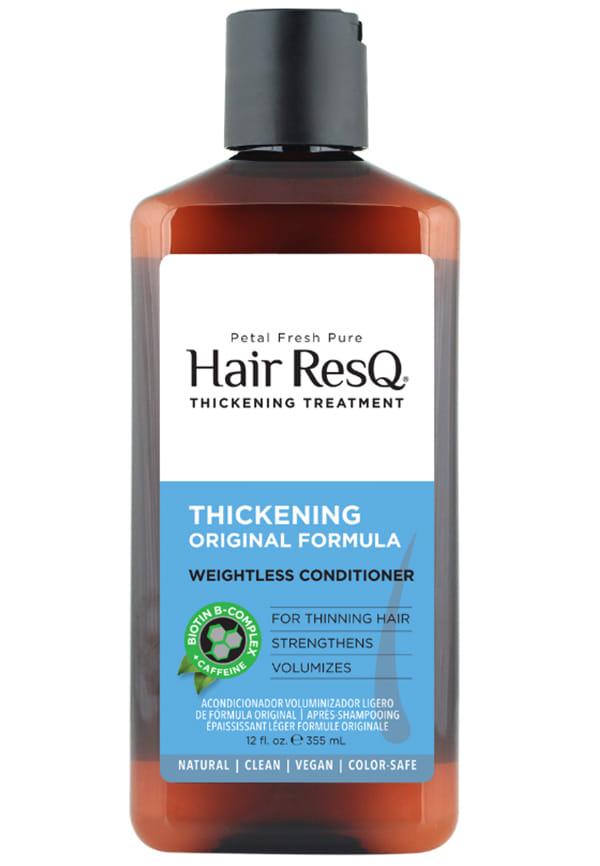 355 ml
Hair ResQ Thickening Conditioner Normal Hair
Yes, but only if you use the right type and apply it correctly. Volumizing conditioners contain proteins and polymers that temporarily thicken hair strands and create lift. However, using too much or applying it to your roots can have the opposite effect and weigh your hair down.
The best conditioners for volume contain lightweight proteins like rice or wheat protein, avoid heavy oils and silicones, and have a liquid or lightweight cream texture. Look for formulas specifically labeled as 'volumizing,' 'thickening,' or 'body-building' rather than 'moisturising' or 'smoothing.'
Absolutely, especially for fine or thin hair. Volumizing conditioners provide necessary moisture and detangling benefits while adding body and thickness. They're formulated to be lighter than regular conditioners, so they won't weigh your hair down while still keeping it healthy and manageable.
Most people can use volumizing conditioner every time they shampoo, which is typically 2-3 times per week for fine hair. If your hair feels over-conditioned or starts looking limp, reduce frequency to every other wash or use a clarifying shampoo once a week to remove buildup.
Yes, but choose formulas that are colour-safe and sulfate-free. Coloured hair often benefits from the protein boost that volumizing conditioners provide, as chemical processing can make hair more porous and prone to looking flat. Just avoid over-conditioning, which can make colour fade faster.
Volumizing conditioners focus on creating lift and body from the roots, while thickening conditioners work to make individual hair strands appear fuller and denser. Many products combine both benefits, but thickening formulas typically contain more proteins and plumping ingredients.
Getting volume from your conditioner isn't about finding one magic product — it's about understanding your hair type, using the right application technique, and choosing formulas that work with your hair's natural texture rather than against it. The key is finding that sweet spot where your hair gets the moisture and protection it needs without any of the weight that kills volume.
Remember, less is often more when it comes to conditioning fine hair. Focus on mid-lengths to ends, use lightweight formulas with volume-boosting proteins, and don't be afraid to clarify regularly to prevent buildup. Your hair will thank you with better body, bounce, and movement that lasts all day.
The beauty of modern haircare is that you don't have to choose between healthy hair and voluminous hair — you can have both with the right approach. Whether you're dealing with naturally fine strands or hair that's lost volume over time, the right conditioning routine can make a real difference in how full and bouncy your hair looks and feels.
Want to find your perfect volume-boosting formula without committing to full-size bottles? Smytten's curated selection includes trial-size versions of many volumizing conditioners from trusted brands — a smart way to test what works for your hair type before investing in the full product. After all, when it comes to finding your ideal hair routine, why settle for maybe when you can try it all?
