How to Understand Why You're Losing Hair Now

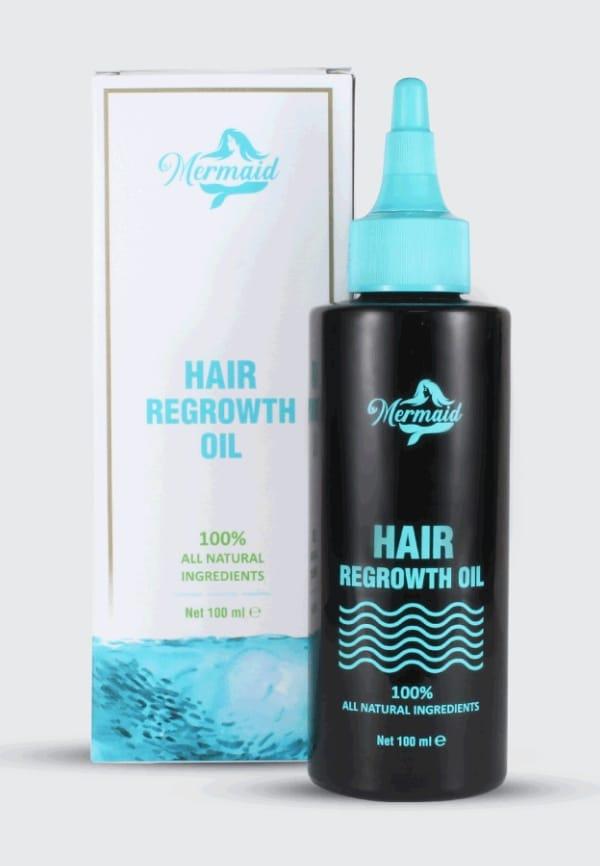 100 ml
Hair Regrowth Oil 100ml
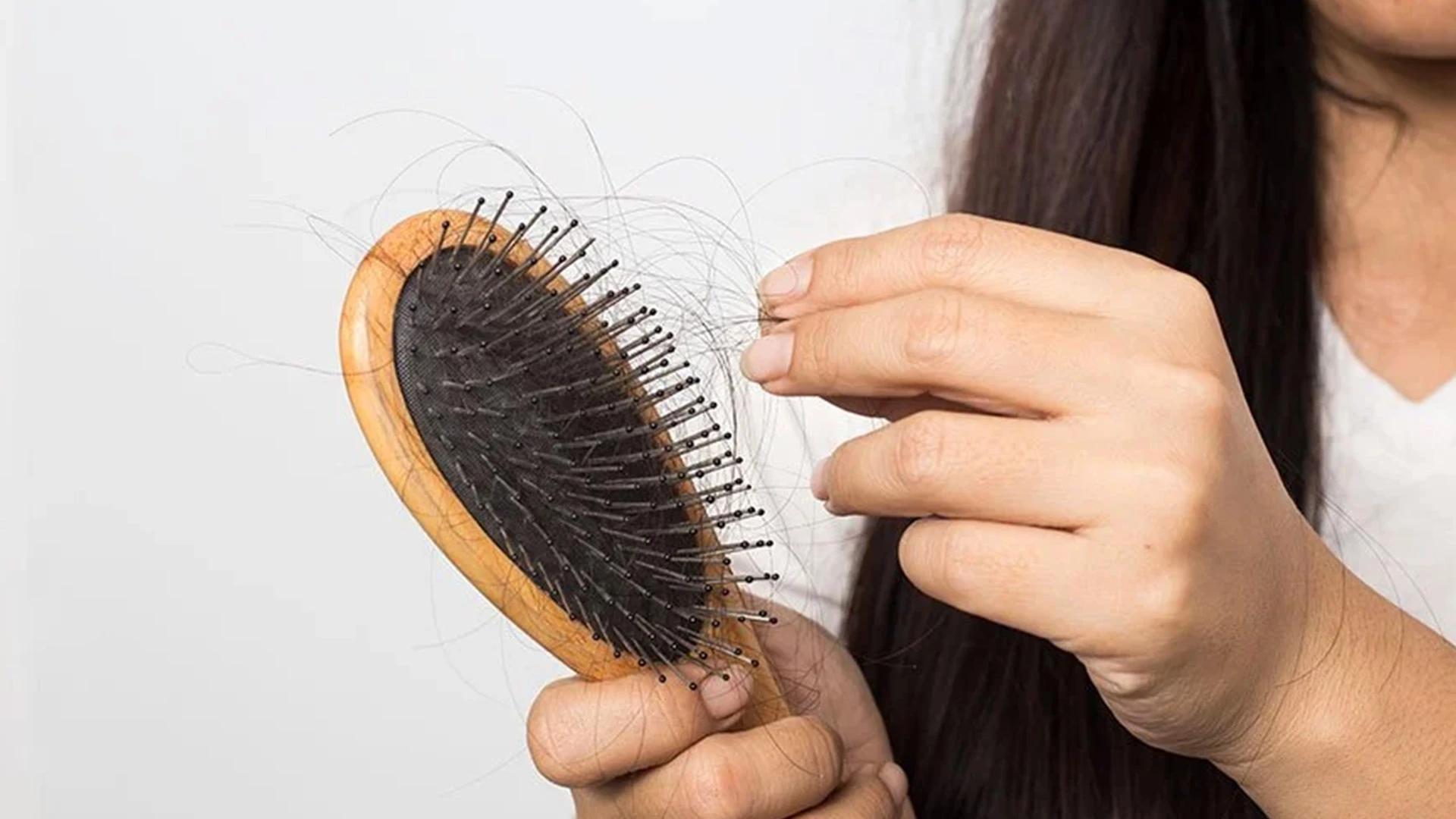
Finding clumps of hair in your brush or noticing your ponytail feels thinner can be pretty unsettling. If you're asking yourself "why am I losing hair?" you're definitely not alone. Hair loss affects millions of people, and understanding the root causes is the first step towards finding the right solution. Let's dive into what might be behind your hair shedding and when you should actually start worrying about it.
Before you panic about every strand you find on your pillow, let's get real about what's actually normal. Your hair goes through a natural cycle that includes three phases: anagen (growth), catagen (transition), and telogen (resting). During the telogen phase, hair naturally sheds to make room for new growth.
Here's what you need to know about typical hair shedding patterns:
Daily baseline: Losing 50-100 strands per day is completely normal
Seasonal changes: You might notice more shedding in autumn
Washing day effect: More hair comes out on wash days because loose strands finally detach
Hair length illusion: Longer hair appears more voluminous when it falls out
The red flags that signal excessive hair loss include finding significantly more hair than usual in your brush, noticing visible thinning areas, or seeing your scalp more clearly through your hair. A simple pull test can help assess active hair loss—gently tug a small section of clean, dry hair. If more than six strands come out, you might be experiencing active hair loss that warrants attention.
Understanding the various reasons for hair thinning can help you identify what might be affecting your locks. Hair loss rarely happens overnight—it's usually a gradual process with multiple contributing factors.
This is the most common cause of hair loss, affecting both men and women. Male pattern baldness typically starts with a receding hairline and crown thinning, whilst female hair loss usually presents as diffuse thinning across the top of the head with a widening centre part.
Genetic markers from both sides of your family can influence your hair loss pattern. If your parents or grandparents experienced hair thinning, you're more likely to face similar challenges. This type of hair loss can begin as early as your teens or twenties, though it's more common to notice changes in your thirties and beyond.
Hormones play a massive role in hair health, and fluctuations can trigger significant shedding. Pregnancy often brings thicker, fuller hair due to elevated hormone levels, but postpartum hair loss can be quite dramatic as hormones normalise.
Menopause brings declining oestrogen levels, which can lead to hair thinning and increased sensitivity to androgens. Thyroid disorders—both hyperthyroidism and hypothyroidism—can cause hair loss, whilst conditions like PCOS increase androgen levels that may contribute to hair thinning.
Both physical and emotional stress can trigger a type of hair loss called telogen effluvium. This condition pushes hair follicles into the resting phase prematurely, causing increased shedding about two to three months after the stressful event.
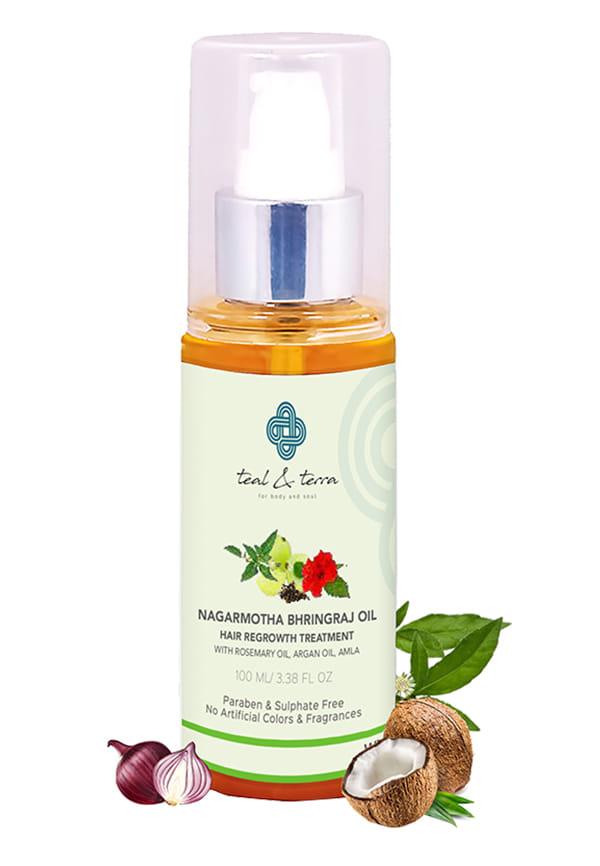 100 ml
Nagarmotha Bhringraj Oil Hair Regrowth Treatment
Physical stressors include surgery, serious illness, rapid weight loss, or high fever. Emotional stress from work pressure, relationship issues, or major life changes can have similar effects. The good news? Stress-related hair loss is usually temporary and reversible once the underlying stress is managed.
Your hair needs proper nutrition to grow strong and healthy. Several nutritional deficiencies can contribute to hair thinning and increased shedding. Iron deficiency is particularly common, especially among women, and can significantly impact hair growth cycles.
Protein inadequacy affects hair structure since hair is primarily made of keratin, a protein. Without sufficient protein intake, your body may redirect available protein to more essential functions, leaving your hair weak and prone to breakage.
B vitamins: Particularly biotin, B12, and folate support hair follicle health
Vitamin D: Deficiency linked to alopecia and poor hair growth
Zinc and selenium: Essential trace minerals for hair follicle function
Omega-3 fatty acids: Support scalp health and hair shine
Crash diets and restrictive eating patterns can trigger sudden hair loss as your body enters survival mode and prioritises essential functions over hair growth.
Sometimes hair loss signals an underlying medical condition that needs attention. Understanding these connections can help you seek appropriate treatment.
Alopecia areata causes patchy hair loss when your immune system mistakenly attacks hair follicles. The alopecia symptoms typically include round or oval bald patches that appear suddenly.
Scalp infections like ringworm can cause hair loss in affected areas, whilst inflammatory conditions such as seborrheic dermatitis may contribute to hair thinning through chronic scalp irritation.
Certain medications can cause hair loss as a side effect. Blood pressure medications, particularly ACE inhibitors and beta-blockers, may contribute to hair thinning. Some antidepressants, especially SSRIs, can affect hair growth cycles.
High-dose vitamin A supplements can paradoxically cause hair loss, whilst chemotherapy drugs are well-known for causing temporary hair loss that usually reverses after treatment ends.
Men and women often experience different types of hair loss due to hormonal differences and lifestyle factors. Understanding these patterns can help you identify the most likely causes.
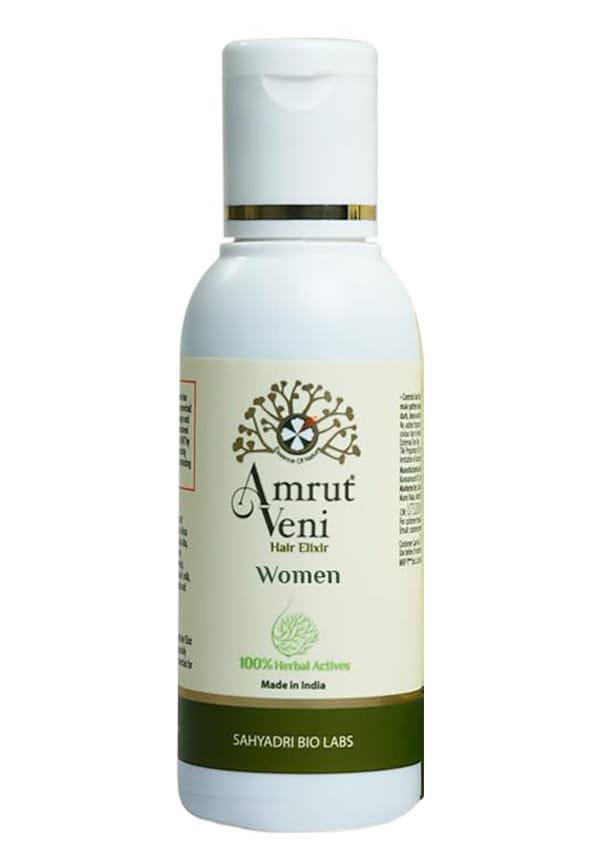 50 ml
50 mlHair Elixir Women
Women's hair loss often relates to hormonal fluctuations throughout life stages. Pregnancy, menopause, and birth control changes can all trigger hair shedding. Iron deficiency anaemia is more common in women due to menstruation and can significantly impact hair health.
Tight hairstyles like braids, ponytails, or buns can cause traction alopecia, whilst frequent chemical treatments including relaxers, perms, and hair colouring may weaken hair structure over time.
Men typically experience hair loss due to DHT (dihydrotestosterone) sensitivity, which causes follicles to shrink and eventually stop producing hair. Lifestyle factors like smoking, poor diet, and inadequate sleep can accelerate this process.
High-stress careers and occupational pressure may contribute to hair loss through chronic stress and poor self-care habits.
Knowing when to seek professional help can make a significant difference in hair loss treatment outcomes. Early intervention often leads to better results, so don't wait until the problem becomes severe.
Seek medical attention if you're experiencing sudden, rapid hair loss exceeding 100 hairs daily, patchy bald spots that could indicate autoimmune conditions, or scalp symptoms like itching, scaling, or inflammation. If you have a strong family history of hair loss, early consultation can help you explore preventive options.
Diagnostic tests: Blood work to check hormones, nutrients, and thyroid function
Scalp examination: Professional assessment of hair density and scalp health
Trichoscopy: Detailed microscopic examination of hair and scalp
Specialist referral: Dermatologists specialise in hair and scalp conditions
Your doctor can help determine whether your hair loss is temporary or progressive and recommend appropriate treatment options based on the underlying cause.
The good news is that many types of hair loss respond well to treatment, especially when caught early. Your approach should target the specific cause of your hair loss for the best results.
FDA-approved medications like minoxidil (available over-the-counter) and finasteride (prescription) have proven effectiveness for androgenic alopecia. These treatments work best when started early and require consistent use to maintain results.
Professional procedures like PRP (platelet-rich plasma) therapy use your own blood components to stimulate hair growth, whilst hair transplants offer a more permanent solution for advanced hair loss. For women, spironolactone may help reduce androgen-related hair thinning.
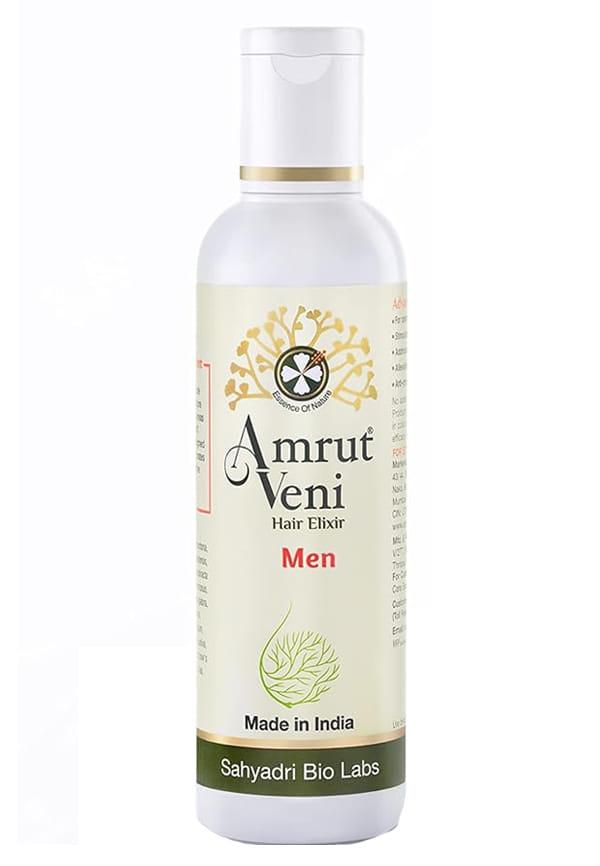 50 ml
50 mlHair Elixir Men
Gentle haircare practices can help prevent hair loss and minimise damage. Regular scalp massage improves blood circulation to hair follicles, whilst avoiding tight hairstyles reduces mechanical stress on hair.
Stress management through meditation, exercise, and adequate sleep supports overall hair health. Nutritional support with a balanced diet and targeted supplements can address deficiencies that contribute to hair loss.
When exploring hair thinning solutions, remember that finding the right products for your specific needs doesn't have to break the bank. Smytten offers curated trial packs from trusted haircare brands, letting you test different treatments before committing to full-size purchases. With over 1,500 brands available and 100% cashback on trial minis, you can discover what works for your hair without the usual trial-and-error expense.
Sudden hair loss often results from stress, hormonal changes, nutritional deficiencies, or underlying medical conditions. The hair loss typically occurs 2-3 months after the triggering event due to the hair growth cycle.
While you can't stop hair loss instantly, gentle haircare practices, stress reduction, proper nutrition, and avoiding tight hairstyles can minimise further damage. Consult a dermatologist for persistent issues.
Iron deficiency is the most common nutritional cause, followed by vitamin D, B vitamins (especially biotin and B12), and protein deficiency.
This depends on the cause. Stress-related, nutritional, and hormonal hair loss is often reversible, whilst genetic hair loss is typically progressive without treatment.
Seek help if you're losing more than 100 hairs daily, notice patchy bald spots, experience scalp symptoms, or have sudden changes in hair density.
Understanding why you're losing hair is the first step towards finding effective solutions. Whether it's genetics, hormones, stress, or nutritional factors, identifying the root cause helps you choose the most appropriate treatment approach. Remember that hair loss is incredibly common, and you're not alone in this journey.
The key is to act early and be patient with treatments, as hair growth takes time. Don't hesitate to seek professional help when needed, and consider exploring different haircare products through trial sizes to find what works best for your specific situation. With the right approach and consistent care, many people successfully manage their hair loss and maintain healthy, confident locks.
