How to Treat Split Ends Naturally at Home

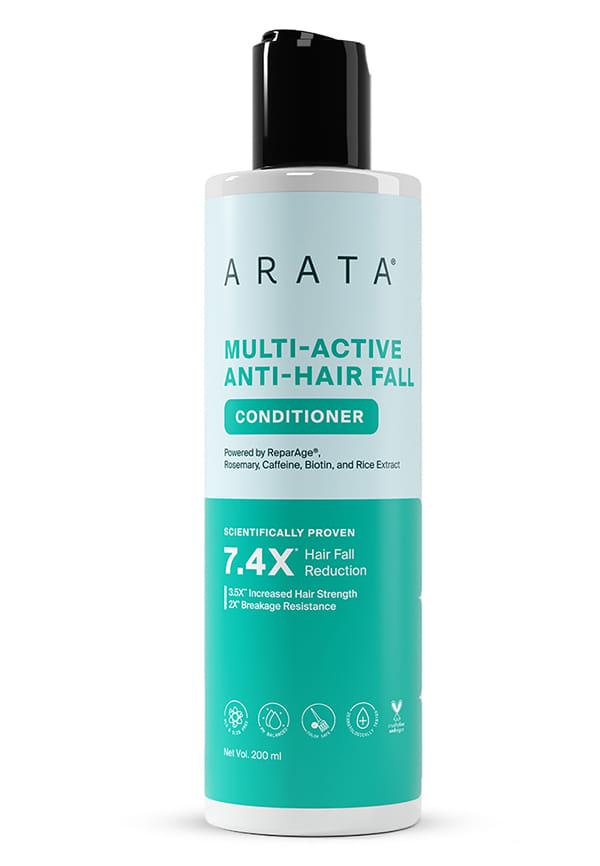 200 ml
Anti-Hair Fall Conditioner for Breakage and Split-Ends Reduction
Split ends are basically your hair's way of saying it's had enough. Whether it's from heat styling, chemical treatments, or just everyday wear and tear, those frayed ends can make even the healthiest hair look damaged. But here's the thing—you don't always need expensive salon treatments to tackle this issue. Home remedies for split ends can be surprisingly effective when done right. From kitchen ingredients to simple lifestyle changes, there are plenty of natural ways to give your hair the TLC it deserves. Let's dive into what actually works and what's just wishful thinking.
Before jumping into treatments, it's worth understanding what you're dealing with. Split ends happen when the protective outer layer of your hair (the cuticle) gets damaged, causing the hair shaft to literally split apart. Think of it like a frayed rope—once it starts, it tends to get worse if left untreated.
Your hair goes through a lot daily. Heat styling tools, harsh chemicals, and even aggressive brushing can weaken the hair structure. When the cuticle layer gets compromised, the inner cortex becomes exposed and vulnerable. Environmental factors like sun exposure, pollution, and even hard water can accelerate this damage. The result? Those telltale split ends that make your hair look frizzy and unhealthy. Protein loss is another major factor. Your hair is made up of keratin, and when this protein structure breaks down, your strands become weak and prone to splitting. Chemical processing from colouring, perming, or relaxing treatments can strip away natural oils and proteins, leaving your hair brittle.
Natural ingredients work because they often contain proteins, vitamins, and oils that can temporarily seal the hair cuticle and provide moisture. While they can't permanently repair split ends (only trimming can do that), they can make your hair look and feel healthier whilst preventing further damage. The beauty of natural hair care is that it's gentle. Unlike some commercial products loaded with sulphates and harsh chemicals, natural treatments nourish without stripping your hair. Plus, they're budget-friendly—most ingredients are probably already in your kitchen.
Let's get into the good stuff—treatments that can genuinely help improve the appearance of split ends and prevent new ones from forming. These aren't miracle cures, but they're solid options for damaged hair repair.
Egg Yolk and Oil Mask is probably the most effective DIY treatment you can try. Mix one egg yolk with a tablespoon of olive or almond oil. The proteins in egg yolk help strengthen hair whilst the oil provides deep moisture. Apply this mixture to your hair ends and leave for 30-45 minutes before washing out with cool water. Papaya and Yogurt Mask brings vitamin A to the party. Mash half a ripe papaya and mix with 2-3 tablespoons of plain yogurt. This combination helps improve hair elasticity and adds moisture. Leave it on for 30 minutes—your hair will feel noticeably softer. Honey and Oil Mixture is brilliant for dry hair remedies. Honey is a natural humectant, meaning it draws moisture from the air into your hair. Mix two tablespoons of honey with one tablespoon of coconut oil for a deeply nourishing treatment. Banana Mask might sound odd, but it works. Mash one ripe banana with two tablespoons of curd. The potassium in bananas helps strengthen hair whilst the lactic acid in curd gently exfoliates the scalp.
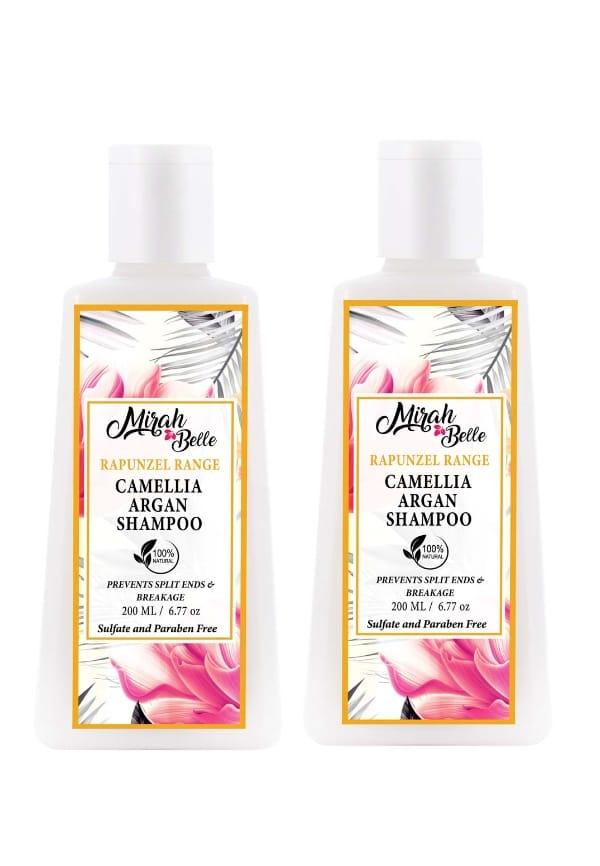 Pack of 2
Organic & Natural - Camellia Argan Shampoo - Frizzy Hair, Breakage & Split Ends
Hot Oil Massage Therapy is a game-changer for split end prevention. Warm coconut, olive, or castor oil slightly and massage into your hair, focusing on the ends. The heat helps the oil penetrate deeper into the hair shaft. Do this once or twice a week for best results. Argan Oil is worth the investment if you're serious about hair health. A few drops on damp hair ends can provide instant smoothing and protection. It's lightweight, so it won't weigh your hair down. Onion Juice Treatment might not smell great, but it's effective for strengthening hair. Mix fresh onion juice with a carrier oil like coconut or olive oil. The sulphur compounds in onions can help improve hair strength and reduce breakage.
Treatment is one thing, but prevention is where you'll see real results. Making small changes to your hair routine can dramatically reduce split ends over time.
Heat styling is one of the biggest culprits behind split ends. If you can't give up your straightener or blow dryer completely, at least use them on lower heat settings. Always apply a heat protectant—even a DIY one made from aloe vera gel mixed with a few drops of oil. Air-drying is your hair's best friend. If you must blow-dry, use the cool setting and keep the dryer moving to avoid concentrating heat on one area.
Wet hair is fragile hair. Use a wide-toothed comb to detangle, starting from the ends and working your way up. Never brush wet hair aggressively—you're asking for breakage. Silk or satin pillowcases reduce friction whilst you sleep, which means less breakage and frizz. If you can't invest in new pillowcases, try wrapping your hair in a silk scarf before bed.
Sun damage isn't just for skin—your hair needs protection too. Wear a hat or use hair products with UV protection when spending time outdoors. Wind can also cause tangles and breakage, so consider protective styles on windy days. Swimming in chlorinated pools? Wet your hair with clean water first and apply a leave-in conditioner to create a barrier against harsh chemicals.
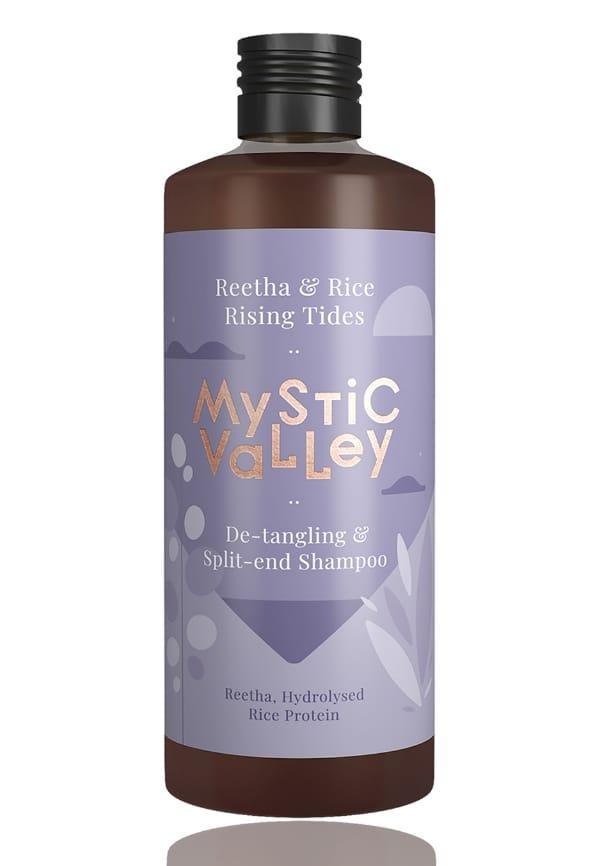 350 ml
Reetha & Rice Protein Split End Repair & Detangling Shampoo
Once you've got the basics down, you can level up your hair care game with more targeted approaches. The key is consistency—sporadic treatments won't give you the results you're after.
Rotate between protein and moisture treatments. If your hair feels stretchy when wet, it needs protein. If it feels dry and brittle, focus on moisture. Don't do both on the same day—your hair needs balance. Customise treatments based on your hair type. Fine hair needs lighter oils like argan or jojoba, whilst thick, coarse hair can handle heavier oils like coconut or castor oil.
Make a simple leave-in conditioner by mixing aloe vera gel with a few drops of your favourite oil. Apply to damp hair ends daily for ongoing protection. Morning routine: Apply a small amount of oil to your palms, rub together, and gently smooth over hair ends. Evening routine: If your hair feels dry, apply a tiny amount of leave-in treatment before bed.
Let's be honest—whilst these treatments can improve the appearance of split ends and prevent new ones, the only permanent solution is trimming. If you're dealing with severe splitting, book that salon appointment. For minor splits, you can carefully trim at home using proper hairdressing scissors. Trim every 6-8 weeks to maintain healthy ends. Look for signs like excessive tangling, dullness, or visible splits when deciding if it's time for a cut.
Conditioning isn't just about slapping product on your hair and rinsing it out. There's technique involved that can maximise the benefits for your hair health. Always apply conditioner from mid-length to ends—your scalp produces natural oils, so it doesn't need extra moisture. Leave regular conditioner on for 2-3 minutes, but deep treatments can stay on for 15-30 minutes. Rinse with cool water to seal the hair cuticle. It might not be the most comfortable, but your hair will thank you with extra shine and smoothness. When exploring new haircare products, platforms like Smytten make it easier to try different treatments without committing to full-size purchases. With trial packs from trusted brands, you can discover what works for your specific hair needs before investing in larger quantities.
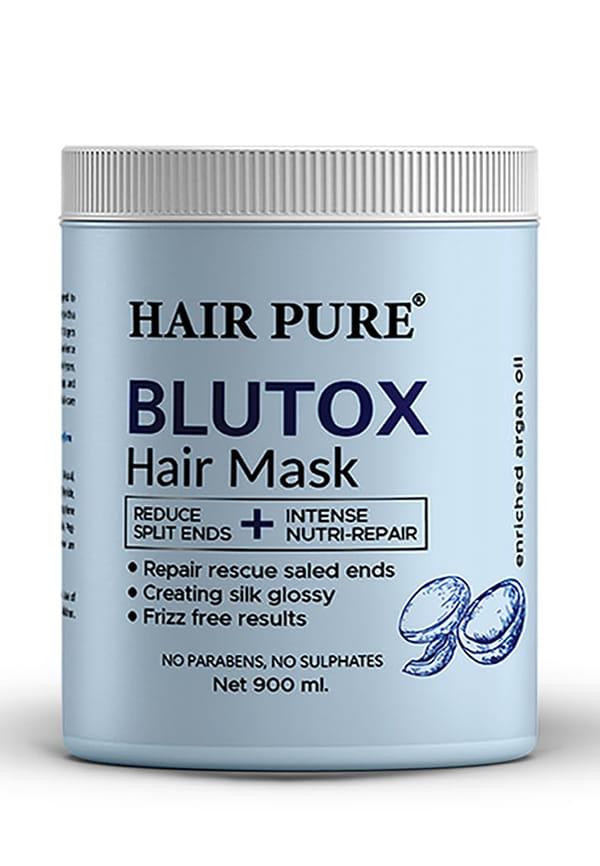 900 ml
Blutox Hair Mask for Reduces Split Ends & Intense Nutri-Repair Treatment
No, split ends cannot truly heal once the hair shaft has split. However, natural treatments can temporarily seal the cuticle and improve the appearance of damaged hair whilst preventing further splitting.
You might notice immediate improvements in hair texture and manageability after one treatment, but consistent use over 4-6 weeks is needed to see significant changes in hair health and reduced breakage.
Heat styling, chemical processing, and mechanical damage from brushing are the primary causes. Environmental factors like sun exposure and pollution also contribute to hair damage over time.
Most natural overnight treatments are safe, but those with fine hair should use lighter oils to avoid weighing hair down. Always do a patch test if you have sensitive skin or scalp conditions.
Once or twice a week is usually sufficient for most hair types. Over-conditioning can make hair limp and greasy, so pay attention to how your hair responds and adjust accordingly.
Treating split ends naturally at home is absolutely possible with the right approach and realistic expectations. Whilst you can't permanently repair split hair, you can significantly improve its appearance and prevent future damage with consistent care. The key is finding the right combination of treatments for your hair type and sticking with them. Remember, healthy hair starts with gentle handling, proper nutrition, and protection from damage. Natural treatments are brilliant for maintaining hair health, but don't skip regular trims if you want to keep split ends at bay long-term. Your hair is unique, so experiment with different natural remedies to find what works best for you. With patience and the right routine, you can achieve healthier, stronger hair that looks and feels amazing.
